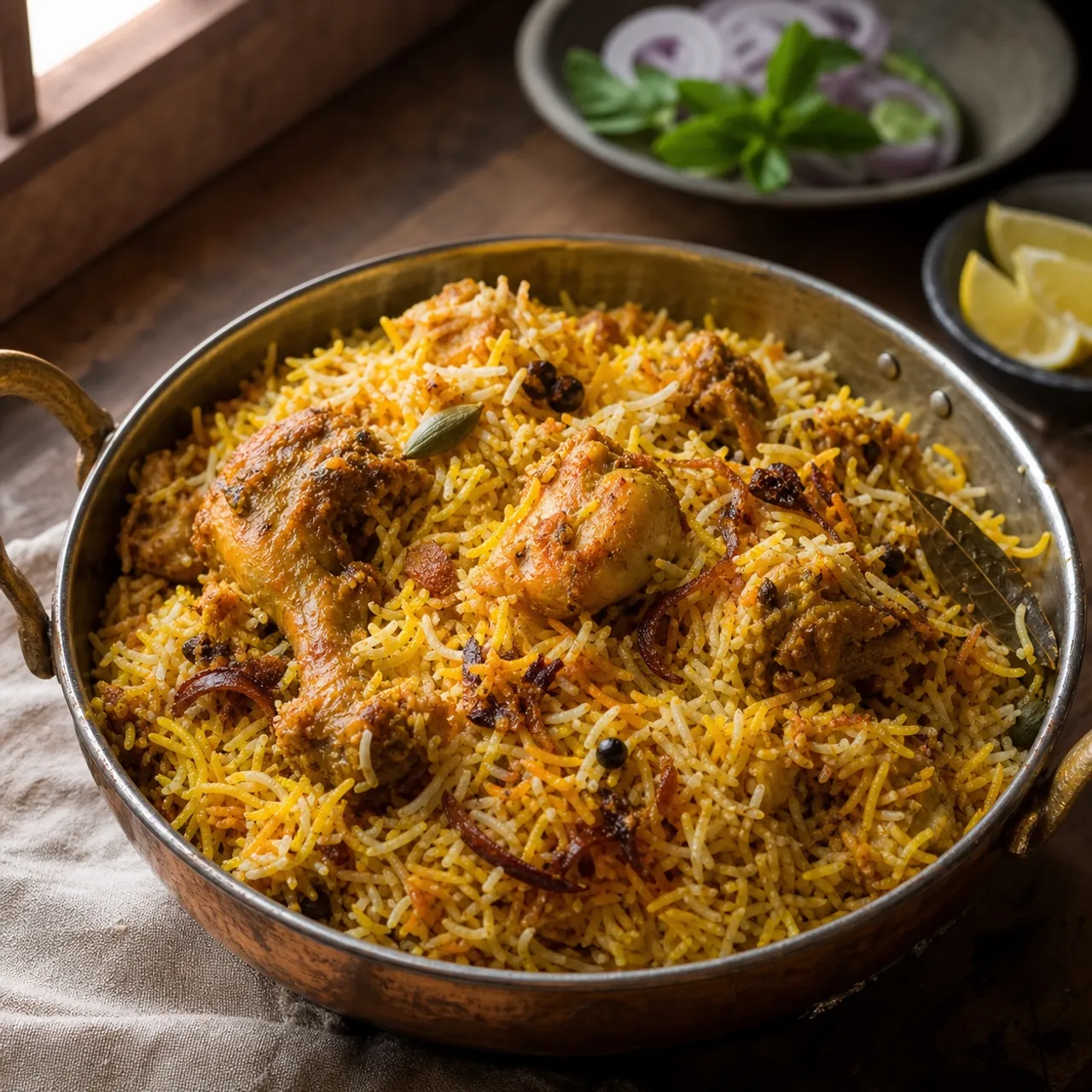
 Indian Images are for illustrative purposes only, may be inaccurate, and do not guarantee the presence or absence of specific ingredients.
 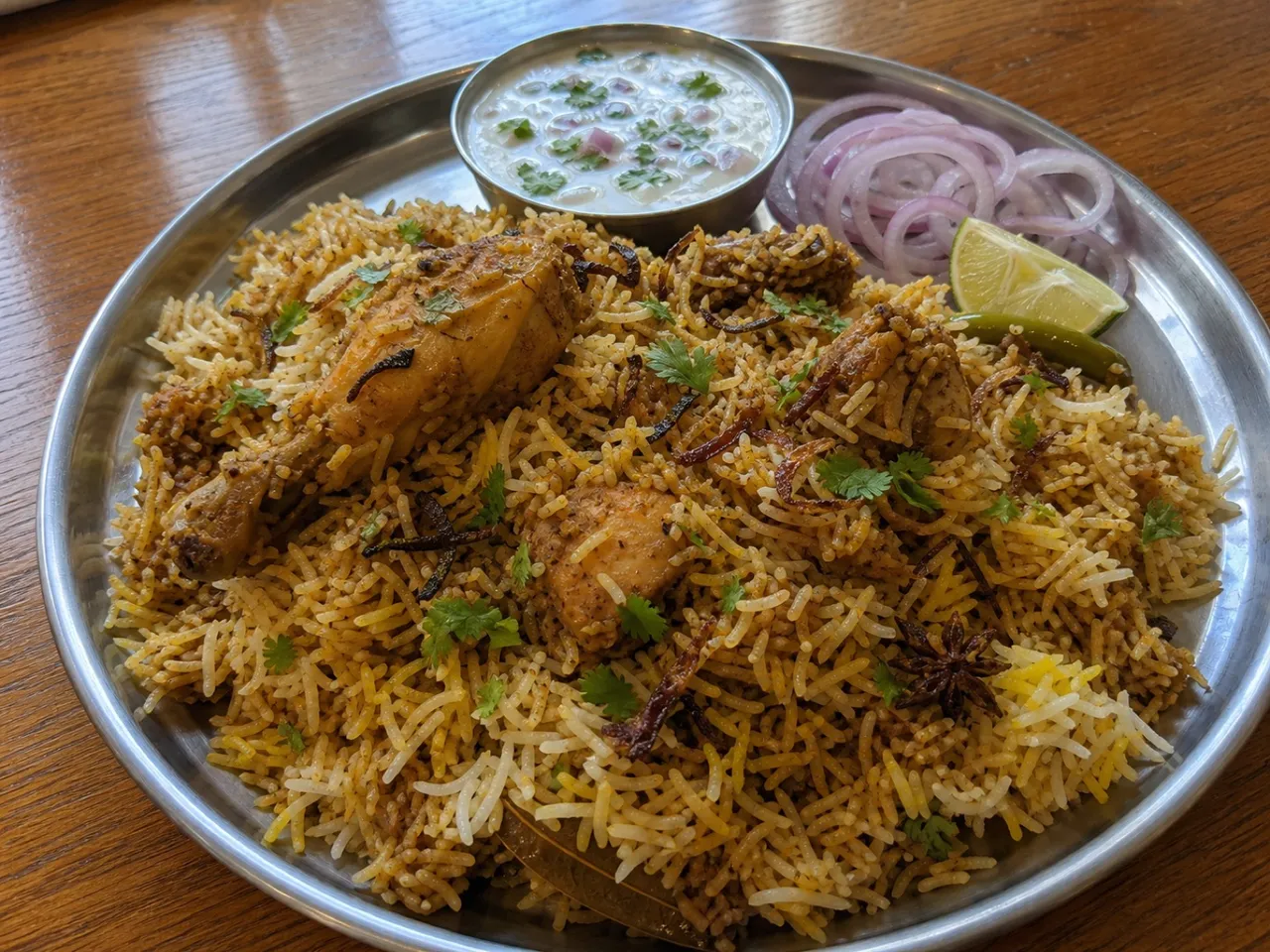 Serving Images are for illustrative purposes only, may be inaccurate, and do not guarantee the presence or absence of specific ingredients.
 Chicken Biryani
Treat yourself to a fragrant, majestic centerpiece of saffron-infused basmati rice, tender spiced chicken, and beautifully caramelized onions.
Contains common allergens
In the app, Listahan checks these against your household automatically.
Instructions
6 steps- 1
Marinate the Chicken: In a large bowl, combine the chicken with yogurt, 1 tbsp ginger-garlic paste, 1 tbsp Biryani masala, 1/2 tsp turmeric, and salt. Cover and refrigerate for at least 1 hour (overnight is best).
- 2
Fry the Onions (Birista): Heat 1/4 cup oil in a skillet over medium heat. Fry the thinly sliced onions slowly until they are deeply caramelized and crispy (about 15-20 minutes). Remove and drain on paper towels.
- 3
Parboil the Rice: Wash the Basmati rice until the water runs clear. Soak for 30 minutes. In a large pot, bring 6 cups of water to a boil with whole spices (2 bay leaves, 4 cloves, 1 cinnamon stick) and 2 tbsp salt. Add the rice and boil exactly 5-6 minutes until 70% cooked (grains should break with a slight snap). Drain immediately.
- 4
Cook the Chicken Base: Heat 2 tbsp ghee in a heavy-bottomed pot (Dutch oven). Add the marinated chicken and half of the fried onions. Cook over medium heat for 10-12 minutes until the chicken is partially cooked and the juices slightly reduce.
- 5
Assemble the Layers: Remove the pot from heat. Spread the parboiled rice evenly over the chicken layer. Drizzle the saffron milk, 2 tbsp of melted ghee, and sprinkle the remaining fried onions and fresh mint leaves on top.
- 6
Dum Cooking (Steaming): Seal the pot tightly with aluminum foil or a dough seal, then place the lid on top. Cook on high heat for 2 minutes to build steam, then lower the heat to the absolute minimum. Cook on 'dum' for 20-25 minutes. Let it rest for 10 minutes before gently fluffing the layers with a fork.
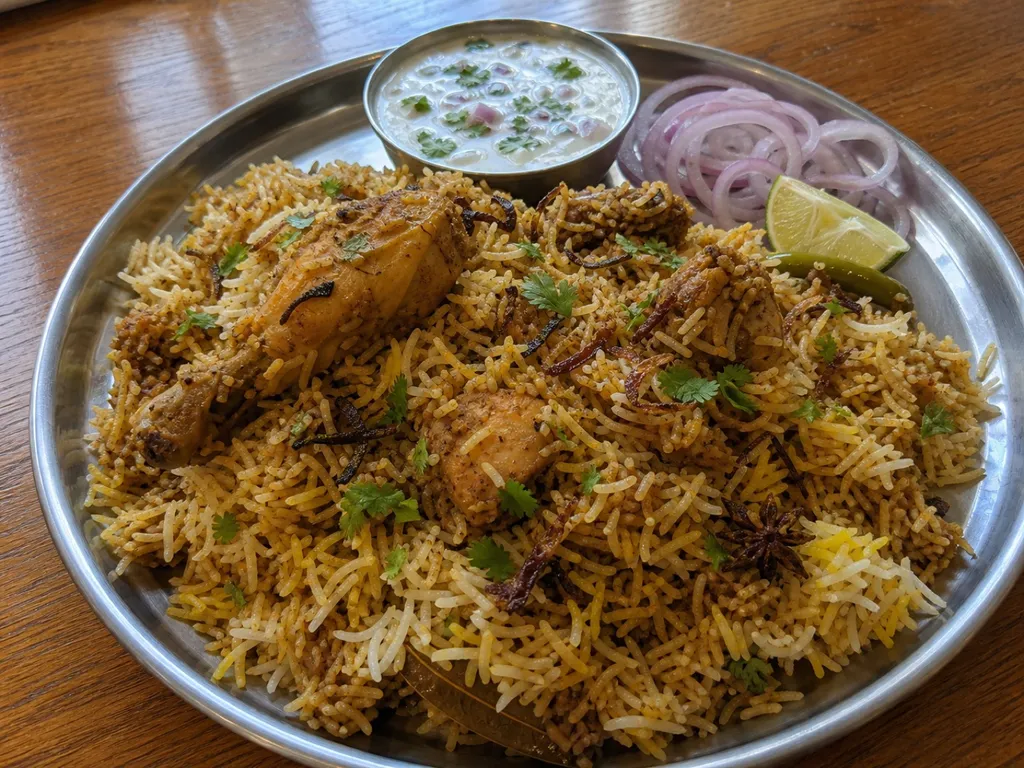 Images are for illustrative purposes only, may be inaccurate, and do not guarantee the presence or absence of specific ingredients.
 Listahan Family Score™
63/100
Works for many families
Score reflects how well this recipe fits a typical busy household. In the app, your Family Score is personalized to your household's allergens, kids, and pantry.
Nutrition
per serving755
Calories
53 g
Protein
82 g
Carbs
23 g
Fat
Estimated per serving. Actual values depend on the brands and portions you use.
Listahan cooking guide
Chef notes & practical guide
Technique notes, ingredient swaps, serve-alongside ideas, storage guidance, and equipment for this recipe.
Cultural context
Biryani traces its lineage to the rice-and-meat preparations of Persia and Central Asia that Mughal imperial kitchens adapted using Indian spices in the 16th century. Regional versions diverged dramatically over time: Hyderabadi biryani cooks raw meat and partially cooked rice together in a sealed pot (dum), while Lucknawi (Awadhi) style pre-cooks meat and rice before layering, producing a more delicate result. The dish became a symbol of celebration and generosity across the Indian subcontinent, always the centerpiece of a feast rather than an everyday meal.
Listahan note
This version uses the dum pukht method — sealing the pot with dough or foil and cooking on low heat — because the trapped steam is what creates the distinctive moist, perfumed rice that sets biryani apart from a simple spiced pilaf.
Technique cues
- Parboil the rice to exactly 70-75% cooked before layering — it should have a white opaque center when you bite into a grain; fully raw or fully cooked rice will not finish correctly in the sealed pot.
- Fry the sliced onions slowly in enough oil to submerge them and stir only occasionally — the goal is uniformly deep golden and crispy, not burnt at the edges and pale in the middle, which is what happens when stirred too much.
- Cook the pot on the lowest possible heat for the final dum stage; place a flat griddle or tawa under the pot to diffuse heat and prevent the bottom layer of rice from scorching.
Kitchen flow
- Parallel prep
- Marinate the chicken the night before so you only need to fry onions, parboil rice, and assemble on the day of cooking — this reduces active cook time to under an hour.
- Make-ahead
- The chicken can be fully cooked and the fried onions prepared 2 days ahead; parboil the rice and assemble the layered pot on the day of serving.
- Leftover move
- Leftover biryani is excellent reheated in a sealed pot with a tablespoon of water over low heat; the steam revives the rice texture far better than a microwave.
- Cleanup rhythm
- Soak the biryani pot immediately after serving while it is still warm — the stuck rice at the bottom lifts easily in warm water and is considered a cook's treat, called 'socarrat.'
Ingredient brief
Role, handling, and swap guidance for each key ingredient.
basmati rice
primary grain
Purpose: Long-grain basmati stays separate and fluffy under the dum steam; short- or medium-grain rice becomes sticky and clumps.
Handling: Soak in cold water for 30 minutes before parboiling — soaking reduces cook time and prevents the outer starch from bursting before the interior is cooked.
Adaptation: Aged basmati produces longer grains and a more pronounced aroma; regular long-grain rice works but lacks the fragrance.
bone-in chicken pieces
protein
Purpose: Bone-in pieces release gelatin and flavor during the sealed dum cook that boneless cannot replicate, and they stay moist where breast meat would dry out.
Handling: Score the chicken deeply so the marinade penetrates to the bone.
Adaptation: Boneless thighs work well if you prefer easier serving; add 10 minutes to the initial marinated chicken cook.
full-fat yogurt
marinade and tenderizer
Purpose: Yogurt tenderizes the chicken and adds a subtle tang that balances the richness of the fried onions and ghee.
Handling: Mix with spices and coat chicken at least 2 hours ahead, ideally overnight in the refrigerator.
Adaptation: Sour cream thinned with a little water provides a similar tang and fat content.
fried onions (birista)
primary flavor builder
Purpose: Deeply caramelized crispy onions are the foundational flavor of biryani — they melt into both the marinade and the rice, providing a sweet-savory depth.
Handling: Fry in batches in hot oil over medium-low heat until uniformly golden-brown and crispy; drain on paper towels as they continue to darken slightly after removal.
Adaptation: Store-bought fried onions (available at South Asian grocery stores) save 20 minutes and are an acceptable convenience.
whole spices (cardamom, cloves, cinnamon, star anise)
aromatic layer
Purpose: Whole spices bloom in the ghee at the start and again layer into the parboiling water, infusing both the chicken and rice with fragrance.
Handling: Lightly crack cardamom pods and break cinnamon in half so the interior is exposed to the cooking fat.
Adaptation: A teaspoon of biryani masala powder added to the marinade can substitute if whole spices are unavailable, though it produces less distinct aromatic notes.
Technique notes
- Dissolve a large pinch of saffron in 2 tablespoons of warm milk and drizzle over the top rice layer before sealing — it creates the characteristic golden streaks when the pot is opened at the table.
- The weight you place on the sealed pot lid is not decorative; it presses the seal shut so the steam cannot escape, which is what cooks the top layer of rice.
- Open the dum pot at the table so guests experience the full release of the trapped aromatic steam — the presentation moment is part of the dish's identity.
Ingredient swaps
- Dairy-free direction
- Replace yogurt in the marinade with coconut yogurt and use neutral oil instead of ghee for the layering; the flavor is lighter but still complex.
- Weeknight shortcut
- Cook the spiced chicken in the Instant Pot on pressure for 8 minutes, then layer with parboiled rice and seal with foil for 15 minutes of residual heat to finish the dum.
Serve alongside
- cucumber raita
- salan (thin peanut-sesame gravy)
- pickled lemon
- rose sharbat
- cold salty lassi
- sparkling water with mint
Serving suggestions only — check pairings for your household's allergens.
Storage & reheating
- Refrigerate in a sealed container for up to 3 days; the flavors continue to develop overnight.
- Reheat in a covered pot with 2 tablespoons of water over low heat for 10-12 minutes — the added water steams the rice back to life without making it soggy.
Equipment
- heavy-bottomed pot with a tight-fitting lid for the dum stage
- tawa or flat griddle to diffuse heat under the pot
- large wide pot for parboiling the rice with enough space so grains cook evenly
Make this household-aware
Listahan Pro checks this recipe against your household's allergens, finds pantry-aware swaps, builds the shopping list, and helps you plan the week around it.
Plan it in Listahan
Add Chicken Biryani to your week, check it against your household's allergens, and build the shopping list automatically.
More Indian recipes
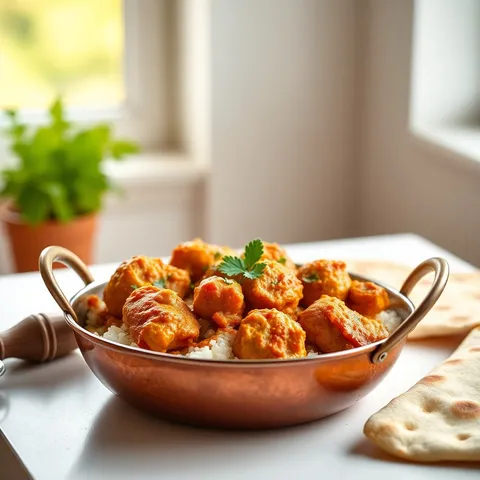 Indian Lens Verified Images are for illustrative purposes only, may be inaccurate, and do not guarantee the presence or absence of specific ingredients.
 Chicken Tikka Masala
Indulge in succulent, yogurt-marinated chicken chunks roasted to perfection and enveloped in a luscious, deeply spiced tomato-cream sauce.
 Indian Lens Verified Images are for illustrative purposes only, may be inaccurate, and do not guarantee the presence or absence of specific ingredients.
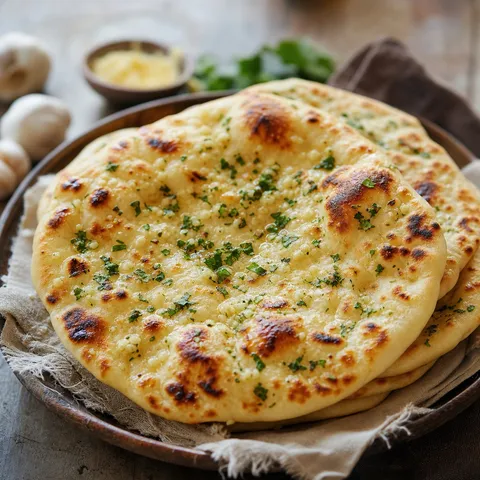
 Garlic Naan
Tear into this piping hot, blistered flatbread packed with aromatic garlic and brushed generously with irresistible melted butter.
 Indian Lens Verified Images are for illustrative purposes only, may be inaccurate, and do not guarantee the presence or absence of specific ingredients.
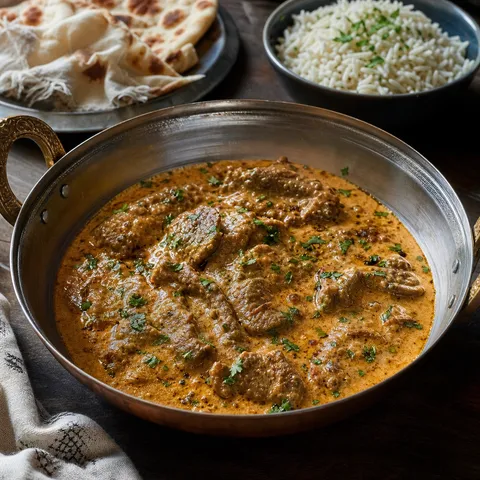
 Lamb Pasanda
A rich Mughlai dish made with flattened lamb steaks in a creamy almond sauce.