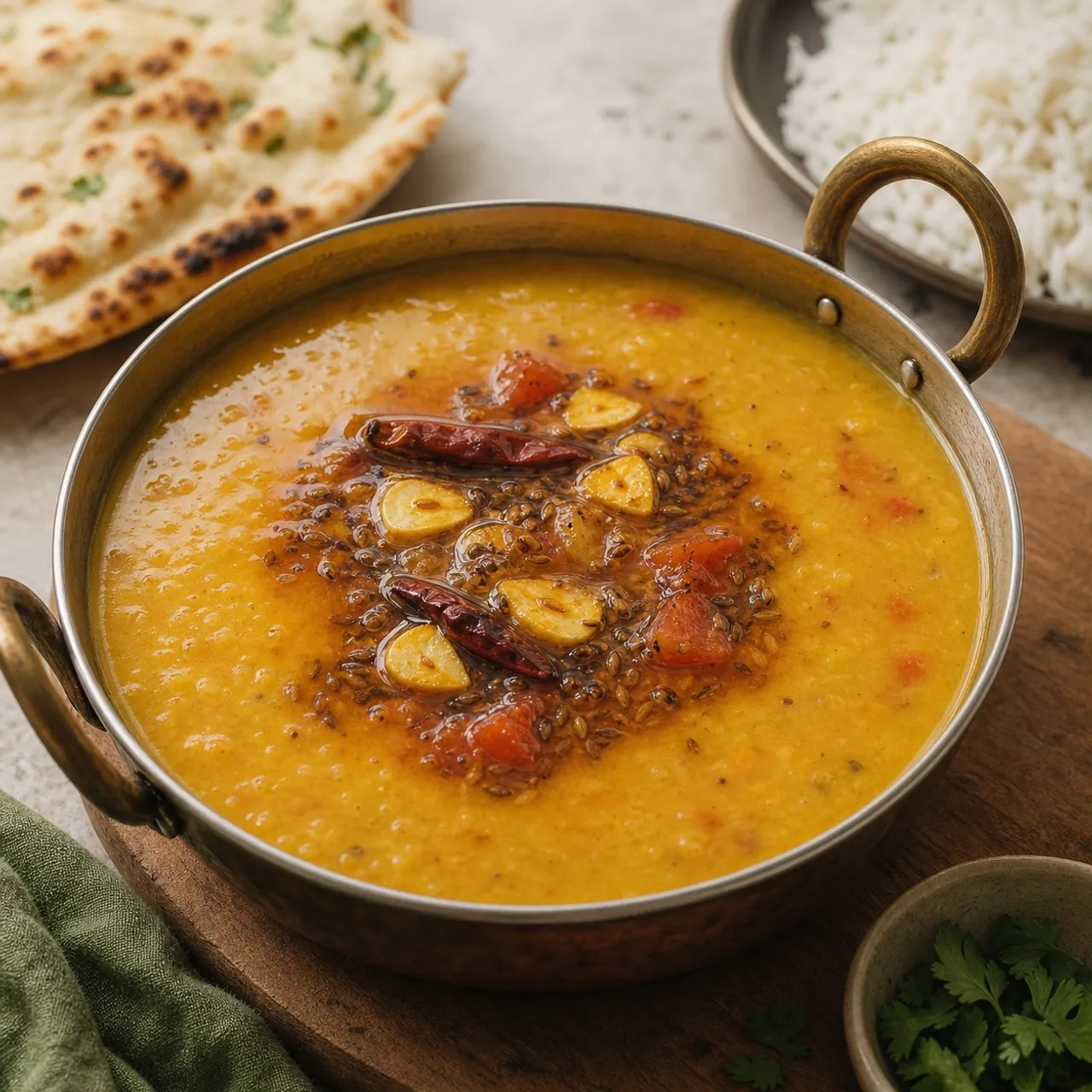
 Indian Images are for illustrative purposes only, may be inaccurate, and do not guarantee the presence or absence of specific ingredients.
 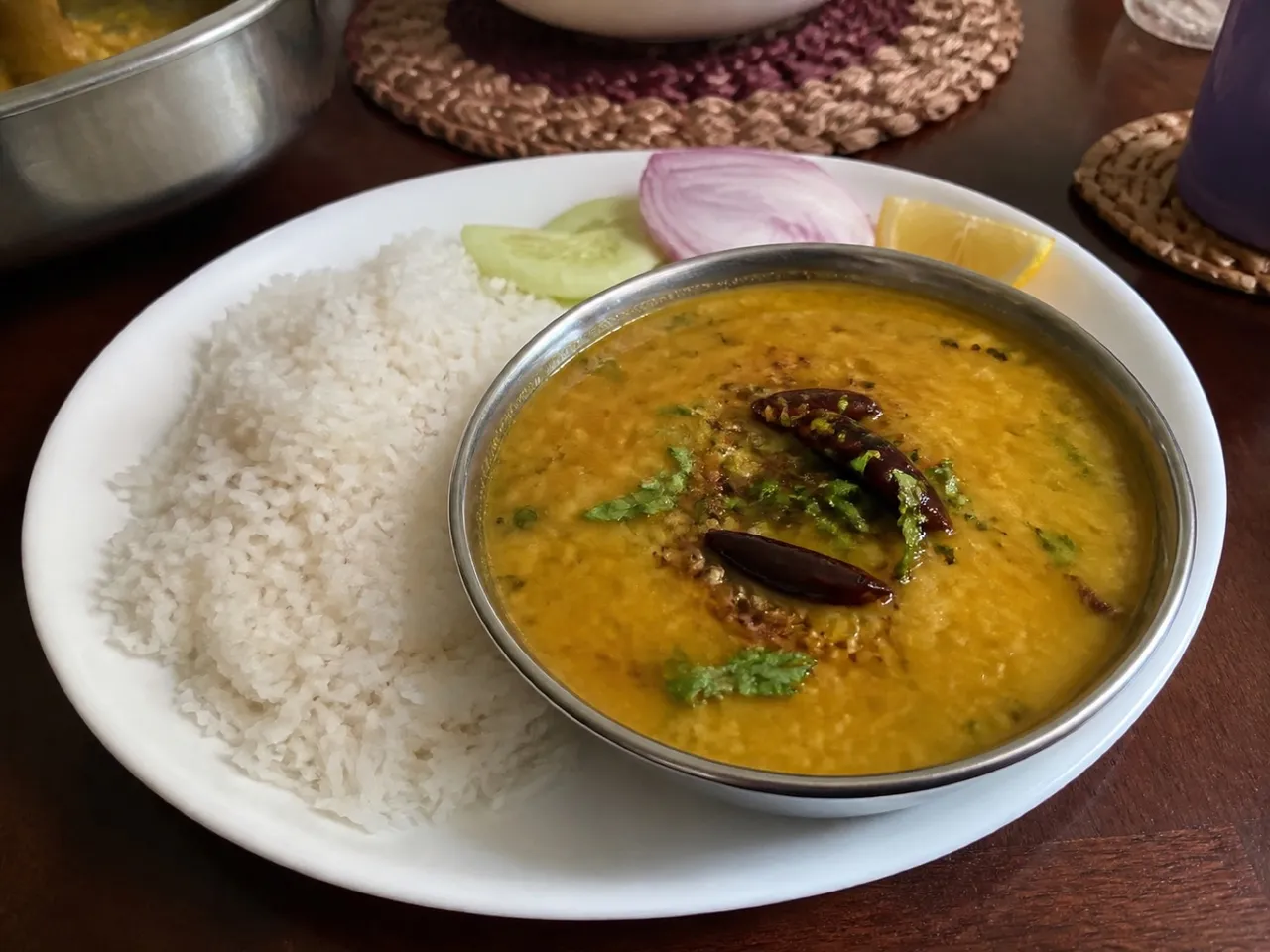 Serving Images are for illustrative purposes only, may be inaccurate, and do not guarantee the presence or absence of specific ingredients.
 Dal Tadka
Yellow lentils cooked until mushy and tempered with spices and garlic.
Contains common allergens
In the app, Listahan checks these against your household automatically.
Good to know
- Ready in under 30 minutes
Matched from this dish's own ingredients and timing. Browse more: 30-minute meals
Instructions
6 steps- 1
Wash and Boil Dal: Rinse the lentils thoroughly. Place them in a pressure cooker with 2.5 cups of water, 1/2 tsp turmeric, and the chopped tomato. Cook for 4-5 whistles until the lentils are completely soft.
- 2
Mash the Dal: Open the cooker once the pressure drops naturally. Use a whisk to vigorously mash the dal into a smooth, soupy consistency. Season with salt. If it's too thick, add a little hot water and simmer for 2 minutes.
- 3
Prepare the Tadka (Tempering): Heat the 2 tbsp of ghee in a small pan over medium heat. This step is crucial for the dish's signature flavor.
- 4
Sizzle the Spices: Add the cumin seeds and let them crackle. Immediately add the thinly sliced garlic and sauté until the edges turn golden brown (do not let it burn).
- 5
Add Chilies: Turn off the heat. Throw in the dried red chilies, a pinch of asafoetida (hing), and 1/2 tsp of Kashmiri red chili powder for color. Swirl the pan for 5 seconds.
- 6
Pour and Serve: Pour the sizzling, aromatic ghee directly into the cooked dal. Cover the pot immediately to trap the aromas for 2 minutes. Stir, garnish with cilantro, and serve over rice.
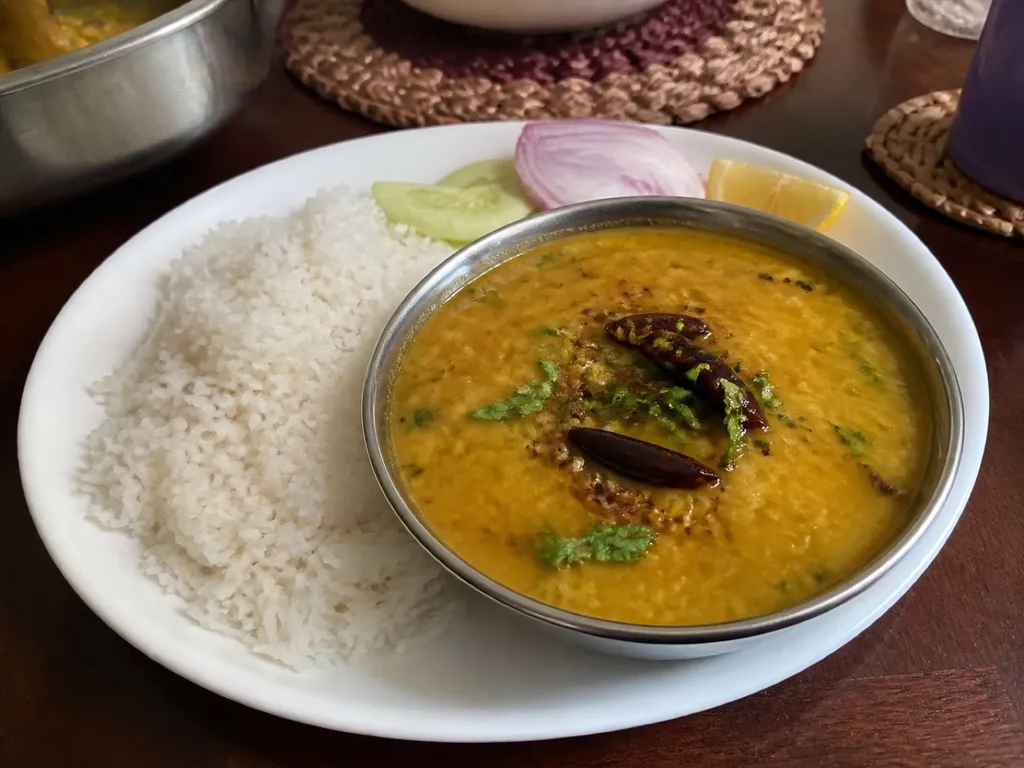 Images are for illustrative purposes only, may be inaccurate, and do not guarantee the presence or absence of specific ingredients.
 Listahan Family Score™
63/100
Works for many families
Score reflects how well this recipe fits a typical busy household. In the app, your Family Score is personalized to your household's allergens, kids, and pantry.
Nutrition
per serving100
Calories
2 g
Protein
7 g
Carbs
7 g
Fat
Estimated per serving. Actual values depend on the brands and portions you use.
Listahan cooking guide
Chef notes & practical guide
Technique notes, ingredient swaps, serve-alongside ideas, storage guidance, and equipment for this recipe.
Cultural context
Dal tadka is one of the most widely eaten dishes in India, found on the menus of roadside dhabas (truck-stop restaurants) and five-star hotel buffets alike. The name refers specifically to the tempering technique (tadka or chaunk) — spices crackled in hot fat and poured directly over cooked lentils — which is the defining step that separates a dish of boiled lentils from proper dal. Yellow lentils (toor or moong) are most common, and the tadka typically includes cumin seeds, dried red chilies, and garlic. The simplicity is deliberate: dal tadka is not trying to be complex; it is trying to be satisfying, which it achieves with remarkable consistency.
Listahan note
This version makes the tadka in ghee (not oil) and pours it over the dal at the table rather than stirring it in, because the sizzle and aroma at serving is as much a part of the experience as the taste.
Technique cues
- Cook the lentils until they are fully broken down into a thick, porridge-like consistency before adjusting seasoning — undercooked lentils with still-firm centers absorb the tadka poorly and taste starchy rather than creamy.
- Make the tadka in a small separate pan and ensure the ghee is smoking before adding the cumin seeds; if the fat is not hot enough, the spices will steep rather than crackle, and you lose the toasted, sharp aroma that makes tadka distinctive.
- Season the dal aggressively with salt — lentils are notorious for absorbing large amounts of salt, and underseasoned dal tastes flat no matter how good the tadka is; taste and adjust after the lentils are fully cooked.
Kitchen flow
- Parallel prep
- Prep the tadka ingredients (slice garlic, measure spices, have ghee and small pan ready) while the lentils finish cooking, so the tadka can be made and poured in the same motion as serving.
- Make-ahead
- Cook the lentils fully up to 3 days ahead and refrigerate; make fresh tadka each time you serve, as pre-made tadka loses its aroma within 30 minutes.
- Leftover move
- Thin leftover dal with a cup of water and vegetable broth and simmer for 10 minutes to make a deeply flavorful soup; top with a small fresh tadka and serve with crusty bread.
- Cleanup rhythm
- The tadka pan cleans easily while still hot with a brief hot-water soak; do it immediately after pouring to prevent the spices from baking onto the pan surface.
Ingredient brief
Role, handling, and swap guidance for each key ingredient.
toor dal (split pigeon peas)
main ingredient
Purpose: Toor dal has a creamy, slightly earthy flavor and breaks down to a naturally thick consistency without needing blending.
Handling: Rinse 3-4 times until the water runs clear; soaking for 30 minutes reduces cooking time and improves digestibility.
Adaptation: Moong dal (split yellow lentils) cooks faster and produces a lighter, milder dal; masoor dal (red lentils) is the quickest-cooking option and produces a silkier, slightly sweeter result.
ghee
tadka fat and flavor
Purpose: Ghee has a higher smoke point than butter and contributes a nutty, rich aroma to the tadka that is a signature element of authentic dal tadka.
Handling: Use good-quality, deeply golden ghee for the best flavor; pale or low-quality ghee has less of the characteristic nuttiness.
Adaptation: Neutral oil (avocado or sunflower) works functionally; coconut oil adds a subtle sweetness that is unusual but not unpleasant.
cumin seeds
primary tempering spice
Purpose: Cumin seeds crackled in hot ghee are the signature aroma and flavor of dal tadka; the blooming releases warm, earthy volatile oils that are entirely different from ground cumin.
Handling: Add to the hottest ghee just before it starts to smoke; they should sizzle and darken in 15-20 seconds.
Adaptation: Mustard seeds can substitute for a South Indian variation with a sharper, more pungent note.
dried red chili
heat and visual contrast
Purpose: A whole dried red chili added to the tadka infuses the ghee with background heat and provides a dramatic visual element when poured over the pale lentils.
Handling: Break in half for more heat or leave whole for milder; add to ghee with cumin seeds and cook just until darkened.
Adaptation: Red chili flakes stirred directly into the dal provide similar heat for those who prefer not to deal with whole chilies while eating.
garlic
pungent aromatic
Purpose: Thinly sliced garlic added to the tadka toasts to a golden, nutty state that provides a sharp, savory counterpoint to the mild lentils.
Handling: Slice paper thin rather than chopping; thin slices toast evenly and become slightly crispy in the hot ghee.
Adaptation: Garlic powder added directly to the dal provides flavor without the crispy garlic element; hing (asafoetida) — just a pinch — can replace garlic in Jain cooking where alliums are avoided.
Technique notes
- A double tadka — one made at the beginning and cooked into the lentils, and a second made fresh at serving — gives the dish both integrated spice depth and vivid fresh-bloom aroma simultaneously.
- Mash about a quarter of the fully cooked lentils against the pot with the back of a spoon before adjusting consistency; this creates a creamier base while leaving visible whole lentils for textural interest.
- Adding a small piece of dried kokum (sour fruit) or a squeeze of lime to the cooked lentils brightens the entire dish and compensates for any flatness in the spice base.
Ingredient swaps
- Vegan direction
- Replace ghee with refined coconut oil or a good-quality neutral oil; the tadka will lack the nutty butter note but the sizzle and spice bloom will still be excellent.
- Gluten-free direction
- Dal tadka is naturally gluten-free; serve with rice or rice-based flatbreads if celiac disease is a concern.
- Lower-sodium direction
- Salt the lentils in two stages — half during cooking and half after tasting — rather than salting at the beginning, which can toughen the skins before they fully hydrate.
Serve alongside
- Steamed white rice
- Jeera rice
- Phulka flatbread
- Pickle and papadum
- Chaas (salted spiced buttermilk)
- Room-temperature water with a lime wedge
- Light lager or wheat beer
Serving suggestions only — check pairings for your household's allergens.
Storage & reheating
- Dal tadka keeps refrigerated in an airtight container for up to 4 days and thickens substantially; add water when reheating and stir well — the lentils will absorb the added water as they heat.
- Freeze in portions for up to 3 months; thaw overnight and reheat on the stovetop rather than the microwave for the best rehydrated texture, always making a fresh tadka to pour over before serving.
Equipment
- Pressure cooker or Instant Pot for cooking lentils in 8-10 minutes rather than 40 (the most significant time-saving tool for dal cooking)
- Small heavy-bottomed tadka pan or ladle with a long handle for making and pouring the tempering
- Potato masher for roughly crushing some of the lentils to adjust consistency
- Fine mesh sieve for rinsing lentils efficiently
Make this household-aware
Listahan Pro checks this recipe against your household's allergens, finds pantry-aware swaps, builds the shopping list, and helps you plan the week around it.
Plan it in Listahan
Add Dal Tadka to your week, check it against your household's allergens, and build the shopping list automatically.
More Indian recipes
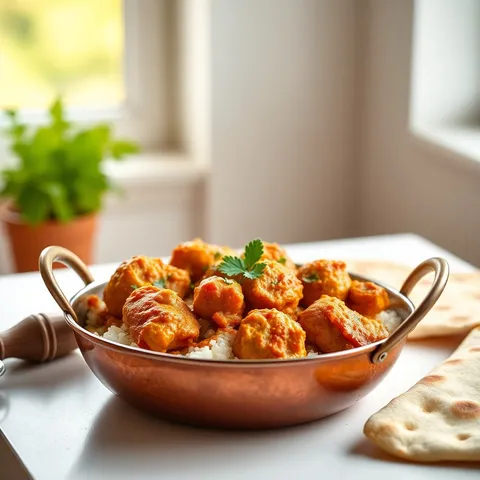 Indian Lens Verified Images are for illustrative purposes only, may be inaccurate, and do not guarantee the presence or absence of specific ingredients.
 Chicken Tikka Masala
Indulge in succulent, yogurt-marinated chicken chunks roasted to perfection and enveloped in a luscious, deeply spiced tomato-cream sauce.
 Indian Lens Verified Images are for illustrative purposes only, may be inaccurate, and do not guarantee the presence or absence of specific ingredients.
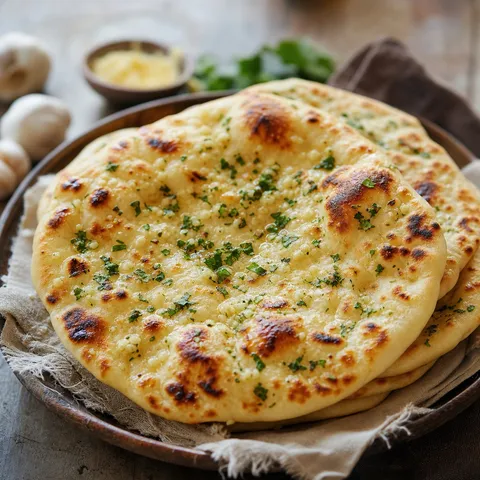
 Garlic Naan
Tear into this piping hot, blistered flatbread packed with aromatic garlic and brushed generously with irresistible melted butter.
 Indian Lens Verified Images are for illustrative purposes only, may be inaccurate, and do not guarantee the presence or absence of specific ingredients.
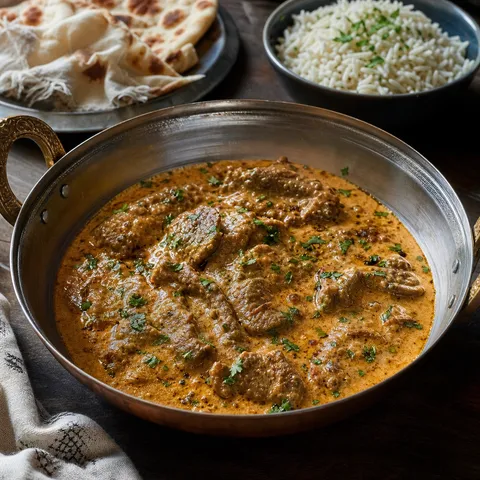
 Lamb Pasanda
A rich Mughlai dish made with flattened lamb steaks in a creamy almond sauce.