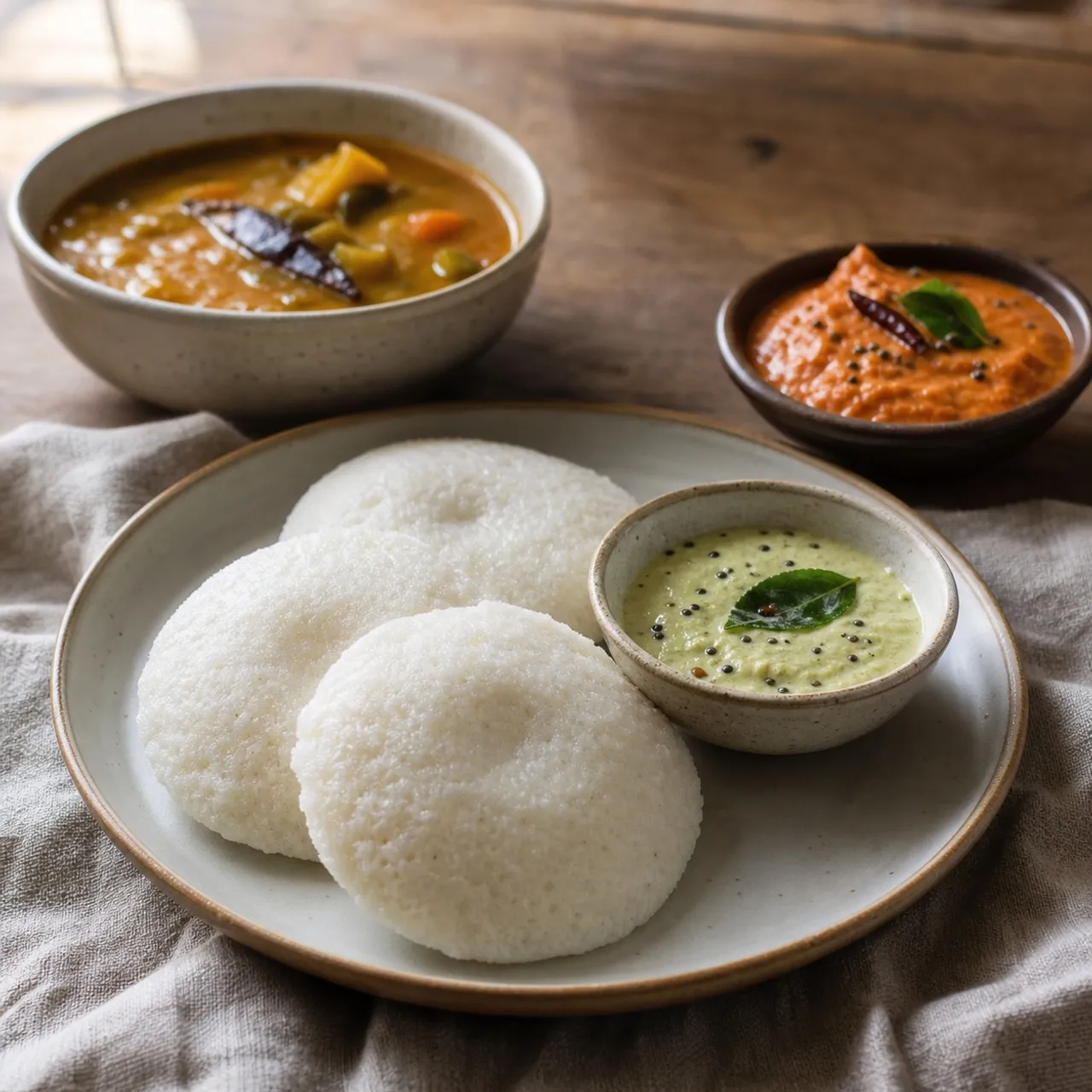
 Indian Images are for illustrative purposes only, may be inaccurate, and do not guarantee the presence or absence of specific ingredients.
 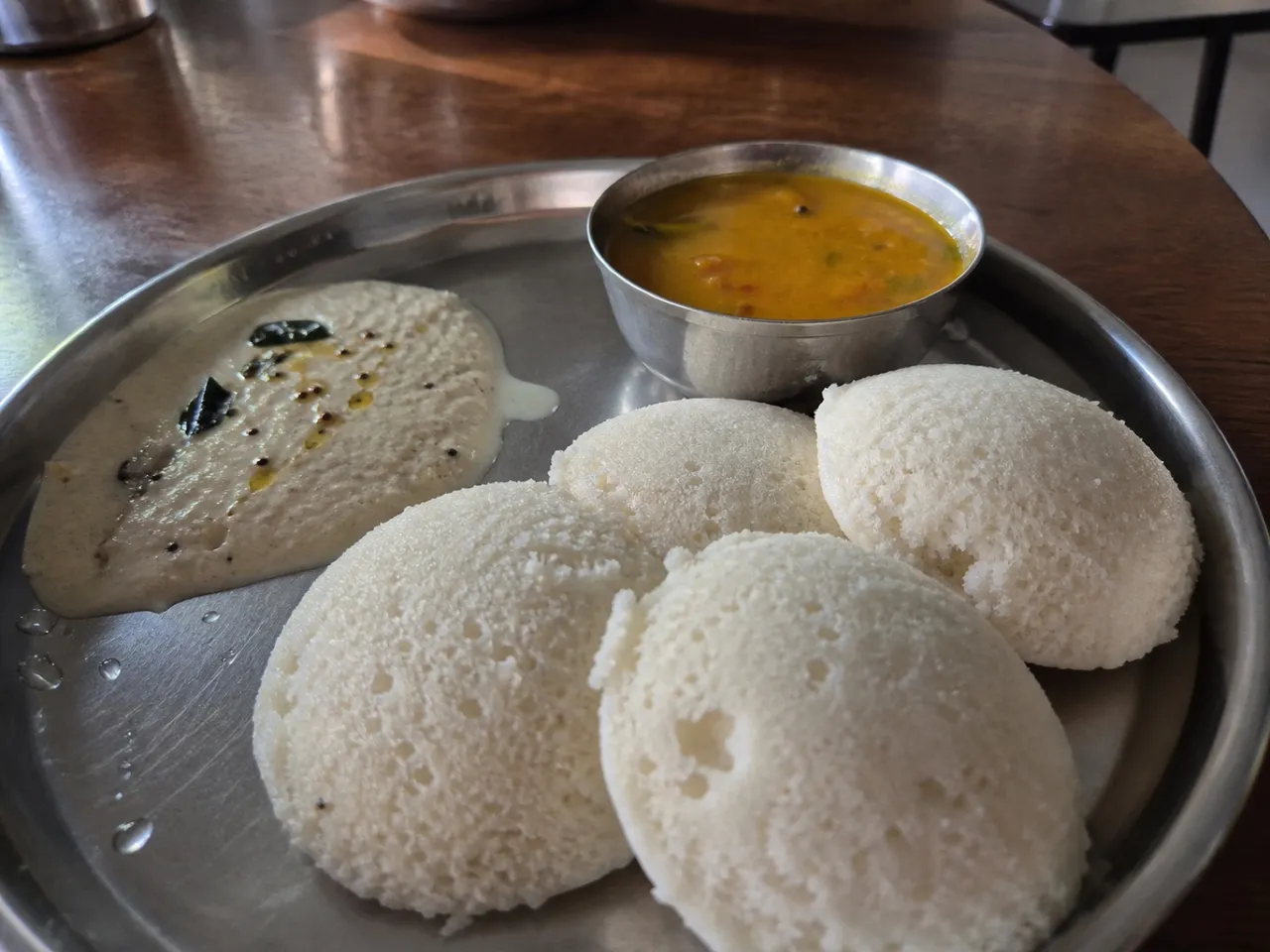 Serving Images are for illustrative purposes only, may be inaccurate, and do not guarantee the presence or absence of specific ingredients.
 Idli
Start your day with these incredibly soft, pillowy steamed rice cakes, perfect for soaking up hot sambhar and vibrant chutneys.
No common allergens detected
Based on this recipe's ingredient list. Always verify with your own brands and labels.
Instructions
6 steps- 1
Wash and Soak: Rinse the rice and urad dal separately until the water runs clear. Soak the rice in one bowl and the urad dal along with fenugreek seeds in another. Soak for 4-6 hours.
- 2
Grind to Batter: Drain the water. In a wet grinder or heavy-duty blender, grind the urad dal first until it becomes extremely fluffy and smooth, using ice-cold water as needed. Transfer to a large vessel. Next, grind the rice to a slightly coarse, sandy texture.
- 3
Mix and Ferment: Combine the rice and dal batters using your clean hand (the warmth aids fermentation). Add 1 tsp of non-iodized salt and mix well. The batter should be thick but pourable. Cover and let it ferment in a warm, draft-free place for 8-12 hours until it rises and becomes frothy.
- 4
Prepare the Steamer: Gently stir the fermented batter once (do not over-mix). Fill a steamer or large pot with 1-2 inches of water and bring to a rolling boil.
- 5
Mold the Idlis: Lightly grease the idli plates with sesame oil or ghee. Pour a ladleful of batter into each mold, filling them about 3/4 full to allow room for expansion.
- 6
Steam: Place the stand in the steamer, cover tightly, and steam on medium heat for 10-12 minutes. Turn off the heat, let it rest for 2 minutes, then use a wet spoon to gently scoop the fluffy idlis out of the molds. Serve hot.
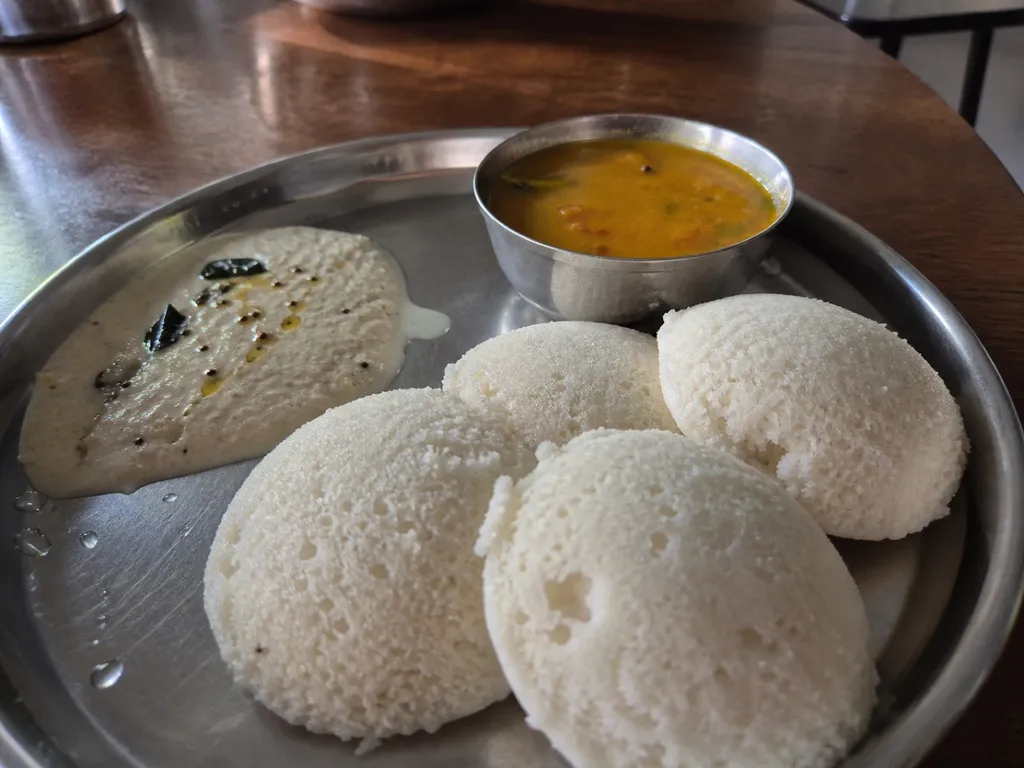 Images are for illustrative purposes only, may be inaccurate, and do not guarantee the presence or absence of specific ingredients.
 Listahan Family Score™
75/100
Good fit for most families
Score reflects how well this recipe fits a typical busy household. In the app, your Family Score is personalized to your household's allergens, kids, and pantry.
Nutrition
per serving730
Calories
17 g
Protein
158 g
Carbs
2 g
Fat
Estimated per serving. Actual values depend on the brands and portions you use.
Listahan cooking guide
Chef notes & practical guide
Technique notes, ingredient swaps, serve-alongside ideas, storage guidance, and equipment for this recipe.
Cultural context
Idli is one of the oldest fermented foods in Indian culinary history, with textual references dating to at least the 10th century in Kannada literature. The steamed rice-and-lentil cake likely evolved from similar preparations in Southeast Asia and was adapted into the South Indian temple-food tradition because it is naturally free of strong spices and suitable for ritual eating. Today idli is the most common breakfast food in Tamil Nadu, Karnataka, and Andhra Pradesh and has become the default comparison point for any discussion of healthful, light South Indian cooking.
Listahan note
This version calls attention to the temperature and time of fermentation because the idli batter is more finicky than dosa batter — even slight under-fermentation results in dense, gummy cakes rather than the soft, slightly sour, pillowy texture idli is known for.
Technique cues
- The batter must rise visibly in the container — look for it to at least double in volume and develop a sour smell before steaming; a thin batter that has not risen will produce flat, dense idlis that stick to the mold.
- Fill the idli molds only three-quarters full, not to the rim — the batter expands significantly during steaming and overfilled molds produce rounded tops that do not unmold cleanly.
- Steam for exactly 10-12 minutes over high heat and do not open the lid during steaming; steam escaping from a prematurely opened lid causes the idlis to collapse in the center.
Kitchen flow
- Parallel prep
- Soak the rice and urad dal (in separate bowls) the evening before, grind in the morning before work, and allow to ferment all day — no active effort is required during fermentation.
- Make-ahead
- Fermented batter keeps refrigerated for up to 5 days and can be steamed batch by batch each morning; the batter becomes more sour with each day, which many cooks prefer.
- Leftover move
- Day-old idlis can be cut into cubes and pan-fried with oil and podi (gunpowder spice mix) for a crispy second-day preparation called fried idli that is as good as the original.
- Cleanup rhythm
- Lightly oil the idli molds before each batch with a few drops of oil wiped on with a cloth; idlis that are allowed to cool slightly before removal come out cleanly and leave the molds easy to rinse.
Ingredient brief
Role, handling, and swap guidance for each key ingredient.
idli rice (parboiled rice)
primary grain
Purpose: Parboiled idli rice produces softer, fluffier cakes than raw rice because the parboiling process partially breaks down the starch into a more fermentable form.
Handling: Soak for at least 4 hours in cold water before grinding; longer soaking (6-8 hours) produces a better fermentation.
Adaptation: Cream of rice (fine rice grits) can be used instead of soaking and grinding whole rice, reducing prep time significantly.
whole urad dal
leavening and protein
Purpose: Urad dal provides the proteins that ferment and create the slight sour lift in the finished cake; the skin-on whole version ferments more actively than split or skinless.
Handling: Soak separately from the rice for at least 4 hours and grind to an airy, slightly fluffy paste — the aeration from thorough grinding is what makes the idlis light.
Adaptation: Skinless split urad dal works but produces a slightly denser, paler cake.
fenugreek seeds
fermentation booster
Purpose: Even a small quantity of fenugreek seeds added to the urad dal during soaking accelerates fermentation and adds a subtle bitterness that defines authentic idli flavor.
Handling: Add 1/4 teaspoon to the urad dal before soaking; they will grind into the batter and become imperceptible.
Adaptation: Omit if unavailable; fermentation will be slightly slower and the flavor slightly blander.
non-iodized salt
flavor and fermentation
Purpose: Salt added to the batter after grinding enhances flavor; non-iodized is specified because iodized salt inhibits the bacterial culture that drives fermentation.
Handling: Add just before leaving to ferment, not before grinding — salt in the grinder can affect the culture timing.
Adaptation: Sea salt is a safe substitute; table salt with iodine should be avoided.
Technique notes
- The wet-grind method using a stone grinder or blender adds water gradually while grinding to create a batter that is smooth and slightly aerated — the aeration built into the grinding is distinct from the fermentation leavening and contributes to the final lightness.
- Idli batter should be thick enough to coat the back of a spoon thickly but thin enough to pour slowly — thinner than this and the idlis spread in the mold; thicker and they come out dense.
- Serve idlis immediately after steaming with sambar poured on at the table rather than over the cake in the kitchen — pre-sauced idlis become waterlogged and lose the light spongy texture that is their reason for being.
Ingredient swaps
- Weeknight shortcut
- Use a commercial idli-dosa batter available at South Asian grocery stores; it is pre-fermented and ready to steam without any soaking, grinding, or waiting.
- Gluten-free direction
- Traditional idli is naturally gluten-free; the only potential concern is if instant rava (semolina) idli mixes are used, which may contain wheat — read labels carefully.
Serve alongside
- sambar (lentil-vegetable soup)
- coconut chutney
- tomato chutney
- South Indian filter coffee
- masala chai
Serving suggestions only — check pairings for your household's allergens.
Storage & reheating
- Steamed idlis keep in an airtight container at room temperature for up to 6 hours or refrigerated for up to 2 days; reheat by steaming for 3-4 minutes rather than microwaving.
- The batter can be refrigerated for up to 5 days; stir gently before each use to redistribute the settled starch without deflating the fermentation bubbles.
Equipment
- idli steamer or multi-tiered idli stand that fits inside a large pot with a tight lid
- wet blender or stone grinder for smooth, aerated batter
- large pot with a well-fitting lid for steaming
Make this household-aware
Listahan Pro checks this recipe against your household's allergens, finds pantry-aware swaps, builds the shopping list, and helps you plan the week around it.
Plan it in Listahan
Add Idli to your week, check it against your household's allergens, and build the shopping list automatically.
More Indian recipes
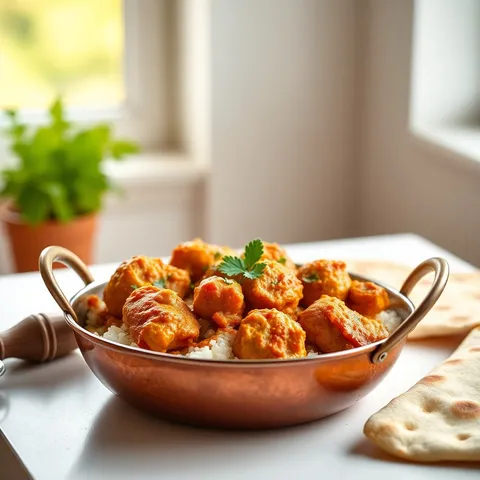 Indian Lens Verified Images are for illustrative purposes only, may be inaccurate, and do not guarantee the presence or absence of specific ingredients.
 Chicken Tikka Masala
Indulge in succulent, yogurt-marinated chicken chunks roasted to perfection and enveloped in a luscious, deeply spiced tomato-cream sauce.
 Indian Lens Verified Images are for illustrative purposes only, may be inaccurate, and do not guarantee the presence or absence of specific ingredients.
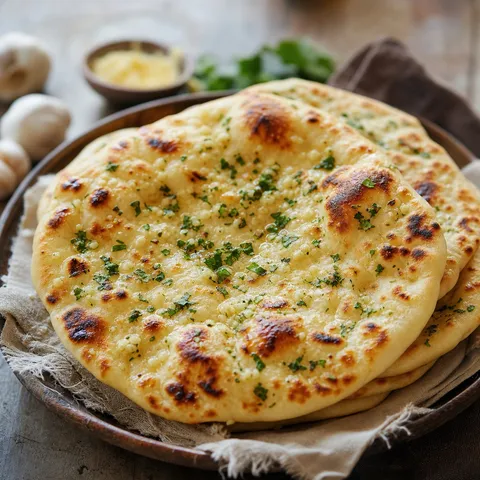
 Garlic Naan
Tear into this piping hot, blistered flatbread packed with aromatic garlic and brushed generously with irresistible melted butter.
 Indian Lens Verified Images are for illustrative purposes only, may be inaccurate, and do not guarantee the presence or absence of specific ingredients.
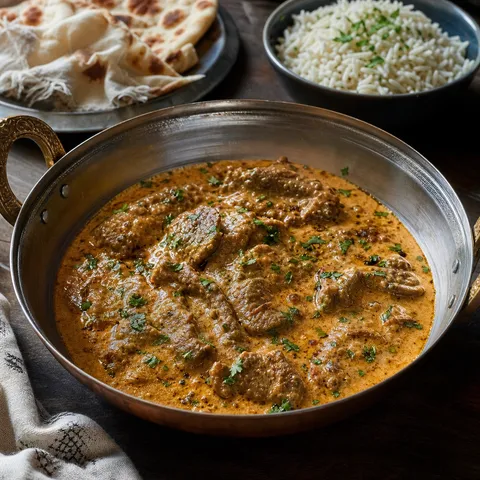
 Lamb Pasanda
A rich Mughlai dish made with flattened lamb steaks in a creamy almond sauce.