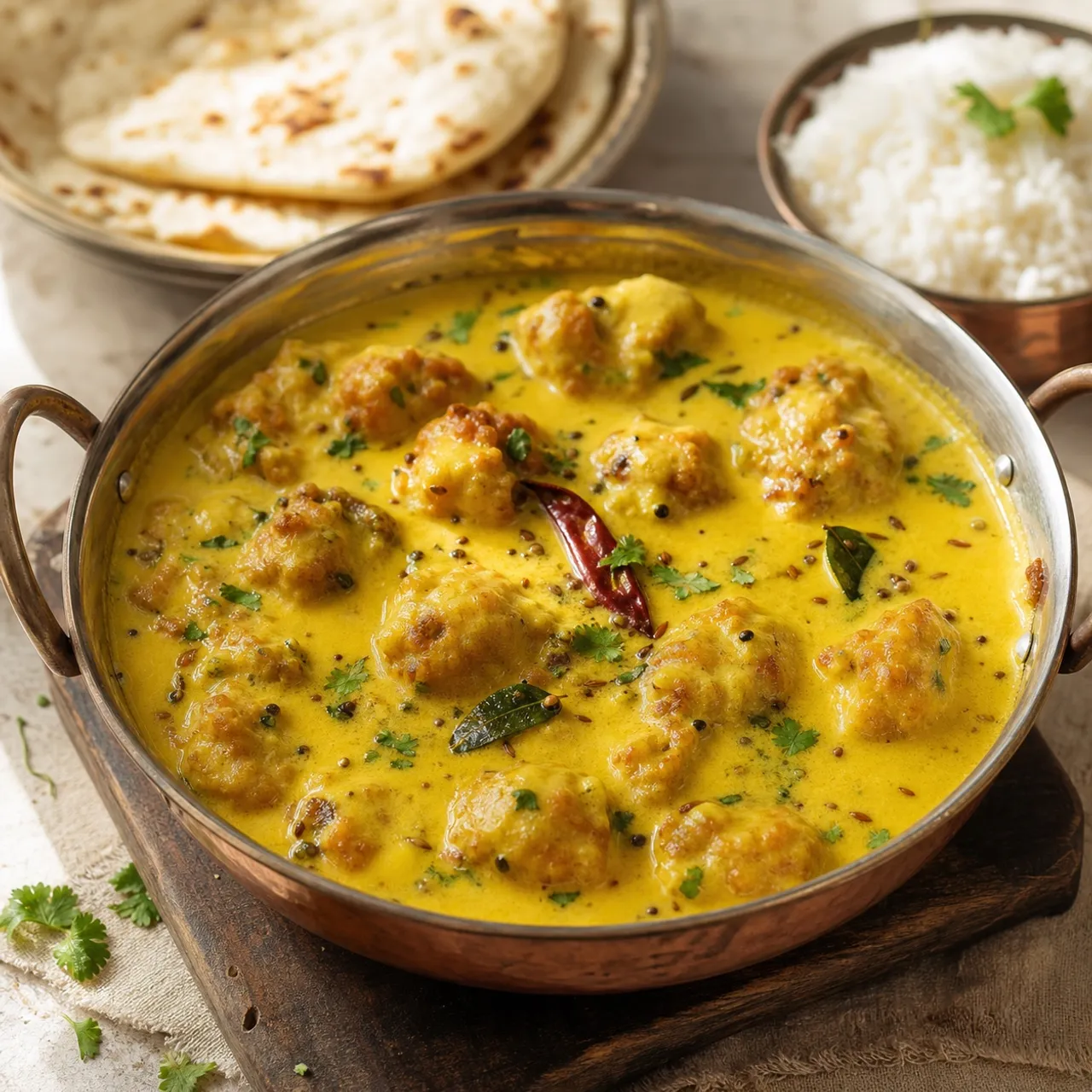
 Indian Images are for illustrative purposes only, may be inaccurate, and do not guarantee the presence or absence of specific ingredients.
 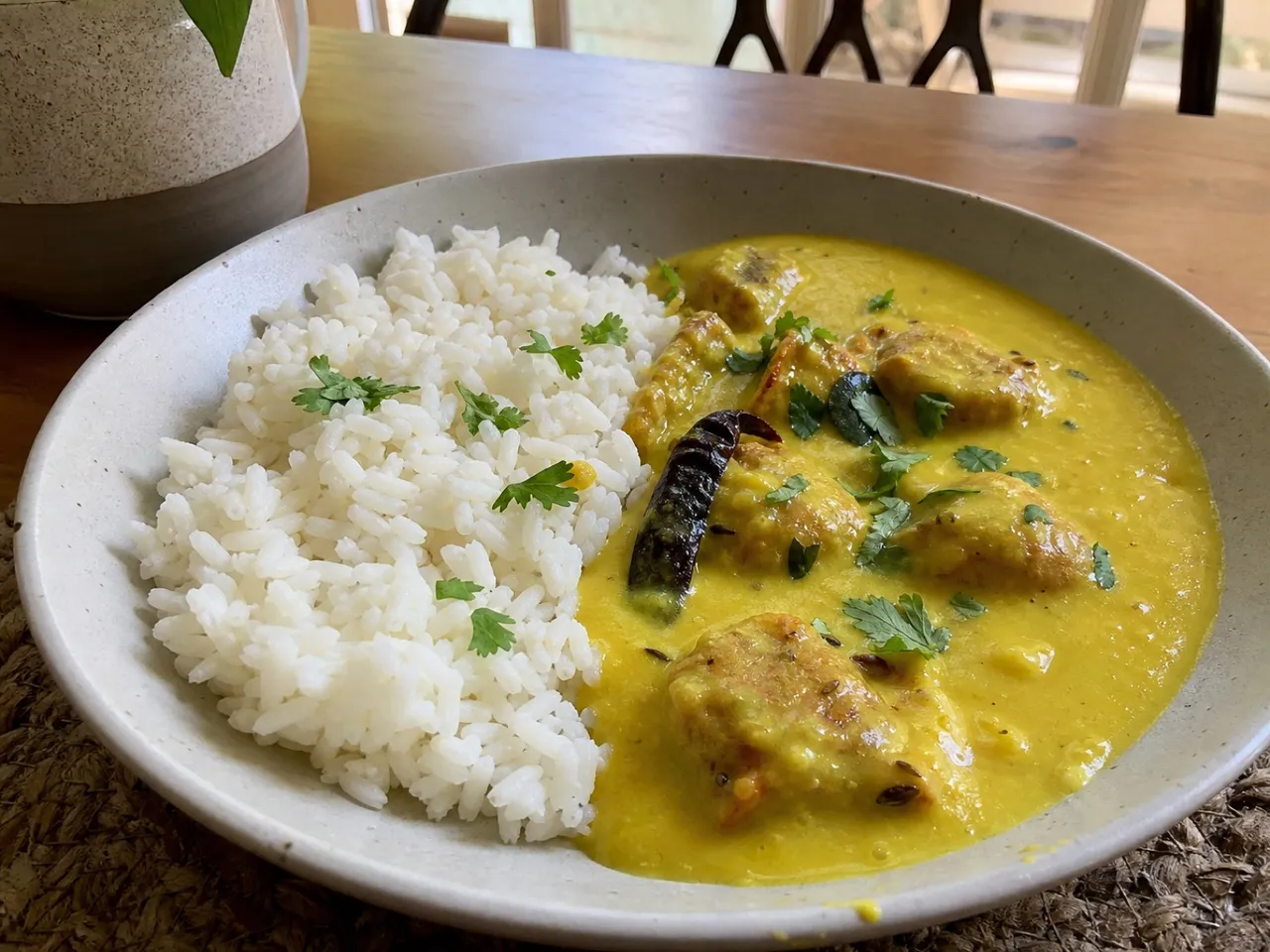 Serving Images are for illustrative purposes only, may be inaccurate, and do not guarantee the presence or absence of specific ingredients.
 Kadhi Pakora
A dish consisting of a thick gravy based on gram flour, and contains vegetable fritters called pakoras.
Contains common allergens
In the app, Listahan checks these against your household automatically.
Instructions
6 steps- 1
Make the Kadhi Mixture: In a large bowl, vigorously whisk the sour yogurt and 1/2 cup gram flour until completely smooth. Stir in 1/2 tsp turmeric, 1 tsp chili powder, and 4 cups of water to make a thin buttermilk-like liquid.
- 2
Simmer the Kadhi: Heat 1 tbsp oil in a large pot. Add a pinch of asafoetida (hing) and fenugreek seeds. Pour in the yogurt mixture. Stir constantly over medium heat until it comes to a boil to prevent curdling. Lower the heat and let it simmer gently for 30 minutes.
- 3
Make Pakora Batter: Meanwhile, in another bowl, mix 1 cup gram flour, sliced onions, 1/2 tsp carom seeds (ajwain), salt, and enough water to make a thick, sticky batter.
- 4
Fry Pakoras: Heat oil in a deep pan to 350°F (175°C). Drop spoonfuls of the onion batter into the oil and fry until golden and crisp. Drain on paper towels.
- 5
Combine: After the kadhi has simmered and thickened slightly, season it with salt. Drop the fried pakoras into the simmering kadhi and cook for 5 minutes so they soften and absorb the liquid.
- 6
Final Tempering: Heat 1 tbsp ghee in a small pan. Add 1 tsp mustard seeds, 1 tsp cumin seeds, and 2 dried red chilies. Pour this hot, aromatic oil over the kadhi just before serving.
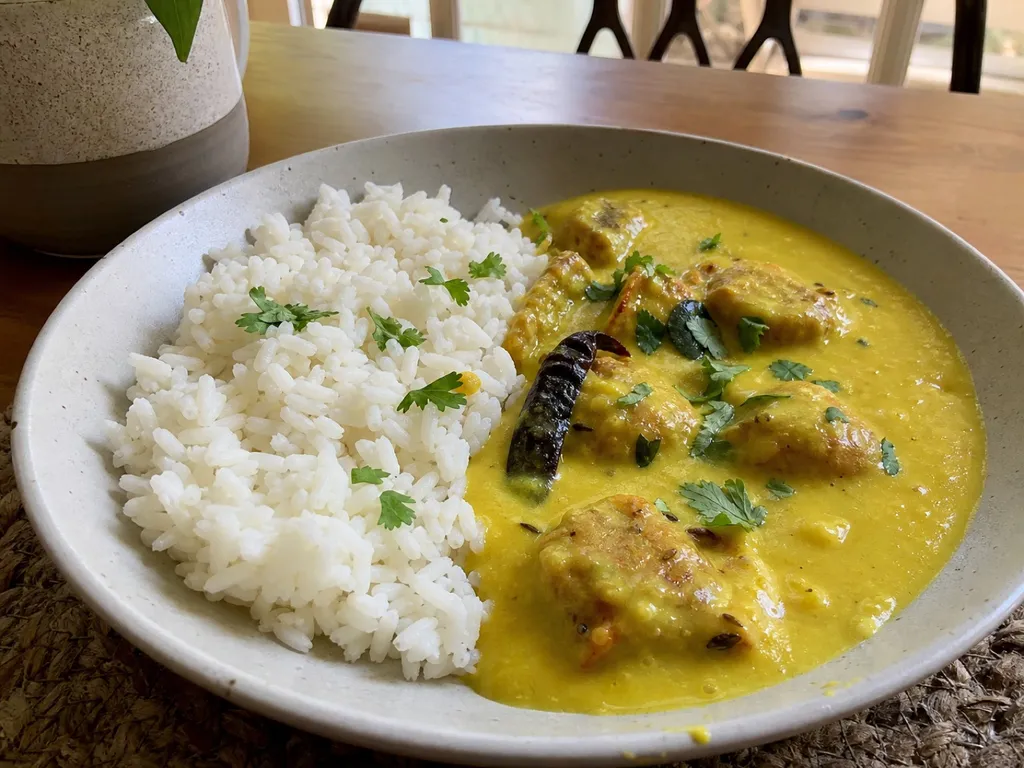 Images are for illustrative purposes only, may be inaccurate, and do not guarantee the presence or absence of specific ingredients.
 Listahan Family Score™
56/100
Works for many families
Score reflects how well this recipe fits a typical busy household. In the app, your Family Score is personalized to your household's allergens, kids, and pantry.
Nutrition
per serving240
Calories
14 g
Protein
42 g
Carbs
1 g
Fat
Estimated per serving. Actual values depend on the brands and portions you use.
Listahan cooking guide
Chef notes & practical guide
Technique notes, ingredient swaps, serve-alongside ideas, storage guidance, and equipment for this recipe.
Cultural context
Kadhi is a yogurt-and-chickpea-flour sauce that appears in various forms across North India, with significant regional variation between the Punjabi style (thick and mild) and the Gujarati style (thinner and sweeter). The Punjabi version, kadhi pakora, adds besan fritters to the tangy yogurt sauce and is one of the most beloved everyday dishes of the region, often paired with steamed rice. The sauce was likely a way to use soured yogurt in a pre-refrigeration era, turning something that might otherwise go to waste into a complete, satisfying meal.
Listahan note
This version produces a thick, tangy Punjabi-style kadhi with pillowy onion pakoras; the key is cooking the yogurt-besan mixture long enough for the raw flour taste to disappear and the sauce to deepen in flavor.
Technique cues
- Whisk the yogurt and besan together until there are no lumps before adding to the pot; any unincorporated lumps of chickpea flour will not cook out and will create an unpleasant gritty texture in the finished kadhi.
- Cook the kadhi on medium-low heat for a minimum of 30-35 minutes after it comes to a simmer; the characteristic tangy, cooked flavor of kadhi only develops with patient long cooking, and a rushed version tastes flat and raw.
- Add the pakoras to the kadhi at least 10 minutes before serving so they absorb the sauce and soften slightly at the edges; hard, still-crispy pakoras floating in kadhi mean they were added too late.
Kitchen flow
- Parallel prep
- While the kadhi simmers on one burner, fry the pakoras on another so both are ready to combine at the same time without the kadhi sitting and thickening while you fry.
- Make-ahead
- Make the kadhi sauce up to 2 days ahead without the pakoras; add freshly fried pakoras when reheating so they have the right spongy texture.
- Leftover move
- Leftover kadhi thickens significantly overnight; thin with water or plain yogurt when reheating and adjust salt before serving.
- Cleanup rhythm
- Soak the besan-coated whisk and mixing bowl immediately after mixing as dried chickpea flour is stubborn to remove once set; all frying equipment can wait until after the meal.
Ingredient brief
Role, handling, and swap guidance for each key ingredient.
yogurt
tangy liquid base
Purpose: Yogurt provides the sour, slightly thick foundation of the kadhi; sour or slightly old yogurt actually produces a better, more complex flavor than fresh.
Handling: Whisk smooth at room temperature before using; cold yogurt added directly to a hot pot can break and curdle the sauce.
Adaptation: Plain kefir works as a substitute; dairy-free coconut yogurt changes the flavor significantly but is usable.
besan (chickpea flour)
thickener and binder
Purpose: Besan stabilizes the yogurt against curdling under heat and thickens the sauce into a silky, coating consistency as it cooks.
Handling: Whisk into the yogurt first before any liquid is added so it fully dissolves without lumps.
Adaptation: No direct substitute; rice flour can partially replace besan but will produce a thinner, less flavorful sauce.
onion
pakora filling and flavor
Purpose: Thinly sliced onion in the pakoras sweetens during frying and provides a textural contrast to the creamy sauce once they soften after soaking.
Handling: Slice thinly, toss with a small pinch of salt to draw out moisture, then squeeze dry before mixing into the besan batter so the fritters do not spatter in the oil.
Adaptation: Spinach leaves or grated potato can replace the onion in the pakoras for variation.
fenugreek seeds
tempering spice
Purpose: A small amount of fenugreek seeds in the tempering adds a pleasant bitter, maple-like undertone that is characteristic of Punjabi kadhi.
Handling: Use sparingly; more than a small pinch becomes noticeably bitter rather than pleasantly earthy.
Adaptation: Omit entirely if unavailable; the kadhi will still be excellent without it.
Technique notes
- A pinch of hing (asafoetida) in the tempering is the flavor marker that makes kadhi taste distinctly North Indian; use just a pinch as it is very potent and too much is unpleasant.
- If the kadhi separates or looks curdled during cooking, turn the heat to low and whisk vigorously; most separations in kadhi are recoverable with steady heat and consistent stirring.
- Serve the final tempering separately in a small pan at the table and pour it dramatically over the plated kadhi with rice; the sizzle is part of the eating experience and keeps the garnish vivid rather than wilted.
Ingredient swaps
- Gluten-free direction
- Kadhi pakora is naturally gluten-free when made with pure besan; verify spice blends are uncontaminated.
- Air-fryer direction
- Brush the formed pakora with oil and air-fry at 380 F for 10-12 minutes, flipping once, for a lower-fat alternative to deep-frying.
- Dairy-free option
- Substitute plain dairy-free yogurt (cashew or coconut based) for the yogurt; the sauce will be slightly less tangy so add extra lemon juice to compensate.
Serve alongside
- Steamed basmati rice
- Jeera rice
- Mango pickle (achar)
- Cold chaas (salted buttermilk)
- Lukewarm water with a squeeze of lime
Serving suggestions only — check pairings for your household's allergens.
Storage & reheating
- Store kadhi and pakoras together in the refrigerator for up to 2 days; the pakoras will continue to soften and meld with the sauce, which many find preferable to the first-day texture.
- Reheat gently on the stovetop over low-medium heat, stirring frequently; the kadhi tends to stick to the bottom of the pot if heated over high heat.
Equipment
- Heavy-bottomed pot or Dutch oven for the long-simmering kadhi
- Deep pot or kadhai for frying the pakoras without oil overflow
- Whisk for thoroughly combining yogurt and besan lump-free
- Spider or slotted spoon for draining the pakoras
Make this household-aware
Listahan Pro checks this recipe against your household's allergens, finds pantry-aware swaps, builds the shopping list, and helps you plan the week around it.
Plan it in Listahan
Add Kadhi Pakora to your week, check it against your household's allergens, and build the shopping list automatically.
More Indian recipes
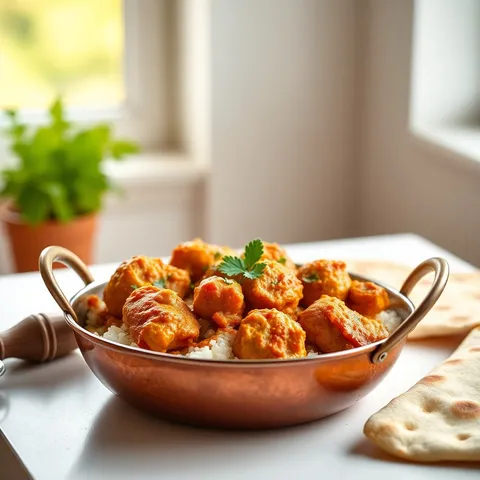 Indian Lens Verified Images are for illustrative purposes only, may be inaccurate, and do not guarantee the presence or absence of specific ingredients.
 Chicken Tikka Masala
Indulge in succulent, yogurt-marinated chicken chunks roasted to perfection and enveloped in a luscious, deeply spiced tomato-cream sauce.
 Indian Lens Verified Images are for illustrative purposes only, may be inaccurate, and do not guarantee the presence or absence of specific ingredients.
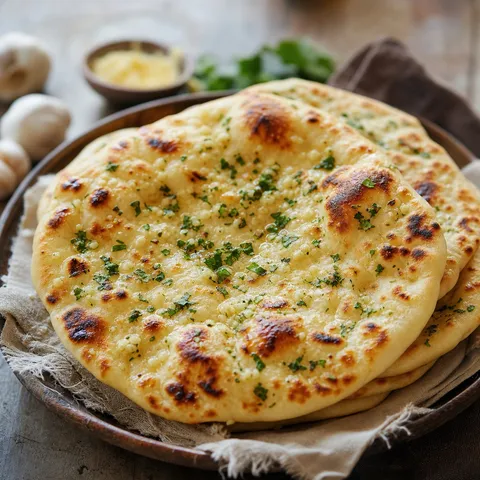
 Garlic Naan
Tear into this piping hot, blistered flatbread packed with aromatic garlic and brushed generously with irresistible melted butter.
 Indian Lens Verified Images are for illustrative purposes only, may be inaccurate, and do not guarantee the presence or absence of specific ingredients.
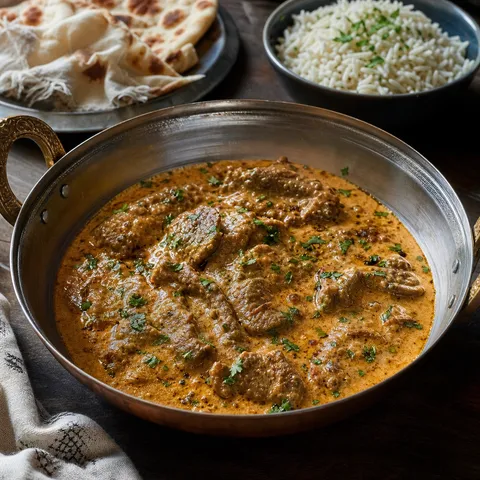
 Lamb Pasanda
A rich Mughlai dish made with flattened lamb steaks in a creamy almond sauce.