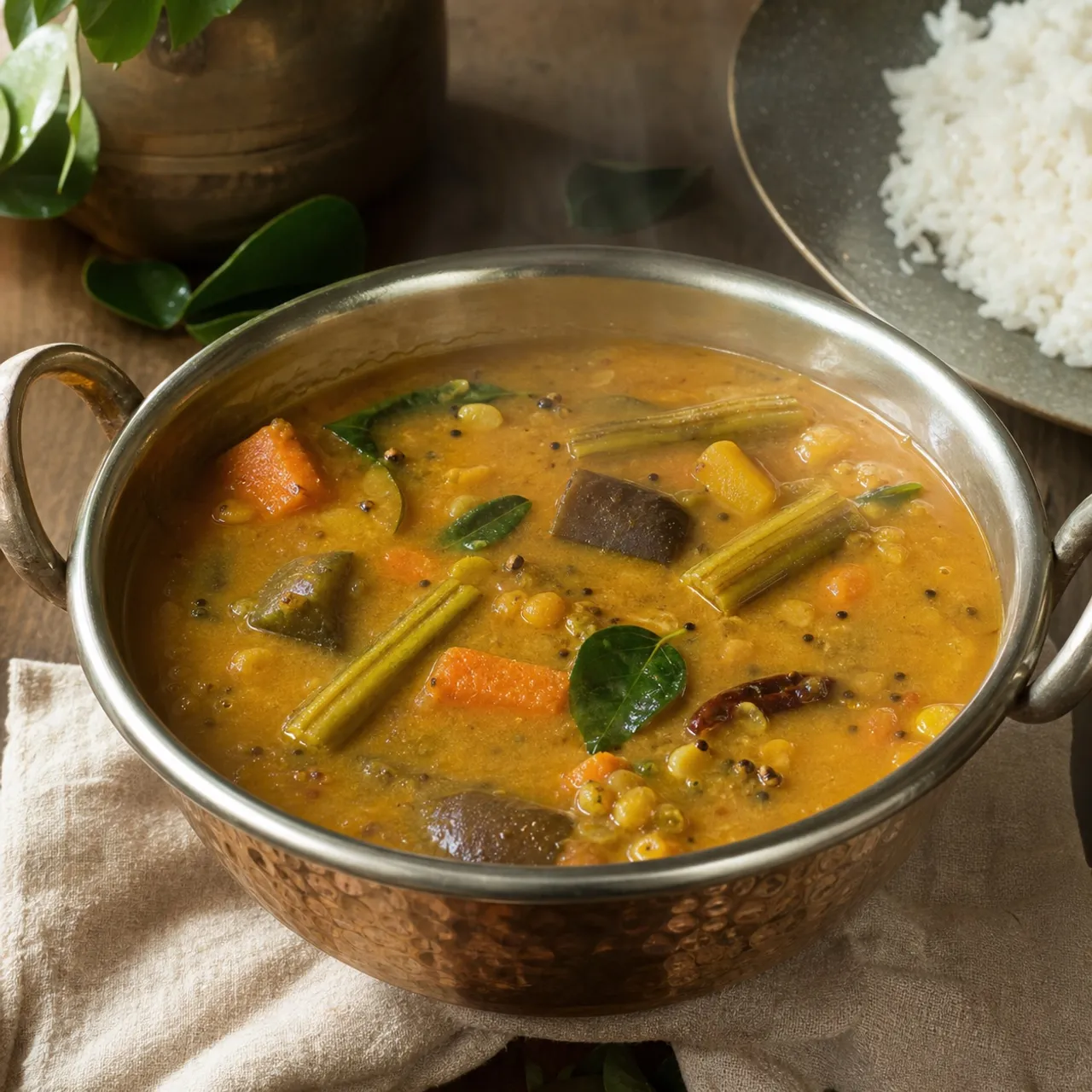
 Indian Images are for illustrative purposes only, may be inaccurate, and do not guarantee the presence or absence of specific ingredients.
 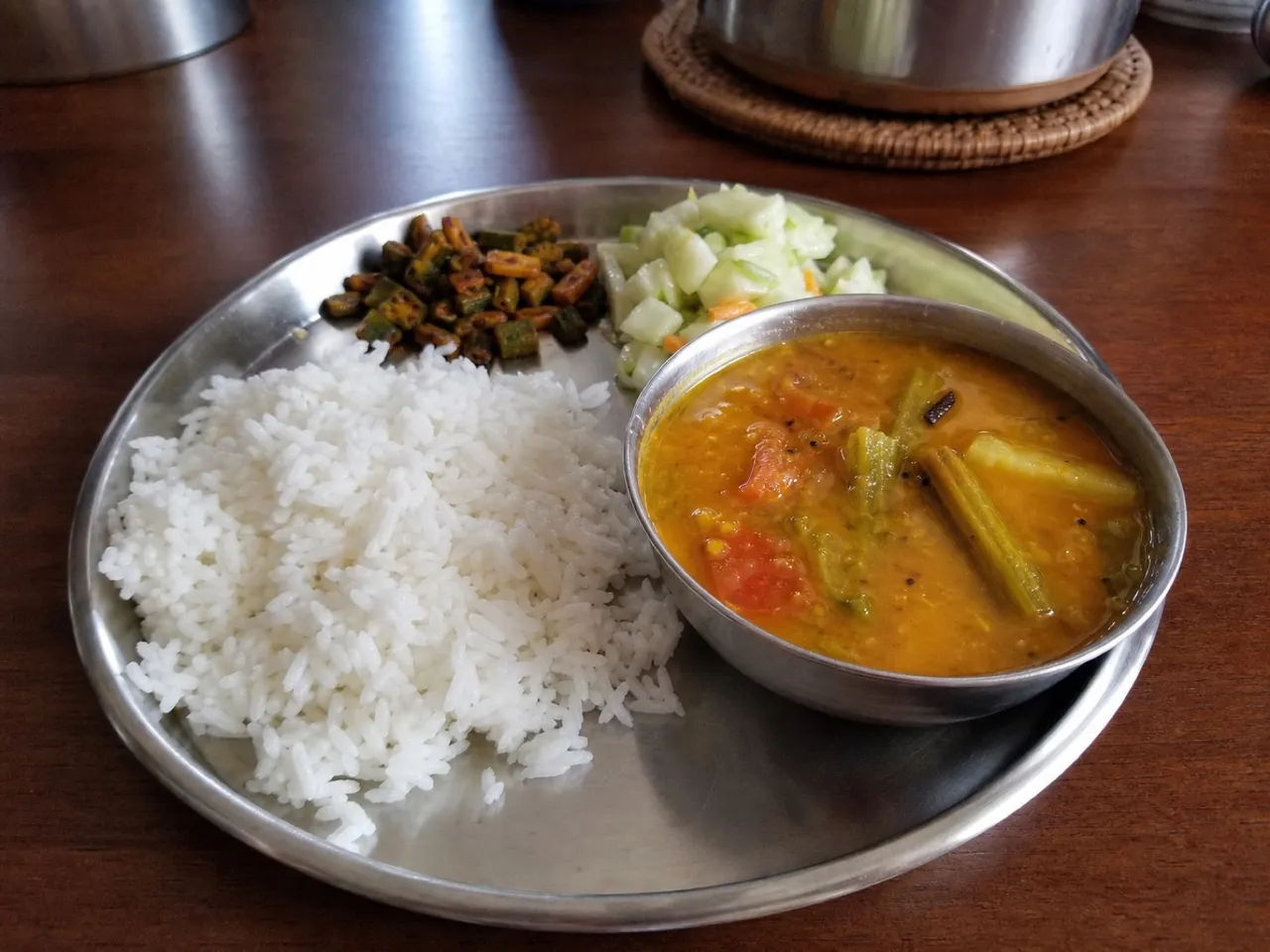 Serving Images are for illustrative purposes only, may be inaccurate, and do not guarantee the presence or absence of specific ingredients.
 Sambhar
Immerse yourself in a hearty, tangy lentil and vegetable stew, generously infused with tamarind and a warm, aromatic spice blend.
Contains common allergens
In the app, Listahan checks these against your household automatically.
Instructions
6 steps- 1
Cook the Dal: Wash the toor dal thoroughly. Pressure cook it with 2.5 cups of water and 1/4 tsp turmeric for 4-5 whistles, until completely mushy. Mash it well with a whisk or spoon.
- 2
Prepare Tamarind Extract: Soak a lemon-sized ball of tamarind in hot water for 15 minutes, squeeze it, and extract the juice (about 1/4 cup). Discard the pulp.
- 3
Boil Vegetables: In a large pot, bring the tamarind extract, 1 cup of water, salt, and 2 tbsp Sambhar powder to a boil. Add the mixed vegetables. Cook on medium heat for 10-15 minutes until the vegetables are tender but hold their shape.
- 4
Combine Dal and Veggies: Pour the mashed dal into the pot with the boiling vegetables. Stir well. Adjust the consistency by adding a little hot water if it's too thick. Simmer for 5 minutes.
- 5
Prepare Tempering (Tadka): In a small pan, heat 1 tbsp coconut oil or ghee over medium heat. Crackle 1 tsp mustard seeds, then add 2 dried red chilies, 1/4 tsp asafoetida (hing), and a sprig of fresh curry leaves. Fry for 10 seconds.
- 6
Finish: Pour the hot tempering over the simmering Sambhar. Turn off the heat, cover for 2 minutes to trap the aromas, and garnish with fresh cilantro. Serve with idli, dosa, or rice.
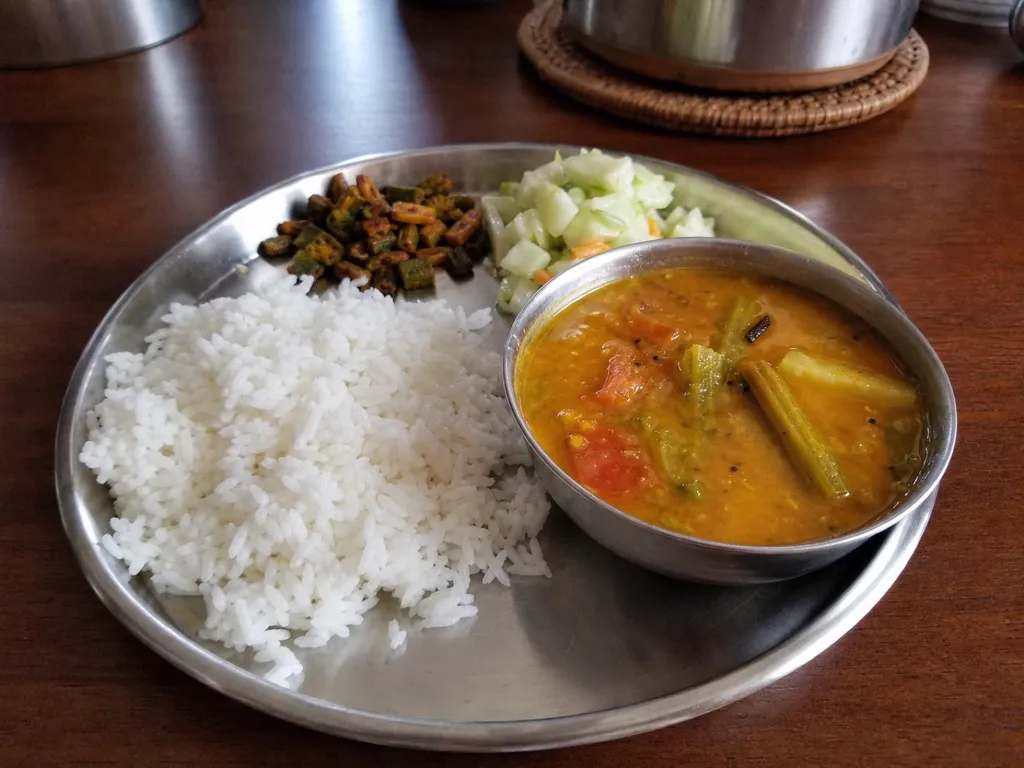 Images are for illustrative purposes only, may be inaccurate, and do not guarantee the presence or absence of specific ingredients.
 Listahan Family Score™
59/100
Works for many families
Score reflects how well this recipe fits a typical busy household. In the app, your Family Score is personalized to your household's allergens, kids, and pantry.
Nutrition
per serving85
Calories
5 g
Protein
16 g
Carbs
1 g
Fat
Estimated per serving. Actual values depend on the brands and portions you use.
Listahan cooking guide
Chef notes & practical guide
Technique notes, ingredient swaps, serve-alongside ideas, storage guidance, and equipment for this recipe.
Cultural context
Sambhar is a sour, spiced lentil soup that originated in Tamil Nadu and became the cornerstone of South Indian cooking. Unlike the thick dals of the north, sambhar relies on a unique spice blend called sambhar powder and the tartness of tamarind to create a brothy, vegetable-laden stew. It is eaten daily across South India, served alongside idli, dosa, and rice, and its recipe varies meaningfully from household to household and state to state.
Listahan note
This version builds a balanced, vegetable-forward sambhar using toor dal as the base and a bright tamarind finish. We keep the tempering step non-negotiable because the bloom of mustard seeds and curry leaves in hot oil is what transforms the pot.
Technique cues
- Soak the tamarind pulp in warm water for 10 minutes and strain out the solids before adding to the pot; pre-soaking extracts more flavor and prevents fibrous bits from ending up in the stew.
- Add the vegetables in stages based on cook time: firmer pieces like drumstick or carrot go in first, soft vegetables like tomato and onion last, so nothing turns to mush.
- Do the tempering (tadka) at the very end just before serving, not at the beginning, so the mustard seeds, dried chili, and curry leaves release their fragrance directly into the finished soup rather than cooking away.
Kitchen flow
- Parallel prep
- While the toor dal pressure cooks, soak the tamarind, chop all the vegetables, and measure your spices so the assembly moves quickly once the dal is ready.
- Make-ahead
- Sambhar tastes better the next day as the flavors deepen; cook it up to 2 days ahead and reheat gently, adding a splash of water to loosen it to the right consistency.
- Leftover move
- Thin leftover sambhar further with water or stock to make a light, drinkable rasam-style soup, or use it as a sauce over plain steamed rice.
- Cleanup rhythm
- The tempering pan is the only extra piece of equipment; deglaze it with a spoonful of the sambhar to capture every drop of flavor before washing.
Ingredient brief
Role, handling, and swap guidance for each key ingredient.
toor dal
protein base and body
Purpose: Split pigeon peas cook down into a creamy, protein-rich puree that gives sambhar its characteristic thick-but-brothy texture.
Handling: Rinse thoroughly and pressure cook or simmer until completely soft before mashing and incorporating into the stew.
Adaptation: Red lentils (masoor dal) cook faster and produce a similarly smooth result, though the flavor is slightly milder.
tamarind paste
souring agent
Purpose: Tamarind provides the dish's defining tart backbone that differentiates sambhar from a plain dal.
Handling: Dissolve in a small amount of warm water and strain before using to remove fibrous pulp.
Adaptation: A mix of lime juice and a small amount of tomato paste mimics the tartness in a pinch, though the flavor is less complex.
sambhar powder
spice blend
Purpose: This South Indian spice mix, which typically includes coriander, cumin, black pepper, red chili, and dried coconut, gives sambhar its distinct flavor that no single spice replicates.
Handling: Add it to the simmering stew, not the oil, so it blooms gently without burning.
Adaptation: A quick homemade blend of ground coriander, cumin, red chili powder, and a pinch of cinnamon works if sambhar powder is unavailable.
curry leaves
aromatic bloom
Purpose: Fresh curry leaves added to hot oil release a uniquely citrusy, herbal fragrance that is irreplaceable in South Indian cooking.
Handling: Use fresh if possible; add directly to hot oil as they sputter and release fragrance within seconds.
Adaptation: Dried curry leaves are a weak substitute; if unavailable, add a small amount of lime zest and fresh bay leaf to approximate the aroma.
mixed vegetables
body and nutrition
Purpose: Vegetables like eggplant, drumstick, pearl onions, and carrot make sambhar a complete, nutritious one-pot stew rather than a simple soup.
Handling: Cut into rough chunks sized to cook through in about 15 minutes; do not over-chop as the vegetables should hold their shape.
Adaptation: Any firm vegetable works; zucchini, green beans, or potatoes are common stand-ins.
Technique notes
- Mash only about two-thirds of the cooked dal and leave the rest whole; the mix of creamy and slightly textured lentils gives the stew a more interesting mouthfeel than fully pureed dal.
- Let the sambhar simmer uncovered for the last 10 minutes after adding the tamarind so the raw tartness cooks off and the sour note becomes rounded and balanced.
- A small piece of jaggery or a pinch of brown sugar added at the end balances the tamarind's sharpness and is the secret step that makes sambhar taste like it came from a South Indian restaurant.
Ingredient swaps
- Gluten-free direction
- Sambhar is naturally gluten-free; just verify that your sambhar powder and any store-bought ingredients are not processed in a facility that handles wheat.
- Weeknight shortcut
- Use canned crushed tomatoes instead of fresh and pre-cooked canned lentils in place of dried toor dal to cut the total time to under 30 minutes.
- Lower-sodium direction
- Sambhar powder often contains salt; taste before seasoning and skip added salt until the very end of cooking.
Serve alongside
- Steamed idli
- Plain dosa
- Steamed basmati rice
- Medu vada
- Buttermilk with cumin (chaas)
- Hot filter coffee
Serving suggestions only — check pairings for your household's allergens.
Storage & reheating
- Refrigerate in a sealed container for up to 3 days; the flavor improves overnight.
- Reheat on the stovetop over low heat, stirring frequently and adding a few tablespoons of water as needed since the lentils continue to absorb liquid as it sits.
Equipment
- Pressure cooker or Instant Pot for cooking the toor dal quickly
- Heavy-bottomed pot or Dutch oven for simmering the stew evenly
- Small tempering pan or ladle for blooming the spices in oil
- Fine-mesh strainer for pressing the tamarind extract
Make this household-aware
Listahan Pro checks this recipe against your household's allergens, finds pantry-aware swaps, builds the shopping list, and helps you plan the week around it.
Plan it in Listahan
Add Sambhar to your week, check it against your household's allergens, and build the shopping list automatically.
More Indian recipes
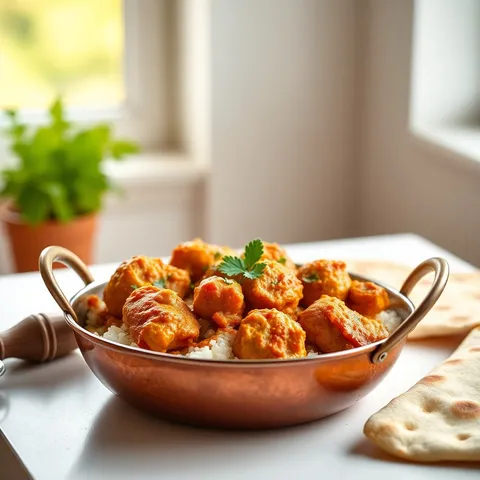 Indian Lens Verified Images are for illustrative purposes only, may be inaccurate, and do not guarantee the presence or absence of specific ingredients.
 Chicken Tikka Masala
Indulge in succulent, yogurt-marinated chicken chunks roasted to perfection and enveloped in a luscious, deeply spiced tomato-cream sauce.
 Indian Lens Verified Images are for illustrative purposes only, may be inaccurate, and do not guarantee the presence or absence of specific ingredients.
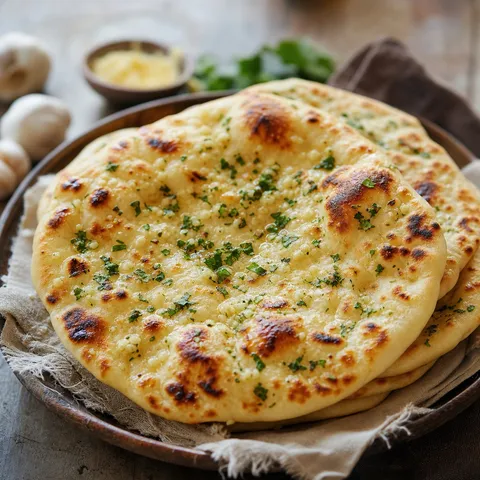
 Garlic Naan
Tear into this piping hot, blistered flatbread packed with aromatic garlic and brushed generously with irresistible melted butter.
 Indian Lens Verified Images are for illustrative purposes only, may be inaccurate, and do not guarantee the presence or absence of specific ingredients.
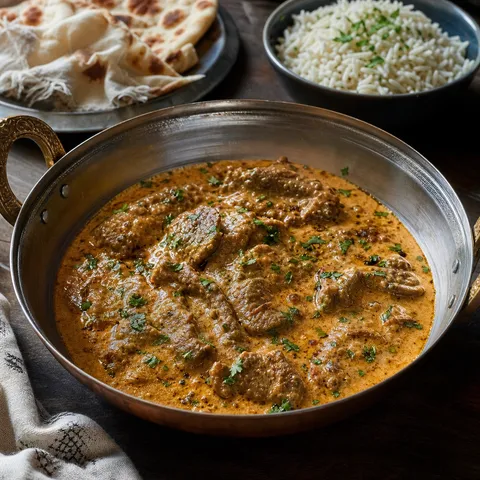
 Lamb Pasanda
A rich Mughlai dish made with flattened lamb steaks in a creamy almond sauce.