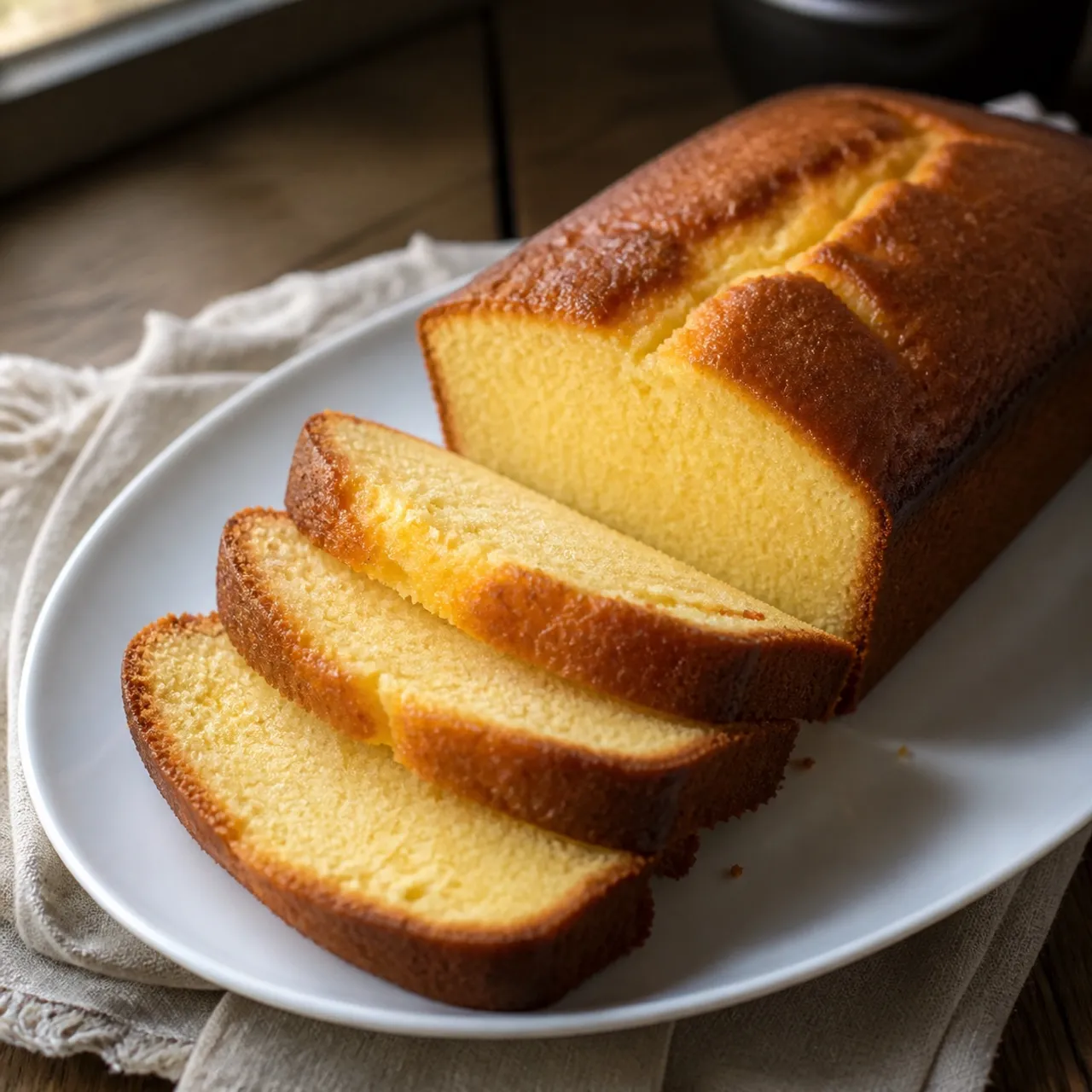
 Southern Soul Food Images are for illustrative purposes only, may be inaccurate, and do not guarantee the presence or absence of specific ingredients.
 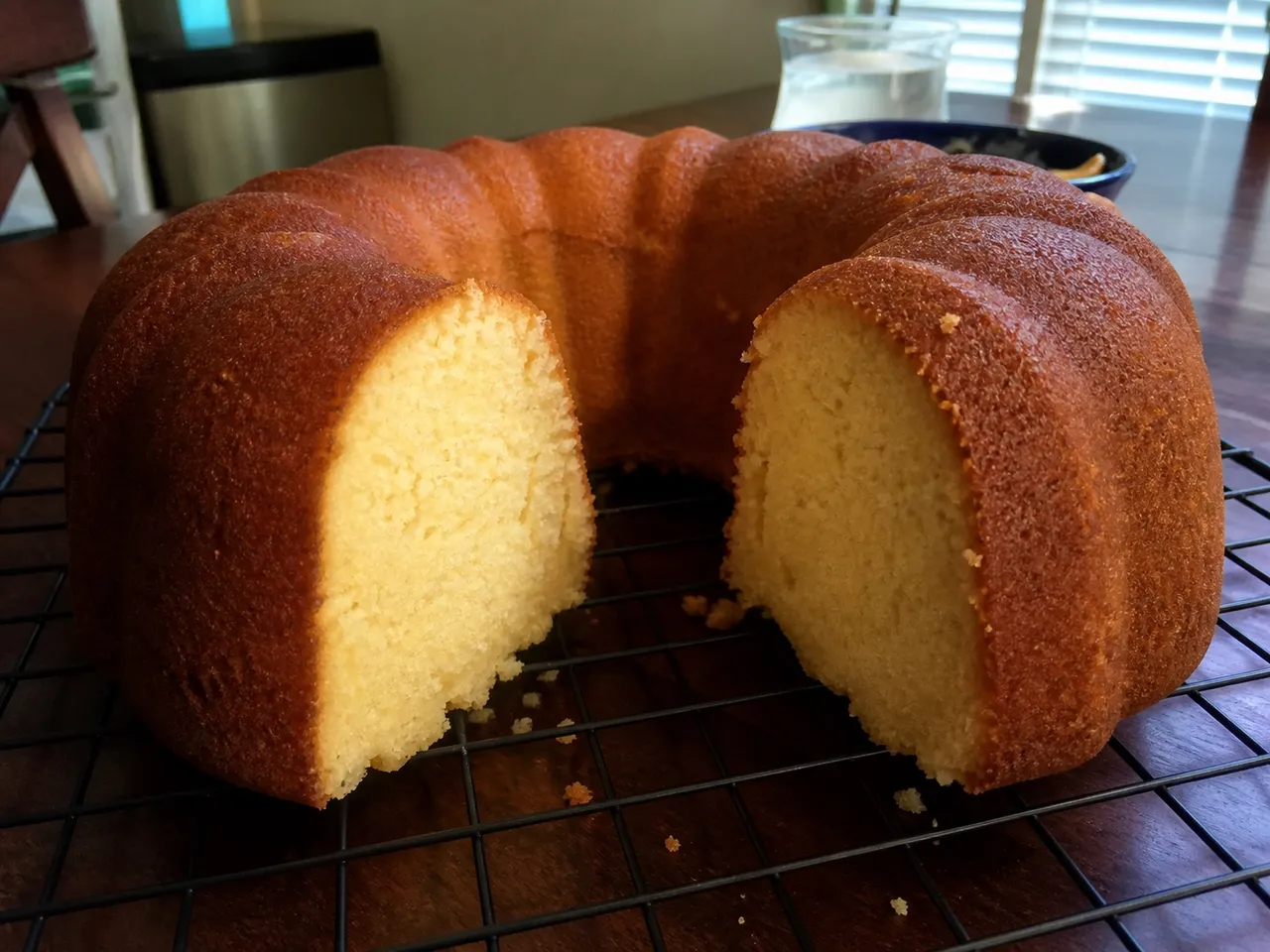 Serving Images are for illustrative purposes only, may be inaccurate, and do not guarantee the presence or absence of specific ingredients.
 Pound Cake
A classic buttery pound cake made with equal parts butter, sugar, and flour, enriched with eggs and vanilla for a dense, tender crumb.
Contains common allergens
In the app, Listahan checks these against your household automatically.
Instructions
6 steps- 1
Prep: Preheat oven to 325°F (165°C). Generously grease and flour a 10-inch Bundt pan, or spray it heavily with baking spray containing flour. Ensure all your cold ingredients (butter, eggs, milk) have come to room temperature to prevent the batter from breaking.
- 2
Cream Butter and Sugar: In the bowl of a stand mixer fitted with the paddle attachment, beat the softened butter on medium speed until creamy (about 2 minutes). Gradually add the 3 cups of sugar and beat on medium-high speed until the mixture is incredibly light and fluffy (this takes about 5 to 7 full minutes). Scrape down the sides of the bowl.
- 3
Add Eggs: Reduce the mixer speed to low. Add the room-temperature eggs one at a time, beating just until the yellow yolk disappears before adding the next. Stir in the vanilla extract.
- 4
Alternate Dry and Wet: In a separate bowl, whisk the flour, baking powder, and salt. With the mixer on low speed, add the flour mixture in three additions, alternating with the milk in two additions, starting and ending with the flour. Mix *just* until the flour disappears. Do not overmix, or the cake will be tough.
- 5
Bake: Pour the thick batter into the prepared Bundt pan and smooth the top. Tap the pan firmly on the counter a few times to release air bubbles. Bake for 1 hour and 15 minutes to 1 hour and 30 minutes, until a long skewer inserted into the center comes out clean.
- 6
Cool: Let the cake cool in the pan on a wire rack for exactly 15 minutes before carefully inverting it onto the rack to cool completely. The crust should be golden and delightfully crisp.
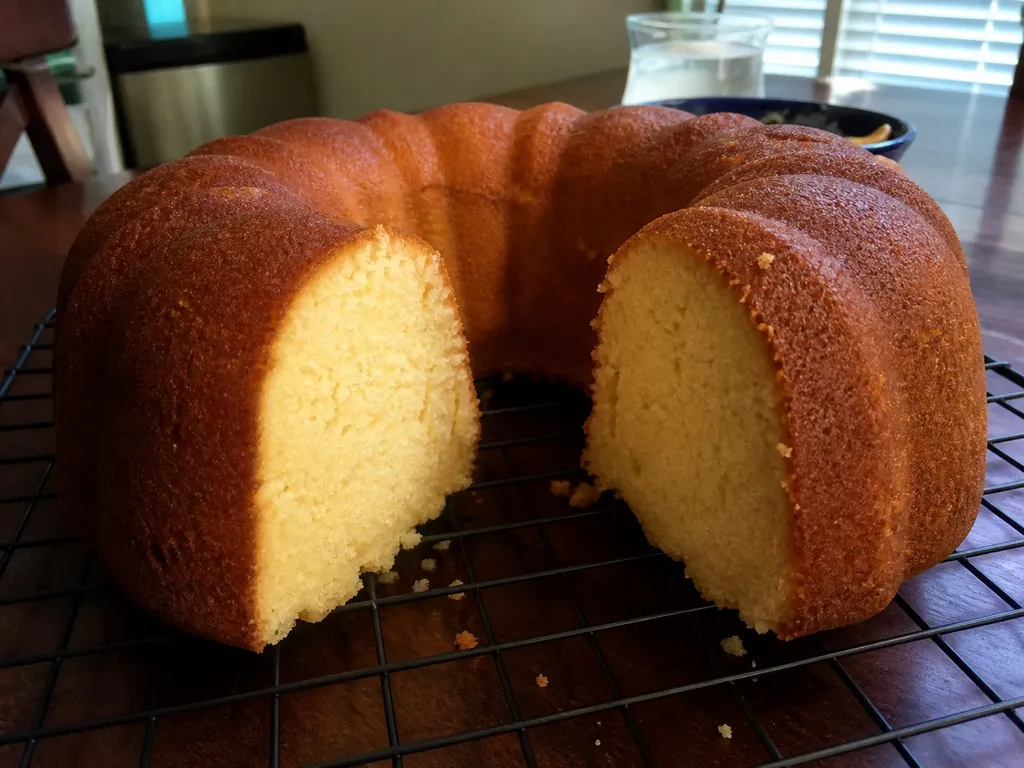 Images are for illustrative purposes only, may be inaccurate, and do not guarantee the presence or absence of specific ingredients.
 Listahan Family Score™
77/100
Good fit for most families
Score reflects how well this recipe fits a typical busy household. In the app, your Family Score is personalized to your household's allergens, kids, and pantry.
Nutrition
per serving835
Calories
10 g
Protein
113 g
Carbs
39 g
Fat
Estimated per serving. Actual values depend on the brands and portions you use.
Listahan cooking guide
Chef notes & practical guide
Technique notes, ingredient swaps, serve-alongside ideas, storage guidance, and equipment for this recipe.
Cultural context
Pound cake takes its name from its original ratio, a pound each of butter, sugar, eggs, and flour, a formula simple enough to remember without a written recipe that made it a foundational cake in early American and English kitchens before more precise, scaled-down versions became standard.
Listahan note
This version creams the butter and sugar for a full five to seven minutes, since that extended creaming time builds the fine air pockets a pound cake depends on for its rise, given that it has no other leavening beyond a small amount of baking powder.
Technique cues
- Creaming the butter and sugar for five to seven full minutes, well beyond what feels necessary, works sugar crystals through the fat to create the fine air pockets that give the cake its rise and tight, tender crumb.
- Adding the eggs one at a time, beating until each disappears into the batter before the next goes in, keeps the emulsion from breaking, which would otherwise leave a greasy, separated batter.
- Alternating the dry ingredients and the milk in stages, starting and ending with flour, keeps the batter from over-hydrating or curdling partway through mixing.
- Tapping the filled pan firmly on the counter before baking releases trapped air bubbles that would otherwise leave visible holes through the baked crumb.
Kitchen flow
- Parallel prep
- Set the butter, eggs, and milk out together an hour ahead so they all reach room temperature at once.
- Make-ahead
- The cake keeps and even improves over a day or two as the crumb settles and the flavor deepens.
- Leftover move
- Toast thick slices in butter and top with macerated berries for a quick dessert.
- Cleanup rhythm
- Soak the Bundt pan in hot soapy water right after inverting so the grease and crumbs release from the grooves.
Ingredient brief
Role, handling, and swap guidance for each key ingredient.
unsalted butter, softened
Fat and structure
Purpose: It is the backbone of the cake, both flavor and the air-trapping base of the creaming step.
Handling: Soften fully to room temperature so it whips light rather than staying stiff or greasy.
Adaptation: Use only real butter here; shortening or margarine sacrifices the flavor that defines the cake.
granulated sugar
Sweetener and aerator
Purpose: Its sharp crystals cut air into the butter during creaming, which is what makes the cake rise.
Handling: Add gradually to the butter so it incorporates without deflating the mixture.
Adaptation: No good swap; the volume and crystal structure both matter to the texture.
eggs, room temperature
Binder and lift
Purpose: Added one at a time they emulsify into the batter and add structure and richness.
Handling: Warm to room temperature and beat in one at a time until each yolk disappears.
Adaptation: No substitute keeps the same dense crumb; this cake depends on whole eggs.
all-purpose flour
Structure
Purpose: It builds the dense, tender crumb that is the hallmark of a pound cake.
Handling: Whisk with the leavening and salt, then add in thirds and mix just until combined.
Adaptation: Cake flour yields a finer, slightly more delicate crumb if you prefer it less dense.
whole milk, room temperature
Liquid
Purpose: It hydrates the batter and balances the dry additions for a moist crumb.
Handling: Bring to room temperature and add alternately with the flour in two additions.
Adaptation: Buttermilk adds tang and tenderness but you may want a pinch more baking powder.
Technique notes
- All ingredients, including the eggs and milk, need to be at room temperature before starting, since cold ingredients cause the batter to seize and separate during mixing.
- Cooling the cake in the pan for exactly the specified time before inverting it keeps the delicate crust from tearing or sticking to the pan.
- Pound cake's dense crumb holds up well to slicing thin and toasting, a common way to serve it a day or two after baking.
Ingredient swaps
- Gluten-free direction
- Use a one-to-one gluten-free baking flour; expect a slightly more crumbly slice.
- Dairy-free direction
- Use vegan butter and unsweetened oat milk; the crumb is a touch less rich but holds well.
- Citrus direction
- Add the zest of one lemon to the sugar and rub it in to make a lemon pound cake.
Serve alongside
- Macerated strawberries
- Lemon glaze
- Fresh whipped cream
- Vanilla ice cream
- Hot coffee
- Black tea
- A glass of cold milk
Serving suggestions only — check pairings for your household's allergens.
Storage & reheating
- Store covered at room temperature for up to 4 days; the dense crumb stays moist.
- No reheating needed, though a quick toast revives a day-old slice.
- Freeze the whole cake or slices wrapped tightly for up to 3 months; thaw at room temperature.
Equipment
- Stand mixer with paddle attachment for the long cream
- 10-inch Bundt pan
- Long skewer to test doneness
- Wire rack for cooling
Make this household-aware
Listahan Pro checks this recipe against your household's allergens, finds pantry-aware swaps, builds the shopping list, and helps you plan the week around it.
Plan it in Listahan
Add Pound Cake to your week, check it against your household's allergens, and build the shopping list automatically.
More Southern Soul Food recipes
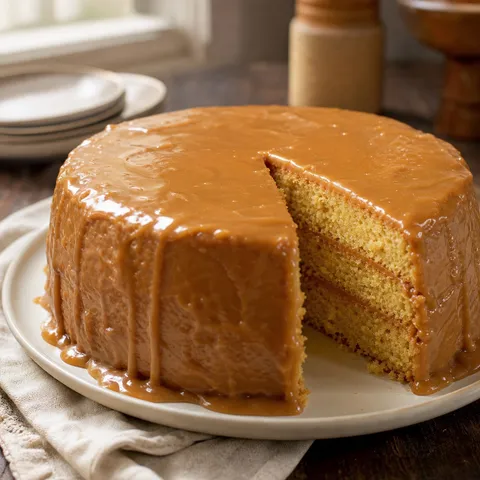 Southern Soul Food Lens Verified Images are for illustrative purposes only, may be inaccurate, and do not guarantee the presence or absence of specific ingredients.
 Caramel Cake
A tender Southern layer cake blanketed in glossy, old-fashioned cooked caramel frosting that sets to a fudgy finish.
 Southern Soul Food Lens Verified Images are for illustrative purposes only, may be inaccurate, and do not guarantee the presence or absence of specific ingredients.
 Sweet Tea
Quench your thirst with a frosty glass of authentic Southern sweet tea, perfectly brewed for smoothness and sweetness. Nothing cools down a hot summer day quite like it.
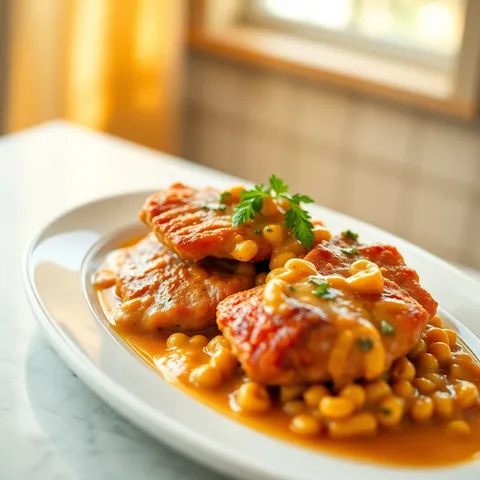 Southern Soul Food Lens Verified Images are for illustrative purposes only, may be inaccurate, and do not guarantee the presence or absence of specific ingredients.
 Smothered Pork Chops
Feast on pan-seared pork chops braised to fork-tender perfection, completely enveloped in a deeply caramelized, savory onion gravy. Serve over rice or mashed potatoes for maximum comfort.