 British & Irish Images are for illustrative purposes only, may be inaccurate, and do not guarantee the presence or absence of specific ingredients.
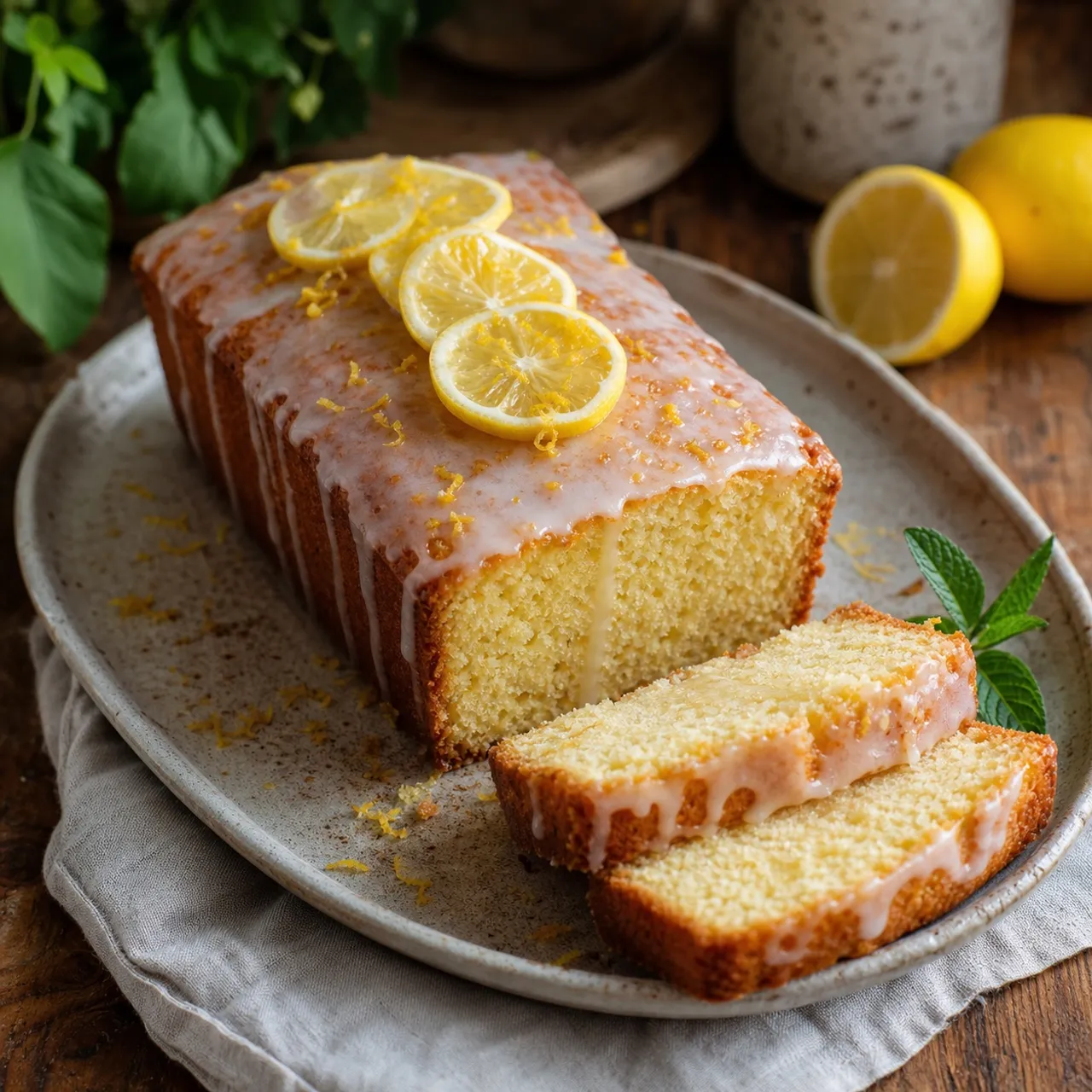
 Lemon Drizzle Cake
A moist, tender butter sponge soaked in tangy lemon syrup that sets into a crunchy sugar crust, a British baking favorite.
Contains common allergens
In the app, Listahan checks these against your household automatically.
Instructions
6 steps- 1
Preheat the oven to 350°F and grease and line a 9x5-inch loaf pan with parchment paper.
- 2
Cream the softened butter and 1 cup of sugar together with an electric mixer for 3 to 4 minutes until pale and fluffy.
- 3
Beat in the eggs one at a time, adding a spoonful of the flour with each to prevent curdling, then fold in the remaining flour and the lemon zest until just combined into a smooth batter.
- 4
Scrape the batter into the prepared pan, level the top, and bake for 45 to 50 minutes until risen, golden, and a skewer inserted in the center comes out clean.
- 5
While the cake bakes, stir the lemon juice and 1/2 cup of sugar together so the sugar stays partly undissolved and grainy.
- 6
As soon as the cake comes out, prick the warm surface all over with a skewer and spoon the lemon-sugar mixture evenly over the top, letting it soak in and form a crackly crust as it cools completely in the pan.
Listahan Family Score™
77/100
Good fit for most families
Score reflects how well this recipe fits a typical busy household. In the app, your Family Score is personalized to your household's allergens, kids, and pantry.
Nutrition
per serving485
Calories
6 g
Protein
60 g
Carbs
26 g
Fat
Estimated per serving. Actual values depend on the brands and portions you use.
Listahan cooking guide
Chef notes & practical guide
Technique notes, ingredient swaps, serve-alongside ideas, storage guidance, and equipment for this recipe.
Cultural context
Lemon drizzle cake belongs to the British and Irish tea-table style of baking: a simple butter sponge made in a loaf tin, sliced neatly, and served without frosting. The defining move is practical and distinctive: lemon juice and sugar go onto the cake while it is still hot, so some syrup sinks in while some sugar dries into a crisp top.
Listahan note
This version keeps the cake squarely in classic loaf-cake territory: soft butter sponge, bright lemon zest in the batter, and a grainy lemon drizzle that sets into a crackly lid. It prioritizes timing over decoration, because the hot-cake soak is what makes the texture work.
Technique cues
- Cream the butter and sugar until genuinely pale and fluffy; that trapped air helps the loaf rise before the eggs and flour take over.
- Adding a spoonful of flour with each egg helps the batter stay smooth, especially when the butter is soft and the eggs are cooler than room temperature.
- Pour the lemon-sugar mixture on as soon as the cake comes out of the oven. A warm crumb drinks in the juice, while the partly undissolved sugar stays near the top for crunch.
Kitchen flow
- Parallel prep
- While the loaf bakes, juice the lemons, stir the drizzle, and clear a cooling spot so the hot cake can be soaked immediately.
- Make-ahead
- Bake it earlier in the day and let it cool fully in the pan; the lemon settles into the crumb as it rests.
- Leftover move
- Toast a plain slice lightly and serve it with spooned berries or a little thick yogurt for a simple second-day dessert.
- Cleanup rhythm
- Rinse the mixing bowl before the batter dries, then soak the skewer and loaf pan after the cake is lifted out.
Ingredient brief
Role, handling, and swap guidance for each key ingredient.
Unsalted butter, softened
Tender fat base
Purpose: Butter gives the sponge its close, soft crumb and the familiar richness of a British loaf cake.
Handling: Soften it until it gives under a finger but is not greasy or melting.
Adaptation: A baking margarine can make a softer, lighter crumb, but the flavor will be less buttery.
Granulated sugar
Sweetness and structure
Purpose: Sugar helps the sponge stay tender and also forms the crunchy drizzle crust on top.
Handling: Use the first cup for creaming with the butter, and keep the drizzle sugar slightly grainy when mixed with lemon juice.
Adaptation: Caster sugar creams a little faster in the batter, while regular granulated sugar gives the drizzle a better crunch.
Large eggs
Structure and richness
Purpose: Eggs help the loaf set, rise, and slice cleanly without becoming crumbly.
Handling: Beat them in one at a time, scraping the bowl so the batter stays even.
Adaptation: If your eggs are very cold, place them in warm water for a few minutes before mixing for a smoother batter.
Self-rising flour
Lift and crumb
Purpose: Self-rising flour supplies both flour and leavening, keeping the cake simple and evenly risen.
Handling: Fold it in gently after the eggs so the finished loaf stays tender instead of tough.
Adaptation: Use all-purpose flour with baking powder and a small pinch of salt if self-rising flour is not in your pantry.
Zest of 2 lemons
Lemon aroma
Purpose: Zest carries the fragrant lemon oils that make the cake taste lemony before the drizzle is added.
Handling: Zest only the yellow outer layer; the white pith underneath can taste harsh.
Adaptation: Orange zest changes the cake toward a softer citrus profile, but it will no longer have the sharp lemon-drizzle character.
Fresh lemon juice
Tart drizzle liquid
Purpose: Fresh juice gives the syrup its bright edge and balances the butter and sugar in the sponge.
Handling: Stir it with the drizzle sugar while the cake bakes, leaving some grains undissolved.
Adaptation: Bottled lemon juice works in a pinch, but it tastes flatter and the finished cake will be less aromatic.
Technique notes
- Line the loaf pan with parchment that overhangs the long sides so the sticky sugar crust does not glue the cake in place.
- Check the center with a skewer, not just the color of the top. A golden loaf can still have a damp streak through the middle.
- Prick the cake deeply but not violently; the holes should guide the drizzle into the crumb without tearing up the top crust.
Ingredient swaps
- Plain flour path
- Replace the self-rising flour with all-purpose flour plus baking powder and a small pinch of salt, keeping the mixing method the same.
- Sharper lemon finish
- Hold back a spoonful of lemon juice and brush it over the top after the first drizzle has mostly soaked in.
- Less crunchy top
- Dissolve the drizzle sugar more fully in the lemon juice for a smoother glaze that soaks in rather than forming a grainy crust.
Serve alongside
- Fresh raspberries
- Poached rhubarb
- Clotted cream
- Greek yogurt with honey
- English breakfast tea
- Earl Grey tea
- Sparkling lemonade
Serving suggestions only — check pairings for your household's allergens.
Storage & reheating
- Refrigerate fully cooled slices in a sealed container; the sugar crust will soften slightly but the sponge stays moist.
- Bring chilled slices to room temperature before serving, or warm briefly in a low oven if you prefer a softer crumb.
- Freeze individual slices wrapped tightly, then thaw at room temperature and refresh with a short uncovered rest so the surface is not damp.
Equipment
- 9x5-inch loaf pan
- Parchment paper
- Electric mixer
- Fine grater or microplane
Make this household-aware
Listahan Pro checks this recipe against your household's allergens, finds pantry-aware swaps, builds the shopping list, and helps you plan the week around it.
Plan it in Listahan
Add Lemon Drizzle Cake to your week, check it against your household's allergens, and build the shopping list automatically.
More British & Irish recipes
 British & Irish Lens Verified Images are for illustrative purposes only, may be inaccurate, and do not guarantee the presence or absence of specific ingredients.
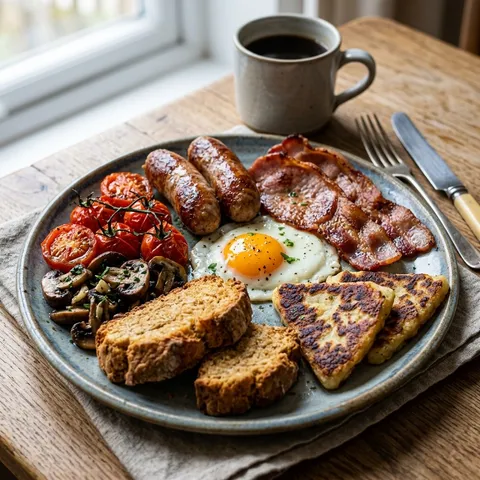
 Ulster Fry
Northern Ireland's legendary fry-up: bacon, sausages, eggs, black pudding, potato bread, and soda bread — fuller and heartier than its English cousin.
 British & Irish Lens Verified Images are for illustrative purposes only, may be inaccurate, and do not guarantee the presence or absence of specific ingredients.
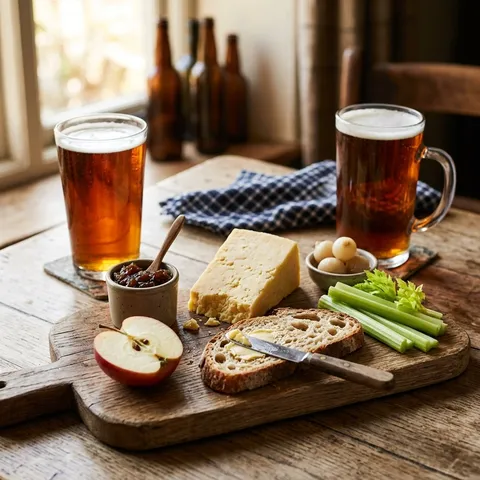
 Ploughman's Lunch
Sharp aged cheddar, crusty bread, tangy Branston pickle, and a boiled egg — a beloved no-cook British lunch that's greater than the sum of its parts.
 British & Irish Lens Verified Images are for illustrative purposes only, may be inaccurate, and do not guarantee the presence or absence of specific ingredients.
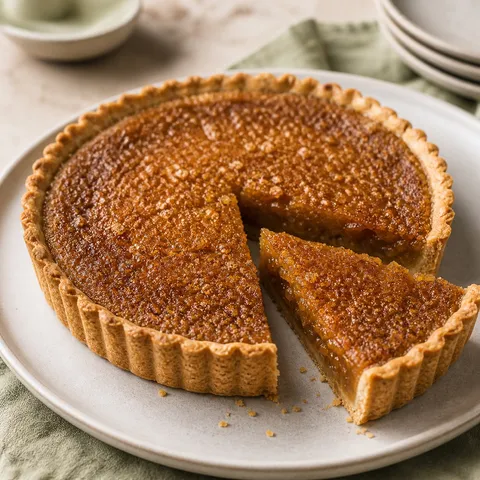
 Treacle Tart
A sweet, sticky tart filled with golden syrup and fresh breadcrumbs, with a gently caramelized top and a hint of lemon — Harry Potter's favorite dessert.