 British & Irish Images are for illustrative purposes only, may be inaccurate, and do not guarantee the presence or absence of specific ingredients.
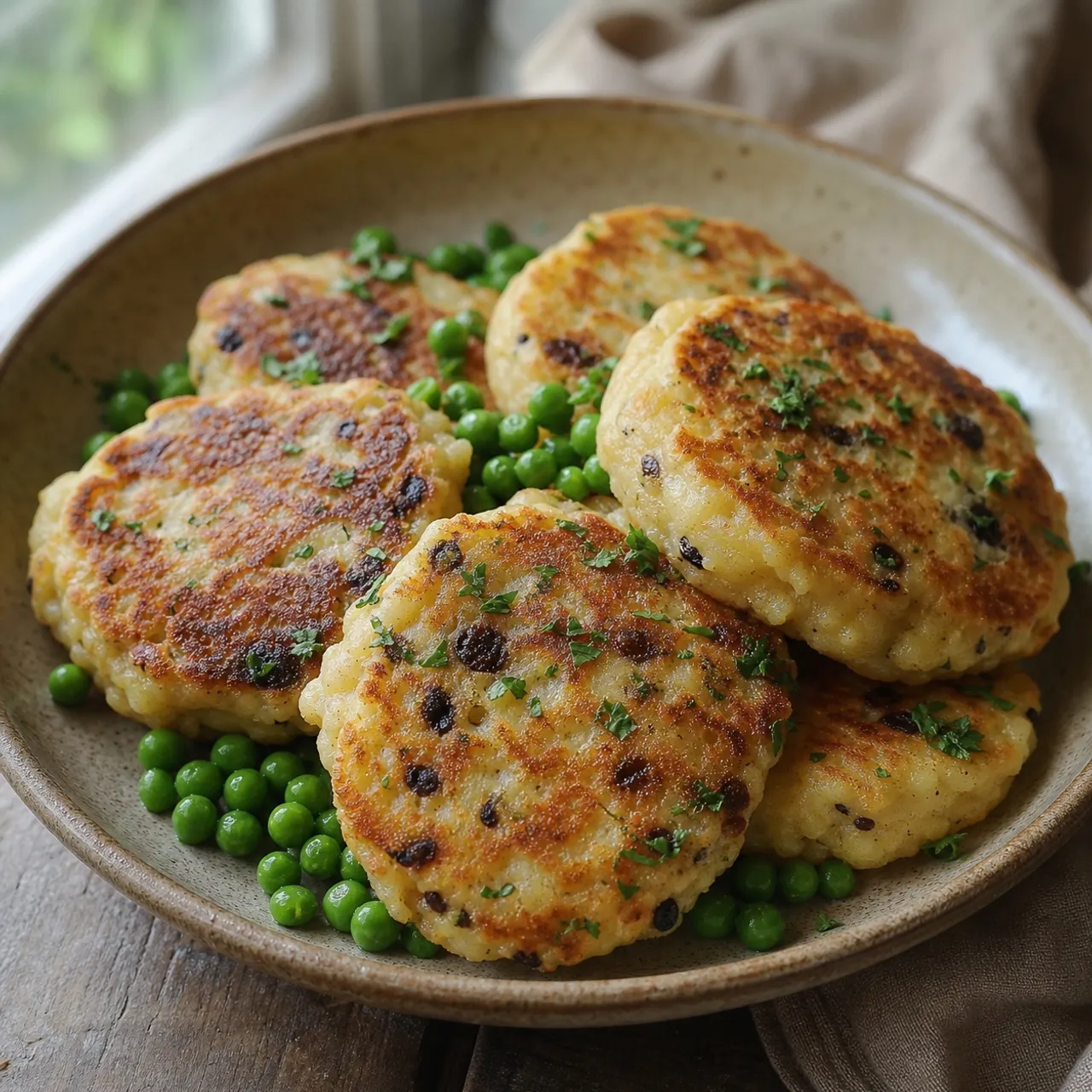
 Welsh Cakes
Small, lightly spiced griddle cakes studded with currants and dusted in sugar, a traditional Welsh teatime treat.
Contains common allergens
In the app, Listahan checks these against your household automatically.
Good to know
- Ready in under 30 minutes
Matched from this dish's own ingredients and timing. Browse more: 30-minute meals
Instructions
6 steps- 1
In a large bowl, whisk together the flour, sugar, baking powder, and nutmeg until evenly combined.
- 2
Rub the cold cubed butter into the dry ingredients with your fingertips until the mixture resembles fine breadcrumbs, then stir in the currants.
- 3
Add the beaten egg and milk and mix until a firm dough forms, adding a splash more milk only if it feels too dry to come together.
- 4
Roll the dough out on a floured surface to about 1/4 inch thick and cut into rounds with a 2 1/2-inch cutter, rerolling the scraps.
- 5
Heat a greased griddle or heavy skillet over medium-low heat and cook the cakes for 2 to 3 minutes per side until golden brown and cooked through to the center.
- 6
Transfer the warm cakes to a plate, dust generously with granulated sugar, and serve warm or at room temperature with butter or jam.
Listahan Family Score™
69/100
Works for many families
Score reflects how well this recipe fits a typical busy household. In the app, your Family Score is personalized to your household's allergens, kids, and pantry.
Nutrition
per serving655
Calories
9 g
Protein
74 g
Carbs
37 g
Fat
Estimated per serving. Actual values depend on the brands and portions you use.
Listahan cooking guide
Chef notes & practical guide
Technique notes, ingredient swaps, serve-alongside ideas, storage guidance, and equipment for this recipe.
Cultural context
Welsh cakes are tied to the bakestone, or maen, the flat griddle used in Welsh kitchens for quick breads and small cakes. They sit somewhere between a scone, a cookie, and a pancake: rolled like pastry, cooked on the stovetop, and usually eaten warm with sugar clinging to the surface.
Listahan note
This version keeps the dough simple and home-kitchen friendly, with nutmeg, currants, and a firm texture that rolls cleanly. The main priority is gentle heat so the outside browns while the center cooks through instead of staying doughy.
Technique cues
- Rub the butter in thoroughly before adding liquid. Fine, even crumbs give the cakes their short, tender texture without needing much mixing later.
- Keep the griddle at medium-low rather than chasing fast browning. Welsh cakes need a few quiet minutes so the middle sets before the outside gets too dark.
- Dust with sugar while the cakes are still warm. The heat helps the sugar stick and gives the surface the familiar sandy finish.
Kitchen flow
- Parallel prep
- Set out the cutter, flour the counter, and heat the griddle while the dough comes together; once rolled, the cakes cook quickly.
- Make-ahead
- Mix and cut the rounds earlier in the day, then chill them covered until you are ready to griddle.
- Leftover move
- Split a leftover cake and toast it lightly, then spread with butter and jam for a quick breakfast.
- Cleanup rhythm
- Wipe stray flour from the counter before cooking, then let the griddle cool and brush off sugar before washing.
Ingredient brief
Role, handling, and swap guidance for each key ingredient.
All-purpose flour
Dough structure
Purpose: It gives the cakes enough body to roll and cut while keeping the crumb softer than bread dough.
Handling: Flour the counter lightly before rolling so the dough moves without becoming dry.
Adaptation: A portion of whole wheat flour can add a nuttier taste, but too much will make the cakes denser.
Granulated sugar
Sweetness and finish
Purpose: It sweetens the dough and also creates the simple sugared coating after cooking.
Handling: Whisk it into the dry ingredients first so the dough seasons evenly.
Adaptation: Caster sugar dissolves a little more smoothly if you have it, but regular granulated sugar works well.
Ground nutmeg
Warm spice note
Purpose: Nutmeg gives Welsh cakes a gentle bakery aroma without taking over the currants and butter.
Handling: Measure with a light hand because the cakes are small and the spice comes through quickly.
Adaptation: A small amount of mixed spice or cinnamon gives a different teatime profile if nutmeg is not on hand.
Cold unsalted butter, cubed
Tenderness and richness
Purpose: Cold butter rubbed into the flour creates a crumbly, short texture rather than a bready one.
Handling: Cut it small and work quickly with your fingertips so it stays cool while you rub it in.
Adaptation: Salted butter can be used for a slightly more savory edge; expect the flavor to be a bit fuller.
Currants
Fruit studding
Purpose: Currants add small bursts of sweetness that distribute neatly through the thin cakes.
Handling: Stir them in after the butter is rubbed in so they do not get crushed while mixing.
Adaptation: Raisins can work if chopped smaller, though they make the bites sweeter and chewier.
Large egg, beaten
Binder
Purpose: The egg helps the dough hold together and gives the cakes a richer, more cohesive crumb.
Handling: Beat it before adding so it mixes into the flour without streaks.
Adaptation: Use a little extra milk only if the dough will not come together, but keep it firm enough to roll.
Technique notes
- The dough should feel firm but not crumbly. If dry flour remains in the bowl, add milk a teaspoon at a time rather than pouring freely.
- Roll to an even 1/4 inch so every cake cooks at the same pace. Thicker rounds brown before the center is ready.
- Use a light coating of grease on the pan, not a puddle. Too much fat makes the surface fry instead of dry-griddle.
Ingredient swaps
- Spice adjustment
- Use cinnamon or mixed spice in place of nutmeg for a warmer, more familiar North American bakery flavor.
- Fruit variation
- Swap currants for finely chopped raisins or dried cranberries; larger fruit pieces need chopping so the rounds cut cleanly.
- Richer finish
- Brush the warm cakes lightly with melted butter before dusting with sugar for a softer, more bakery-style surface.
Serve alongside
- Salted butter and strawberry jam
- Lemon curd
- Sharp cheddar slices
- Stewed rhubarb
- Strong black tea
- Earl Grey tea
- Cold milk
Serving suggestions only — check pairings for your household's allergens.
Storage & reheating
- Store cooled Welsh cakes in a sealed container in the refrigerator if keeping them beyond the first day; the sugared surface will soften as they sit.
- Reheat in a dry skillet or toaster oven until warm, then add a fresh pinch of sugar if desired.
- Freeze in a single layer, transfer to a bag once firm, and thaw at room temperature before warming on a griddle.
Equipment
- Large mixing bowl
- Rolling pin
- 2 1/2-inch round cutter
- Heavy skillet or griddle
Make this household-aware
Listahan Pro checks this recipe against your household's allergens, finds pantry-aware swaps, builds the shopping list, and helps you plan the week around it.
Plan it in Listahan
Add Welsh Cakes to your week, check it against your household's allergens, and build the shopping list automatically.
More British & Irish recipes
 British & Irish Lens Verified Images are for illustrative purposes only, may be inaccurate, and do not guarantee the presence or absence of specific ingredients.
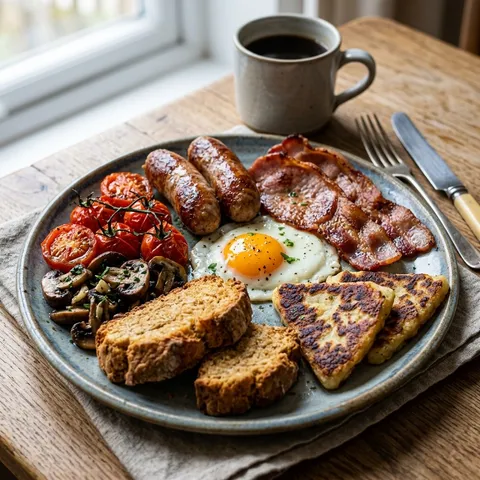
 Ulster Fry
Northern Ireland's legendary fry-up: bacon, sausages, eggs, black pudding, potato bread, and soda bread — fuller and heartier than its English cousin.
 British & Irish Lens Verified Images are for illustrative purposes only, may be inaccurate, and do not guarantee the presence or absence of specific ingredients.
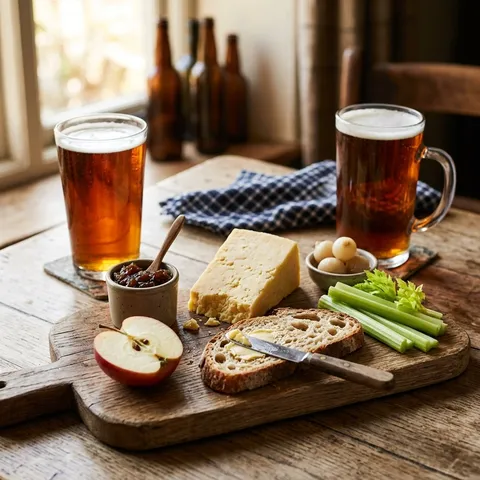
 Ploughman's Lunch
Sharp aged cheddar, crusty bread, tangy Branston pickle, and a boiled egg — a beloved no-cook British lunch that's greater than the sum of its parts.
 British & Irish Lens Verified Images are for illustrative purposes only, may be inaccurate, and do not guarantee the presence or absence of specific ingredients.
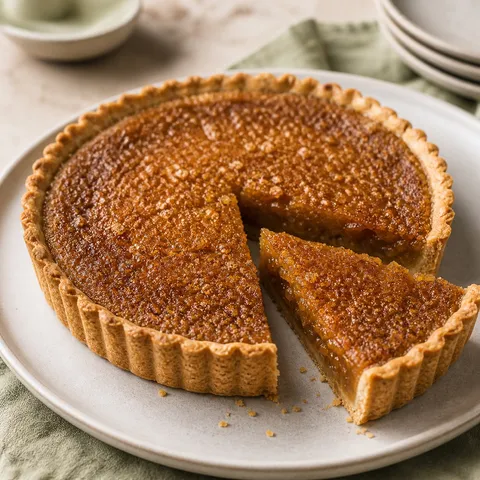
 Treacle Tart
A sweet, sticky tart filled with golden syrup and fresh breadcrumbs, with a gently caramelized top and a hint of lemon — Harry Potter's favorite dessert.