 Spanish Images are for illustrative purposes only, may be inaccurate, and do not guarantee the presence or absence of specific ingredients.
  Serving Images are for illustrative purposes only, may be inaccurate, and do not guarantee the presence or absence of specific ingredients.
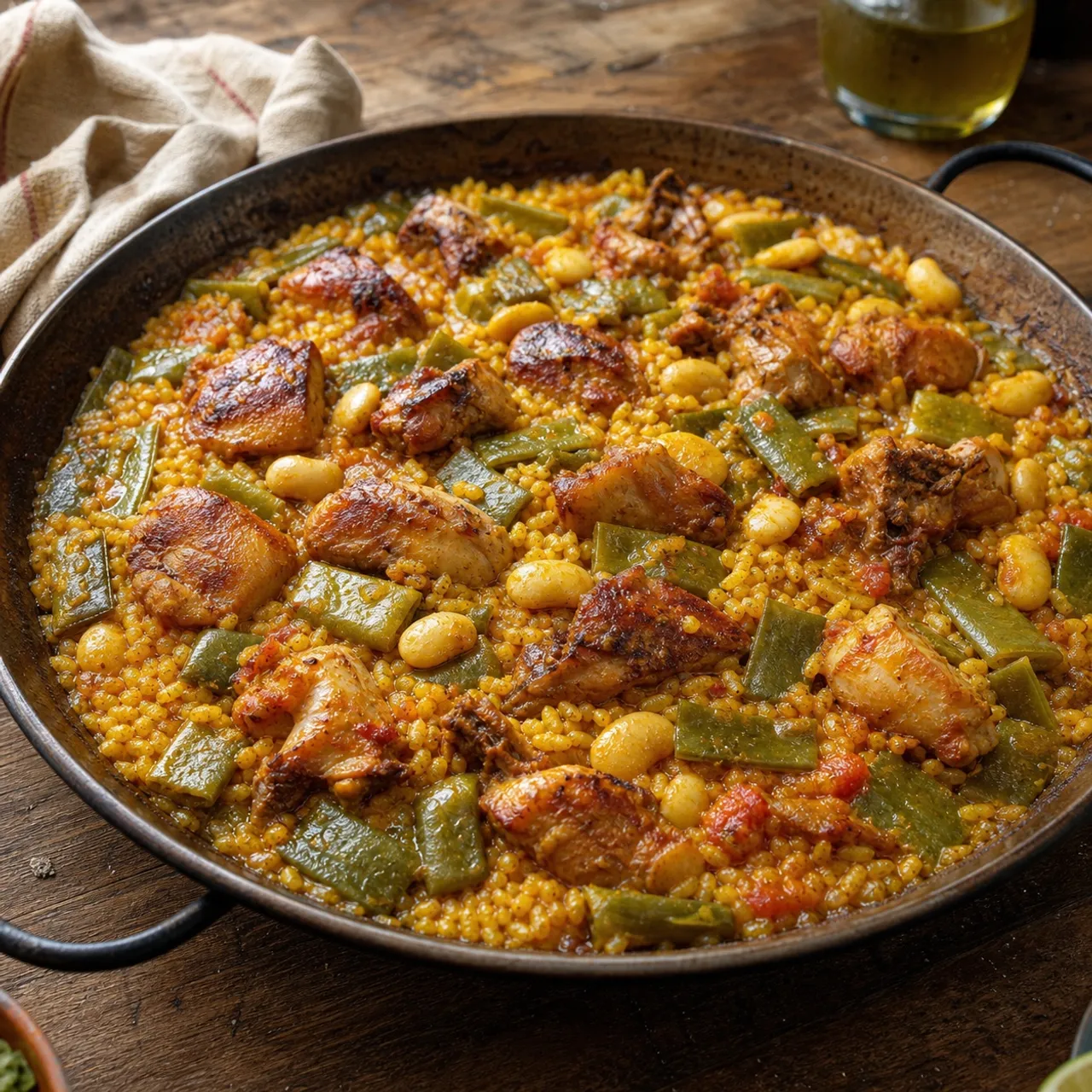
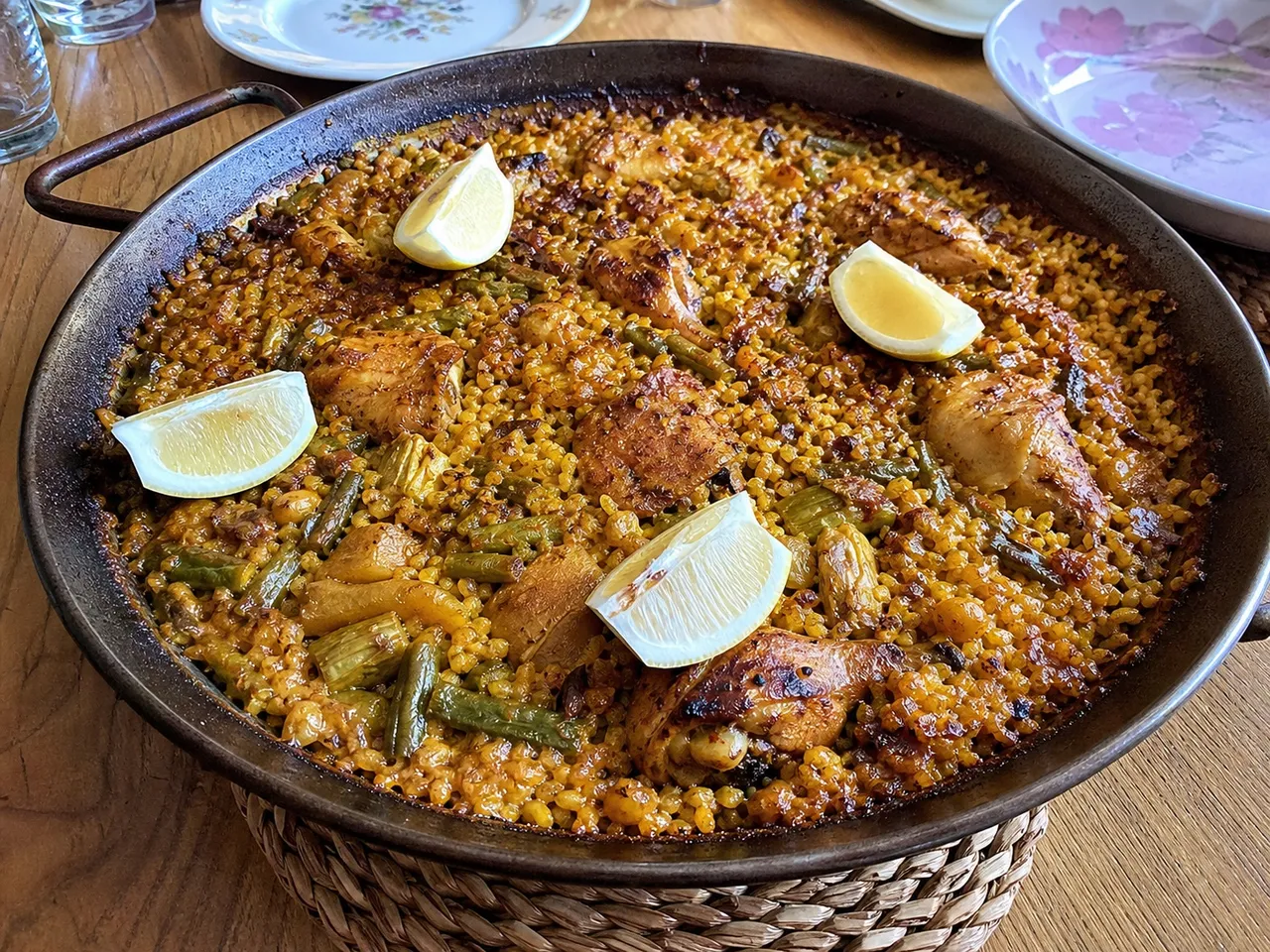
 Paella Valenciana
Spain's iconic saffron-scented rice, slow-cooked with chicken, rabbit, and sweet snap peas until a golden crust forms on the bottom.
No common allergens detected
Based on this recipe's ingredient list. Always verify with your own brands and labels.
Instructions
6 steps- 1
Sear the Meats: Heat olive oil in a 15-inch paella pan over medium-high heat. Add chicken and rabbit, seasoning generously with salt. Sear for 10-12 minutes until deeply golden brown and crisp.
- 2
Cook the Vegetables: Push the meat to the outer edges of the pan. Add the green beans and lima beans to the center, sautéing for 5 minutes until slightly blistered. Add grated tomato and cook until its liquid evaporates.
- 3
Toast Spices and Rice: Sprinkle in the smoked paprika, stirring constantly for 15 seconds to prevent burning. Pour the rice in a line across the diameter of the pan, then fold it into the oil, meats, and vegetables to toast for 2 minutes.
- 4
Add Broth and Saffron: Carefully pour in the hot broth and crumble the saffron threads evenly over the surface. Gently shake the pan by the handles to level the rice. Do not stir after this step.
- 5
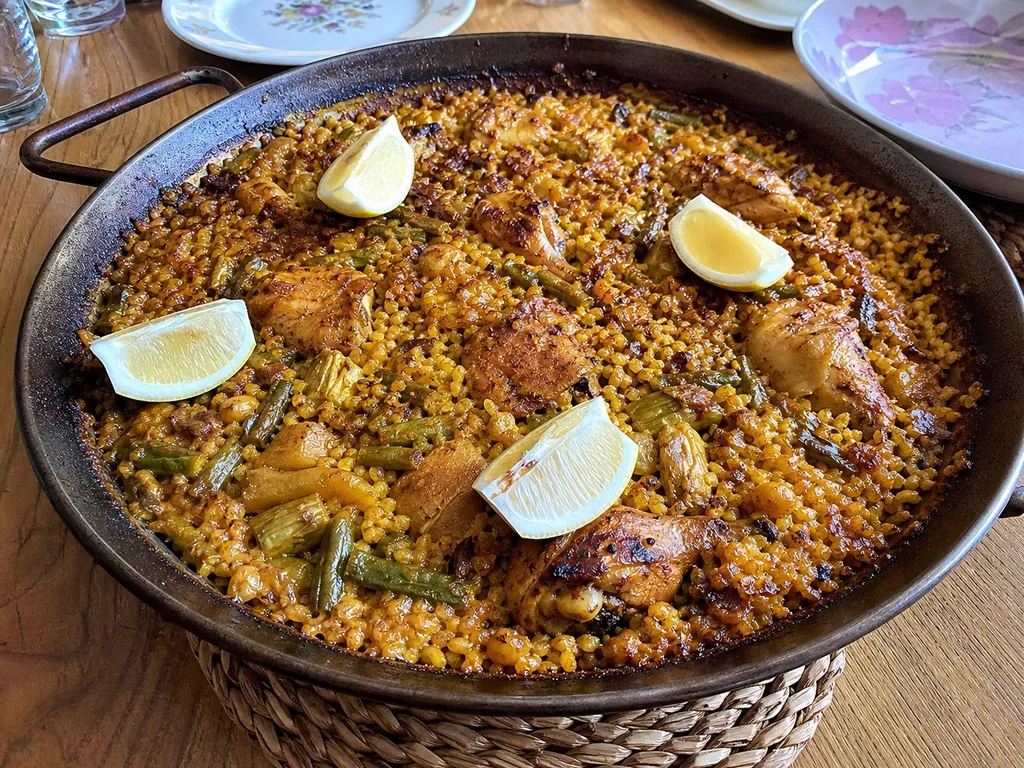
Simmer and Form Socarrat: Boil vigorously for 8-10 minutes. Reduce heat to low and simmer for another 8-10 minutes until the liquid is mostly absorbed and small craters form on the surface. Increase heat to medium-high for 1-2 minutes until you hear a crackling sound, forming the crispy bottom crust (socarrat).
- 6
Rest: Remove from heat, cover with a clean cloth, and rest for 5 minutes before serving.
 Images are for illustrative purposes only, may be inaccurate, and do not guarantee the presence or absence of specific ingredients.
 Listahan Family Score™
68/100
Works for many families
Score reflects how well this recipe fits a typical busy household. In the app, your Family Score is personalized to your household's allergens, kids, and pantry.
Nutrition
per serving840
Calories
49 g
Protein
94 g
Carbs
29 g
Fat
Estimated per serving. Actual values depend on the brands and portions you use.
Listahan cooking guide
Chef notes & practical guide
Technique notes, ingredient swaps, serve-alongside ideas, storage guidance, and equipment for this recipe.
Cultural context
Paella was born in the marshy farmlands around Valencia in the 19th century, cooked outdoors over orange-wood fires by laborers using whatever the land gave them: rabbit, chicken, snails, and seasonal beans. The authentic Valenciana version contains no seafood at all, which surprises many people who assume paella is a seafood dish. The name comes from the wide, shallow pan it is cooked in, and the prized part of any paella is the socarrat, the toasted crust of rice that forms on the bottom.
Listahan note
This version keeps the land-based Valencian roots with chicken and rabbit-style proteins, and focuses on coaxing out that crackly socarrat crust most home cooks miss.
Technique cues
- Toast the rice in the flavored oil for a minute before adding stock so each grain seals and stays separate instead of turning to mush.
- Resist stirring once the stock goes in; paella is not risotto, and stirring releases starch that ruins the dry, individual-grain texture you want.
- Listen for a faint crackle near the end and let the heat run another minute or two to build the socarrat, the toasted bottom layer that defines a real paella.
Kitchen flow
- Parallel prep
- While the chicken browns, steep the saffron in warm stock and chop the sofrito vegetables so everything is ready before the rice goes in.
- Make-ahead
- Brown the proteins and build the sofrito a day ahead, then refrigerate; reheat and add rice and stock fresh for the best texture.
- Leftover move
- Press cold leftover paella into a hot oiled pan and crisp it like a cake, or fold it into stuffed peppers.
- Cleanup rhythm
- Soak the pan immediately after serving so the socarrat lifts away easily, then scrub with a flat wooden spatula rather than steel wool.
Ingredient brief
Role, handling, and swap guidance for each key ingredient.
Bomba rice
the structural backbone
Purpose: Bomba absorbs three times its volume in liquid while staying firm, so it soaks up flavor without going gluey.
Handling: Measure it by volume against your stock and spread it evenly across the pan rather than mounding it.
Adaptation: Calasparra or any short-grain paella rice works; in a pinch arborio holds up but reduce the liquid slightly.
Saffron
color and aroma signature
Purpose: Saffron gives paella its golden hue and a subtle floral, honeyed depth no other spice replicates.
Handling: Toast the threads briefly and steep them in a little warm stock to release the most color before adding.
Adaptation: A pinch of saffron-free bijol or turmeric gives color but not the aroma; use sparingly so it does not turn bitter.
Chicken thighs
primary protein and fat source
Purpose: Bone-in thighs render fat that flavors the rice and stay juicy over the long, dry cooking time.
Handling: Brown them well first to build the fond that the rice will later cook into.
Adaptation: Rabbit is the traditional partner; for a lighter version use bone-in chicken drumsticks.
Green beans and butter beans
traditional vegetable component
Purpose: Flat green beans and large white garrofo beans are the authentic Valencian vegetables, adding sweetness and body.
Handling: Cut the green beans into short lengths and add them early so they soften into the dish.
Adaptation: Lima beans stand in well for garrofo, and any flat or romano bean works for the green.
Smoked paprika
aromatic base
Purpose: Pimenton gives the sofrito its smoky, earthy backbone that ties the whole pan together.
Handling: Stir it into the oil off direct high heat for only a few seconds so it blooms without scorching.
Adaptation: Sweet paprika plus a tiny drop of liquid smoke approximates the smoked depth.
Technique notes
- Spread the rice in an even layer and do not stir again; rotate the pan over the burner so the socarrat forms evenly across the bottom.
- Use roughly twice as much stock as rice by volume and keep it hot when it goes in so the cooking temperature never drops.
- Rest the finished paella under a clean towel for five minutes off the heat; the grains firm up and the flavors settle.
Ingredient swaps
- Gluten-free direction
- Paella is naturally gluten-free; just confirm your stock and paprika are not cut with wheat-based fillers.
- Vegetarian direction
- Drop the meat and build the rice on a rich vegetable stock with artichokes, peppers, and extra beans.
- Weeknight shortcut
- Use boneless thighs and a good-quality boxed stock to cut the cooking time roughly in half.
Serve alongside
- Pan con tomate
- Escalivada (roasted pepper and eggplant salad)
- Simple green salad with sherry vinaigrette
- Marcona almonds with olives
- Chilled Spanish rosado
- Dry cava
- Sangria with citrus
Serving suggestions only — check pairings for your household's allergens.
Storage & reheating
- Refrigerate leftovers within two hours in a shallow container for up to three days. Reheat gently in a covered skillet with a splash of stock to revive the rice rather than microwaving it dry. Paella can be frozen but the rice softens, so it is best used in croquettes or arancini after thawing.
Equipment
- Wide shallow paella pan or large skillet
- Burner or grill wide enough to heat the whole pan base
- Flat wooden spatula
- Small saucepan for keeping stock hot
Make this household-aware
Listahan Pro checks this recipe against your household's allergens, finds pantry-aware swaps, builds the shopping list, and helps you plan the week around it.
Plan it in Listahan
Add Paella Valenciana to your week, check it against your household's allergens, and build the shopping list automatically.
More Spanish recipes
 Spanish Lens Verified Images are for illustrative purposes only, may be inaccurate, and do not guarantee the presence or absence of specific ingredients.
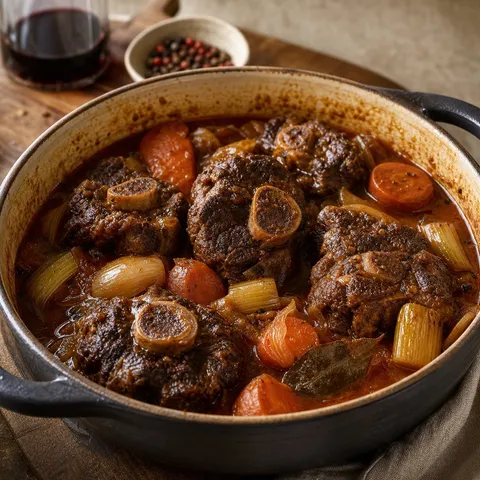
 Rabo de Toro
Oxtail slow-braised for hours with red wine, vegetables, and cloves until the meat falls from the bone in a deeply savoury, velvety Andalusian stew.
 Spanish Lens Verified Images are for illustrative purposes only, may be inaccurate, and do not guarantee the presence or absence of specific ingredients.
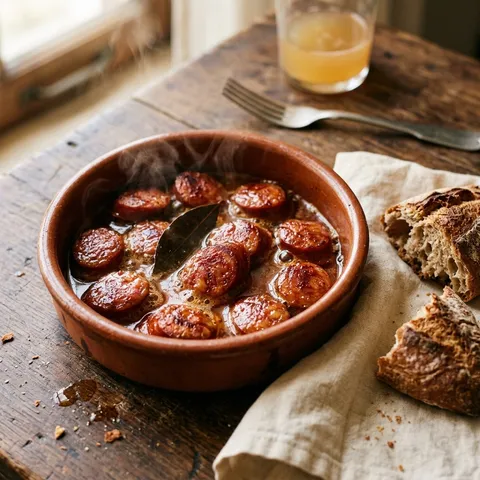
 Chorizo a la Sidra
Sliced Spanish chorizo simmered in dry Asturian cider until the sauce is tangy, smoky, and gloriously red — a quick tapas that pairs beautifully with beer.
 Spanish Lens Verified Images are for illustrative purposes only, may be inaccurate, and do not guarantee the presence or absence of specific ingredients.
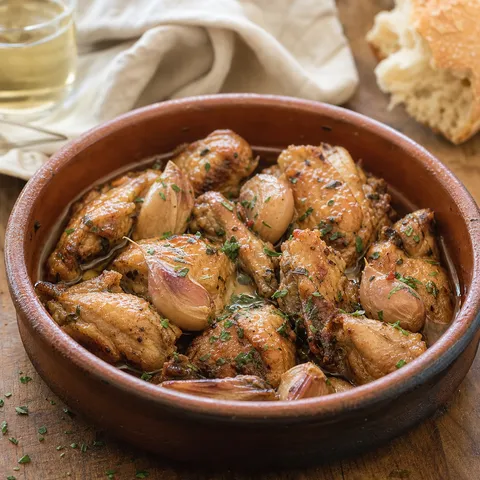
 Pollo al Ajillo
Chicken pieces braised in white wine and a generous amount of garlic until the sauce is sticky, fragrant, and impossible to resist mopping up.