 West African Images are for illustrative purposes only, may be inaccurate, and do not guarantee the presence or absence of specific ingredients.
  Serving Images are for illustrative purposes only, may be inaccurate, and do not guarantee the presence or absence of specific ingredients.
 Nigerian Coconut Rice
Fragrant parboiled rice simmered in fresh coconut milk with peppers and spices until each grain is rich, tender, and faintly sweet.
No common allergens detected
Based on this recipe's ingredient list. Always verify with your own brands and labels.
Good to know
- One-pot
Matched from this dish's own ingredients and timing. Browse more: one-pot dinners
Instructions
6 steps- 1
Heat the oil in a heavy pot over medium heat and saute the diced onion for 2 minutes until softened and fragrant.
- 2
Pour in the blended tomato, red bell pepper, and scotch bonnet mixture and fry for 8 to 10 minutes, stirring often, until the raw smell disappears and the sauce thickens.
- 3
Stir in the curry powder, thyme, and 1 1/2 teaspoons salt, then add the coconut milk and chicken stock and bring to a gentle boil.
- 4
Add the rinsed rice, stir once, and make sure the liquid sits about half an inch above the grains.
- 5
Cover tightly and simmer over low heat for 25 to 30 minutes, checking occasionally and adding a little warm stock if it dries before the rice is tender.
- 6
Once the liquid is absorbed and the rice is fluffy, turn off the heat, let it steam covered for 5 minutes, then fluff and serve with grilled chicken or fried plantain.
 Images are for illustrative purposes only, may be inaccurate, and do not guarantee the presence or absence of specific ingredients.
 Listahan Family Score™
69/100
Works for many families
Score reflects how well this recipe fits a typical busy household. In the app, your Family Score is personalized to your household's allergens, kids, and pantry.
Nutrition
per serving1045
Calories
24 g
Protein
111 g
Carbs
60 g
Fat
Estimated per serving. Actual values depend on the brands and portions you use.
Listahan cooking guide
Chef notes & practical guide
Technique notes, ingredient swaps, serve-alongside ideas, storage guidance, and equipment for this recipe.
Cultural context
Coconut rice is a Sunday-table and party staple across southern Nigeria, where coconut palms grow along the coast and the milk has long been a way to enrich a pot of rice without relying on meat stock. Unlike Nigerian jollof, which is built on a long-cooked pepper-and-tomato base, coconut rice leans on the sweetness and body of coconut milk, often carrying just enough scotch bonnet, curry, and thyme to keep it savory. It sits in the same celebratory category as jollof but reads gentler and creamier, which is why families serve it alongside fried plantain and grilled meat or fish.
Listahan note
This version keeps the coconut milk forward and the heat dialed to a family-friendly warmth, so it lands as a comforting one-pot rice rather than a fiery one. It uses curry powder and thyme the way a Nigerian kitchen would, building flavor into the cooking liquid instead of dumping spice on at the end.
Technique cues
- Toast the rinsed rice in the seasoned oil for a minute before the liquid goes in so the grains stay separate instead of turning to porridge under the rich coconut milk.
- Use full-fat coconut milk for the first measure of liquid and top up with water or stock, because all-coconut-milk pots tend to scorch on the bottom before the rice is done.
- Let the pot steam undisturbed on low for the last ten minutes with the lid on; stirring while the coconut starch sets is what makes rice clump and go gummy.
Kitchen flow
- Parallel prep
- While the onions sweat, rinse and drain the rice and mince the pepper so everything is ready to go into the pot in sequence.
- Make-ahead
- Dice the onion and measure the spices a day ahead; the rice itself is best cooked fresh since reheated rice firms up.
- Leftover move
- Fry leftovers in a hot pan with a little oil and a beaten egg the next morning for a quick coconut fried rice.
- Cleanup rhythm
- Fill the sticky pot with warm water and a drop of soap to soak while you eat so the coconut starch lifts off easily.
Ingredient brief
Role, handling, and swap guidance for each key ingredient.
Long-grain rice
the base grain
Purpose: Long-grain stays fluffy and separate, which keeps the dish from turning sticky once the coconut milk reduces.
Handling: Rinse under cold water until it runs clear to wash off surface starch, then drain well.
Adaptation: Basmati works and adds aroma; avoid short-grain or arborio, which go creamy and lose the fluffy texture.
Coconut milk
the defining cooking liquid
Purpose: It carries the dish, giving the rice its richness, faint sweetness, and the pale ivory color that sets it apart from jollof.
Handling: Shake the can before opening so the thick cream and thin liquid combine evenly.
Adaptation: Light coconut milk lightens the dish; a coconut-cream-plus-water mix gives an even richer pot if you want it more luxurious.
Scotch bonnet pepper
the heat and fruity aroma
Purpose: Scotch bonnet brings the floral, fruity heat that is signature to West African pots, not just generic spice.
Handling: Mince finely for more heat, or drop it in whole and fish it out before serving for aroma with a gentler burn.
Adaptation: Habanero is the closest stand-in; for a mild pot use a pinch of cayenne or skip it entirely for young eaters.
Curry powder
the warm savory backbone
Purpose: Nigerian curry powder leans warm and earthy and is what gives coconut rice its familiar golden, savory depth.
Handling: Bloom it in the oil with the onions for thirty seconds so it smells toasty rather than raw and dusty.
Adaptation: A mild yellow curry powder works; in a pinch combine turmeric, coriander, and a little cumin.
Onion
the aromatic foundation
Purpose: Sweated onion builds the savory base the coconut milk needs so the finished rice is not flatly sweet.
Handling: Dice finely and cook in oil until soft and translucent before the spices go in.
Adaptation: Shallots work for a milder, slightly sweeter base; a splash of onion powder covers it if you are out.
Thyme
the herbal lift
Purpose: Thyme is a quiet workhorse in Nigerian cooking and keeps the rich coconut from tasting one-note.
Handling: Add dried thyme with the spices so it has time to soften into the liquid.
Adaptation: Fresh thyme works; a small bay leaf added to the pot covers a similar herbal role.
Technique notes
- Cook on the lowest steady heat once the liquid is in; coconut milk caramelizes fast and a too-hot burner scorches the bottom before the top is tender.
- Lay a clean kitchen towel under the lid for the final steam to catch condensation and keep the surface grains from going soggy.
- Taste the cooking liquid for salt before the rice absorbs it, because once the grains soak it up there is no fixing an under-seasoned pot.
Ingredient swaps
- Weeknight shortcut
- Use frozen diced mixed vegetables stirred in for the last five minutes instead of prepping fresh carrots and peas.
- Lower-sodium direction
- Skip the bouillon cube and build flavor with extra onion, thyme, and a squeeze of lime at the end.
- Higher-protein direction
- Stir in shredded cooked chicken or seared shrimp in the last few minutes to turn it into a full one-pot meal.
Serve alongside
- Fried sweet plantain (dodo)
- Grilled suya-spiced beef skewers
- Nigerian moin moin (steamed bean pudding)
- Sliced tomato and onion salad with lime
- Chilled zobo (hibiscus) drink
- Chapman fruit punch
- Fresh pineapple-ginger juice
Serving suggestions only — check pairings for your household's allergens.
Storage & reheating
- Cool the rice within an hour and refrigerate in an airtight container for up to three days. Reheat with a splash of water or coconut milk in a covered pan over low heat, or microwave under a damp paper towel so the grains steam back to soft.
- It freezes for up to two months; thaw overnight in the fridge and refresh with a little liquid, since coconut rice firms up more than plain rice when chilled.
Equipment
- Heavy-bottomed pot with a tight lid
- Fine-mesh strainer for rinsing rice
- Clean kitchen towel for the final steam
- Wooden spoon for gentle stirring
Make this household-aware
Listahan Pro checks this recipe against your household's allergens, finds pantry-aware swaps, builds the shopping list, and helps you plan the week around it.
Plan it in Listahan
Add Nigerian Coconut Rice to your week, check it against your household's allergens, and build the shopping list automatically.
More West African recipes
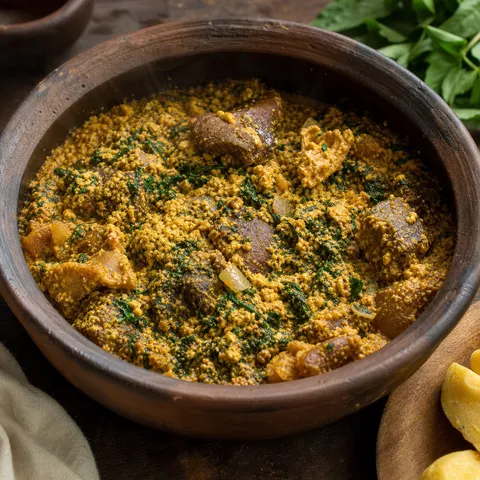 West African Lens Verified Images are for illustrative purposes only, may be inaccurate, and do not guarantee the presence or absence of specific ingredients.
 Egusi Soup
Ground melon seeds simmered with palm oil, leafy greens, and bold spices into a rich, nutty stew that's a cornerstone of Nigerian home cooking.
 West African Lens Verified Images are for illustrative purposes only, may be inaccurate, and do not guarantee the presence or absence of specific ingredients.
 Banku
A smooth, slightly tangy Ghanaian dough of fermented corn and cassava, cooked to a stretchy consistency — the perfect partner for okra stew or grilled tilapia.
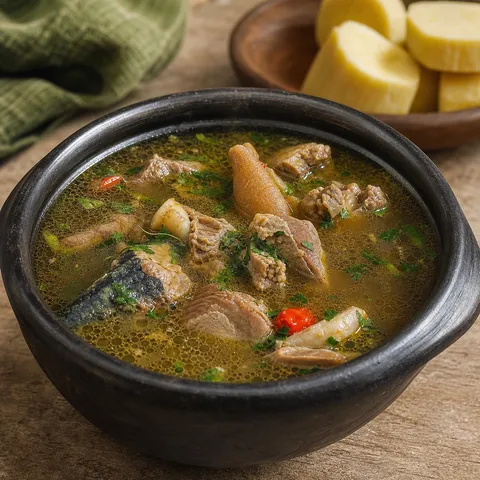 West African Lens Verified Images are for illustrative purposes only, may be inaccurate, and do not guarantee the presence or absence of specific ingredients.
 Pepper Soup
A piercingly spiced, crystal-clear broth simmered with goat meat or catfish and a blend of earthy Nigerian spices — warming, restorative, and intensely aromatic.