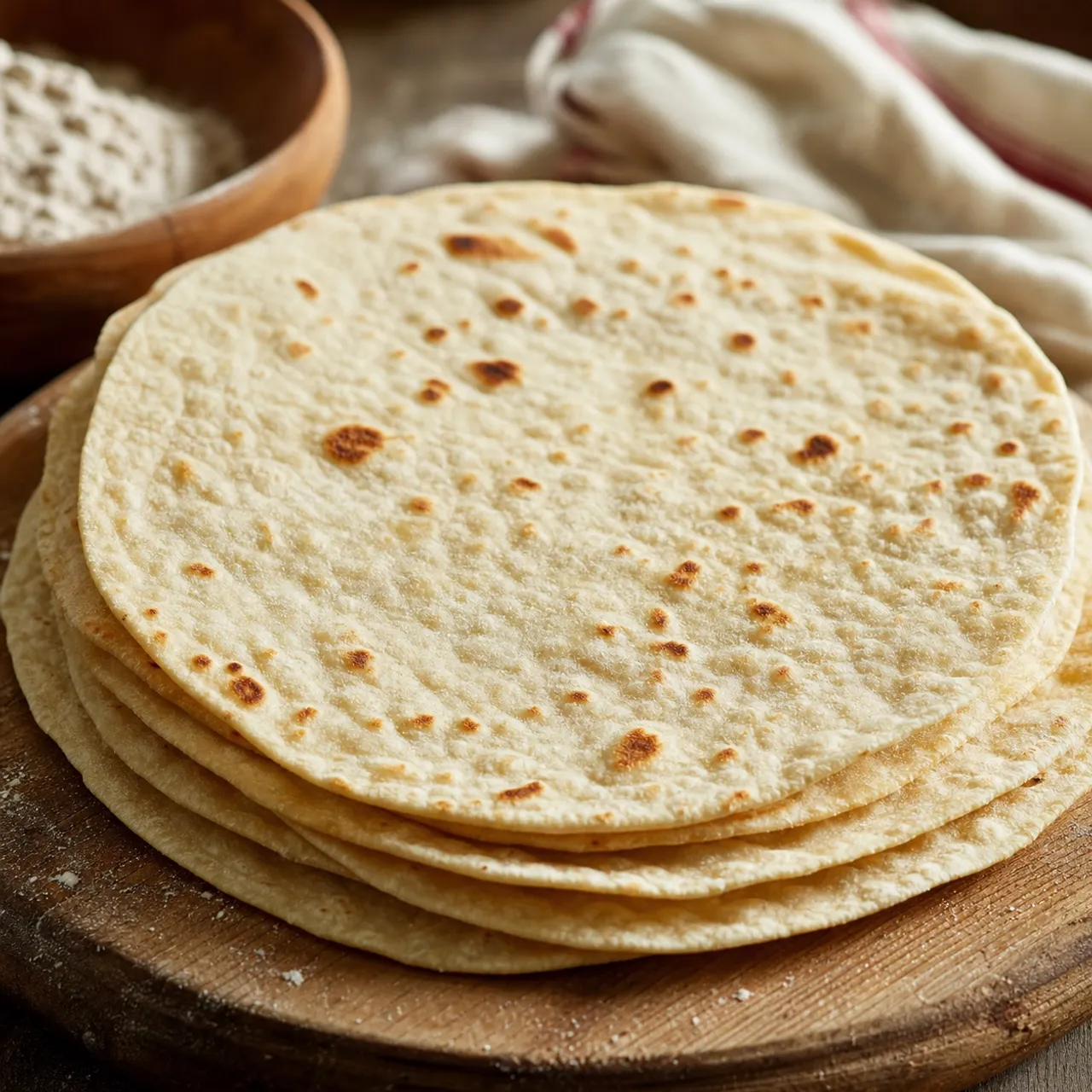
 Breads Images are for illustrative purposes only, may be inaccurate, and do not guarantee the presence or absence of specific ingredients.
 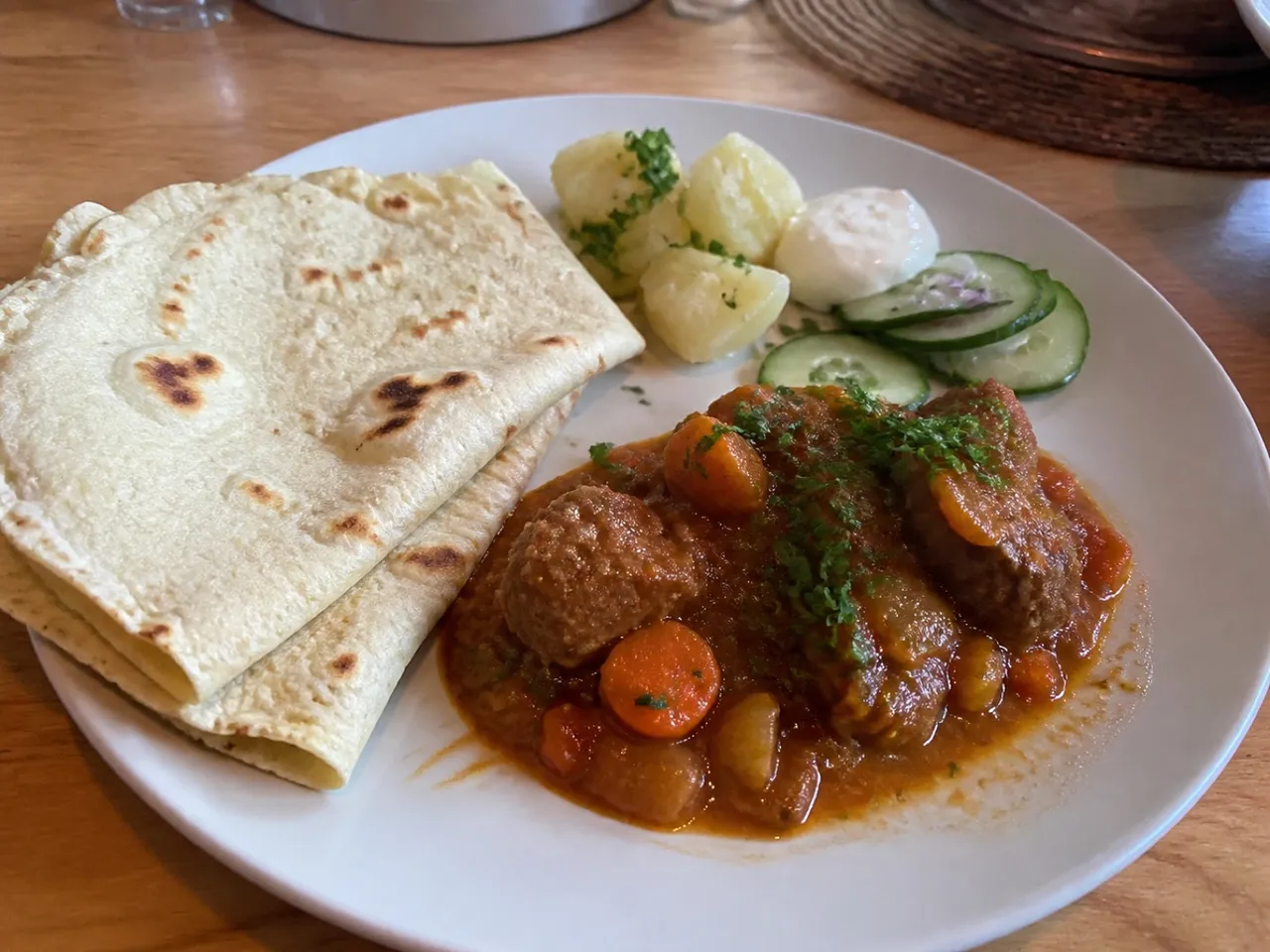 Serving Images are for illustrative purposes only, may be inaccurate, and do not guarantee the presence or absence of specific ingredients.
 Soft Flatbread (Mjukt Tunnbrod)
A traditional soft Swedish thin flatbread, pan-fried until tender and lightly blistered.
Contains common allergens
In the app, Listahan checks these against your household automatically.
Instructions
6 steps- 1
Crumble the fresh yeast into a large mixing bowl. Melt the butter in a saucepan, add the milk, and warm gently until just lukewarm, about 99°F (37°C).
- 2
Dissolve the yeast in a little of the warm milk mixture, then add the rest of the liquid along with the salt, sugar, corn syrup, and whole wheat flour. Gradually work in the all-purpose flour to form a soft dough.
- 3
Cover the bowl and let the dough rise in a warm place until puffy, about 45 minutes.
- 4
Turn the dough out onto a floured surface and divide it into 14 round balls. The dough should not be too stiff.
- 5
Roll each ball out very thin, about 1/8 inch (1/2 cm). Wrap the thin round around a rolling pin to lift it and brush away any excess flour.
- 6
Heat a dry or lightly greased frying pan over medium heat. Carefully lay each flatbread in the pan and fry about 2 minutes per side, until lightly blistered. Transfer to a cooling rack, cover with a towel, and let cool.
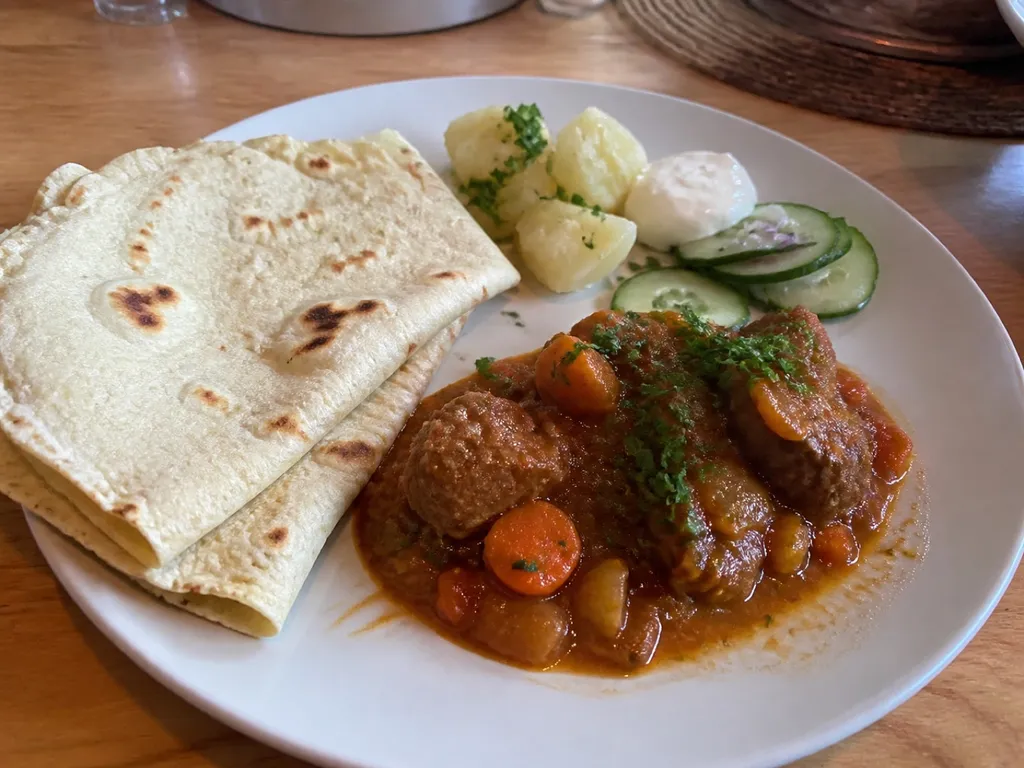 Images are for illustrative purposes only, may be inaccurate, and do not guarantee the presence or absence of specific ingredients.
 Listahan Family Score™
69/100
Works for many families
Score reflects how well this recipe fits a typical busy household. In the app, your Family Score is personalized to your household's allergens, kids, and pantry.
Nutrition
per serving200
Calories
6 g
Protein
32 g
Carbs
5 g
Fat
Estimated per serving. Actual values depend on the brands and portions you use.
Listahan cooking guide
Chef notes & practical guide
Technique notes, ingredient swaps, serve-alongside ideas, storage guidance, and equipment for this recipe.
Cultural context
Tunnbrod is a thin Swedish flatbread from the country's northern provinces, where it was traditionally baked on a griddle and stored to last through long winters. The soft version (mjukt) is rolled thicker and kept pliable so it can be folded around fillings, unlike the brittle crisp version. It remains a staple for wrapping cured meats, butter, and lingonberry at Swedish tables and holiday spreads.
Listahan note
This version keeps the flatbread soft and foldable by rolling it on the thicker side and pulling it off the griddle the moment it puffs, so it stays bendable for wraps rather than crisping up. It uses a touch of rye for the traditional nutty depth.
Technique cues
- Cook over fairly high, dry heat and pull each round off as soon as bubbles form and the edges set, so it stays soft instead of drying into a cracker.
- Stack the hot flatbreads under a clean towel as they come off the griddle; the trapped steam keeps them pliable for folding.
- Roll the dough thin but even, since thick spots stay doughy and thin spots scorch before the rest cooks.
Kitchen flow
- Parallel prep
- Heat the griddle while you roll the first few rounds, then keep a roll-and-cook rhythm going so the pan is never idle.
- Make-ahead
- Mix and chill the dough up to a day ahead; let it warm slightly before rolling for easier handling.
- Leftover move
- Wrap cold flatbread around cured salmon, butter, and dill for an instant Nordic lunch wrap.
- Cleanup rhythm
- Scrape the dry griddle between batches with a folded towel; no washing needed until the very end.
Ingredient brief
Role, handling, and swap guidance for each key ingredient.
rye flour
traditional flavor
Purpose: Rye gives tunnbrod its signature earthy, slightly tangy depth that plain wheat flatbread lacks.
Handling: Whisk it with the wheat flour first so it disperses evenly through the dough.
Adaptation: Whole wheat flour stands in if rye is unavailable, with a milder but still nutty result.
all-purpose flour
structure and softness
Purpose: Wheat flour brings the gluten that keeps the bread foldable rather than crumbly.
Handling: Reserve a little to dust the bench, since rye dough can be sticky.
Adaptation: Bread flour makes a chewier round; a gluten-free blend will not fold the same way.
buttermilk
tenderness and tang
Purpose: The acidity softens the crumb and adds a gentle sourness typical of Nordic breads.
Handling: Warm it slightly so it blends smoothly into the dough.
Adaptation: Plain milk with a squeeze of lemon, or a dairy-free milk plus vinegar, works fine.
baking powder
light lift
Purpose: A small amount keeps the soft version tender and airy without making it bready.
Handling: Sift it with the dry flours to avoid pockets of bitterness.
Adaptation: A pinch of baking soda plus the buttermilk acid gives a similar lift.
butter
richness
Purpose: A little fat keeps the flatbread supple and adds the buttery flavor Swedes brush on top.
Handling: Melt and cool slightly before mixing in, then brush more on warm.
Adaptation: Neutral oil or a vegan spread keeps it dairy-free.
Technique notes
- Dock the rolled rounds lightly with a fork to control puffing if you want flatter, evenly soft bread.
- Keep the heat steady; a griddle that swings hot and cold gives you scorched and pale patches on the same round.
- Brush each warm flatbread with melted butter the second it comes off, which seals in softness and adds flavor.
Ingredient swaps
- Dairy-free option
- Use plant milk soured with vinegar in place of buttermilk and oil in place of butter.
- Whole-grain direction
- Push the rye ratio higher for a darker, heartier flatbread, adding a splash more liquid to compensate.
- Weeknight shortcut
- Skip the rolling pin and pat the rounds out by hand for a rustic, faster batch.
Serve alongside
- Cured salmon (gravlax)
- Lingonberry jam
- Pickled cucumber salad
- Sliced cheese and butter
- Hot lingonberry tea
- Cold buttermilk
- Light pilsner
Serving suggestions only — check pairings for your household's allergens.
Storage & reheating
- Keep cooled flatbreads stacked in a sealed bag at room temperature for two days or refrigerated for five. Re-soften by wrapping in a damp towel and microwaving for ten seconds, or warming briefly on a dry griddle. They freeze well stacked with parchment between rounds for up to three months.
Equipment
- Cast-iron griddle or skillet
- Rolling pin
- Bench scraper
- Clean kitchen towel
Make this household-aware
Listahan Pro checks this recipe against your household's allergens, finds pantry-aware swaps, builds the shopping list, and helps you plan the week around it.
Plan it in Listahan
Add Soft Flatbread (Mjukt Tunnbrod) to your week, check it against your household's allergens, and build the shopping list automatically.
More Breads recipes
Rice Crust for Quiches or Pies
A simple pressed crust made from cooked rice that holds savory quiche and pie fillings beautifully.
 Breads Lens Verified Images are for illustrative purposes only, may be inaccurate, and do not guarantee the presence or absence of specific ingredients.
 Kentucky Biscuits
Tall, flaky Southern-style biscuits with a tender crumb, perfect with butter and jam.
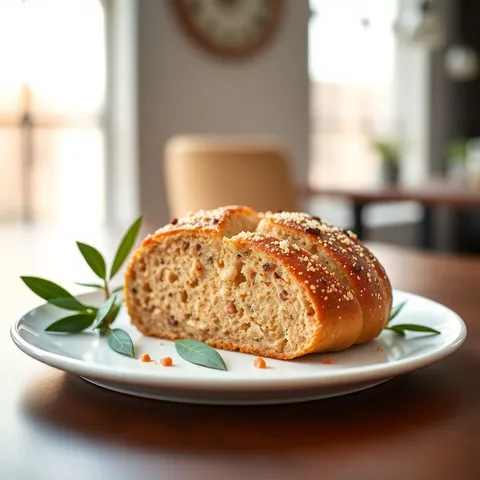 Breads Lens Verified Images are for illustrative purposes only, may be inaccurate, and do not guarantee the presence or absence of specific ingredients.
 Bread Machine Sage-Wheat Bread
A fragrant whole-wheat loaf scented with sage and a hint of cornmeal, made effortlessly in a bread machine.