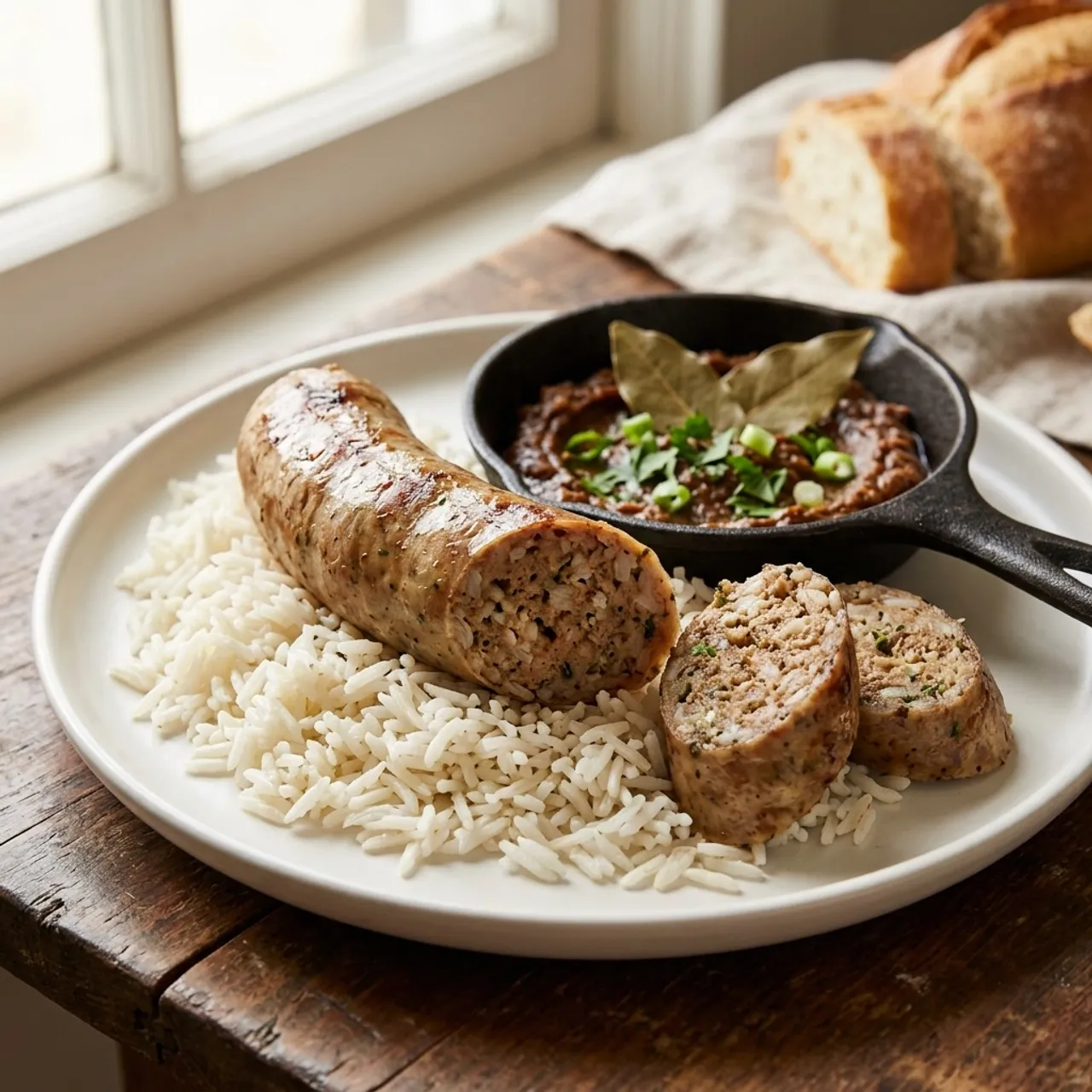
 Cajun & Creole Images are for illustrative purposes only, may be inaccurate, and do not guarantee the presence or absence of specific ingredients.
 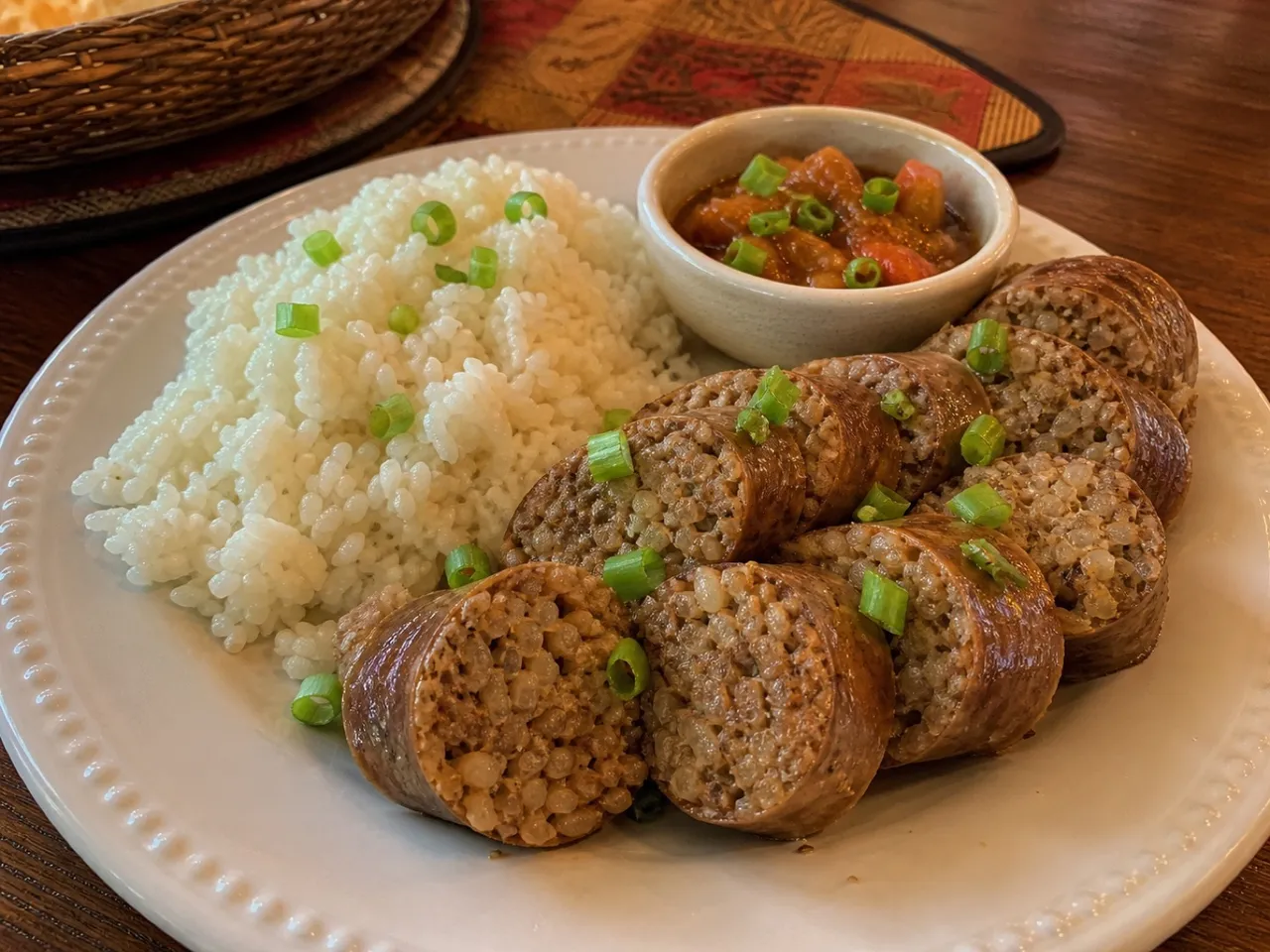 Serving Images are for illustrative purposes only, may be inaccurate, and do not guarantee the presence or absence of specific ingredients.
 Boudin Sausage
Steamed Cajun links stuffed with pork, rice, onion, and liver — smoky, savory, and deeply seasoned, best eaten by squeezing the filling straight from the casing.
Contains common allergens
In the app, Listahan checks these against your household automatically.
Instructions
6 steps- 1
Place the pork shoulder, liver, onion, bell pepper, and celery in a large pot. Cover with water and simmer for 1.5 to 2 hours until the meat is very tender.
- 2
Remove the meat and vegetables with a slotted spoon, reserving the cooking liquid. Let cool slightly.
- 3
Pass the cooked meat and vegetables through a meat grinder fitted with a coarse die.
- 4
In a large bowl, mix the ground meat mixture with the cooked rice, green onions, parsley, and Cajun seasoning.
- 5
Gradually stir in 1 to 2 cups of the reserved cooking broth until the mixture is moist and sticky but holds together.
- 6
Using a sausage stuffer, pipe the mixture into the soaked hog casings, twisting into 6-inch links. Poach gently in water before serving.
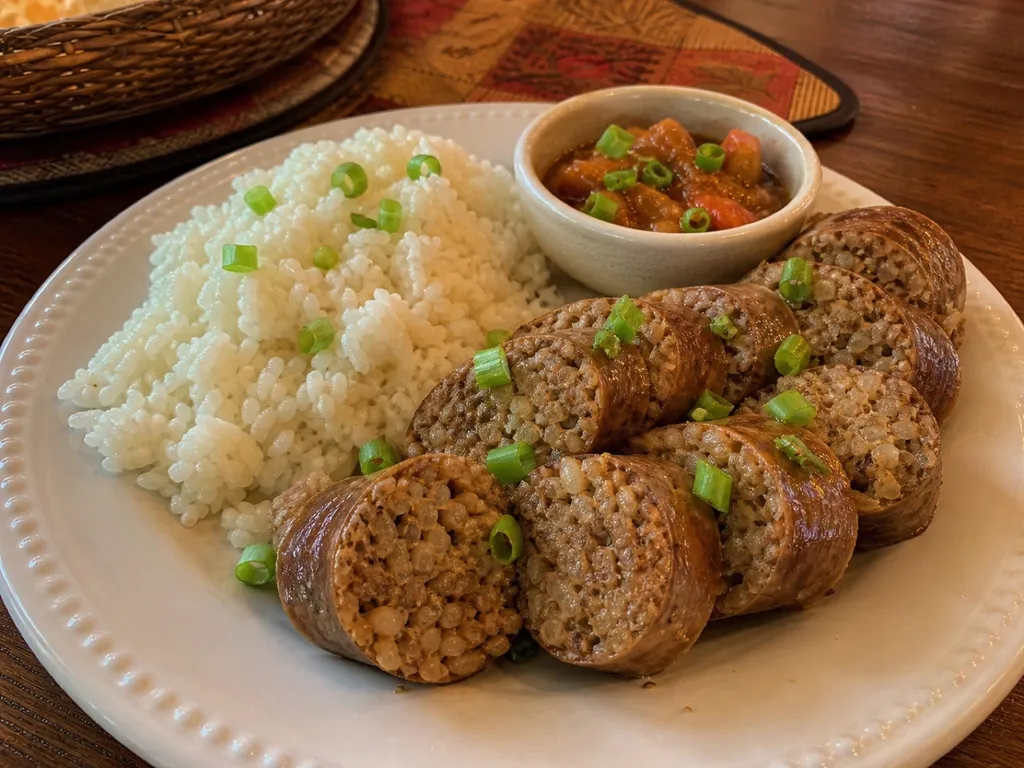 Images are for illustrative purposes only, may be inaccurate, and do not guarantee the presence or absence of specific ingredients.
 Listahan Family Score™
72/100
Good fit for most families
Score reflects how well this recipe fits a typical busy household. In the app, your Family Score is personalized to your household's allergens, kids, and pantry.
Nutrition
per serving1000
Calories
60 g
Protein
122 g
Carbs
27 g
Fat
Estimated per serving. Actual values depend on the brands and portions you use.
Listahan cooking guide
Chef notes & practical guide
Technique notes, ingredient swaps, serve-alongside ideas, storage guidance, and equipment for this recipe.
Cultural context
Boudin blanc — white boudin — is a distinctly Louisiana sausage unlike the blood-based French boudin noir or the rice-free smoked sausages found elsewhere in the South. Developed by Cajun communities in the Acadiana region of southwest Louisiana, it combines cooked pork, pork liver, rice, and the Cajun holy trinity in a natural casing to create a soft, steamed sausage that is eaten by squeezing the filling directly out of the casing or biting through the skin. Every small town in Acadiana claims to make the best boudin, and the regional variation in seasoning, liver ratio, and rice texture is taken very seriously.
Listahan note
This version balances pork shoulder and liver at roughly a three-to-one ratio and seasons the filling while it is still warm so the spices bloom into the fat — a detail that separates restaurant-quality boudin from the flat-tasting homemade version.
Technique cues
- Simmer the pork shoulder and liver together in a seasoned court bouillon rather than plain water — the flavored poaching liquid adds depth to the meat and can be used as the moistening liquid when mixing the filling with rice.
- Season the filling while it is still warm and workable, before mixing in the rice; warm fat carries spice far more efficiently than cold fat, and the seasoning will distribute more evenly through the whole batch.
- Stuff the casings loosely to about three-quarters of their capacity — boudin contains rice, which expands slightly when reheated by steaming, and an over-stuffed link will burst its casing before it reaches the table.
Kitchen flow
- Parallel prep
- While the pork and liver simmer, cook the rice in a separate pot using some of the strained poaching liquid; both will finish at about the same time for immediate mixing.
- Make-ahead
- Uncooked stuffed links keep refrigerated for three days or frozen for up to two months; steam directly from frozen, adding about five minutes to the steaming time.
- Leftover move
- Squeeze leftover boudin from the casing and pan-fry the loose filling as patties for breakfast, or roll into balls, bread with panko, and deep-fry for boudin balls.
- Cleanup rhythm
- Sausage-stuffer attachment parts should be rinsed in cold water immediately after use before the fat congeals; then wash in hot soapy water to clear the grease fully.
Ingredient brief
Role, handling, and swap guidance for each key ingredient.
pork shoulder
main protein base
Purpose: Pork shoulder has the right fat-to-lean ratio for boudin — enough fat to keep the filling moist and cohesive, but enough lean to provide texture and flavor.
Handling: Cut into two-inch cubes before simmering so it cooks evenly and is easy to grind or chop after draining.
Adaptation: Pork butt, which is the same cut from the upper shoulder, is interchangeable; some cooks add chicken thighs for a milder, slightly leaner version.
pork liver
flavor intensity and richness
Purpose: A modest amount of liver gives authentic boudin its distinctly earthy, slightly mineral flavor that distinguishes it from ordinary pork sausage.
Handling: Simmer the liver alongside the pork shoulder and grind or mince together; over-cooking the liver makes it grainy and bitter.
Adaptation: Reduce or omit the liver for a milder, all-pork version — called 'lean boudin' in Louisiana — which is more accessible for those who dislike offal.
long-grain white rice
filler and texture
Purpose: Cooked rice is the ingredient that makes Louisiana boudin unique; it absorbs the spiced pork fat and stretches the filling while contributing a gentle starchiness.
Handling: Cook the rice in the seasoned poaching liquid from the pork for maximum flavor integration; it should be fully cooked and slightly moist when mixed.
Adaptation: Cooked dirty rice — rice already seasoned with herbs and giblets — can replace plain rice in equal quantity for an even more complex filling.
natural pork casings
edible vessel
Purpose: Natural casings give boudin its signature snap when bitten and hold the soft filling under the steam pressure of reheating without bursting if not overfilled.
Handling: Soak in cold water for at least an hour, then rinse by running cold water through the interior of the casing to clear any salt and check for holes.
Adaptation: Collagen casings from a butcher supply shop require no soaking and are more consistent in thickness, though they lack the natural snap of hog casing.
Technique notes
- Steam or simmer boudin links rather than grilling them over direct heat — the casing is delicate and will split over open flame before the interior heats through, which causes the filling to fall into the fire.
- The correct way to eat boudin in Louisiana is to bite off one end of the casing and squeeze the filling into your mouth, discarding the empty casing — it is a casual, hand-held food, not a knife-and-fork situation.
- A small smear of Creole mustard on each bite bridges the gap between the richly seasoned filling and the clean, mild casing and makes the experience feel complete.
Ingredient swaps
- Gluten-free direction
- All ingredients in traditional boudin are naturally gluten-free; verify your specific sausage casing brand does not use any wheat-based dusting or coating.
- Poultry direction
- Replace pork shoulder with chicken thighs for a lighter version called 'boudin de poulet'; keep a small amount of chicken liver for authentic depth.
- Weeknight shortcut
- Buy pre-made boudin from a Louisiana-style butcher shop or specialty food store and steam at home — the homemade version is rewarding but requires a full morning to make properly.
- Lower-fat direction
- Increase the rice-to-meat ratio and reduce or eliminate the liver to produce a leaner filling; the texture will be less dense but still satisfying.
Serve alongside
- Creole mustard for dipping
- cracklins (fried pork rinds)
- cold dill pickles
- cold Abita Turbodog
- sweet iced tea
Serving suggestions only — check pairings for your household's allergens.
Storage & reheating
- Cooked boudin keeps refrigerated for three days in a sealed container. Reheat by steaming over simmering water for eight minutes or microwaving in a damp paper towel for two minutes; avoid dry heat which dries the filling and splits the casing.
Equipment
- large pot for simmering the meat
- meat grinder or food processor for the filling
- sausage stuffer or KitchenAid stuffing attachment
- steamer insert or colander set over a pot for reheating
Make this household-aware
Listahan Pro checks this recipe against your household's allergens, finds pantry-aware swaps, builds the shopping list, and helps you plan the week around it.
Plan it in Listahan
Add Boudin Sausage to your week, check it against your household's allergens, and build the shopping list automatically.
More Cajun & Creole recipes
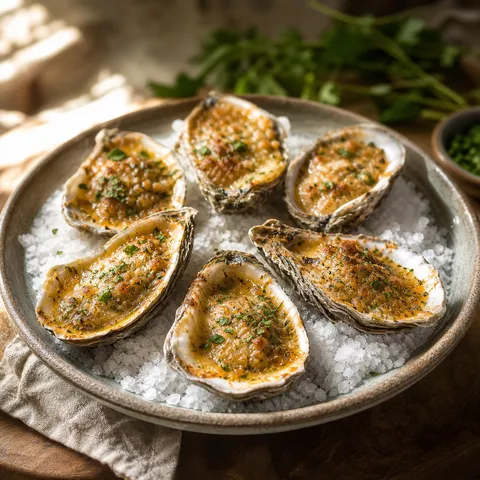 Cajun & Creole Lens Verified Images are for illustrative purposes only, may be inaccurate, and do not guarantee the presence or absence of specific ingredients.
 Oysters Bienville
A classic New Orleans baked oyster dish crowned with a rich shrimp-and-mushroom cream sauce, browned to perfection on the half shell.
 Cajun & Creole Lens Verified Images are for illustrative purposes only, may be inaccurate, and do not guarantee the presence or absence of specific ingredients.
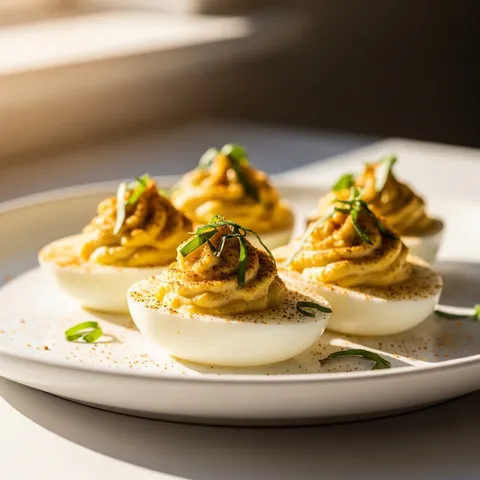
 Cajun Deviled Eggs
Classic deviled eggs with a Louisiana twist — creamy yolk filling spiked with hot sauce, Creole mustard, and cayenne, topped with a sprinkle of smoked paprika.
 Cajun & Creole Lens Verified Images are for illustrative purposes only, may be inaccurate, and do not guarantee the presence or absence of specific ingredients.
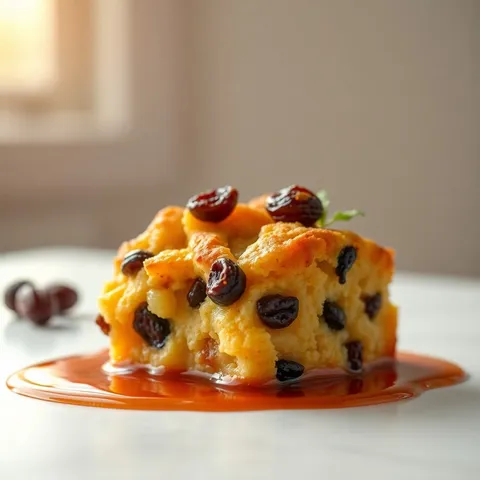
 Creole Bread Pudding
Day-old French bread soaked in a rich custard of cream, eggs, and vanilla, baked golden, then drowned in a warm bourbon-laced whiskey sauce.