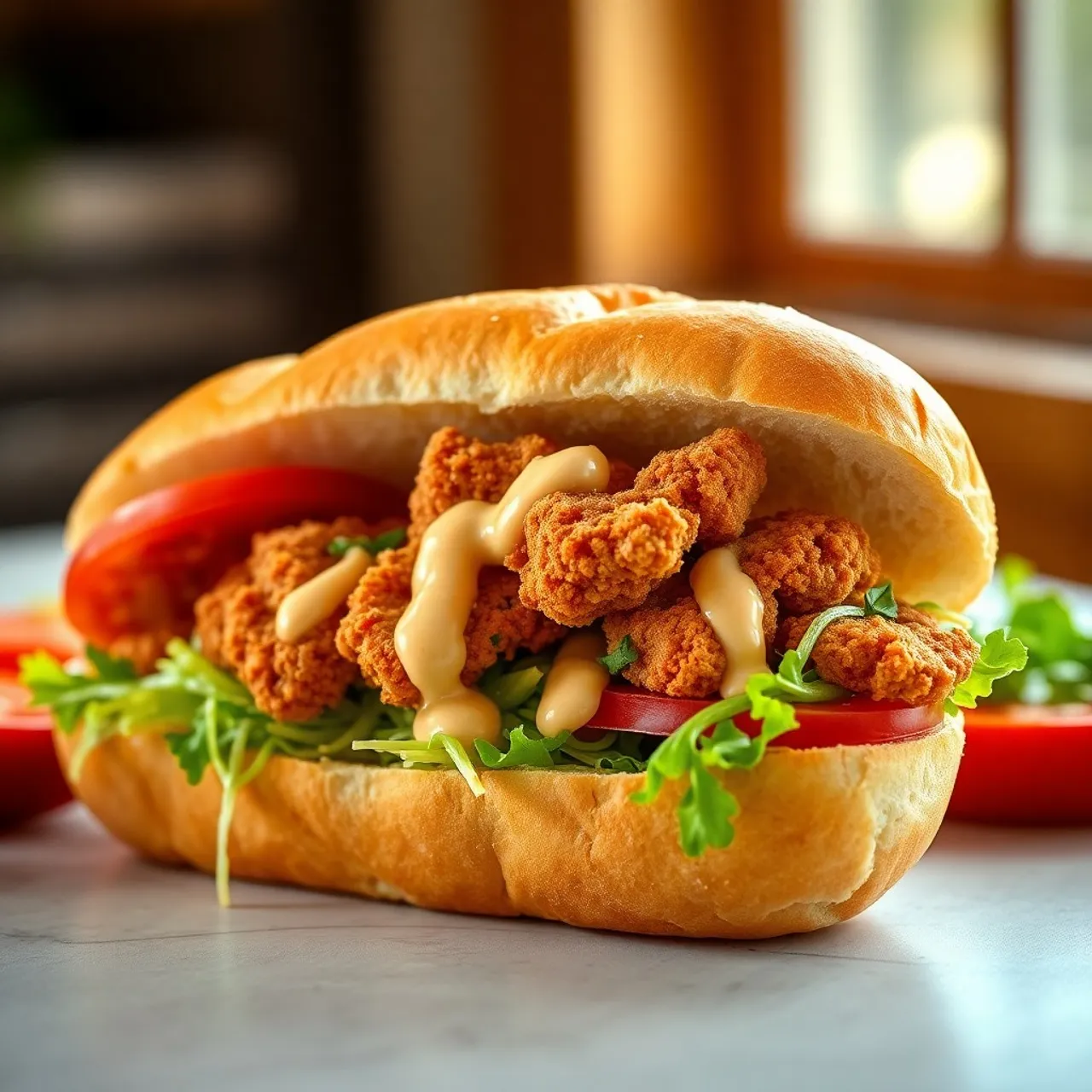
 Cajun & Creole Images are for illustrative purposes only, may be inaccurate, and do not guarantee the presence or absence of specific ingredients.
 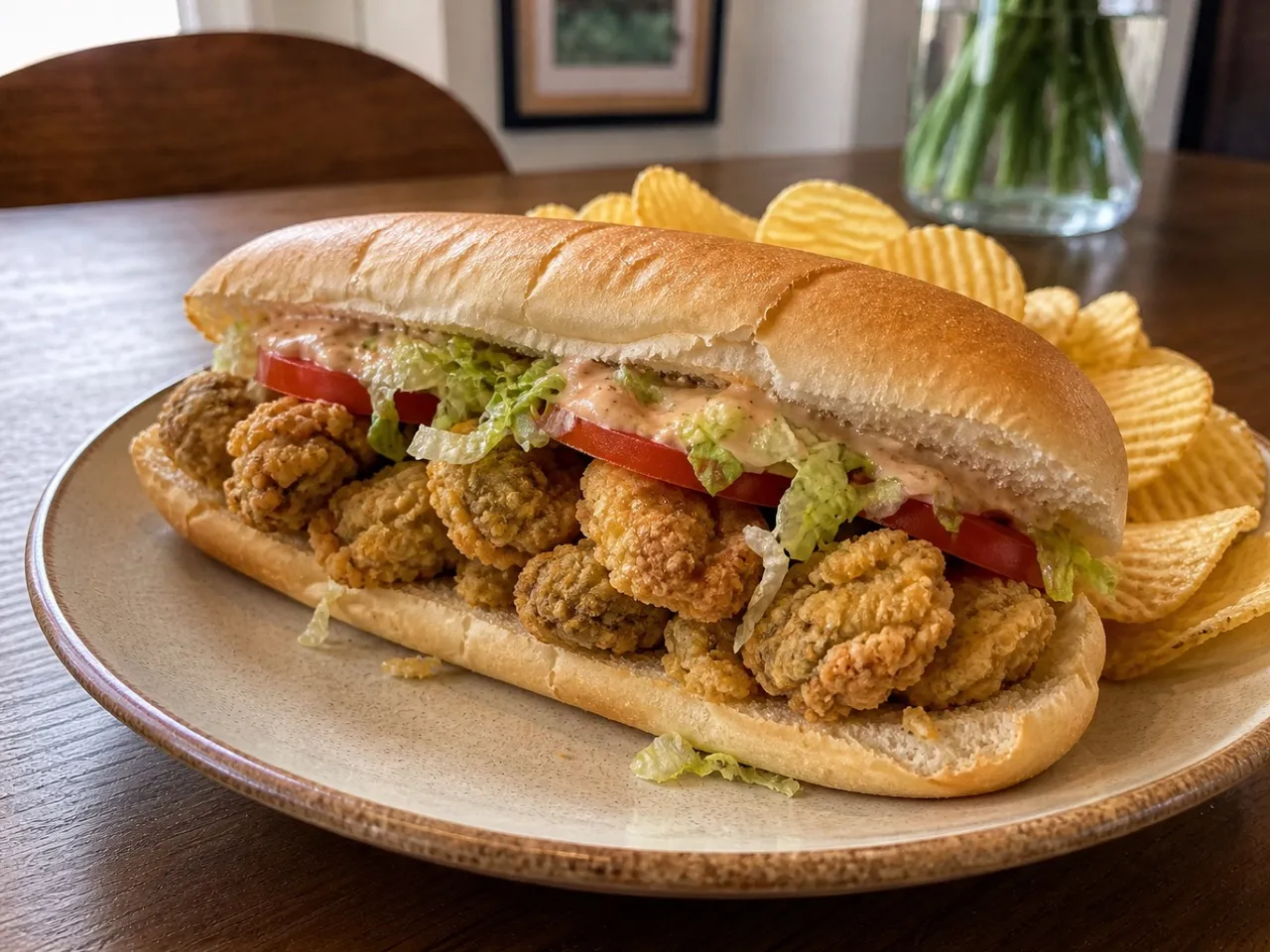 Serving Images are for illustrative purposes only, may be inaccurate, and do not guarantee the presence or absence of specific ingredients.
 Oyster Po' Boy
Plump, lightly breaded oysters fried to a golden crunch and tucked into a crusty New Orleans loaf with tangy pickles and Creole aioli.
Contains common allergens
In the app, Listahan checks these against your household automatically.
Good to know
- Crispy
- Ready in under 30 minutes
Matched from this dish's own ingredients and timing. Browse more: crispy recipes30-minute meals
Instructions
6 steps- 1
Preheat frying oil in a deep cast-iron skillet or Dutch oven to 375°F.
- 2
In a shallow dish, thoroughly mix the cornmeal, flour, Creole seasoning, and cayenne pepper.
- 3
Toss the drained oysters into the dry mixture, coating each one entirely. Shake off excess breading.
- 4
Carefully drop the oysters into the hot oil in batches, frying for 2-3 minutes until golden and crispy.
- 5
Remove oysters with a slotted spoon and let them drain on a wire rack or paper towels.
- 6
Split the baguettes, slather generously with remoulade, layer with lettuce and tomatoes, and pile high with the hot fried oysters.
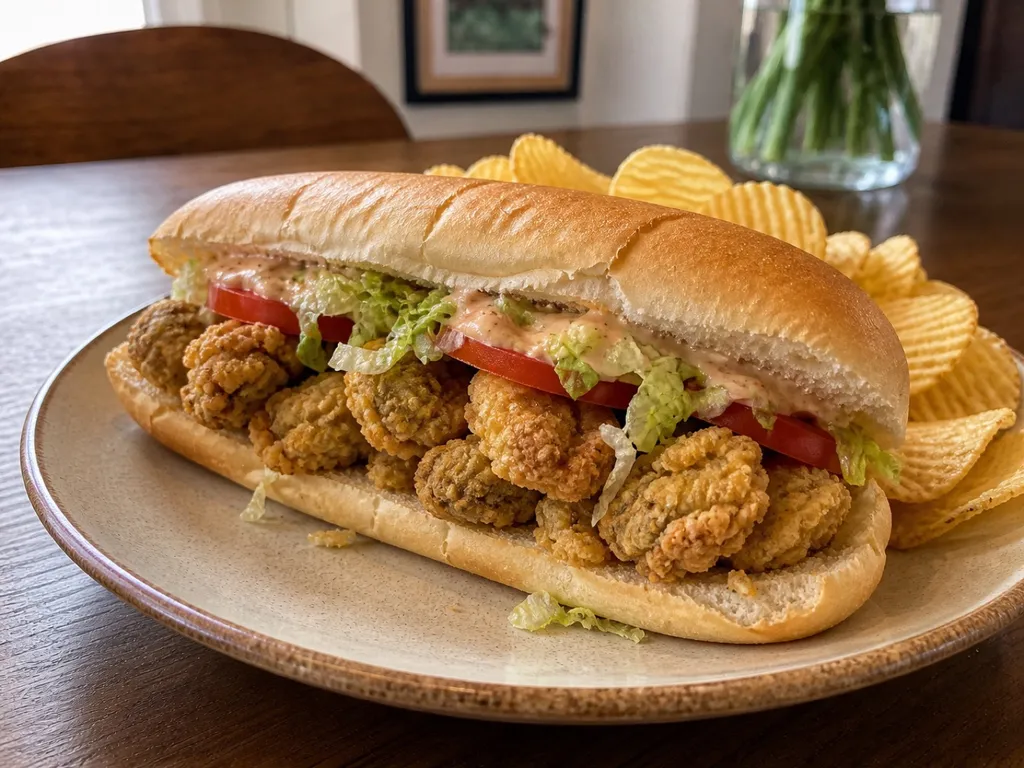 Images are for illustrative purposes only, may be inaccurate, and do not guarantee the presence or absence of specific ingredients.
 Listahan Family Score™
62/100
Works for many families
Score reflects how well this recipe fits a typical busy household. In the app, your Family Score is personalized to your household's allergens, kids, and pantry.
Nutrition
per serving115
Calories
2 g
Protein
24 g
Carbs
1 g
Fat
Estimated per serving. Actual values depend on the brands and portions you use.
Listahan cooking guide
Chef notes & practical guide
Technique notes, ingredient swaps, serve-alongside ideas, storage guidance, and equipment for this recipe.
Cultural context
The oyster po' boy is considered by many New Orleans locals to be the highest expression of the sandwich form because Gulf oysters — briny, fat, and wildly oceanic — become extraordinary when flash-fried and layered with the creamy, spiced remoulade and cool lettuce that define the classic dressing. Gulf oysters were historically so abundant and affordable that they were working-class food, sold by the jarful from oyster houses throughout New Orleans throughout the nineteenth and early twentieth centuries. The pairing of oysters with French bread reflects the city's dual inheritance from French cuisine and its proximity to some of the most productive oyster reefs in North America.
Listahan note
This version fries the oysters for only ninety seconds per batch — long enough to set the coating and heat the center but short enough that the oyster interior remains creamy and just-barely-set rather than rubbery.
Technique cues
- Drain jarred or shucked oysters and pat them as dry as possible before dredging — excess liquid prevents the cornmeal coating from adhering and causes dangerous oil splatter when the oysters hit the hot fat.
- A corn-flour blend rather than plain all-purpose flour produces a thinner, crispier coating that lets the oyster flavor come through more clearly, as opposed to the thick coating that works well on shrimp.
- Serve immediately after frying — the window between perfectly crisp and steam-softened is shorter with oysters than with any other fried protein because of their high natural moisture content.
Kitchen flow
- Parallel prep
- Make the remoulade and prep the sandwich toppings — shredded lettuce, sliced tomato, pickles — while the fry oil heats; the oysters fry in under two minutes so everything must be ready.
- Make-ahead
- Remoulade keeps refrigerated for a week; have it pre-made so assembly takes seconds after frying.
- Leftover move
- Extra fried oysters served over a wedge salad with remoulade dressing make an elegant next-day lunch that is far better than a reheated sandwich.
- Cleanup rhythm
- The cornmeal splatters from the oyster moisture; lay a sheet of parchment or newspaper around the stove before frying and fold it up for easy disposal afterward.
Ingredient brief
Role, handling, and swap guidance for each key ingredient.
fresh shucked oysters
star protein
Purpose: Gulf oysters have a powerful, briny, oceanic flavor that survives the frying process and makes every bite of the sandwich taste of the sea.
Handling: Drain in a colander, discard the liquid, and dry on layers of paper towels for five minutes before dredging — the dryer the surface, the better the crust.
Adaptation: West Coast Kumamoto oysters are smaller and sweeter; adjust frying time down to sixty seconds per batch.
fine yellow cornmeal
crispy coating
Purpose: Cornmeal gives fried oysters a finer, more delicate crunch than coarser breadcrumbs and complements the oceanic flavor rather than masking it.
Handling: Season with salt, black pepper, cayenne, and a pinch of garlic powder and mix before coating the oysters.
Adaptation: A fifty-fifty blend of cornmeal and all-purpose flour creates a slightly thicker coating if the cornmeal-only crust feels too thin.
hot sauce
heat and acid in the dressing
Purpose: Louisiana-style hot sauce — Crystal or Tabasco — adds vinegar acidity that cuts through the richness of fried oysters and wakes up the palate between bites.
Handling: Apply directly to the remoulade mix rather than the oysters themselves so it distributes evenly through every bite.
Adaptation: Sriracha provides heat but lacks the vinegar punch that makes Louisiana hot sauce the right condiment for this application.
New Orleans French bread
structural vessel
Purpose: The crackly crust and hollow, soft interior of authentic New Orleans French bread creates a satisfying textural counterpoint to the crunchy oysters without competing with their flavor.
Handling: Warm the bread in a 350-degree oven for three minutes before slicing lengthwise; the crust becomes even more shatteringly crisp.
Adaptation: A light, crusty baguette section works well; avoid rolls with thick, chewy crusts that overpower the delicate oyster.
Technique notes
- Season the dredging cornmeal generously — oysters are bland when under-seasoned on the coating and the brevity of frying means there is little time for salt to penetrate into the interior.
- A second drain after dredging — letting the coated oysters sit on a wire rack for two minutes before frying — helps the coating dry slightly, which makes it crispier and reduces oil absorption.
- Some New Orleans cooks add a small spoon of creole mustard directly to the oyster before coating it, which creates a hidden layer of tangy flavor inside the crust that guests cannot immediately identify.
Ingredient swaps
- Shellfish-free direction
- Thick-cut eggplant rounds, salted and pressed dry, take the same cornmeal dredge and fry to a satisfying result with a similar umami depth.
- Gluten-free direction
- Use pure cornmeal with a teaspoon of potato starch mixed in to help the coating bind; serve on a gluten-free roll for a fully gluten-free version.
- Lower-fat direction
- Air-fry the coated oysters at 400 degrees for five minutes, flipping once; the result is crispier than baking and significantly lighter than deep-frying.
- Weeknight shortcut
- Frozen pre-breaded oysters from the seafood case cook from frozen in a 425-degree oven in twelve minutes and work surprisingly well dressed in the classic po' boy toppings.
Serve alongside
- Zapp's Crawtator chips
- coleslaw with apple cider vinegar dressing
- cup of gumbo
- cold Abita Amber lager
- dry Muscadet Sevre-et-Maine
Serving suggestions only — check pairings for your household's allergens.
Storage & reheating
- Fried oysters do not store well — the coating becomes irreversibly soggy within an hour of frying. Shucked raw oysters keep refrigerated in their liquor for up to two days; fry only what you plan to eat immediately.
Equipment
- heavy-bottomed pot or Dutch oven for frying
- candy or deep-fry thermometer
- wire rack over a sheet pan for draining and resting coated oysters
- spider strainer for fast removal from the hot oil
Make this household-aware
Listahan Pro checks this recipe against your household's allergens, finds pantry-aware swaps, builds the shopping list, and helps you plan the week around it.
Plan it in Listahan
Add Oyster Po' Boy to your week, check it against your household's allergens, and build the shopping list automatically.
More Cajun & Creole recipes
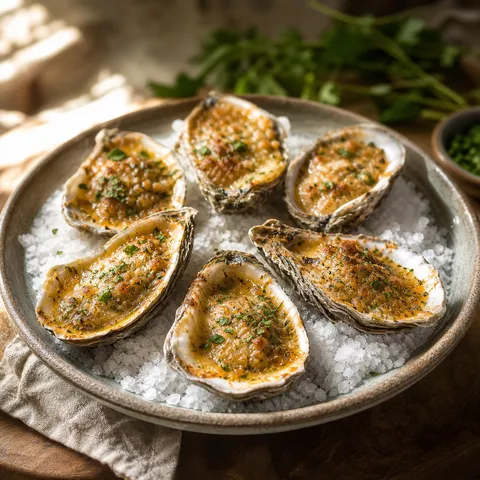 Cajun & Creole Lens Verified Images are for illustrative purposes only, may be inaccurate, and do not guarantee the presence or absence of specific ingredients.
 Oysters Bienville
A classic New Orleans baked oyster dish crowned with a rich shrimp-and-mushroom cream sauce, browned to perfection on the half shell.
 Cajun & Creole Lens Verified Images are for illustrative purposes only, may be inaccurate, and do not guarantee the presence or absence of specific ingredients.
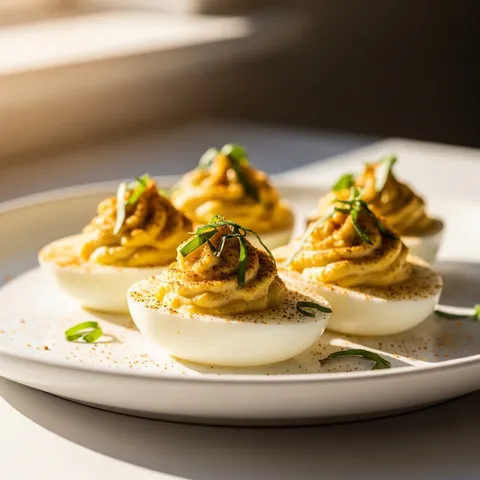
 Cajun Deviled Eggs
Classic deviled eggs with a Louisiana twist — creamy yolk filling spiked with hot sauce, Creole mustard, and cayenne, topped with a sprinkle of smoked paprika.
 Cajun & Creole Lens Verified Images are for illustrative purposes only, may be inaccurate, and do not guarantee the presence or absence of specific ingredients.
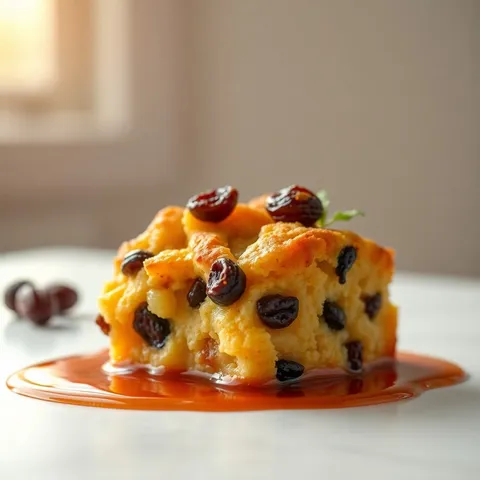
 Creole Bread Pudding
Day-old French bread soaked in a rich custard of cream, eggs, and vanilla, baked golden, then drowned in a warm bourbon-laced whiskey sauce.