 Cajun & Creole Images are for illustrative purposes only, may be inaccurate, and do not guarantee the presence or absence of specific ingredients.
  Serving Images are for illustrative purposes only, may be inaccurate, and do not guarantee the presence or absence of specific ingredients.
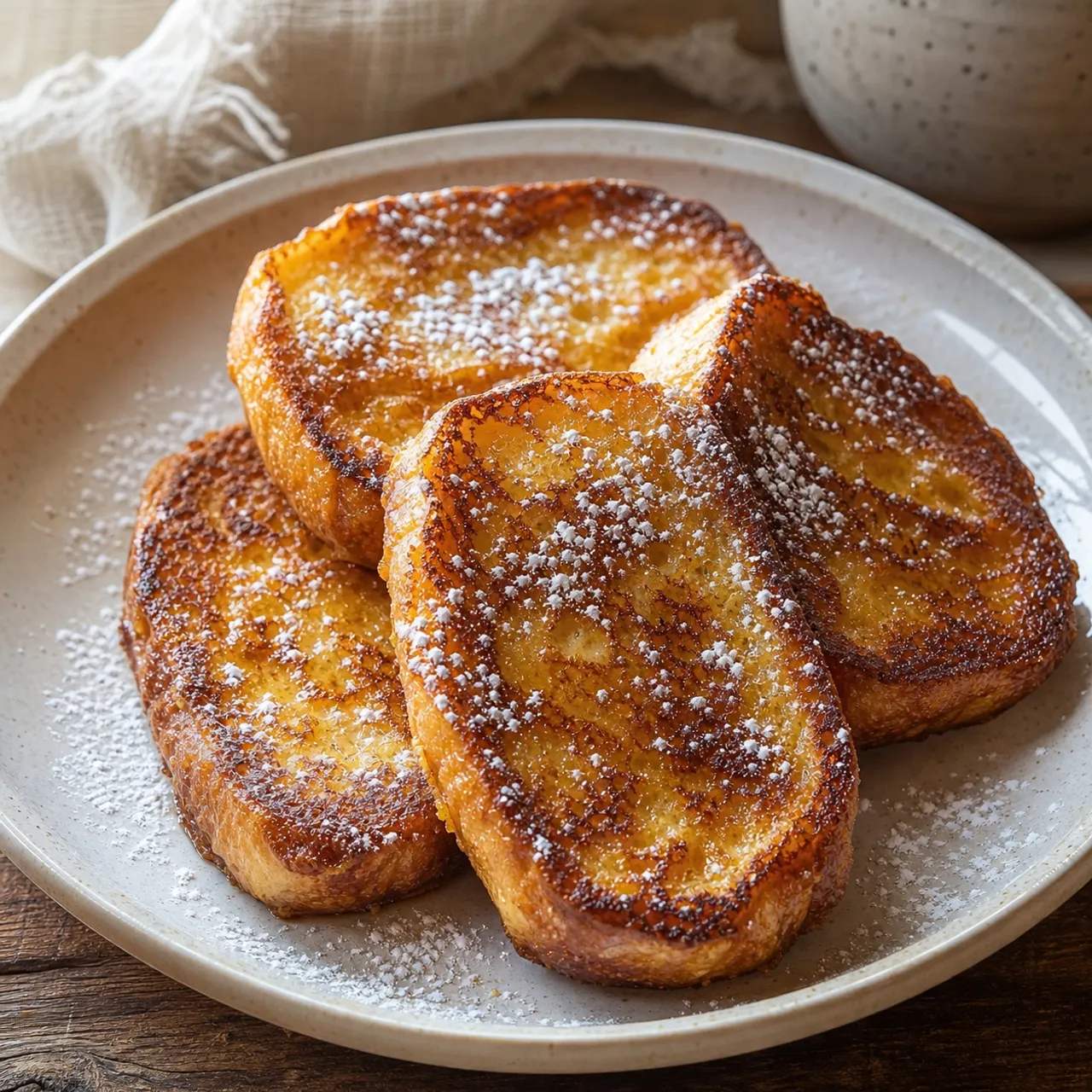
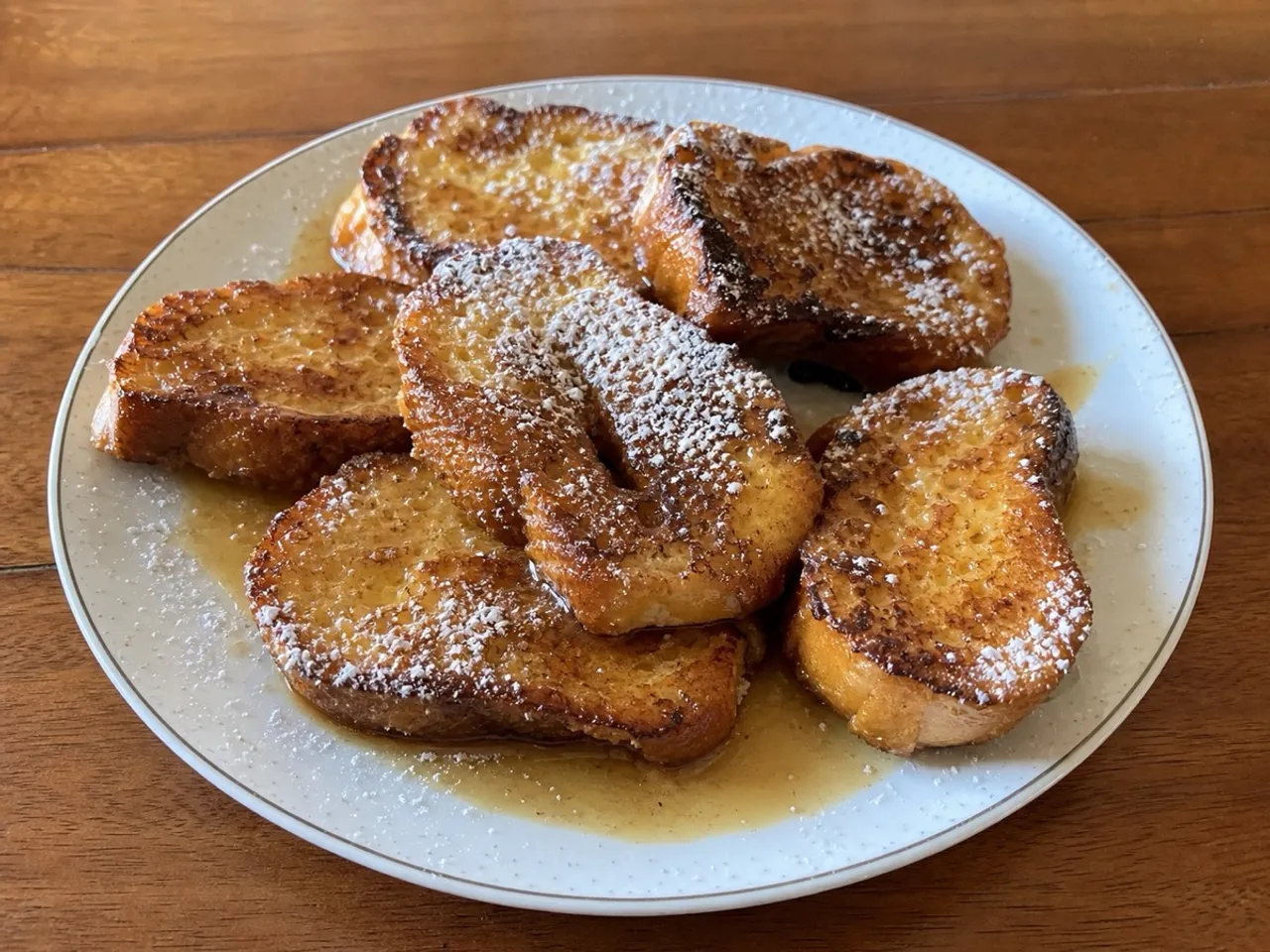
 Pain Perdu
The Creole "lost bread," a decadent New Orleans French toast made from day-old French bread soaked in a vanilla-orange custard and fried golden.
Contains common allergens
In the app, Listahan checks these against your household automatically.
Good to know
- Crispy
- Ready in under 30 minutes
Matched from this dish's own ingredients and timing. Browse more: crispy recipes30-minute meals
Instructions
5 steps- 1
In a wide shallow bowl, whisk together the 4 eggs, 1 cup milk, 1/4 cup cream, 3 tbsp sugar, 1 tsp vanilla, 1 tbsp orange zest, and 1/2 tsp cinnamon until fully blended.
- 2
Submerge each slice of day-old French bread in the custard for about 20 seconds per side, allowing the dense bread to soak up the mixture without falling apart.
- 3
Melt 1 1/2 tbsp of the butter in a large skillet or griddle over medium heat until it foams and just begins to brown.
- 4
Add the soaked bread slices in batches and fry for 2 to 3 minutes per side until deeply golden and crisp at the edges, adding the remaining butter as needed between batches.
- 5
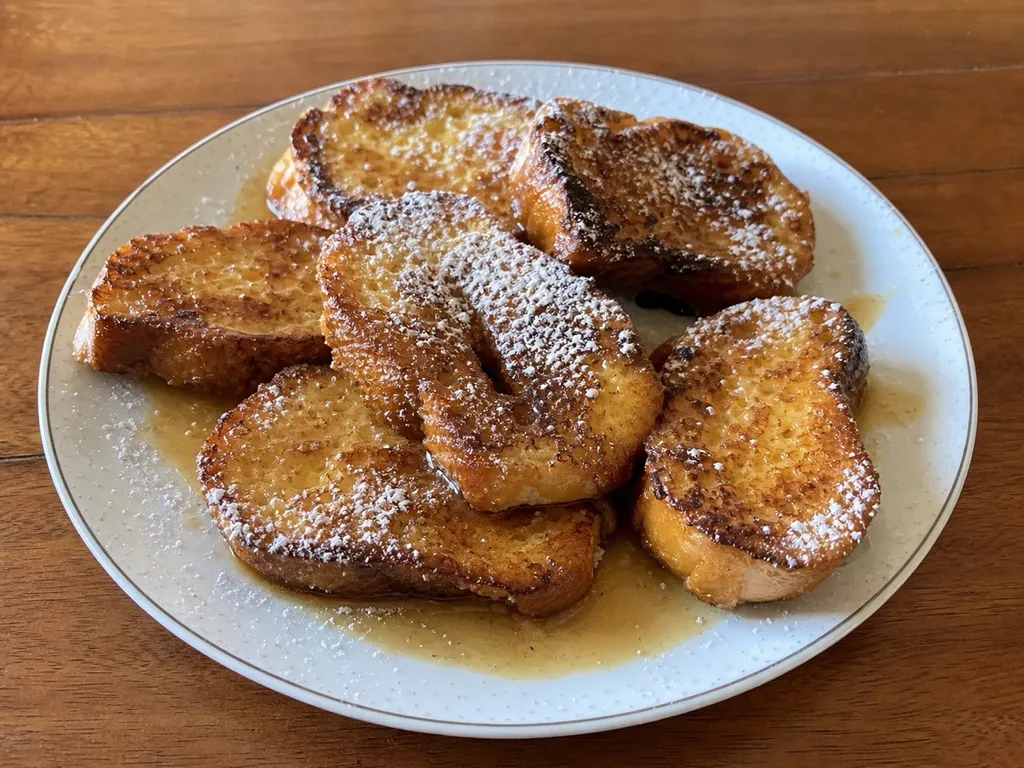
Transfer the cooked pain perdu to a warm plate, dust generously with powdered sugar, and serve hot with a drizzle of Louisiana cane syrup.
 Images are for illustrative purposes only, may be inaccurate, and do not guarantee the presence or absence of specific ingredients.
 Listahan Family Score™
78/100
Good fit for most families
Score reflects how well this recipe fits a typical busy household. In the app, your Family Score is personalized to your household's allergens, kids, and pantry.
Nutrition
per serving425
Calories
14 g
Protein
41 g
Carbs
23 g
Fat
Estimated per serving. Actual values depend on the brands and portions you use.
Listahan cooking guide
Chef notes & practical guide
Technique notes, ingredient swaps, serve-alongside ideas, storage guidance, and equipment for this recipe.
Cultural context
Pain perdu, French for lost bread, is Louisiana's Creole take on French toast, born from the practical need to rescue stale French bread rather than waste it. The name and dish traveled to Louisiana with French settlers and became a Sunday-morning fixture in New Orleans homes.
Listahan note
This version uses genuinely stale, thick-cut French bread rather than fresh sandwich bread, since the density is what lets it soak up the custard fully without falling apart.
Technique cues
- Use bread that is truly a day or two old; fresh bread absorbs too much custard too fast and turns mushy instead of custardy.
- Soak each slice for a full 20 seconds per side rather than a quick dip — this is what gives pain perdu its rich, custardy center.
- Let the butter foam and just begin to brown before adding the bread; this nutty butter flavor is part of what separates pain perdu from ordinary French toast.
Kitchen flow
- Parallel prep
- Whisk the custard while the skillet preheats, then soak and fry the bread in batches.
- Make-ahead
- The custard can be mixed the night before and kept refrigerated; soak and fry the bread fresh the morning of.
- Leftover move
- Reheat leftover slices in a toaster or hot skillet rather than the microwave to bring back some crispness.
- Cleanup rhythm
- One shallow dish for soaking and one skillet for frying handle the whole dish.
Ingredient brief
Role, handling, and swap guidance for each key ingredient.
Day-old French bread
Base
Purpose: Its dense, slightly dried texture soaks up the custard fully while still holding its shape when fried.
Handling: Slice thick, about an inch, so each piece can hold a substantial amount of custard.
Adaptation: Brioche or challah work if French bread is not available, though they are softer and absorb custard faster.
Eggs and whole milk
Custard base
Purpose: Together they create the rich, soaking liquid that transforms plain bread into something closer to bread pudding fried in a pan.
Handling: Whisk thoroughly until fully blended so the custard coats evenly.
Adaptation: Half-and-half in place of some of the milk makes an even richer custard.
Orange zest and cinnamon
Aromatic flavoring
Purpose: This pairing is the traditional New Orleans flavor signature that distinguishes pain perdu from plain French toast.
Handling: Whisk into the custard so the flavor is even throughout, not concentrated in spots.
Adaptation: Lemon zest can replace orange for a different, still bright citrus note.
Cane syrup
Topping
Purpose: Its deep, slightly molasses-like sweetness is the traditional Louisiana finish, distinct from maple syrup.
Handling: Warm slightly before drizzling for the easiest pour.
Adaptation: Maple syrup or a dusting of powdered sugar both work if cane syrup is not available.
Technique notes
- Do not oversoak the bread — beyond about 20 seconds per side, even stale bread can start to fall apart.
- Fry in batches rather than crowding the pan, so each slice gets even contact with the butter and browns properly.
- Serve immediately while hot; pain perdu loses its contrast of crisp exterior and custardy interior as it cools.
Ingredient swaps
- Egg-free direction
- This is difficult to make egg-free while preserving the custardy texture that defines the dish; a simple sugared toast is a reasonable separate breakfast for an egg allergy.
- Dairy-free direction
- Use a rich plant-based milk in place of the whole milk and cream, and dairy-free butter for frying.
- Gluten-free direction
- Use a sturdy gluten-free bread; the custard soaking time may need to be shortened since gluten-free bread often absorbs liquid faster.
Serve alongside
- Cane syrup
- Fresh berries
- Powdered sugar
- Chicory coffee
- Cafe au lait
- Fresh-squeezed orange juice
Serving suggestions only — check pairings for your household's allergens.
Storage & reheating
- Refrigerate leftover slices in a sealed container for up to 2 days.
- Reheat in a toaster oven or hot skillet to restore some crispness; microwaving makes the texture soft and slightly rubbery.
- Freeze cooked slices between layers of parchment for up to 1 month; reheat directly from frozen in a toaster.
Equipment
- Shallow dish for soaking
- Large skillet or griddle
- Whisk
Make this household-aware
Listahan Pro checks this recipe against your household's allergens, finds pantry-aware swaps, builds the shopping list, and helps you plan the week around it.
Plan it in Listahan
Add Pain Perdu to your week, check it against your household's allergens, and build the shopping list automatically.
More Cajun & Creole recipes
 Cajun & Creole Lens Verified Images are for illustrative purposes only, may be inaccurate, and do not guarantee the presence or absence of specific ingredients.
 Oysters Bienville
A classic New Orleans baked oyster dish crowned with a rich shrimp-and-mushroom cream sauce, browned to perfection on the half shell.
 Cajun & Creole Lens Verified Images are for illustrative purposes only, may be inaccurate, and do not guarantee the presence or absence of specific ingredients.
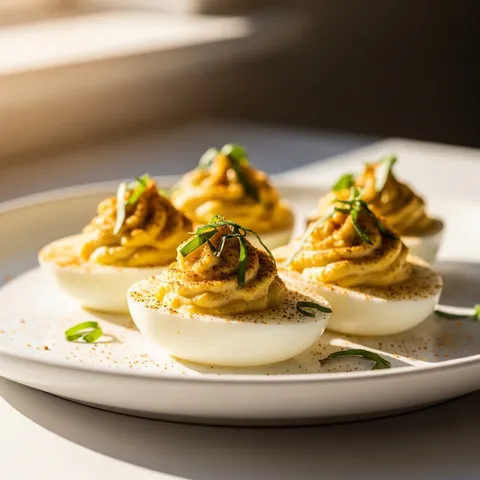
 Cajun Deviled Eggs
Classic deviled eggs with a Louisiana twist — creamy yolk filling spiked with hot sauce, Creole mustard, and cayenne, topped with a sprinkle of smoked paprika.
 Cajun & Creole Lens Verified Images are for illustrative purposes only, may be inaccurate, and do not guarantee the presence or absence of specific ingredients.
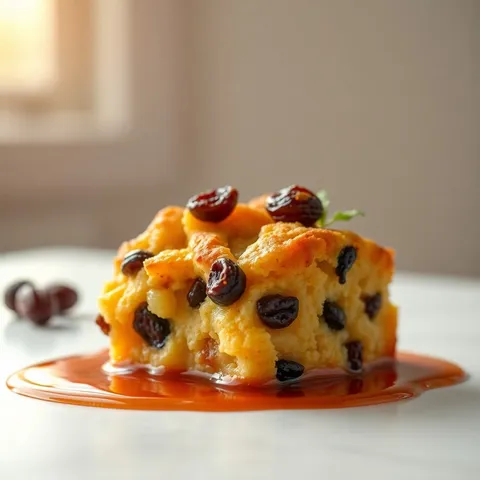
 Creole Bread Pudding
Day-old French bread soaked in a rich custard of cream, eggs, and vanilla, baked golden, then drowned in a warm bourbon-laced whiskey sauce.