 Cajun & Creole Images are for illustrative purposes only, may be inaccurate, and do not guarantee the presence or absence of specific ingredients.
  Serving Images are for illustrative purposes only, may be inaccurate, and do not guarantee the presence or absence of specific ingredients.
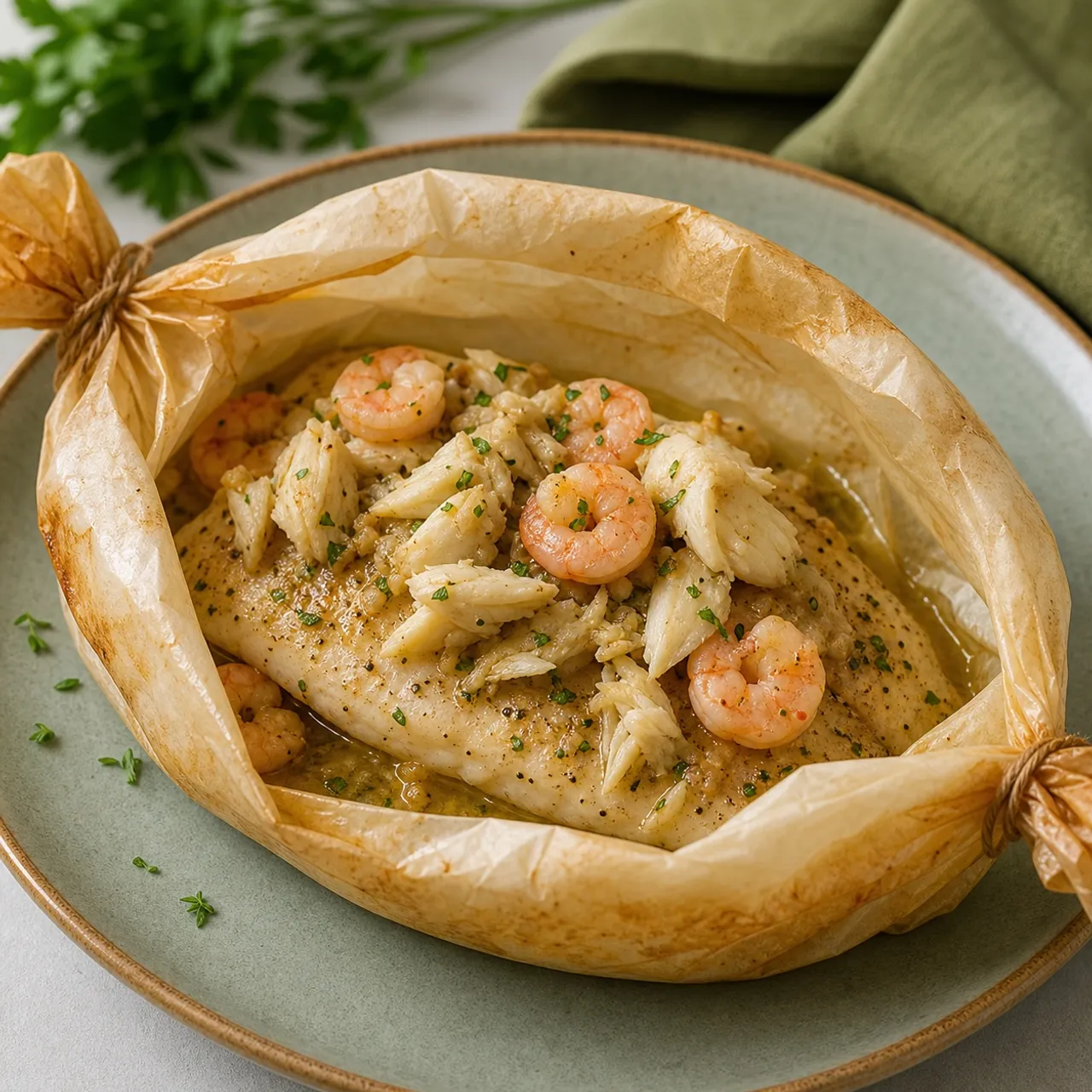
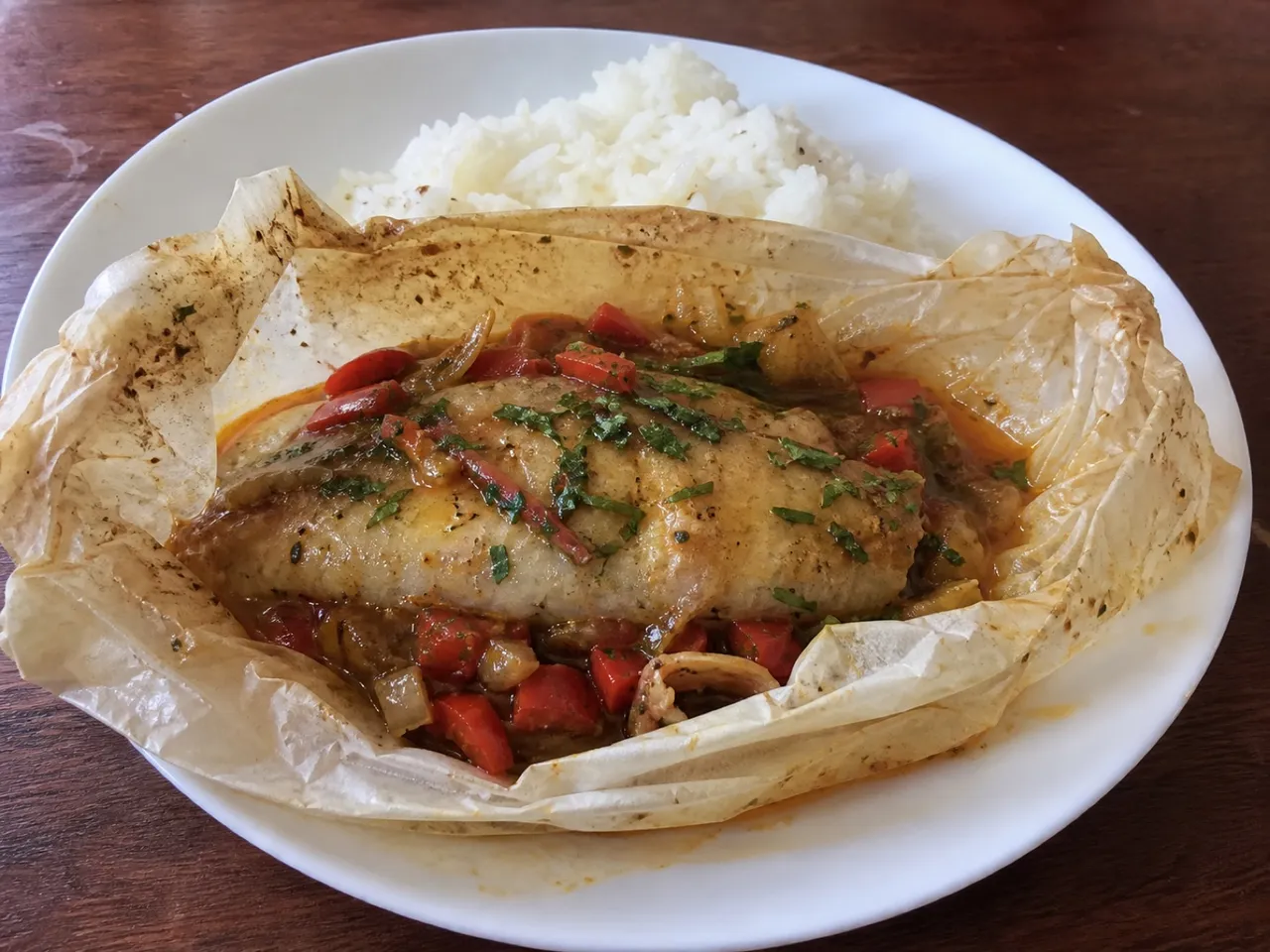
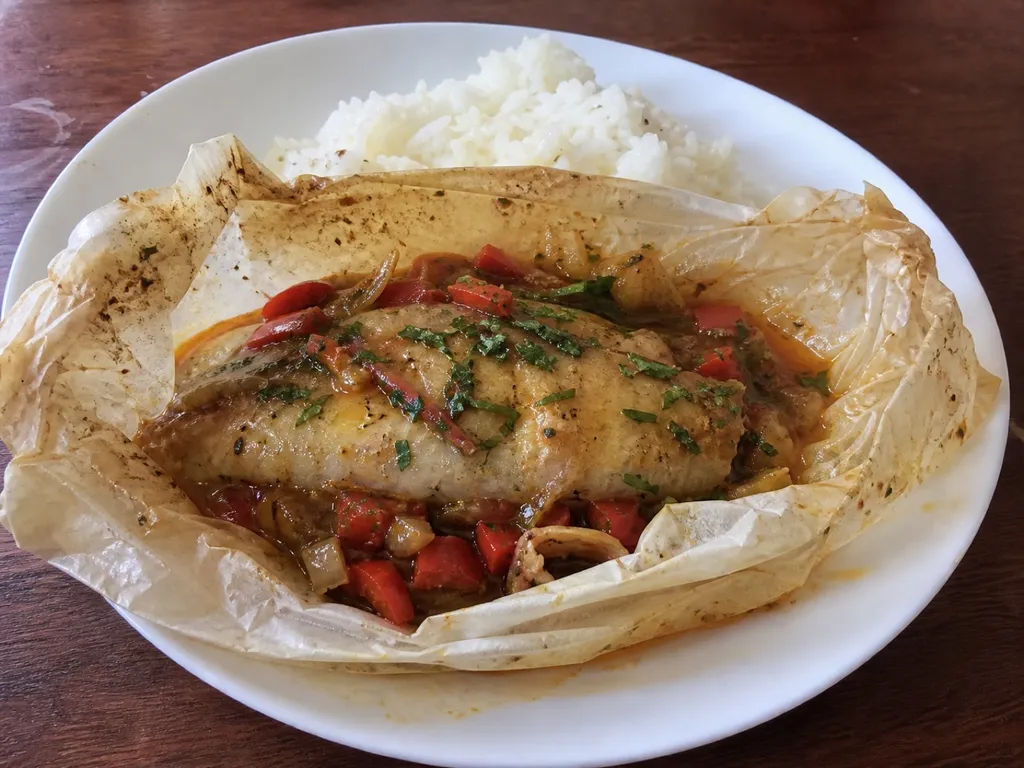
 Pompano en Papillote
Delicate Gulf pompano steamed inside a parchment parcel with white wine, butter, shrimp, and herbs — an elegant French-Creole classic that arrives puffed and fragrant.
Contains common allergens
In the app, Listahan checks these against your household automatically.
Instructions
6 steps- 1
Preheat your oven to 400°F (200°C). Cut the parchment paper sheets into large heart shapes.
- 2
In a skillet, melt butter over medium heat. Sauté the shallots until translucent. Add the shrimp and cook for 2 minutes.
- 3
Deglaze the pan with white wine, then stir in the heavy cream and lump crab meat. Simmer until slightly thickened, then remove from heat.
- 4
Place one pompano fillet on one side of each parchment heart. Season with salt and pepper.
- 5
Spoon the rich seafood sauce over each fillet. Fold the other half of the parchment over the fish and tightly crimp the edges to seal in the steam.
- 6
Place the parchment pouches on a baking sheet and bake for 15 minutes until the paper puffs up and browns slightly. Serve the pouches unopened.
 Images are for illustrative purposes only, may be inaccurate, and do not guarantee the presence or absence of specific ingredients.
 Listahan Family Score™
55/100
Works for many families
Score reflects how well this recipe fits a typical busy household. In the app, your Family Score is personalized to your household's allergens, kids, and pantry.
Nutrition
per serving660
Calories
61 g
Protein
12 g
Carbs
36 g
Fat
Estimated per serving. Actual values depend on the brands and portions you use.
Listahan cooking guide
Chef notes & practical guide
Technique notes, ingredient swaps, serve-alongside ideas, storage guidance, and equipment for this recipe.
Cultural context
Pompano en Papillote was created in 1901 at Antoine's Restaurant in New Orleans to honor Alberto Santos-Dumont, the Brazilian aviation pioneer who was visiting the city. Chef Jules Alciatore designed the dish with parchment pouches meant to evoke the balloons Santos-Dumont was famous for piloting. The gulf pompano — considered one of the finest-eating fish in North American waters — was paired with a rich shrimp and crab cream sauce and sealed in parchment so both the fish and the dramatic puffing of the paper at the table could be presented as a single theatrical moment.
Listahan note
This version uses the traditional cream sauce enriched with Gulf shrimp and crabmeat, assembled in parchment hearts that puff dramatically in the oven and are opened tableside for maximum effect.
Technique cues
- Fold the parchment into a tight half-moon seal using small overlapping folds — a loose seal allows steam to escape, the pouch will not puff, and the fish will roast rather than steam-poach in its own aromatic moisture.
- The sauce inside the pouch should be fluid rather than thick when assembled; the starch in the sauce thickens considerably as it steams inside the sealed parchment and a sauce that starts too thick will become paste.
- Open the pouches at the table immediately after removing them from the oven — the puffed parchment deflates within thirty seconds, and the aromatic steam escaping when the guest cuts it open is part of the intended experience.
Kitchen flow
- Parallel prep
- Make the cream sauce in advance and have all pouches assembled and refrigerated on sheet pans up to two hours before the oven; pop them in as guests arrive for a fifteen-minute finish.
- Make-ahead
- The cream sauce can be made up to two days ahead and refrigerated; the pouches should be assembled no more than two hours before baking to prevent the parchment from becoming soggy.
- Leftover move
- The assembled dish does not reheat well without the parchment puffing — plan portion sizes carefully, as pompano en papillote is best eaten immediately from the pouch.
- Cleanup rhythm
- Because each serving cooks in its own sealed pouch, there are no roasting pans to scrub — just the sauce pan and a sheet pan; it is one of the most elegant cleanup scenarios in home cooking.
Ingredient brief
Role, handling, and swap guidance for each key ingredient.
pompano fillets
star protein
Purpose: Gulf pompano has rich, buttery white flesh with a mild, clean flavor that steams exceptionally well inside parchment without needing any other fat or flavor to make it taste special.
Handling: Pin-bone the fillets carefully and pat dry before placing on the parchment; excess moisture dilutes the sauce inside the pouch.
Adaptation: Flounder, trout, or sole fillets are traditional alternatives and cook in exactly the same time; avoid thick cuts like salmon, which take longer and overcook the sauce.
shrimp
sauce protein and seafood flavor
Purpose: Small shrimp cooked into the cream sauce add textural interest and a sweet brininess that complements the delicate pompano.
Handling: Peel and devein, then chop into half-inch pieces so they distribute evenly through the sauce and do not compete texturally with the fish.
Adaptation: Picked lump crabmeat can replace the shrimp entirely for a more luxurious, sweeter sauce.
heavy cream
sauce base
Purpose: Heavy cream is the classic vehicle for the rich Creole white sauce that defines this dish's character and becomes the steaming medium inside the sealed pouch.
Handling: Reduce the cream by about a third in the pan before using it as the sauce base so the finished sauce inside the pouch is not too thin.
Adaptation: Half-and-half thickened with a quarter-teaspoon of cornstarch provides a lighter version that still produces a cohesive sauce under the pouch's steam pressure.
dry white wine
deglazing and acid
Purpose: A splash of white wine deglazes the pan after sauteing the shrimp and adds acidity that prevents the rich cream sauce from tasting flat and one-dimensional.
Handling: Add after the shrimp are just pink and reduce by half over medium heat before adding cream, so the raw alcohol cooks off.
Adaptation: Dry vermouth provides a slightly more complex herbal note in place of still white wine.
parchment paper
cooking vessel and theatrical presentation
Purpose: Parchment paper is food-safe at oven temperatures, creates an ideal steam environment, and puffs dramatically as the steam inside builds pressure, making the dish as visual as it is delicious.
Handling: Cut into large heart shapes and fold one half over the other with the fish inside, crimping the edges with tight overlapping folds to seal.
Adaptation: Aluminum foil can replace parchment as a practical alternative but will not puff theatrically; the cooking result is identical but the presentation moment is lost.
Technique notes
- Brush the inside of the parchment heart lightly with softened butter before placing the fish and sauce — this prevents the fish from sticking to the paper and adds a subtle richness to the outside of the fillet.
- A thin slice of lemon placed on top of the fish inside the pouch perfumes the steam and adds bright acidity that cuts through the cream sauce without requiring any post-oven finishing.
- Place the assembled pouches on preheated sheet pans in the oven — a cold pan slows the initial steam build-up and delays the dramatic puffing that is the dish's signature visual effect.
Ingredient swaps
- Dairy-free direction
- Replace heavy cream with full-fat coconut cream and add a teaspoon of lemon juice to provide similar acidity; the flavor profile shifts tropical but remains elegant.
- Shellfish-free direction
- Replace the shrimp with thinly sliced mushrooms sauteed in white wine for an equally interesting texture inside the sauce without any shellfish.
- Gluten-free direction
- Use cornstarch rather than flour as a sauce thickener and check that any prepared seafood stock is certified gluten-free; all other ingredients are naturally free of gluten.
- Weeknight shortcut
- Use foil instead of parchment and bake the pouches in a 400-degree oven for twelve minutes — less theatrical but equally delicious with a fraction of the assembly effort.
Serve alongside
- steamed basmati rice with herbs
- thin French green beans with lemon butter
- simple green salad with Creole mustard vinaigrette
- chilled white Burgundy or quality Chardonnay
- sparkling water with lemon
Serving suggestions only — check pairings for your household's allergens.
Storage & reheating
- This dish is best eaten immediately; the puffed parchment pouches deflate within minutes and the seafood inside does not hold well. Refrigerate any unused cream sauce base separately for up to two days and assemble fresh pouches as needed.
Equipment
- parchment paper cut into large heart shapes
- sheet pan for baking
- small saucepan for the cream sauce
- pastry brush for buttering the parchment
Make this household-aware
Listahan Pro checks this recipe against your household's allergens, finds pantry-aware swaps, builds the shopping list, and helps you plan the week around it.
Plan it in Listahan
Add Pompano en Papillote to your week, check it against your household's allergens, and build the shopping list automatically.
More Cajun & Creole recipes
 Cajun & Creole Lens Verified Images are for illustrative purposes only, may be inaccurate, and do not guarantee the presence or absence of specific ingredients.
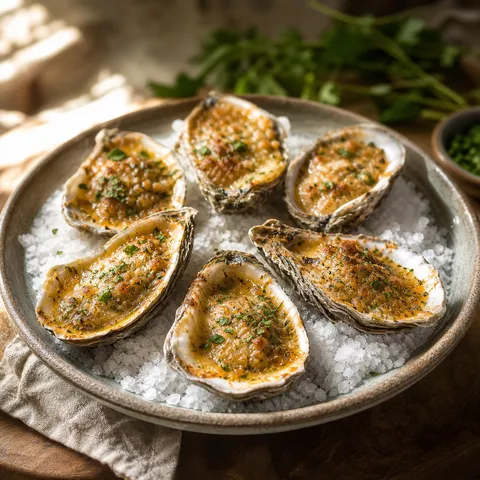
 Oysters Bienville
A classic New Orleans baked oyster dish crowned with a rich shrimp-and-mushroom cream sauce, browned to perfection on the half shell.
 Cajun & Creole Lens Verified Images are for illustrative purposes only, may be inaccurate, and do not guarantee the presence or absence of specific ingredients.
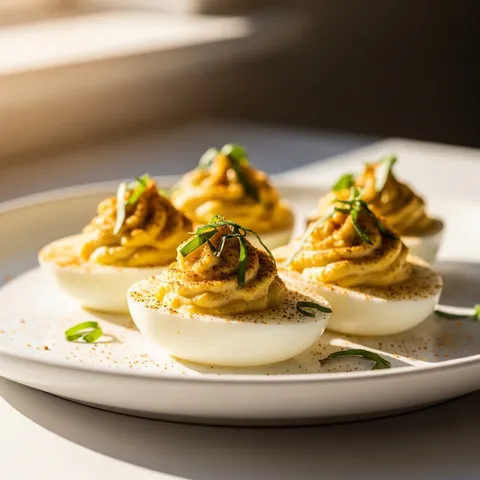
 Cajun Deviled Eggs
Classic deviled eggs with a Louisiana twist — creamy yolk filling spiked with hot sauce, Creole mustard, and cayenne, topped with a sprinkle of smoked paprika.
 Cajun & Creole Lens Verified Images are for illustrative purposes only, may be inaccurate, and do not guarantee the presence or absence of specific ingredients.
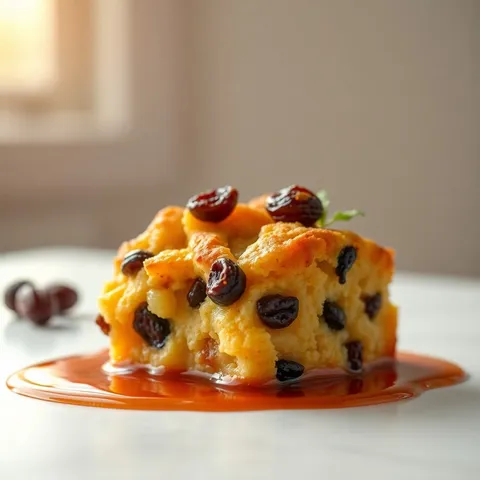
 Creole Bread Pudding
Day-old French bread soaked in a rich custard of cream, eggs, and vanilla, baked golden, then drowned in a warm bourbon-laced whiskey sauce.