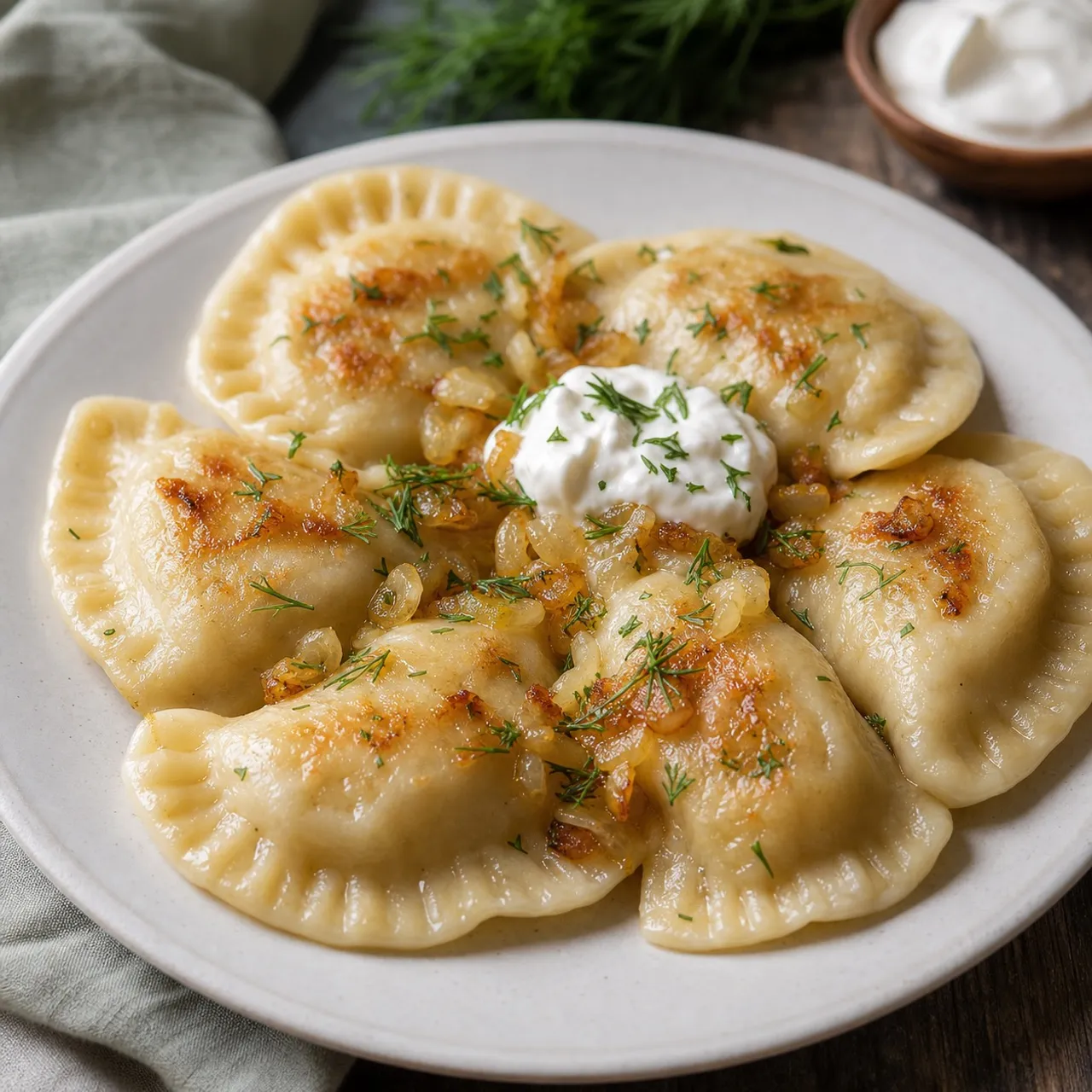
 Eastern European Images are for illustrative purposes only, may be inaccurate, and do not guarantee the presence or absence of specific ingredients.
 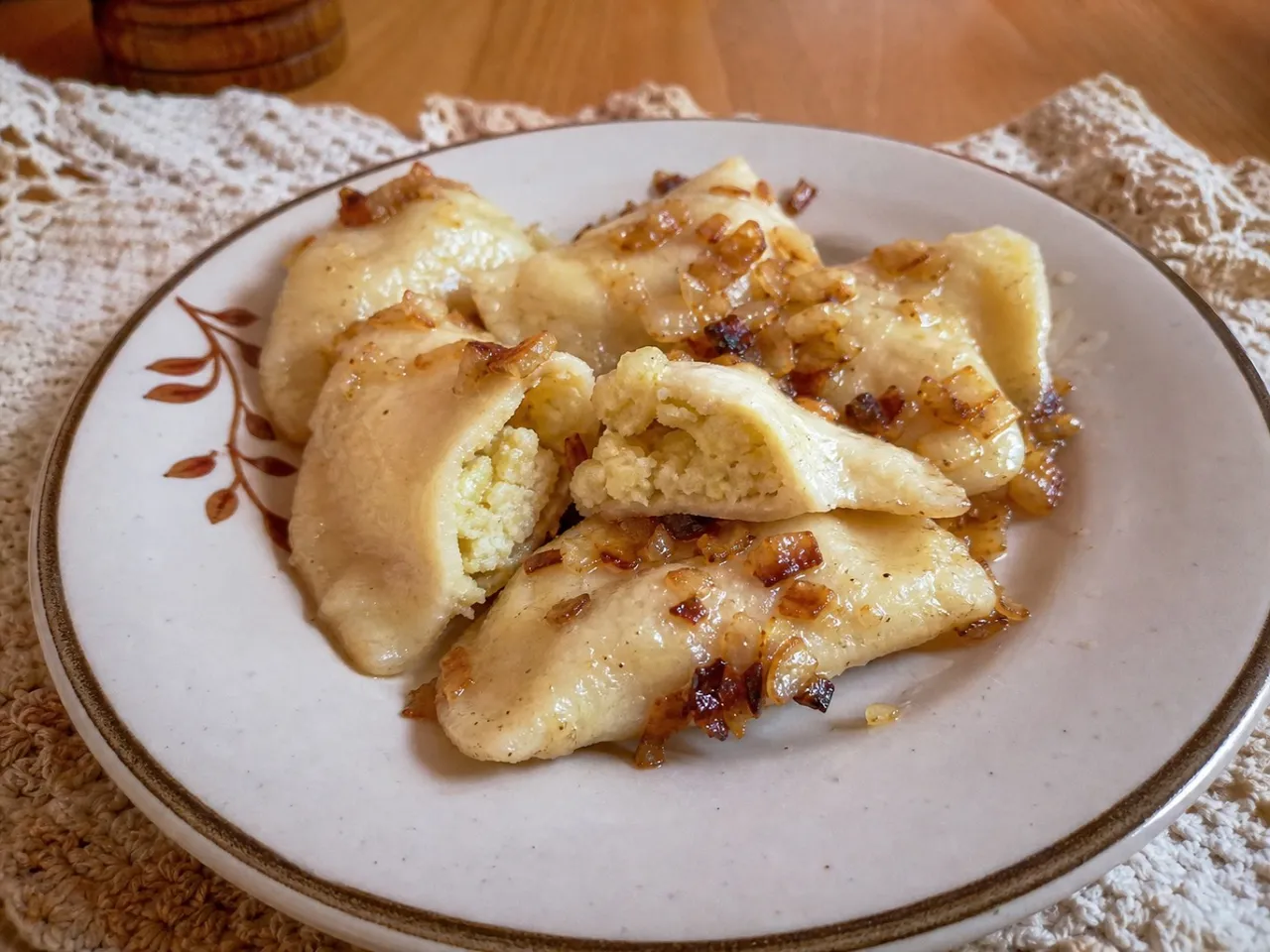 Serving Images are for illustrative purposes only, may be inaccurate, and do not guarantee the presence or absence of specific ingredients.
 Pierogi
Pillowy Polish dumplings stuffed with creamy potato and cheese, pan-fried in butter until golden — comfort food the whole family will ask for again.
Contains common allergens
In the app, Listahan checks these against your household automatically.
Instructions
6 steps- 1
Boil the potatoes until fork-tender (about 15-20 minutes). Drain and mash until completely smooth, then stir in the cheese and season with salt and pepper to taste. Let cool.
- 2
In a large bowl, whisk together the flour and salt. Add the egg and warm water, kneading until a smooth, elastic dough forms. Let it rest for 15 minutes covered with a damp towel.
- 3
Roll the dough out on a floured surface to about 1/8-inch thickness. Use a glass or biscuit cutter to cut out 3-inch circles.
- 4
Place a small spoonful of the potato and cheese filling in the center of each circle. Fold the dough over into a half-moon shape and pinch the edges tightly to seal.
- 5
Bring a large pot of salted water to a gentle boil. Drop the pierogi in batches; they are ready when they float to the surface (about 3-4 minutes).
- 6
Sauté the boiled pierogi in a skillet with melted butter over medium heat until they develop a golden-brown, crispy exterior. Serve with sour cream.
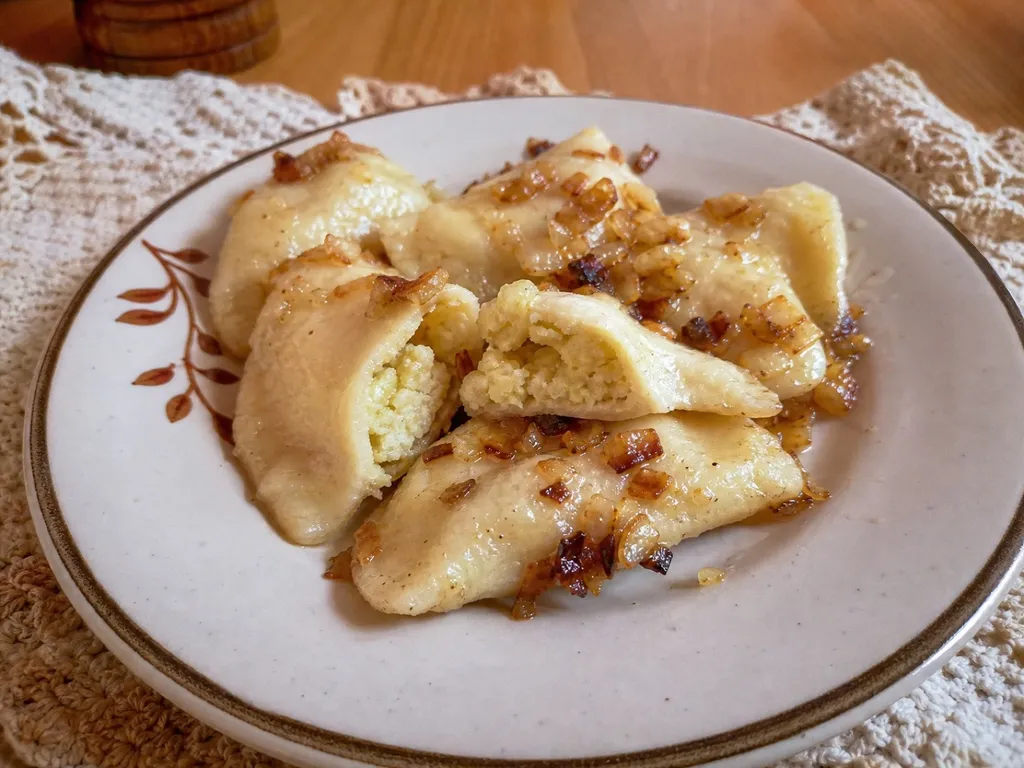 Images are for illustrative purposes only, may be inaccurate, and do not guarantee the presence or absence of specific ingredients.
 Listahan Family Score™
76/100
Good fit for most families
Score reflects how well this recipe fits a typical busy household. In the app, your Family Score is personalized to your household's allergens, kids, and pantry.
Nutrition
per serving735
Calories
20 g
Protein
88 g
Carbs
33 g
Fat
Estimated per serving. Actual values depend on the brands and portions you use.
Listahan cooking guide
Chef notes & practical guide
Technique notes, ingredient swaps, serve-alongside ideas, storage guidance, and equipment for this recipe.
Cultural context
Pierogi are Poland's best-known dumpling, a simple flour-egg-water dough historically filled with whatever was on hand, with potato and cheese standing as the most common savory pairing, finished with a pan-fry in butter that happens after boiling rather than replacing it.
Listahan note
This version treats the filling and the dough as two separately timed tasks, cooling the filling fully before assembly so it doesn't soften the dough or make sealing the edges difficult.
Technique cues
- The mashed potato and cheese filling needs to cool fully before it goes into the dough circles, since warm filling softens the dough and makes sealing the edges difficult.
- Rolling the dough to a consistent one-eighth-inch thickness is worth the extra care with pierogi, since thicker patches take longer to cook through and can leave a raw, gummy seam.
- Pierogi are done boiling once they float to the surface, generally three to four minutes, and pulling them too early leaves an undercooked dough that falls apart in the pan-fry step.
- The final pan-fry in butter over medium heat is what gives pierogi their characteristic golden, slightly crisp exterior, distinguishing them from a dish that is simply boiled and sauced.
Kitchen flow
- Parallel prep
- Prep any side dishes while Pierogi finishes with the farmer's cheese or ricotta — the hands-off cook time is the window to use. The boil step is what sets the pace here.
- Make-ahead
- Pierogi reheats well, so cooking it a day ahead and finishing it just before serving is a reasonable way to spread out the work. This one leans on the farmer's cheese or ricotta. The boil step is what sets the pace here.
- Leftover move
- Leftover Pierogi reheats well covered on the stove or in the oven with a splash of liquid; avoid the microwave, which can dry out a dish reheated this way faster than a covered, gentler reheat. This one leans on the farmer's cheese or ricotta. The boil step is what sets the pace here.
- Cleanup rhythm
- Deglaze the pan used for Pierogi with a splash of water or broth right after cooking — it lifts the browned bits before they dry on and saves scrubbing later. This one leans on the farmer's cheese or ricotta. The boil step is what sets the pace here.
Ingredient brief
Role, handling, and swap guidance for each key ingredient.
3 cups all-purpose flour
Structural base
Purpose: cups all-purpose flour defines the shape and texture of the dish.
Handling: Measure before heating and break up clumps so the mix distributes evenly.
Adaptation: Use a certified gluten-free alternative when needed and expect a small texture change.
1 large egg
Main protein or body
Purpose: large egg gives Pierogi its main substance and carries the seasoning.
Handling: Prep before heat is high so the cooking step can move without rushing.
Adaptation: Use an egg-free substitute only when binding or glazing is not the main structure.
1/2 cup warm water
Flavor support
Purpose: cup warm water supports the balance of Pierogi and should taste integrated.
Handling: Prep before heat is high so the cooking step can move without rushing.
Adaptation: Use the closest fresh equivalent and expect a modest shift in flavor or texture.
2 large russet potatoes
Structural base
Purpose: large russet potatoes defines the shape and texture of the dish.
Handling: Wash, trim, and cut evenly so the pieces cook at the same pace.
Adaptation: Use the closest fresh equivalent and expect a modest shift in flavor or texture.
1 cup farmer's cheese or ricotta
Main protein or body
Purpose: cup farmer's cheese or ricotta gives Pierogi its main substance and carries the seasoning.
Handling: Prep before heat is high so the cooking step can move without rushing.
Adaptation: Use unsweetened dairy-free alternatives only where they still provide enough fat and body.
Technique notes
- Sour cream is the standard accompaniment, its tang cutting through the richness of the butter-fried exterior.
- Boiled, unfried pierogi freeze well on a tray before bagging, so a batch can be portioned and fried fresh in smaller amounts later.
- Crowding the pan during the fry step drops the oil temperature and leaves the pierogi pale instead of golden, so frying in batches works better than one crowded pass.
Ingredient swaps
- Gluten-free direction
- Replace the all-purpose flour with a certified gluten-free 1:1 flour blend or gluten-free noodles/breadcrumbs — check that any other packaged ingredients here are labeled gluten-free too. This one leans on the russet potatoes.
- Dairy-free direction
- Swap the unsalted butter for a neutral dairy-free butter or oil and a full-fat plant milk (oat or coconut work best for body) — the texture shifts slightly but the dish holds together. This one leans on the russet potatoes.
- Egg-aware direction
- Replace the egg with a flax or chia egg (1 tbsp ground seed + 3 tbsp water, rested 5 minutes) for binding, best when eggs are there for binding rather than structure or rise. This one leans on the russet potatoes.
- Lower-sodium direction
- Hold back roughly a third of the salt at first; taste once everything else has had time to come together. This one leans on the russet potatoes.
Serve alongside
- Fresh berries
- Citrus fruit salad
- Mint leaves
- Black coffee
- Hot tea
- Sparkling water with lemon
Serving suggestions only — check pairings for your household's allergens.
Storage & reheating
- Store covered for 3 to 4 days, refrigerated when dairy, eggs, custard, or fresh fruit are involved.
- Reheat gently only when warmth improves the texture.
- Freeze sturdy baked portions up to 2 months; avoid freezing delicate fresh toppings.
Equipment
- Mixing bowls
- Baking dish or pan
- Cooling rack
Make this household-aware
Listahan Pro checks this recipe against your household's allergens, finds pantry-aware swaps, builds the shopping list, and helps you plan the week around it.
Plan it in Listahan
Add Pierogi to your week, check it against your household's allergens, and build the shopping list automatically.
More Eastern European recipes
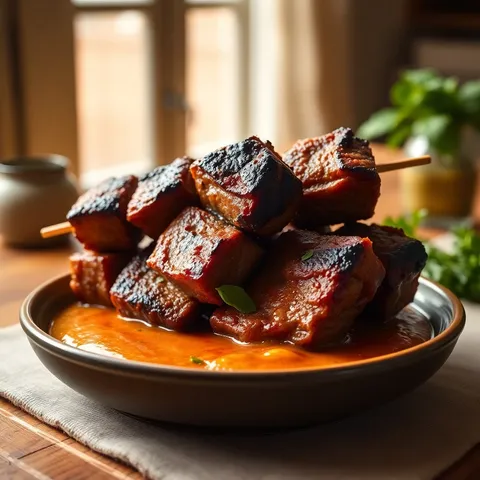 Eastern European Lens Verified Images are for illustrative purposes only, may be inaccurate, and do not guarantee the presence or absence of specific ingredients.
 Shashlik
Smoky, charred cubes of marinated lamb or pork threaded on skewers and grilled over embers — Central Asia's festive open-fire classic, fragrant with onion and spice.
 Eastern European Lens Verified Images are for illustrative purposes only, may be inaccurate, and do not guarantee the presence or absence of specific ingredients.
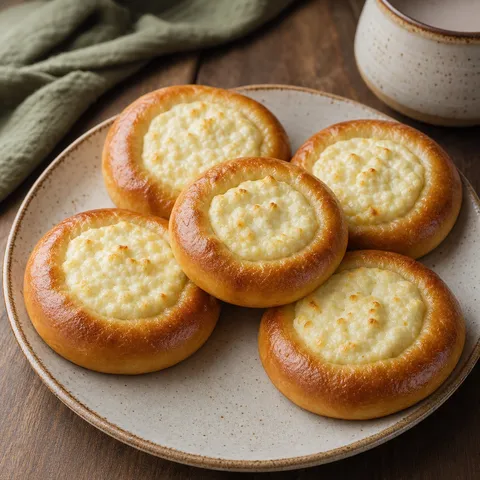
 Vatrushka
Soft, pillowy Russian buns filled with a sweetened quark or farmer's cheese center — lightly golden and gently sweet, perfect alongside tea or coffee.
 Eastern European Lens Verified Images are for illustrative purposes only, may be inaccurate, and do not guarantee the presence or absence of specific ingredients.
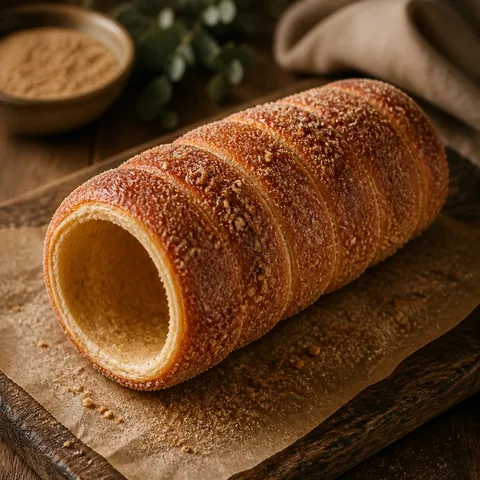
 Kurtosh Kalach
Hungary's iconic chimney cake — sweet yeast dough spiraled around a spit, rolled in cinnamon sugar, and roasted until the outside caramelizes into a crackly, warm shell.