 Spanish Images are for illustrative purposes only, may be inaccurate, and do not guarantee the presence or absence of specific ingredients.
  Serving Images are for illustrative purposes only, may be inaccurate, and do not guarantee the presence or absence of specific ingredients.
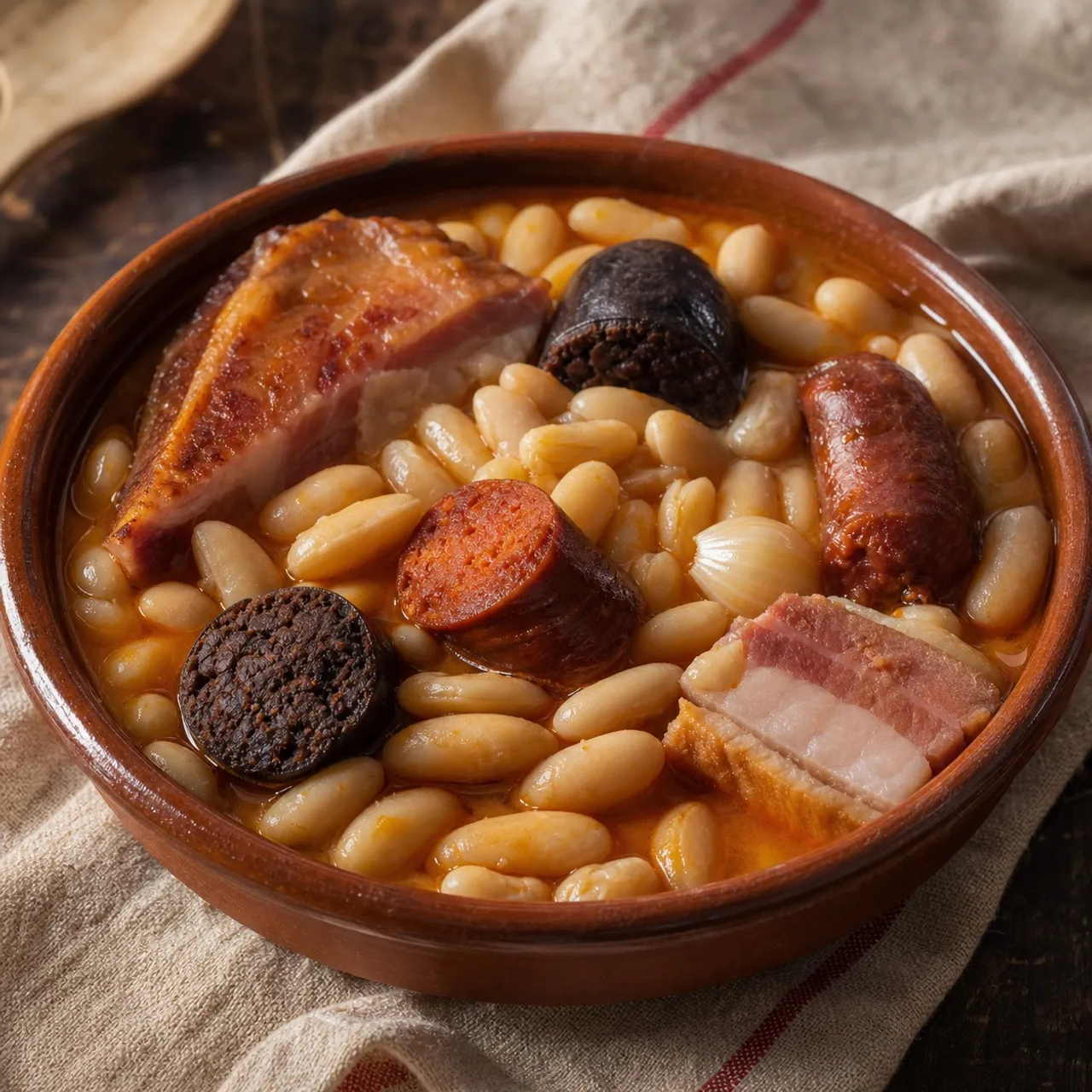
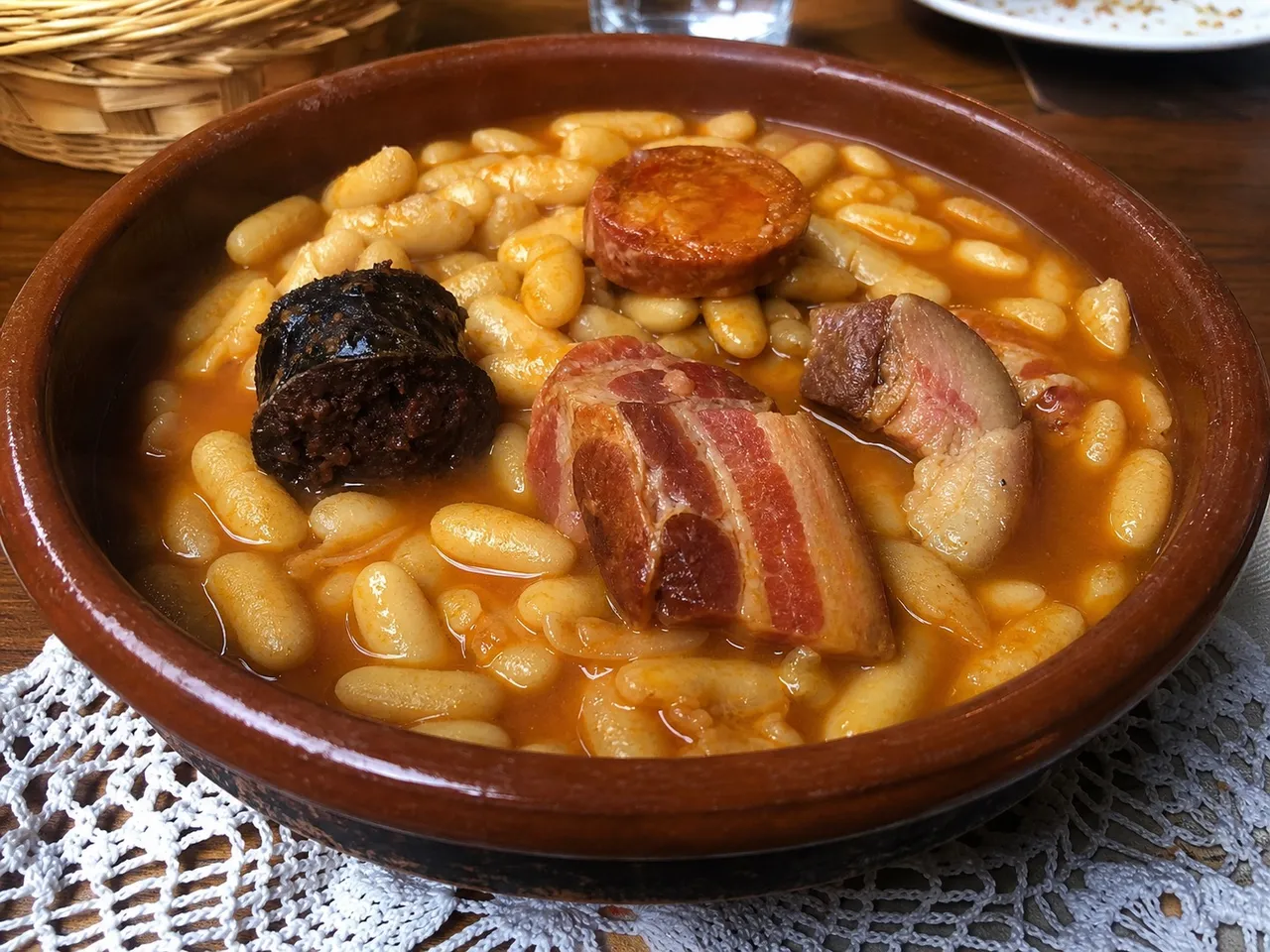
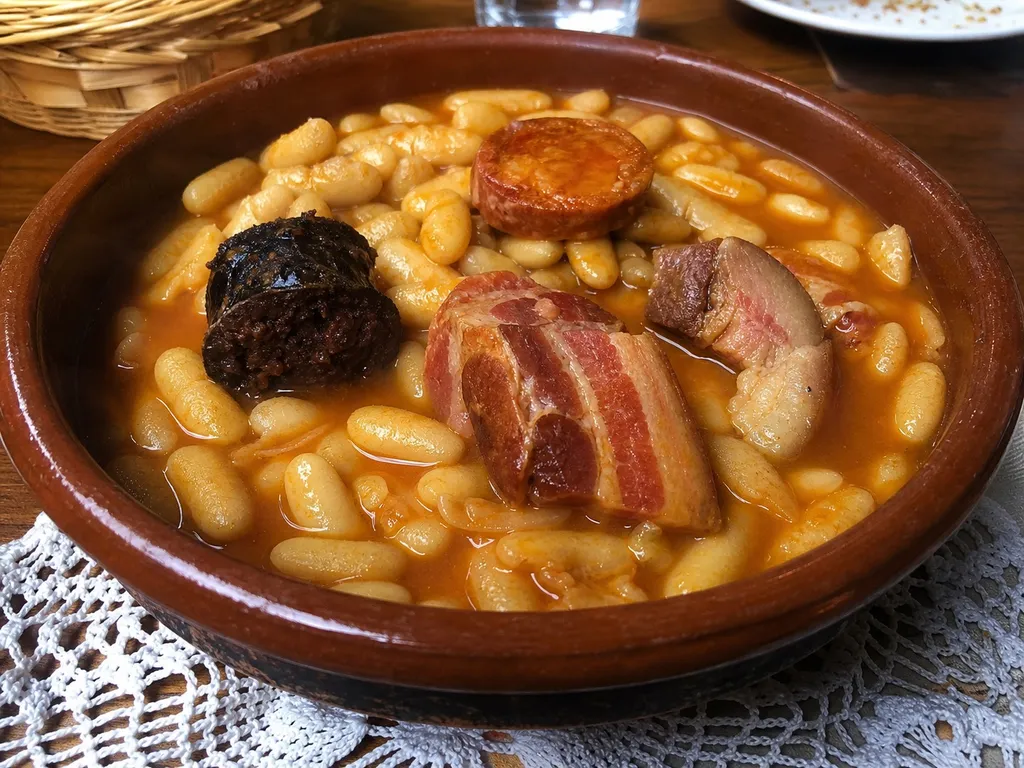
 Fabada Asturiana
Asturias's legendary white bean stew, slow-simmered with chorizo, morcilla, and smoked pork until everything is rich, smoky, and deeply warming.
No common allergens detected
Based on this recipe's ingredient list. Always verify with your own brands and labels.
Good to know
- One-pot
Matched from this dish's own ingredients and timing. Browse more: one-pot dinners
Instructions
6 steps- 1
Prepare the Meats: If the lacón or pancetta are very salty, soak them in water for a few hours prior to cooking. Prick the chorizo and morcilla with a fork to prevent them from bursting during cooking.
- 2
Start the Boil: Drain the soaked beans and place them in a large, wide heavy-bottomed pot. Bury the whole onion, garlic cloves, chorizo, morcilla, lacón, and pancetta among the beans.
- 3
Add Liquid and Bring to a Simmer: Cover the ingredients with cold water by about two inches. Bring the pot to a boil over medium-high heat. Skim off any white foam or impurities that rise to the top during the first 10 minutes.
- 4
Shock the Beans: To ensure the skins don't split, "shock" the beans by adding a splash of cold water to the boiling pot to momentarily drop the temperature. Repeat this "asustar las fabas" process two more times during the cooking process.
- 5
Add Spices and Slow Cook: Lightly toast the saffron and dissolve it in a spoonful of hot broth, then add it to the pot along with the smoked paprika. Lower the heat to the gentlest possible simmer. Cover and cook slowly for 2 to 2.5 hours. Do not stir with a spoon; instead, gently shake the pot by the handles to prevent breaking the beans.
- 6
Rest and Serve: Check the beans for tenderness. Once creamy and soft, remove the pot from the heat. Discard the onion and garlic. Carefully remove the meats (the 'compango'), slice them into chunks, and return them to the pot. Let the stew rest for 30 minutes before serving, allowing the broth to thicken and flavors to meld.
 Images are for illustrative purposes only, may be inaccurate, and do not guarantee the presence or absence of specific ingredients.
 Listahan Family Score™
67/100
Works for many families
Score reflects how well this recipe fits a typical busy household. In the app, your Family Score is personalized to your household's allergens, kids, and pantry.
Nutrition
per serving895
Calories
66 g
Protein
9 g
Carbs
65 g
Fat
Estimated per serving. Actual values depend on the brands and portions you use.
Listahan cooking guide
Chef notes & practical guide
Technique notes, ingredient swaps, serve-alongside ideas, storage guidance, and equipment for this recipe.
Cultural context
Fabada asturiana is the iconic bean stew of Asturias, the green, mountainous region on Spain's northern Atlantic coast. Built on creamy fabes beans and a trio of cured pork called the compango, it is a rich, warming dish made for cold, damp days. The beans are the star, prized for cooking up large, buttery, and intact, while chorizo, morcilla blood sausage, and cured pork shoulder lend smoke and depth.
Listahan note
This version treats the fabes gently so they stay whole and creamy, and leans on the smoked compango sausages to do the heavy flavor lifting.
Technique cues
- Soak the beans overnight and cook them at a bare simmer; a hard boil bursts their skins and turns the stew muddy.
- Scare the beans by adding a splash of cold water once or twice during cooking, an Asturian trick said to keep the skins intact.
- Add the morcilla blood sausage toward the end, since it is delicate and can disintegrate into the broth if cooked too long.
Kitchen flow
- Parallel prep
- Soak the beans the night before and have all the compango meats portioned so the pot can build in one go.
- Make-ahead
- Fabada is even better the next day, so cook it ahead and reheat gently; the flavors meld overnight.
- Leftover move
- Thin leftover fabada with a little stock into a soup, or spoon it over toasted bread for a hearty lunch.
- Cleanup rhythm
- Soak the pot right after serving since bean starch sticks, and skim any solidified fat off cold leftovers before reheating.
Ingredient brief
Role, handling, and swap guidance for each key ingredient.
Fabes (large white beans)
the heart of the stew
Purpose: These big, creamy Asturian beans are the entire point, cooking up buttery and tender.
Handling: Soak overnight and simmer gently with the meats so they absorb all the smoky flavor.
Adaptation: Large dried lima beans or gigante beans are the closest widely available substitute.
Chorizo
smoke and spice
Purpose: Spanish chorizo lends its paprika-rich oil and smoky depth to the whole pot.
Handling: Add it whole early so it slowly perfumes the broth, then slice it for serving.
Adaptation: Use a smoked, paprika-forward sausage; avoid Mexican-style fresh chorizo which is different.
Morcilla (blood sausage)
richness and earthiness
Purpose: Morcilla brings a deep, mineral richness that defines an authentic fabada.
Handling: Add it near the end and handle gently so it does not break apart.
Adaptation: If unavailable, a little extra chorizo and smoked pork keeps the dish hearty, though it loses authenticity.
Cured pork shoulder
savory backbone
Purpose: A piece of cured pork or pancetta adds meaty body and salt to the broth.
Handling: Simmer it from the start so its fat and flavor melt into the beans.
Adaptation: Smoked ham hock or a piece of bacon delivers similar smoky richness.
Saffron
color and aroma
Purpose: A pinch of saffron tints the broth golden and adds a subtle floral note.
Handling: Steep it in a little warm broth before stirring it in.
Adaptation: A small pinch of sweet paprika gives color, though not the aroma.
Technique notes
- Keep the simmer gentle throughout; the difference between intact creamy beans and a broken mush is purely the temperature.
- Do not add salt until the beans are nearly tender, as early salt can toughen the skins.
- Let the finished stew rest off the heat for fifteen minutes so the broth thickens slightly and the flavors settle.
Ingredient swaps
- Gluten-free direction
- Naturally gluten-free; just confirm the sausages contain no wheat fillers.
- Lighter direction
- Skim the fat and use leaner smoked sausage to lighten the stew while keeping the smoky flavor.
- Lower-sodium direction
- Soak the cured meats briefly to draw out salt and season the broth only at the very end.
Serve alongside
- Crusty Asturian bread
- Simple escarole salad
- Pickled guindilla peppers
- Boiled potatoes
- Asturian sidra (dry cider)
- Robust Spanish red
- Sparkling water
Serving suggestions only — check pairings for your household's allergens.
Storage & reheating
- Refrigerate for up to four days; the stew thickens and improves with time. Reheat gently, adding a splash of water if it has tightened too much. Fabada freezes well for up to three months, though the morcilla softens, so consider adding fresh blood sausage on reheating.
Equipment
- Large heavy pot or Dutch oven
- Ladle for skimming
- Wooden spoon
- Bowl for overnight soaking
Make this household-aware
Listahan Pro checks this recipe against your household's allergens, finds pantry-aware swaps, builds the shopping list, and helps you plan the week around it.
Plan it in Listahan
Add Fabada Asturiana to your week, check it against your household's allergens, and build the shopping list automatically.
More Spanish recipes
 Spanish Lens Verified Images are for illustrative purposes only, may be inaccurate, and do not guarantee the presence or absence of specific ingredients.
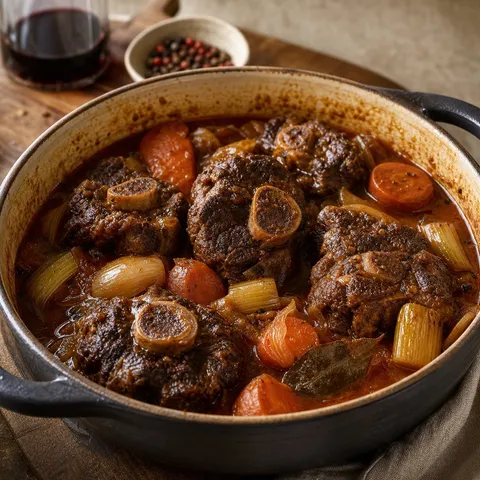
 Rabo de Toro
Oxtail slow-braised for hours with red wine, vegetables, and cloves until the meat falls from the bone in a deeply savoury, velvety Andalusian stew.
 Spanish Lens Verified Images are for illustrative purposes only, may be inaccurate, and do not guarantee the presence or absence of specific ingredients.
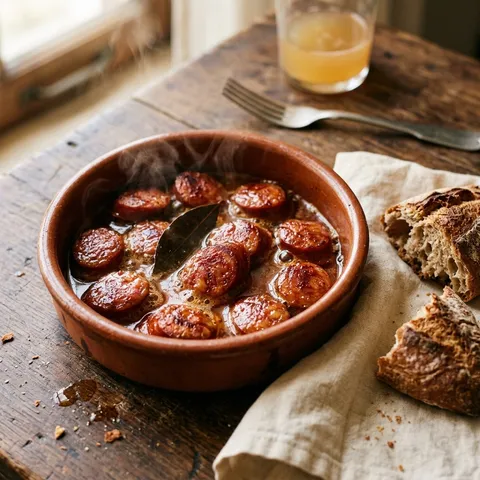
 Chorizo a la Sidra
Sliced Spanish chorizo simmered in dry Asturian cider until the sauce is tangy, smoky, and gloriously red — a quick tapas that pairs beautifully with beer.
 Spanish Lens Verified Images are for illustrative purposes only, may be inaccurate, and do not guarantee the presence or absence of specific ingredients.
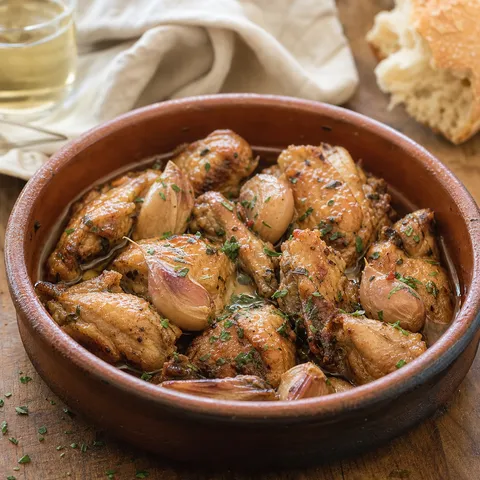
 Pollo al Ajillo
Chicken pieces braised in white wine and a generous amount of garlic until the sauce is sticky, fragrant, and impossible to resist mopping up.