 Spanish Images are for illustrative purposes only, may be inaccurate, and do not guarantee the presence or absence of specific ingredients.
  Serving Images are for illustrative purposes only, may be inaccurate, and do not guarantee the presence or absence of specific ingredients.
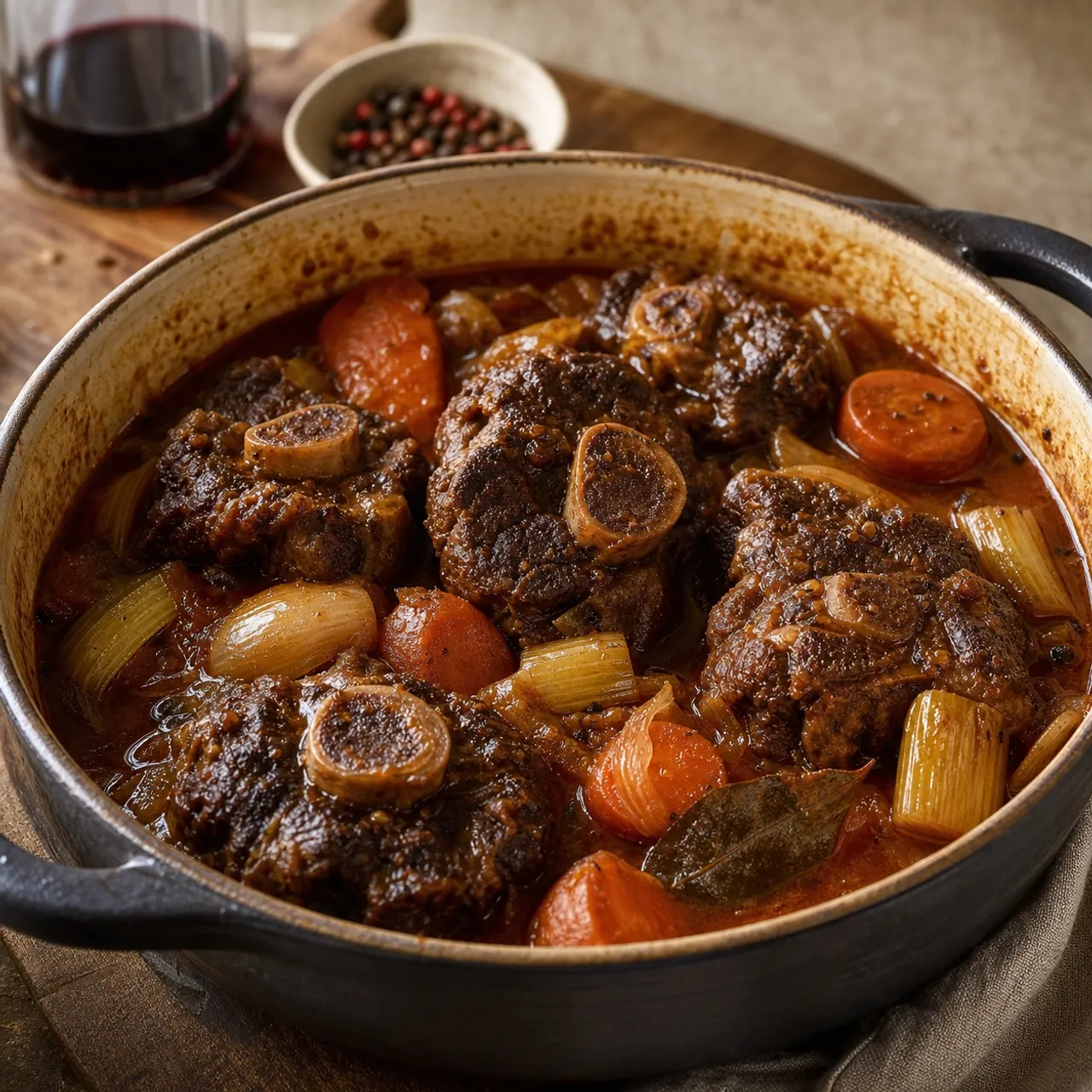
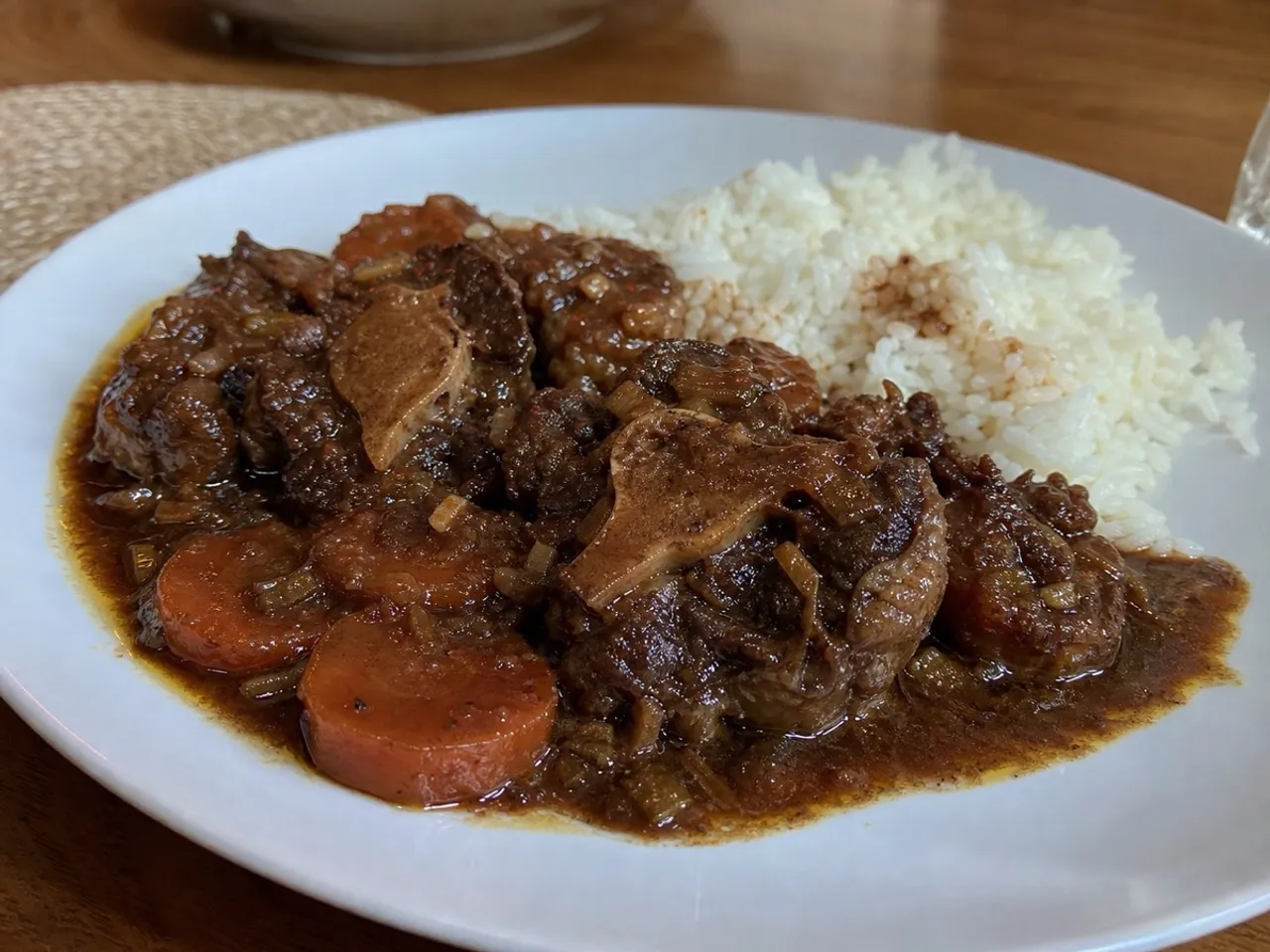
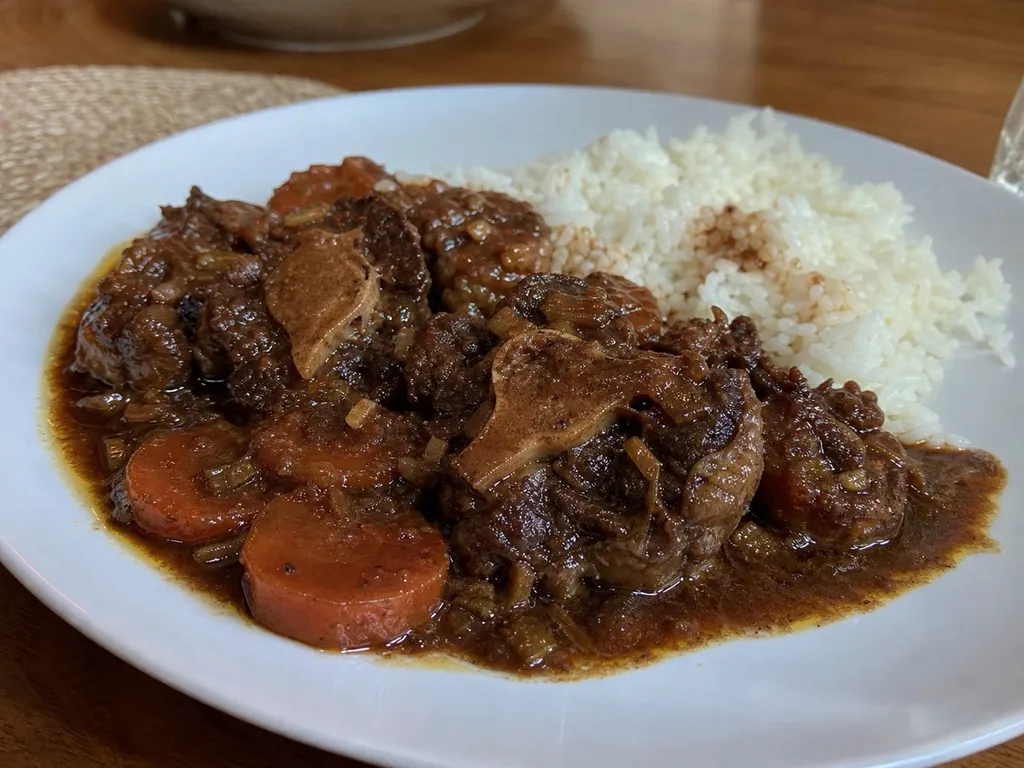
 Rabo de Toro
Oxtail slow-braised for hours with red wine, vegetables, and cloves until the meat falls from the bone in a deeply savoury, velvety Andalusian stew.
Contains common allergens
In the app, Listahan checks these against your household automatically.
Good to know
- One-pot
Matched from this dish's own ingredients and timing. Browse more: one-pot dinners
Instructions
6 steps- 1
Sear the Meat: Season the oxtail segments generously with salt and pepper, then dredge lightly in flour, shaking off the excess. Heat 3 tbsp of olive oil in a large Dutch oven over medium-high heat. Sear the oxtails in batches until deeply browned on all sides (about 8-10 minutes per batch). Remove and set aside.
- 2
Cook the Mirepoix: In the same pot, reduce the heat to medium. Add the onions, carrots, and leek. Sauté for 10-15 minutes until the vegetables are deeply softened and caramelized, scraping up the brown bits from the meat.
- 3
Add Aromatics: Add the minced garlic, whole peppercorns, and grated tomato. Cook for 5 minutes until the tomato liquid evaporates and thickens.
- 4
Deglaze with Wine: Return the oxtail to the pot. Pour in the entire bottle of red wine. Bring to a rapid boil for 5 minutes to cook off the harsh alcohol.
- 5
Slow Braise: Add the beef broth and bay leaves; the liquid should almost cover the meat. Bring to a simmer, cover tightly with a lid, and transfer to a 150°C (300°F) oven (or simmer very low on the stovetop) for 3 to 3.5 hours.
- 6
Finish the Sauce: The meat is done when it is fork-tender and falling off the bone. Carefully remove the meat segments to a platter. Skim the fat off the surface of the sauce. Discard the bay leaves, then blend the vegetables and liquid into a rich, thick, velvety gravy. Pour the sauce back over the meat and serve hot.
 Images are for illustrative purposes only, may be inaccurate, and do not guarantee the presence or absence of specific ingredients.
 Listahan Family Score™
70/100
Good fit for most families
Score reflects how well this recipe fits a typical busy household. In the app, your Family Score is personalized to your household's allergens, kids, and pantry.
Nutrition
per serving510
Calories
49 g
Protein
10 g
Carbs
30 g
Fat
Estimated per serving. Actual values depend on the brands and portions you use.
Listahan cooking guide
Chef notes & practical guide
Technique notes, ingredient swaps, serve-alongside ideas, storage guidance, and equipment for this recipe.
Cultural context
Rabo de toro, braised oxtail, is a signature of Cordoba and Andalusian cooking, historically associated with bullfighting cities where the tails were an inexpensive cut transformed into something luxurious. Slow braising in red wine and vegetables coaxes the gelatinous oxtail into fall-off-the-bone richness with a deeply glossy sauce. It is celebratory food that rewards patience over technique.
Listahan note
This version browns the oxtail deeply and braises it low and slow in red wine until the sauce turns silky from natural gelatin. It is designed as a weekend project dish that mostly cooks itself once it hits the oven or pot.
Technique cues
- Brown the oxtail pieces hard on every side before braising; that deep crust is the foundation of the sauce's color and flavor.
- Reduce the wine on its own for a few minutes before returning the meat so the raw alcohol cooks off and the sauce tastes round, not sharp.
- Cook until the meat truly surrenders, usually three hours or more, because oxtail is only good when the connective tissue has fully melted.
Kitchen flow
- Parallel prep
- Chop all the vegetables while the oxtail browns in batches, so the aromatic base is ready the moment the meat is seared.
- Make-ahead
- Rabo de toro is better the next day, so braise it fully a day ahead and let the flavors deepen overnight before reheating.
- Leftover move
- Pull the leftover meat off the bones and fold it into pappardelle or use it to fill empanadas.
- Cleanup rhythm
- Skim the fat off the cooled sauce the next morning, which both cleans the dish and improves the texture in one step.
Ingredient brief
Role, handling, and swap guidance for each key ingredient.
Oxtail
The star cut
Purpose: Its high collagen content melts into the sauce, giving the dish its signature glossy, lip-coating richness.
Handling: Pat dry and salt ahead, then brown in batches so the pieces sear rather than steam.
Adaptation: Bone-in beef short ribs or beef shank give a similar braised result if oxtail is hard to find.
Dry red wine
Braising liquid and depth
Purpose: A robust Spanish red builds the dark, complex backbone the sauce is known for.
Handling: Reduce it briefly before adding back the meat to soften its raw edge.
Adaptation: Beef broth with a splash of grape juice and red wine vinegar for an alcohol-free braise.
Onion, carrot, and leek
Aromatic vegetable base
Purpose: This sofrito-style base sweetens and thickens the sauce as it slowly breaks down.
Handling: Chop roughly since they will be simmered until soft and often blended into the sauce.
Adaptation: Celery can stand in for leek; the trio is flexible as long as you keep onion and carrot.
Garlic and bay leaf
Aromatic seasoning
Purpose: They infuse the long braise with the herbal, savory notes typical of Andalusian stews.
Handling: Add the garlic whole or smashed and the bay leaves whole, removing the bay before serving.
Adaptation: Thyme can join or replace bay; garlic is essential and should not be skipped.
Smoked paprika
Warm color and earthiness
Purpose: It threads a gentle smoky warmth through the sauce that marks the dish as Spanish.
Handling: Stir into the softened vegetables and let it bloom briefly before the wine goes in.
Adaptation: Sweet paprika plus a pinch of cumin for a similar earthy warmth.
Technique notes
- After braising, lift out the meat and reduce the sauce on the stovetop until it coats a spoon for a more concentrated finish.
- Blend the softened braising vegetables into the strained sauce for a velvety body without any added thickener.
- A square of dark chocolate or a spoon of the reduced sauce stirred in at the end deepens the color and richness, a classic Andalusian trick.
Ingredient swaps
- Alcohol-free direction
- Braise in beef broth with red wine vinegar and a little grape juice to echo the wine's depth without alcohol.
- Different cut direction
- Use bone-in short ribs for an easier-to-find cut that still delivers gelatin-rich sauce.
- Lower-fat direction
- Chill the braise and lift off the solidified fat cap before reheating to lighten the dish.
Serve alongside
- Creamy mashed potatoes
- Buttered crusty bread
- Saffron rice
- Roasted root vegetables
- A bold Ribera del Duero red
- An oloroso sherry
- Dark roasted coffee to finish
Serving suggestions only — check pairings for your household's allergens.
Storage & reheating
- Store the cooled oxtail in its sauce in an airtight container in the fridge for up to four days, where the flavor only improves. Reheat gently on the stovetop over low heat until warmed through, loosening with a splash of broth if needed. It freezes well for up to three months; thaw overnight in the fridge before reheating.
Equipment
- A heavy Dutch oven or braising pot
- Sturdy tongs for browning
- A fine sieve for straining the sauce
- An immersion blender for the vegetable base
Make this household-aware
Listahan Pro checks this recipe against your household's allergens, finds pantry-aware swaps, builds the shopping list, and helps you plan the week around it.
Plan it in Listahan
Add Rabo de Toro to your week, check it against your household's allergens, and build the shopping list automatically.
More Spanish recipes
 Spanish Lens Verified Images are for illustrative purposes only, may be inaccurate, and do not guarantee the presence or absence of specific ingredients.
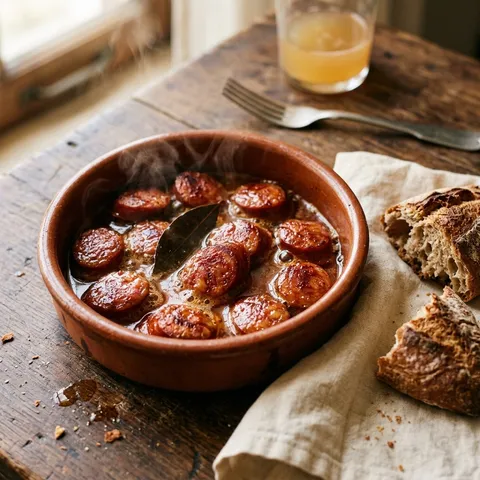
 Chorizo a la Sidra
Sliced Spanish chorizo simmered in dry Asturian cider until the sauce is tangy, smoky, and gloriously red — a quick tapas that pairs beautifully with beer.
 Spanish Lens Verified Images are for illustrative purposes only, may be inaccurate, and do not guarantee the presence or absence of specific ingredients.
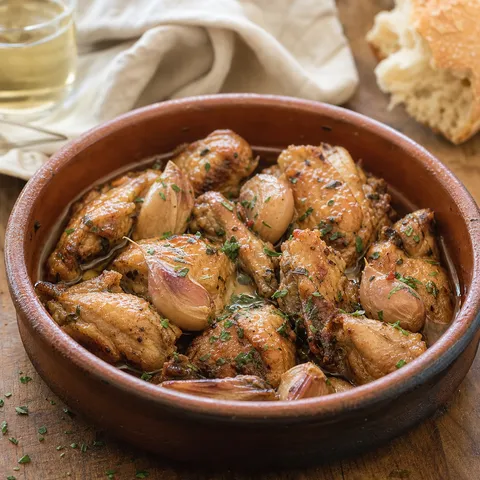
 Pollo al Ajillo
Chicken pieces braised in white wine and a generous amount of garlic until the sauce is sticky, fragrant, and impossible to resist mopping up.
 Spanish Lens Verified Images are for illustrative purposes only, may be inaccurate, and do not guarantee the presence or absence of specific ingredients.
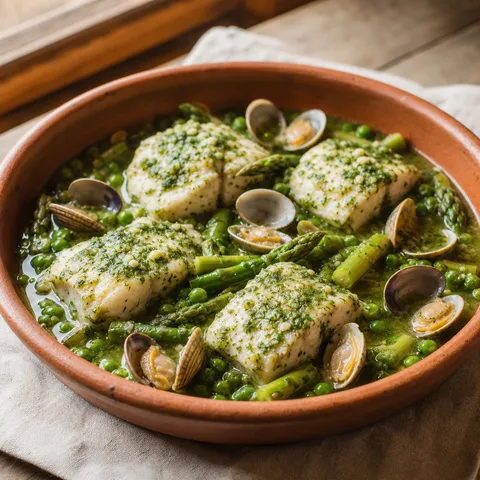
 Merluza a la Vasca
Delicate hake fillets gently cooked in a vibrant green parsley and garlic sauce with clams and asparagus — refined, light Basque coastal cuisine.