 Vegetables & Sides Images are for illustrative purposes only, may be inaccurate, and do not guarantee the presence or absence of specific ingredients.
  Serving Images are for illustrative purposes only, may be inaccurate, and do not guarantee the presence or absence of specific ingredients.
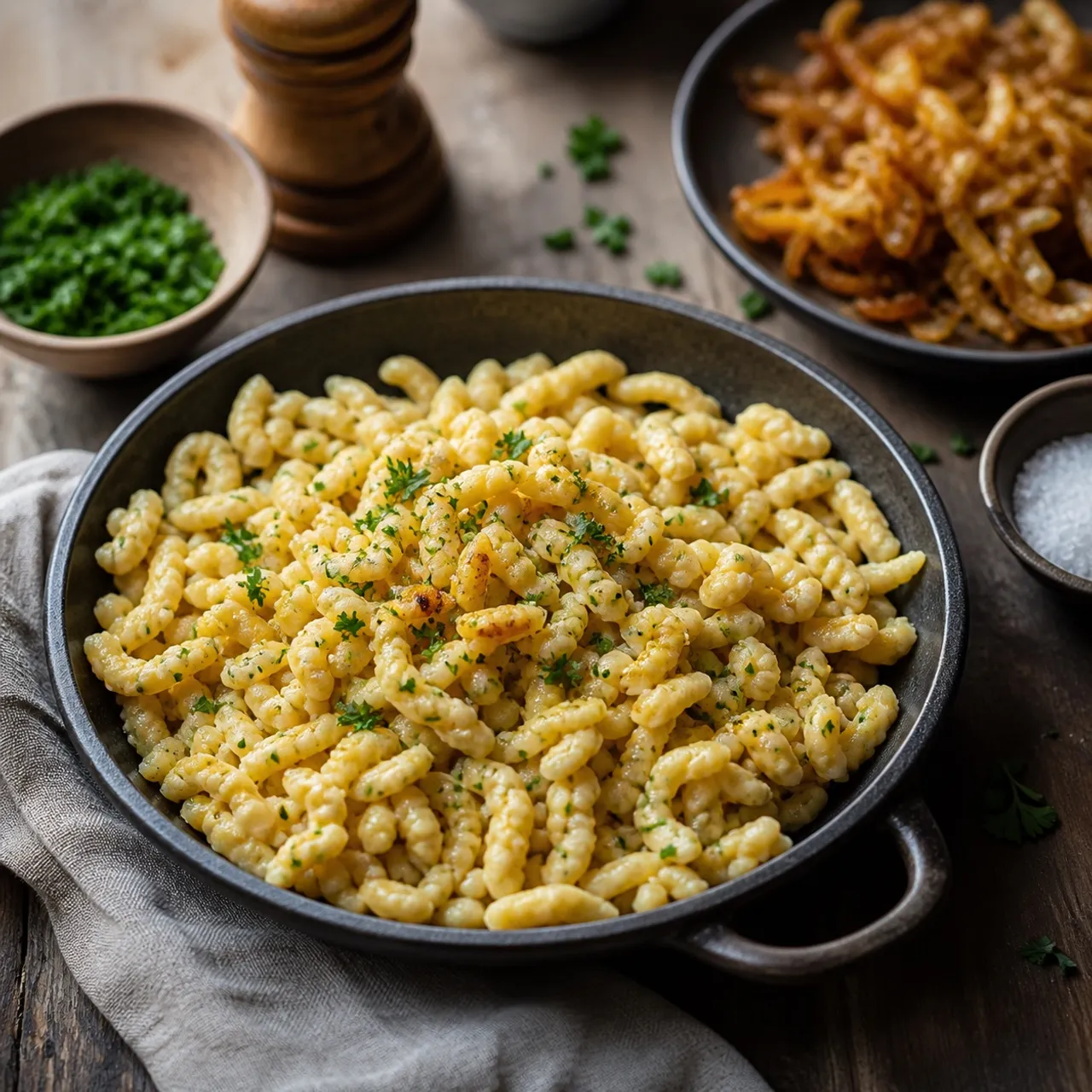
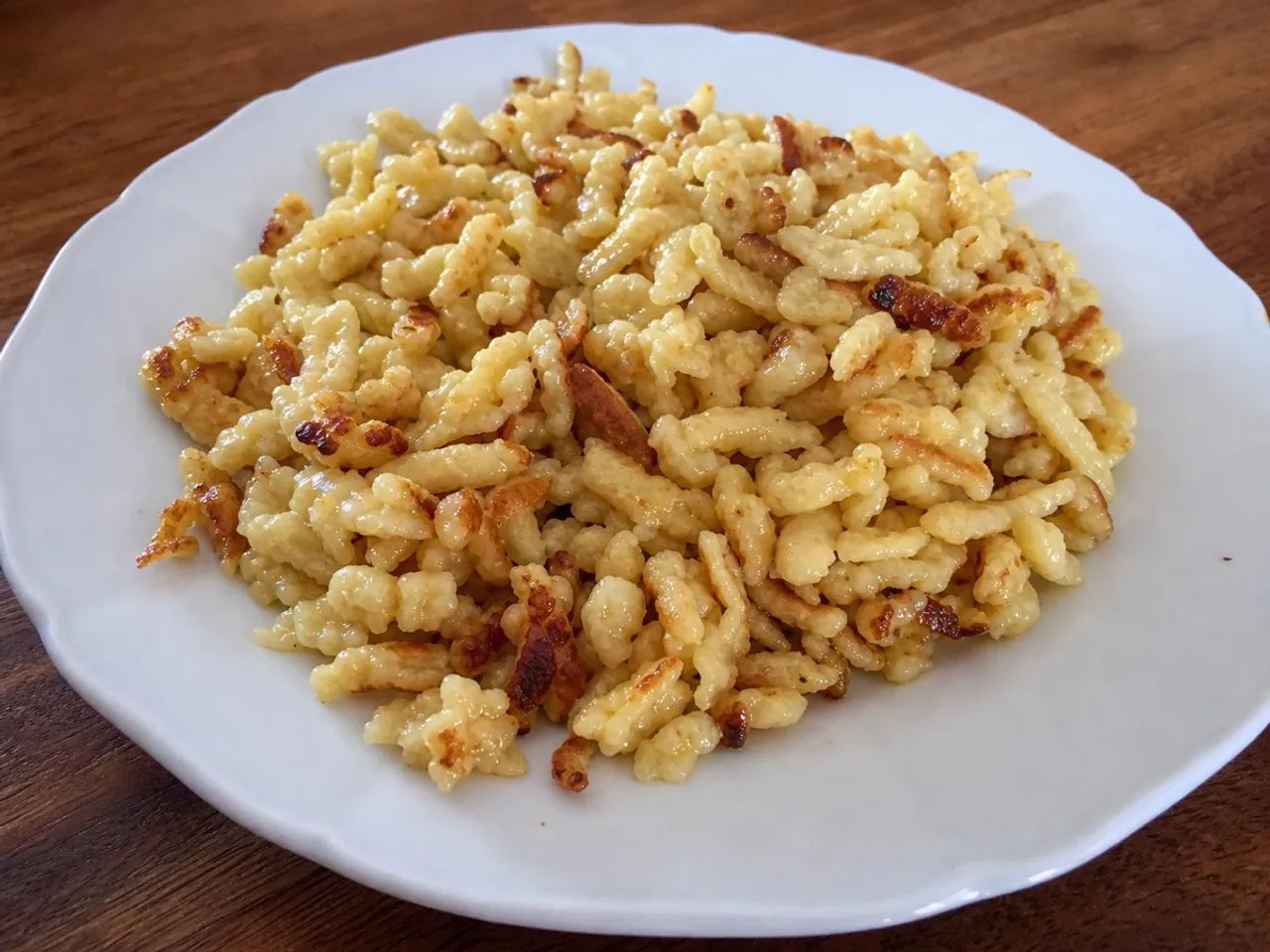
 Spaetzle
Tender German egg dumplings that are perfect tossed in butter or served under a rich gravy.
Contains common allergens
In the app, Listahan checks these against your household automatically.
Good to know
- One-pot
- Ready in under 30 minutes
Matched from this dish's own ingredients and timing. Browse more: one-pot dinners30-minute meals
Instructions
6 steps- 1
Using an electric mixer, blend the eggs, vegetable oil, water, and milk until smooth and combined.
- 2
In a separate dry bowl, stir together the flour, 1/2 teaspoon of the salt, and the baking powder.
- 3
Gradually blend the flour mixture into the egg mixture, beating until you have a smooth, thick, sticky batter. Set aside to rest for a few minutes.
- 4
Bring 4 quarts of water to a rolling boil in a large pot and add 2 teaspoons of salt. Working in batches with about 1/3 of the dough at a time, press the dough through a spaetzle maker or a colander with large holes directly into the boiling water.
- 5
Cook until the dumplings float to the surface, about 2-3 minutes, then remove them with a slotted spoon and transfer to a colander to drain. Repeat with the remaining dough.
- 6
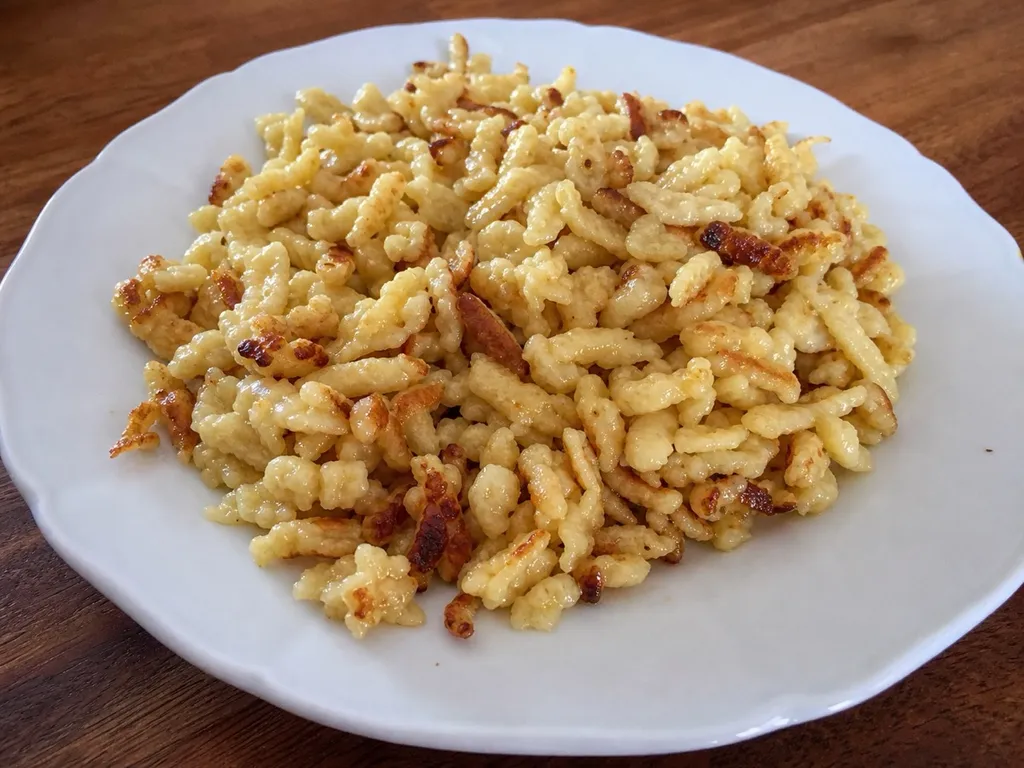
Serve the spaetzle warm, either tossed with paprika gravy or pan-fried in a little butter over medium heat until lightly golden, then topped with chopped parsley.
 Images are for illustrative purposes only, may be inaccurate, and do not guarantee the presence or absence of specific ingredients.
 Listahan Family Score™
72/100
Good fit for most families
Score reflects how well this recipe fits a typical busy household. In the app, your Family Score is personalized to your household's allergens, kids, and pantry.
Nutrition
per serving340
Calories
10 g
Protein
49 g
Carbs
11 g
Fat
Estimated per serving. Actual values depend on the brands and portions you use.
Listahan cooking guide
Chef notes & practical guide
Technique notes, ingredient swaps, serve-alongside ideas, storage guidance, and equipment for this recipe.
Cultural context
Spaetzle is a soft egg noodle from the Swabian region of southwest Germany, where home cooks scraped a loose batter directly into boiling water rather than rolling and cutting a stiff dough. The name comes from a dialect word for little sparrows, a nod to the irregular, dumpling-like shape each piece takes. It spread across Germany, Austria, Switzerland, and Alsace as the everyday starch that soaks up gravies and braises.
Listahan note
This version keeps the batter eggy and loose so the noodles stay tender, then finishes them in browned butter for a nutty edge instead of serving them plain.
Technique cues
- Beat the batter until it pulls into ribbons and forms bubbles, which builds enough structure that the spaetzle hold together when they hit the water.
- Let the batter rest ten minutes before pressing it through, so the flour fully hydrates and the noodles cook evenly instead of staying gummy in the center.
- Fish the spaetzle out the moment they float, then shock briefly in cool water if you are not pan-frying right away, which stops them from clumping into a solid mass.
Kitchen flow
- Parallel prep
- Mix and rest the batter while a large pot of salted water comes to a boil, so both are ready at the same moment.
- Make-ahead
- Boil and cool the spaetzle a day ahead, toss with a little oil, and refrigerate; brown them in butter just before serving.
- Leftover move
- Crisp leftover spaetzle hard in a hot pan with cheese and onions for a quick Kaesespaetzle the next day.
- Cleanup rhythm
- Soak the spaetzle press or colander in hot water right away before the batter dries and cements into the holes.
Ingredient brief
Role, handling, and swap guidance for each key ingredient.
all-purpose flour
noodle structure
Purpose: Flour gives the batter the body it needs to hold a noodle shape once it boils.
Handling: Whisk it smooth into the eggs and liquid so no dry pockets remain.
Adaptation: A cup-for-cup gluten-free blend works but yields a softer, more delicate noodle.
eggs
binder and richness
Purpose: Eggs are what make spaetzle tender and golden rather than tough like a flour-and-water dumpling.
Handling: Beat them well before adding flour so the batter emulsifies evenly.
Adaptation: For an egg-free batter, use a thick flax-and-water slurry, though the texture will be denser.
milk
batter liquid
Purpose: Milk loosens the batter to a scoopable consistency and adds a little richness.
Handling: Add it gradually, stopping when the batter slowly drips off a spoon in ribbons.
Adaptation: Water or any unsweetened plant milk works in equal measure.
butter
finishing fat
Purpose: Browning the cooked noodles in butter is what turns plain spaetzle into something worth seeking out.
Handling: Melt it until it foams and smells nutty before the noodles go in.
Adaptation: Olive oil or a neutral oil browns them too, with a cleaner, less nutty flavor.
nutmeg
warm seasoning
Purpose: A whisper of nutmeg is the classic German signature that lifts the whole dish.
Handling: Grate it fresh straight into the batter for the brightest aroma.
Adaptation: A pinch of white pepper gives a similar warmth without the sweet edge.
Technique notes
- Work in batches so the pot is not crowded; too many noodles at once drops the water temperature and they stick together.
- A spaetzle press gives uniform noodles, but pushing the batter through the large holes of a colander with a spatula works just as well.
- Salt the boiling water generously like pasta water, because the noodles themselves carry very little seasoning otherwise.
Ingredient swaps
- Gluten-free direction
- Use a 1:1 gluten-free flour blend with a touch of extra egg to compensate for the missing gluten structure.
- Dairy-free option
- Swap milk for water and brown the noodles in olive oil instead of butter.
- Weeknight shortcut
- Skip the rest and the browning, boil straight through, and toss with a knob of butter and parsley for a five-minute side.
Serve alongside
- Beef Stroganoff
- Chicken Paprikash
- Braised red cabbage with apple
- Pan-seared pork schnitzel
- A crisp German Riesling
- A malty Vienna lager
- Sparkling apple cider
Serving suggestions only — check pairings for your household's allergens.
Storage & reheating
- Refrigerate boiled spaetzle up to three days in a sealed container, tossed with a little oil to keep them from sticking.
- Reheat by browning in a buttered skillet rather than the microwave, which keeps the edges crisp.
- They freeze well after boiling; spread on a tray to freeze, then bag, and pan-fry straight from frozen.
Equipment
- A spaetzle press or a wide colander
- A large pot for boiling
- A wide skillet for browning
- A slotted spoon or spider
Make this household-aware
Listahan Pro checks this recipe against your household's allergens, finds pantry-aware swaps, builds the shopping list, and helps you plan the week around it.
Plan it in Listahan
Add Spaetzle to your week, check it against your household's allergens, and build the shopping list automatically.
More Vegetables & Sides recipes
 Vegetables & Sides Lens Verified Images are for illustrative purposes only, may be inaccurate, and do not guarantee the presence or absence of specific ingredients.
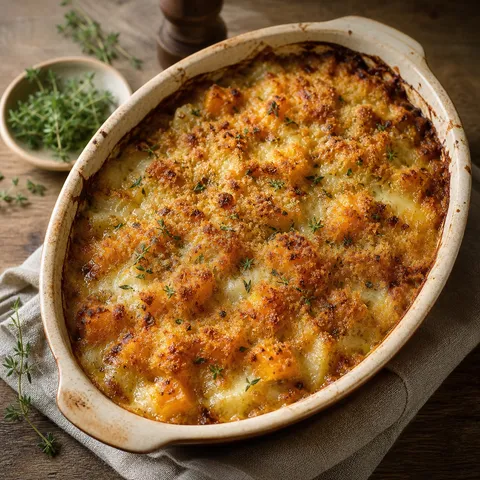
 Acorn, Butternut Squash and Parsnips Gratin
A cozy autumn gratin of roasted winter squash and parsnips topped with melted sharp cheddar and herbed breadcrumbs.
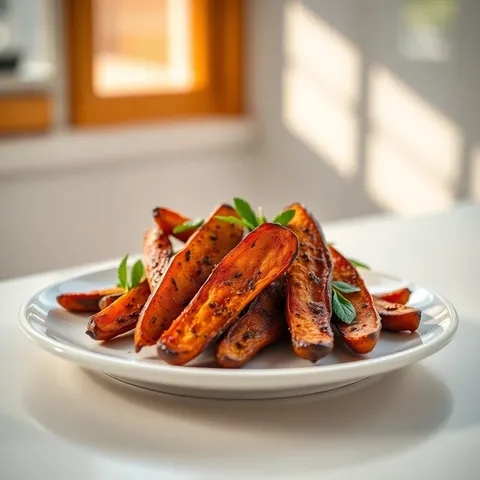 Vegetables & Sides Lens Verified Images are for illustrative purposes only, may be inaccurate, and do not guarantee the presence or absence of specific ingredients.
 Roasted Sweet Potato Wedges
Caramelized, crispy-edged sweet potato wedges seasoned with smoked paprika and a hint of brown sugar.
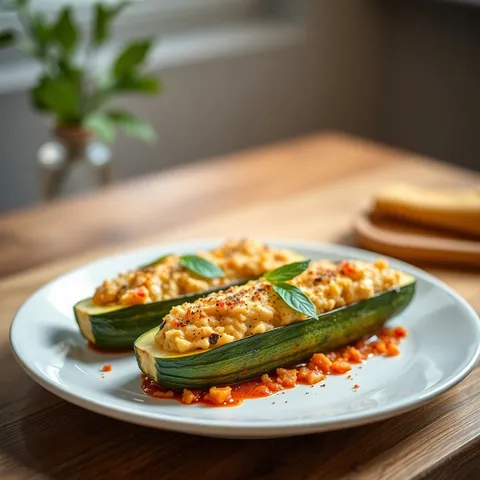 Vegetables & Sides Lens Verified Images are for illustrative purposes only, may be inaccurate, and do not guarantee the presence or absence of specific ingredients.
 Stuffed Zucchini
Zucchini boats filled with a savory cream cheese, mushroom, and Parmesan stuffing, baked until golden.