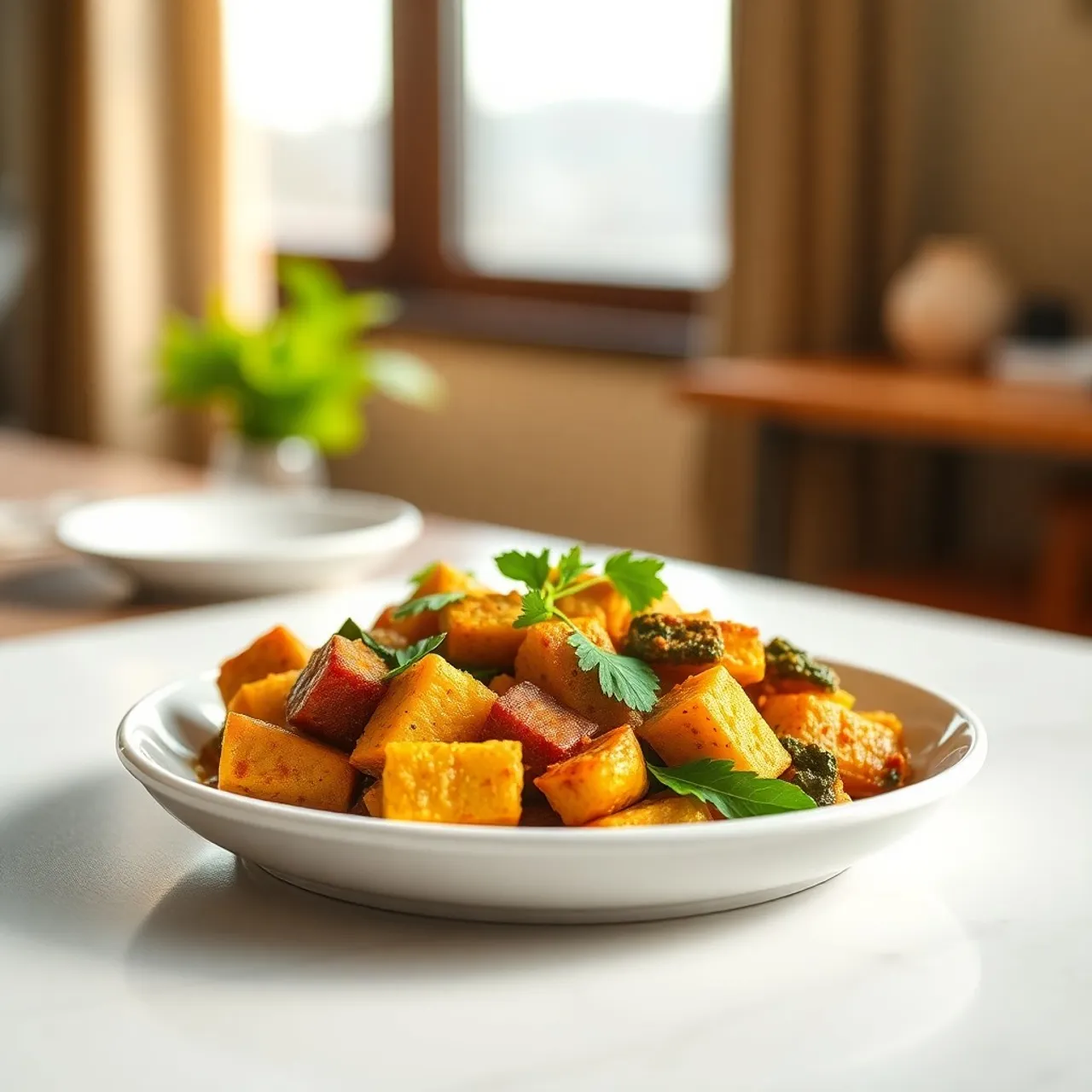
 Vegetables & Sides Images are for illustrative purposes only, may be inaccurate, and do not guarantee the presence or absence of specific ingredients.
 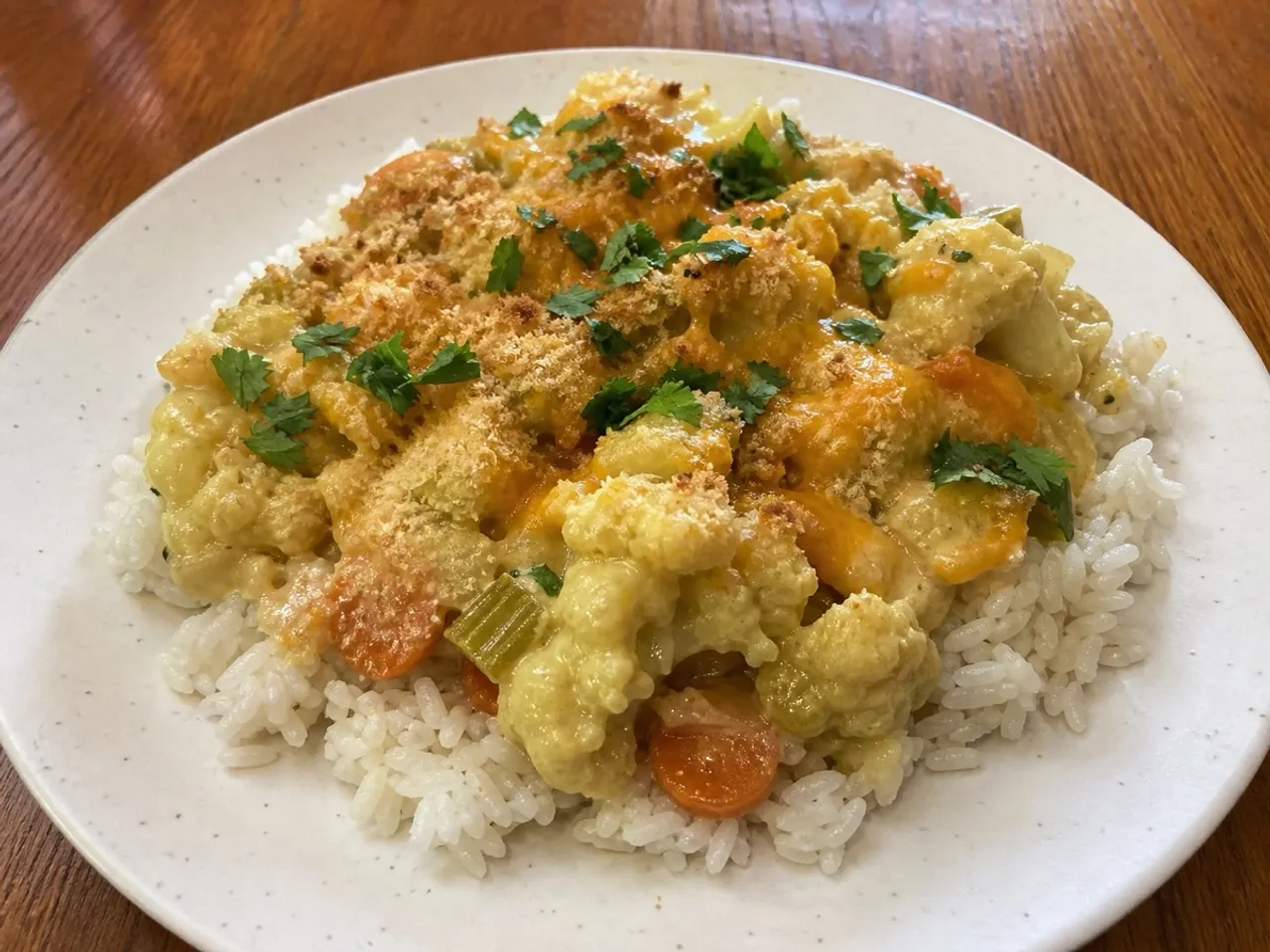 Serving Images are for illustrative purposes only, may be inaccurate, and do not guarantee the presence or absence of specific ingredients.
 Curried Vegetables
A comforting baked vegetable casserole in a creamy curry sauce topped with melted cheddar.
Contains common allergens
In the app, Listahan checks these against your household automatically.
Instructions
5 steps- 1
Preheat the oven to 350°F (175°C) and lightly grease a 2-quart oven-proof casserole dish.
- 2
Place the cauliflower, carrots, celery, and onion in a saucepan with a small amount of water. Cook over medium heat until crisp-tender, about 8-10 minutes, then drain well and set aside.
- 3
In a mixing bowl, combine the condensed soup, mayonnaise, salt, curry powder, coriander, and ginger; mix well. Stir in the cooked vegetables until evenly coated, then spoon into the prepared casserole dish.
- 4
In a small bowl, combine the shredded cheddar, breadcrumbs, and melted butter, then sprinkle evenly over the vegetables.
- 5
Bake uncovered for 30 to 35 minutes, until the topping is golden and the casserole is bubbly. Let stand a few minutes before serving.
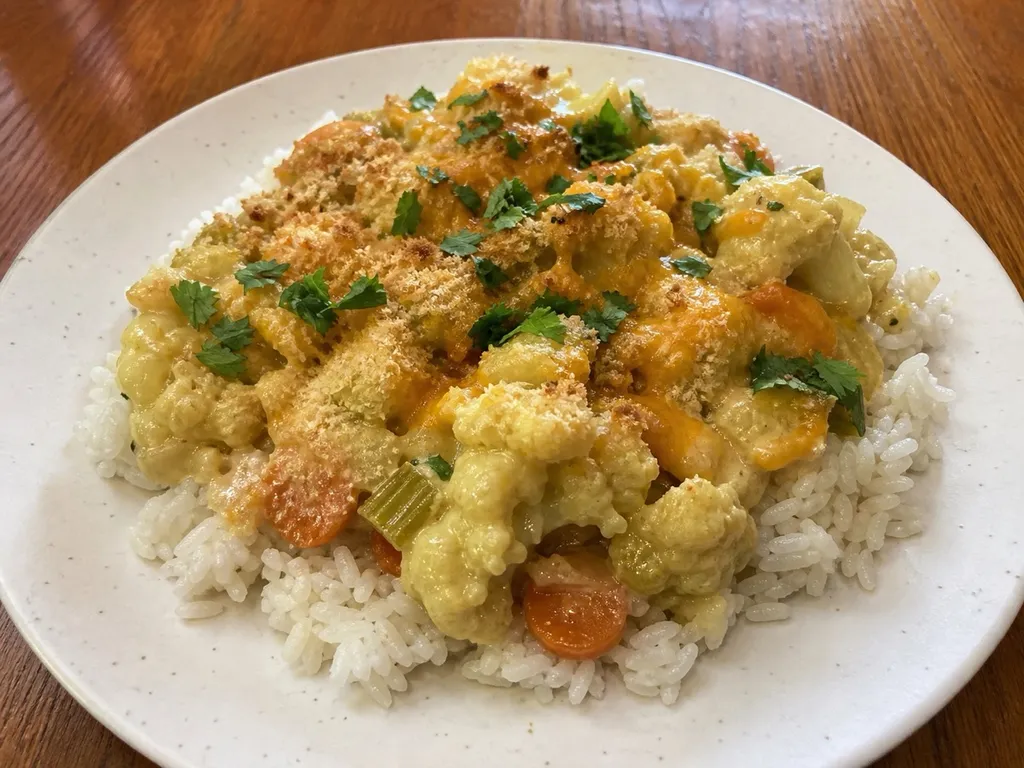 Images are for illustrative purposes only, may be inaccurate, and do not guarantee the presence or absence of specific ingredients.
 Listahan Family Score™
69/100
Works for many families
Score reflects how well this recipe fits a typical busy household. In the app, your Family Score is personalized to your household's allergens, kids, and pantry.
Nutrition
per serving345
Calories
3 g
Protein
9 g
Carbs
33 g
Fat
Estimated per serving. Actual values depend on the brands and portions you use.
Listahan cooking guide
Chef notes & practical guide
Technique notes, ingredient swaps, serve-alongside ideas, storage guidance, and equipment for this recipe.
Cultural context
Vegetable curry exists in countless forms across South Asia, where a base of onion, ginger, garlic, and toasted spices is the foundation for whatever vegetables a season or pantry offers. The North American version draws on that template as a flexible, mostly plant-based main that adapts to cauliflower, potatoes, peas, or chickpeas. Its appeal is that the spice base does the heavy lifting, so the vegetables can change without the dish losing its identity.
Listahan note
This version leans on a quick onion-and-spice base and firmer vegetables that hold their shape, so it reads as a satisfying main rather than a soft stew.
Technique cues
- Toast the dry spices in oil until fragrant before adding liquid, which blooms their flavor and removes any raw, dusty edge.
- Add vegetables in order of how long they take to cook, starting with potatoes and finishing with quick items like peas so nothing turns to mush.
- Let the sauce reduce until it coats the vegetables rather than pooling, so each bite is seasoned rather than diluted.
Kitchen flow
- Parallel prep
- Chop all vegetables while the onion softens so you can add each one on cue without scrambling.
- Make-ahead
- The curry tastes even better the next day; make it ahead and reheat gently to let the spices settle in.
- Leftover move
- Fold leftovers into rice for a quick fried-rice style bowl, or thin with broth into a soup.
- Cleanup rhythm
- Wipe the spice-stained cutting board and pot promptly, since turmeric can stain if left to dry.
Ingredient brief
Role, handling, and swap guidance for each key ingredient.
Onion
flavor base
Purpose: Slow-cooked onion provides the sweet, savory foundation the whole curry is built on.
Handling: Dice finely and cook until soft and lightly golden before adding spices.
Adaptation: Shallots give a slightly sweeter base if that is what you have.
Curry powder
spice blend
Purpose: It delivers the warm turmeric-and-cumin signature in a single convenient measure.
Handling: Add it to the hot oil and onions and stir for a minute to bloom.
Adaptation: Garam masala plus a half teaspoon of turmeric gives a more aromatic, less yellow result.
Potatoes
hearty body
Purpose: They soak up the sauce and make the curry filling enough to be a meal.
Handling: Peel and cut into even bite-sized cubes so they cook at the same rate.
Adaptation: Sweet potato or butternut squash adds sweetness and cooks in a similar time.
Coconut milk
creamy sauce
Purpose: It rounds out the spices and gives the sauce its silky body.
Handling: Stir in after the spices bloom and simmer gently to avoid splitting.
Adaptation: A cup of plain yogurt stirred in off the heat works, or vegetable broth for a lighter sauce.
Fresh ginger
aromatic lift
Purpose: It adds a bright, warming sharpness that keeps the curry from tasting flat.
Handling: Peel and grate or mince finely so it melts into the base.
Adaptation: A half teaspoon of ground ginger covers it, though fresh is noticeably brighter.
Technique notes
- Finish with a squeeze of lime or a spoon of yogurt to brighten the rich coconut base right before serving.
- Bloom a pinch of mustard seeds or cumin seeds in hot oil and pour over the top for a fragrant final layer.
- If the sauce tastes flat, it usually needs salt and acid rather than more spice, so adjust those first.
Ingredient swaps
- Higher-protein direction
- Stir in a can of drained chickpeas or cubes of pan-fried tofu to turn it into a fuller main.
- Lower-fat direction
- Use light coconut milk or replace half the coconut milk with vegetable broth.
- Nut-free note
- Coconut is a fruit rather than a tree nut, but skip any garnish of cashews to keep it fully nut-free.
Serve alongside
- Steamed basmati rice
- Warm naan or roti
- A cooling cucumber and yogurt raita
- A salted lassi
- Mango lassi
- Cold ginger water
Serving suggestions only — check pairings for your household's allergens.
Storage & reheating
- Refrigerate in an airtight container for up to four days, where the flavor continues to develop.
- Reheat in a pan over medium heat with a splash of water to loosen the sauce.
- Freeze for up to three months; coconut-based sauces may look grainy when thawed but smooth out when stirred warm.
Equipment
- A wide deep skillet or saucepan with a lid
- A sharp knife and cutting board for even vegetable dice
- A fine grater or microplane for the ginger and garlic
Make this household-aware
Listahan Pro checks this recipe against your household's allergens, finds pantry-aware swaps, builds the shopping list, and helps you plan the week around it.
Plan it in Listahan
Add Curried Vegetables to your week, check it against your household's allergens, and build the shopping list automatically.
More Vegetables & Sides recipes
 Vegetables & Sides Lens Verified Images are for illustrative purposes only, may be inaccurate, and do not guarantee the presence or absence of specific ingredients.
 Acorn, Butternut Squash and Parsnips Gratin
A cozy autumn gratin of roasted winter squash and parsnips topped with melted sharp cheddar and herbed breadcrumbs.
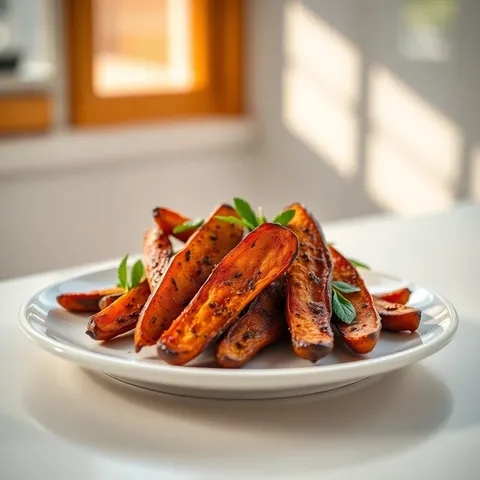 Vegetables & Sides Lens Verified Images are for illustrative purposes only, may be inaccurate, and do not guarantee the presence or absence of specific ingredients.
 Roasted Sweet Potato Wedges
Caramelized, crispy-edged sweet potato wedges seasoned with smoked paprika and a hint of brown sugar.
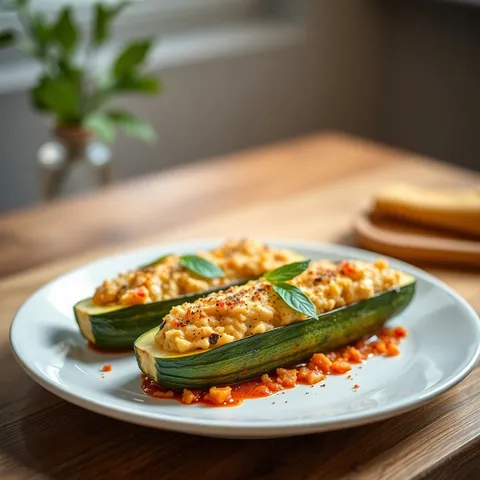 Vegetables & Sides Lens Verified Images are for illustrative purposes only, may be inaccurate, and do not guarantee the presence or absence of specific ingredients.
 Stuffed Zucchini
Zucchini boats filled with a savory cream cheese, mushroom, and Parmesan stuffing, baked until golden.