 Bakery Images are for illustrative purposes only, may be inaccurate, and do not guarantee the presence or absence of specific ingredients.
  Serving Images are for illustrative purposes only, may be inaccurate, and do not guarantee the presence or absence of specific ingredients.
 Brioche
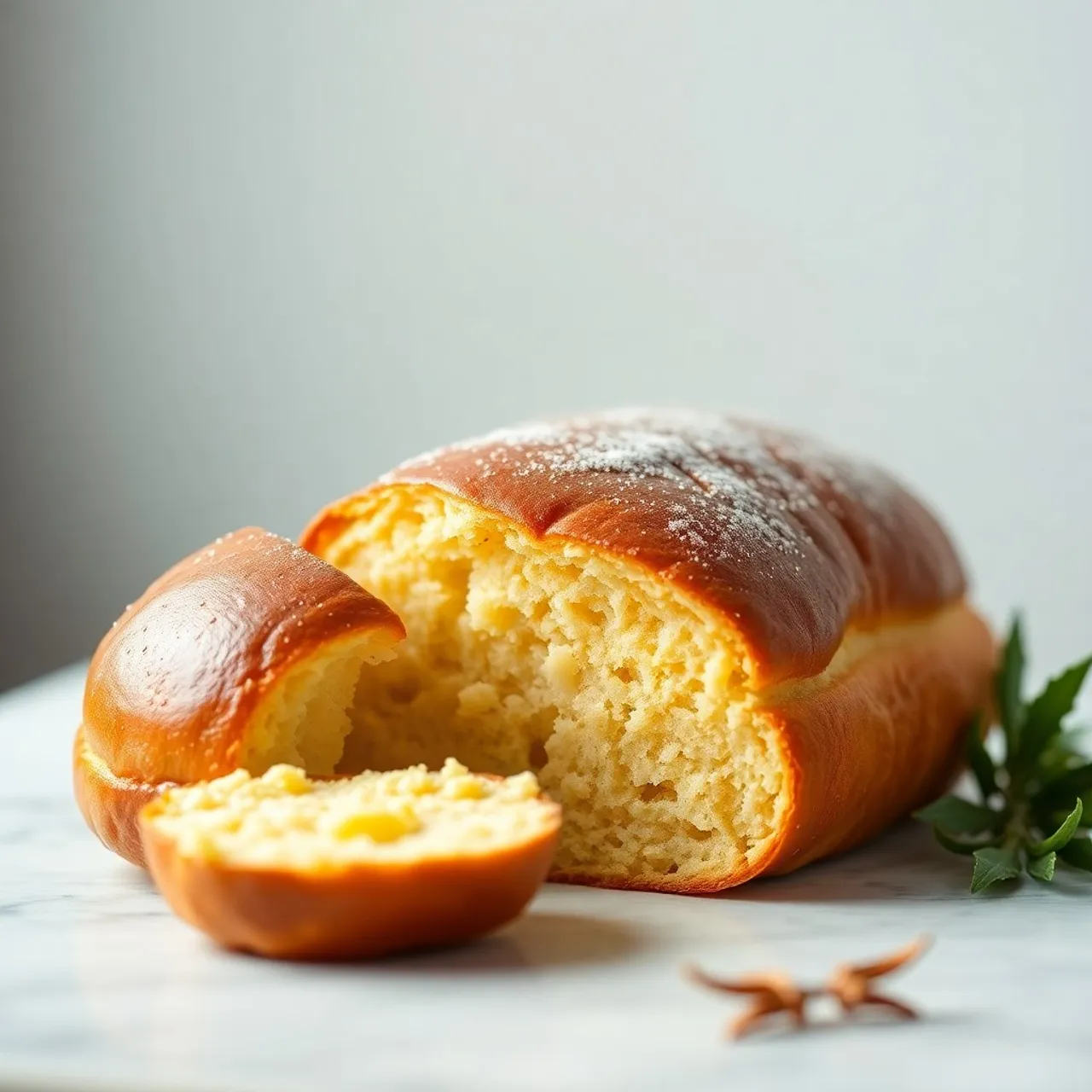
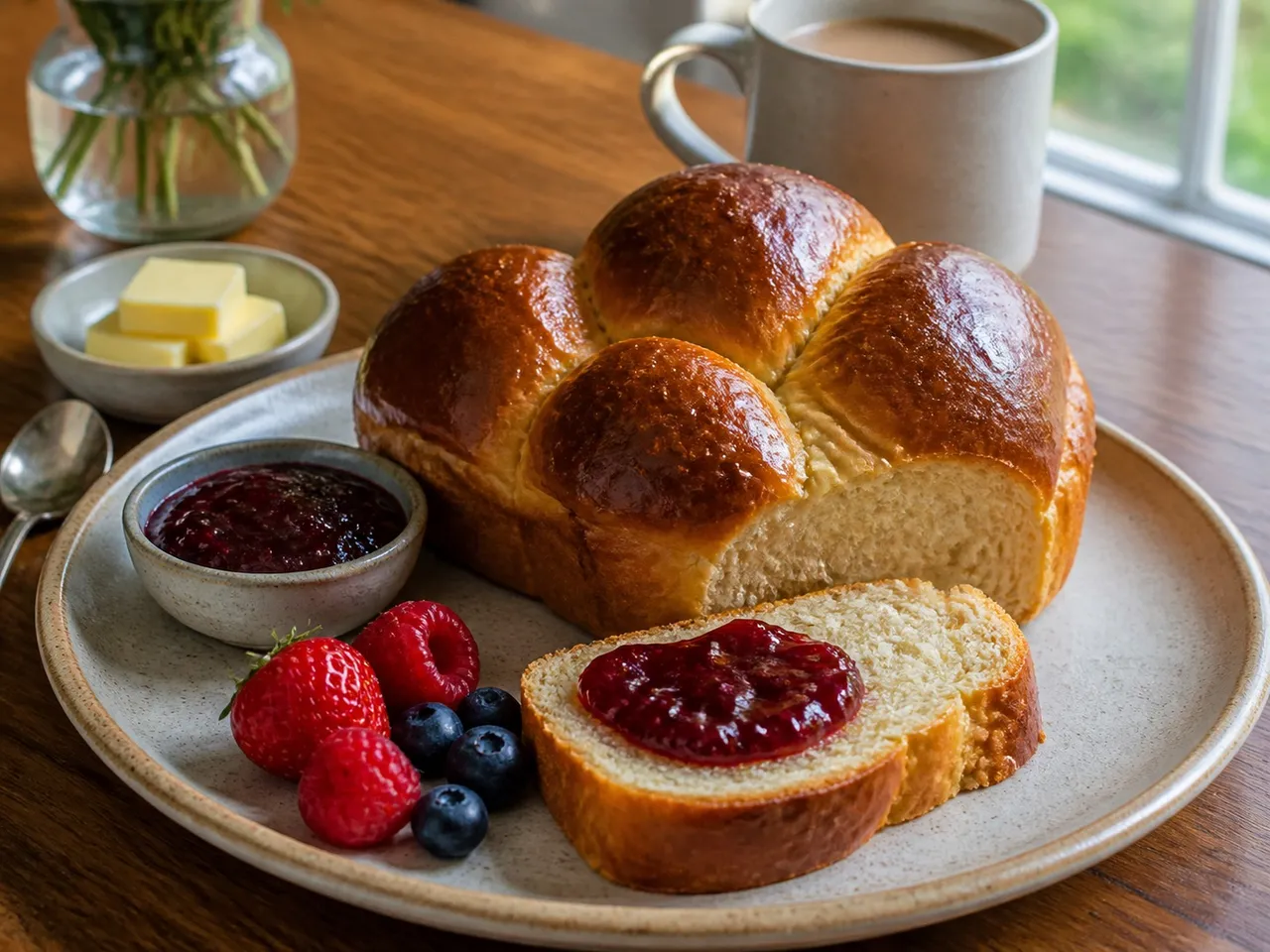
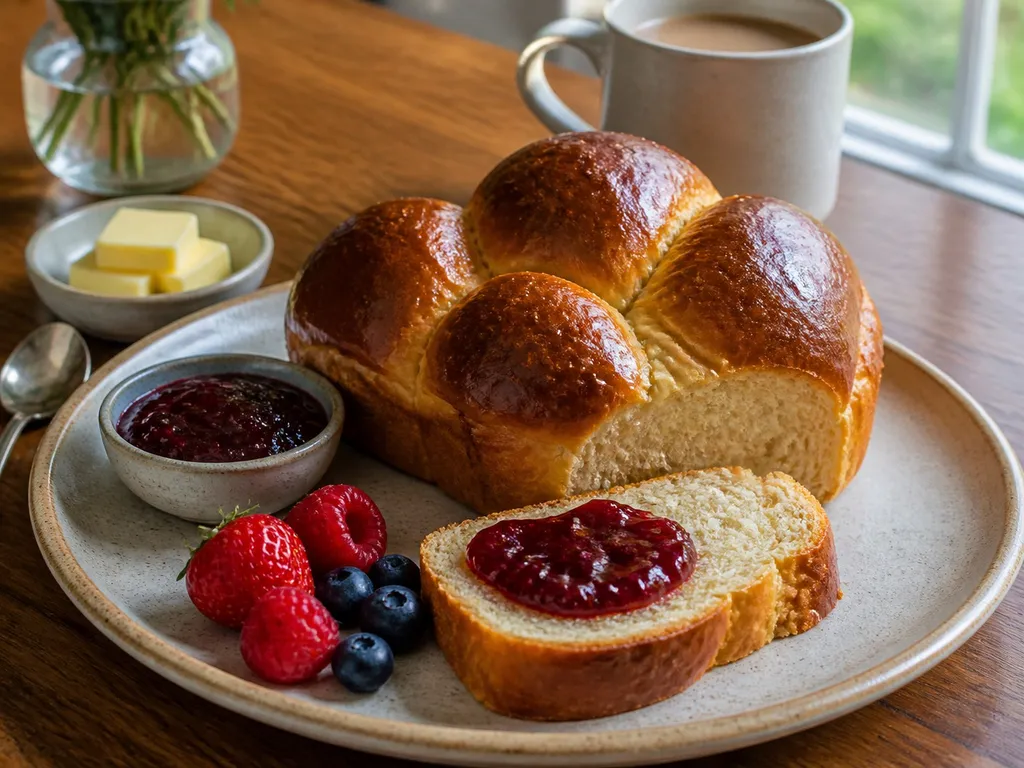
Indulge in the luxurious, melt-in-your-mouth texture of this classic French brioche, boasting an incredibly tender, egg-enriched crumb and a beautifully shiny, deep-golden crust.
Contains common allergens
In the app, Listahan checks these against your household automatically.
Instructions
6 steps- 1
In a stand mixer fitted with a dough hook, combine the flour, yeast, sugar, salt, eggs, and milk. Mix on low speed until a stiff dough forms, then knead on medium speed for 5-7 minutes until the dough clears the sides of the bowl.
- 2
With the mixer running on medium-low, add the softened butter 1 tablespoon at a time, ensuring each piece is fully incorporated before adding the next. This takes about 10-15 minutes. The dough will become very soft, silky, and elastic.
- 3
Transfer the dough to a lightly oiled bowl, cover, and let rise at room temperature for 1 hour. Then, refrigerate the dough for at least 6 hours (or overnight) to firm up the butter and develop flavor.
- 4
Turn the cold dough out onto a floured surface. Divide into portions and shape as desired (e.g., braided loaf, rolls, or a classic brioche à tête). Place in buttered pans or on a parchment-lined baking sheet.
- 5
Cover loosely and proof in a warm spot for 2-3 hours until doubled in size and very puffy.
- 6
Preheat the oven to 375°F (190°C). Gently brush the proofed brioche with egg wash. Bake for 30-35 minutes until deeply golden brown and the internal temperature reaches 190°F. Cool in the pan for 10 minutes before transferring to a wire rack.
 Images are for illustrative purposes only, may be inaccurate, and do not guarantee the presence or absence of specific ingredients.
 Listahan Family Score™
69/100
Works for many families
Score reflects how well this recipe fits a typical busy household. In the app, your Family Score is personalized to your household's allergens, kids, and pantry.
Nutrition
per serving475
Calories
9 g
Protein
51 g
Carbs
26 g
Fat
Estimated per serving. Actual values depend on the brands and portions you use.
Listahan cooking guide
Chef notes & practical guide
Technique notes, ingredient swaps, serve-alongside ideas, storage guidance, and equipment for this recipe.
Cultural context
Brioche is a French enriched bread that occupies the borderland between bread and pastry, and its reputation as a luxury item is well earned: a proper brioche riche can contain as much butter as flour by weight. The earliest French records of brioche date to the 15th century in Normandy, a region known for its dairy production, and the bread was associated with affluence -- hence the apocryphal (and almost certainly misattributed) quote about letting people eat it. The Parisian boulangerie tradition standardized the tete shape -- a large round base topped with a smaller ball -- which became the canonical visual form. Today brioche serves as the bread for everything from burger buns to pain perdu.
Listahan note
This version uses a long, cold overnight addition of cold butter in small pieces, which is the technique that prevents the butter from breaking the gluten network and allows the dough to become smooth, silky, and windowpane-thin rather than greasy.
Technique cues
- Add butter one small piece at a time after the dough is fully developed -- the gluten must be elastic and smooth before any fat is introduced; adding butter too early or too fast prevents proper gluten formation and produces a greasy, dense loaf.
- Test the dough for proper gluten development by stretching a small piece between your fingers into a translucent 'windowpane'; if it tears before becoming thin enough to see light through, keep mixing.
- A cold overnight proof is not optional for the best brioche -- it relaxes the dough so it can be shaped cleanly, firms the butter so the layers do not merge, and develops the flavor complexity that gives brioche its depth.
Kitchen flow
- Parallel prep
- Cut and soften butter to the correct temperature while mixing the dough to the windowpane stage so the addition can happen without a long pause that allows the dough to chill.
- Make-ahead
- Shaped brioche can be refrigerated for up to 24 hours before baking; the cold proof actually improves the flavor and makes the egg wash easier to apply to a firm, cold surface.
- Leftover move
- Day-old brioche is the superior bread for pain perdu (French toast): the egg-enriched crumb soaks custard without falling apart and caramelizes beautifully in butter.
- Cleanup rhythm
- The stand mixer bowl and dough hook will be heavily coated with butter after mixing; scrape thoroughly and soak in hot soapy water immediately to prevent the fat from congealing.
Ingredient brief
Role, handling, and swap guidance for each key ingredient.
bread flour
gluten network that supports butter load
Purpose: The higher protein in bread flour builds a gluten network strong enough to absorb and hold the large quantity of butter without breaking down into a greasy, incoherent mass.
Handling: Weigh precisely; brioche is a high-precision recipe and flour variations of even 10 percent affect the final texture significantly.
Adaptation: All-purpose flour works but the dough will be softer, the brioche slightly less structured, and the crumb marginally less chewy.
unsalted butter
enrichment and primary flavor
Purpose: Butter at 40 to 50 percent of flour weight is what makes brioche brioche; it coats the gluten strands, producing the characteristic feathery, pull-apart crumb and rich dairy flavor.
Handling: Cut into tablespoon-sized pieces and soften to exactly 68 F -- cool enough to firm the dough rather than melt in, but soft enough to incorporate without tearing the gluten.
Adaptation: European-style butter with 84 percent butterfat produces a marginally richer brioche; there is no non-dairy substitute that produces comparable results in this recipe.
eggs
emulsification, richness, and color
Purpose: Eggs provide the lecithin that helps emulsify the large amount of butter into the dough and contribute the golden color, richness, and structure of the crumb.
Handling: Use room-temperature eggs and add them one at a time to allow the dough to absorb each one before the next; too-cold eggs can break the emulsion and cause the butter to seize.
Adaptation: No adequate egg substitute maintains the emulsification needed for a high-butter brioche; vegan brioche is a substantially different recipe using different fat and binding strategies.
whole milk
hydration and tenderness
Purpose: Milk contributes to the soft, pillowy crumb and adds subtle dairy richness that complements the butter without overwhelming it.
Handling: Warm to 95 to 100 F before adding to the yeast and flour mixture; warm milk activates the yeast more efficiently than cold.
Adaptation: Heavy cream produces a more luxurious, slightly richer brioche; oat milk is an acceptable dairy-free alternative but will noticeably change the flavor profile.
Technique notes
- The dough temperature should stay between 75 and 80 F throughout mixing; if the mixer bowl feels warm during the butter addition, place it in the refrigerator for 15 minutes before continuing -- warm dough melts the butter instead of absorbing it.
- Egg wash twice: once before the final proof and once just before baking; two thin, dry coats produce a depth of color and gloss that a single coat cannot achieve.
- Do not cut into brioche until it is fully cooled -- the crumb is set by starch gelatinization that continues as the bread cools, and cutting too early produces a gummy, under-set interior.
Ingredient swaps
- Lower-fat direction
- Reduce butter to 25 percent of flour weight for a lighter, more bread-like result; the crumb is less feathery but still tender and enriched compared to a standard loaf.
- Savory application
- Omit the sugar entirely for a savory brioche that works as burger buns, sandwich bread, or a vessel for pate or foie gras; add a teaspoon of thyme or rosemary for herb variation.
- Weeknight shortcut
- A brioche with 25 percent butter (rather than 40 to 50 percent) can be mixed and baked same-day with just a 2-hour room-temperature rise; the result is lighter and less rich but still genuinely good.
Serve alongside
- Cultured butter and sea salt flakes
- Smoked salmon and whipped cream cheese
- Strawberry preserves
- Champagne or Cremant d'Alsace
- Cafe au lait
- Fresh-squeezed orange juice
Serving suggestions only — check pairings for your household's allergens.
Storage & reheating
- Brioche is best within 24 hours of baking; wrap tightly in plastic and store at room temperature for up to 2 days. The high fat content means it stays soft longer than lean bread but also goes stale faster once it begins to dry. Slice and freeze for up to 2 months.
Equipment
- Stand mixer with dough hook (essential -- this dough cannot be hand-kneaded to proper development)
- Digital scale for precise butter and flour measurement
- Loaf pan or tete mold
- Instant-read thermometer
Make this household-aware
Listahan Pro checks this recipe against your household's allergens, finds pantry-aware swaps, builds the shopping list, and helps you plan the week around it.
Plan it in Listahan
Add Brioche to your week, check it against your household's allergens, and build the shopping list automatically.
More Bakery recipes
 Bakery Lens Verified Images are for illustrative purposes only, may be inaccurate, and do not guarantee the presence or absence of specific ingredients.
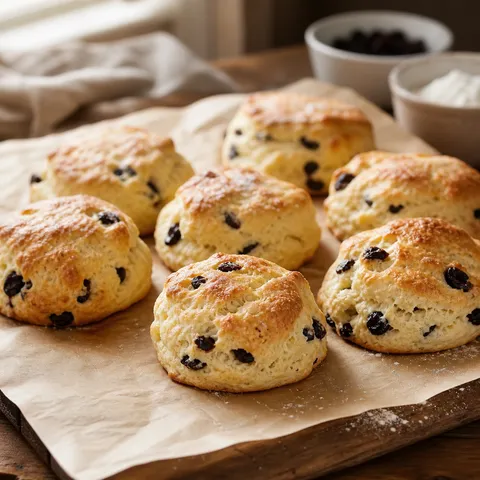
 Scones
Flaky and buttery British baked goods, often with currants or berries.
 Bakery Lens Verified Images are for illustrative purposes only, may be inaccurate, and do not guarantee the presence or absence of specific ingredients.
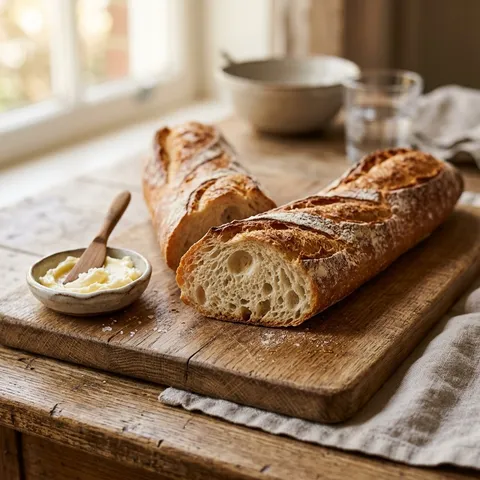
 French Baguette
Savor the authentic crunch of this rustic French baguette, featuring a beautifully crackling golden crust and a soft, airy, and utterly irresistible crumb.
 Bakery Lens Verified Images are for illustrative purposes only, may be inaccurate, and do not guarantee the presence or absence of specific ingredients.
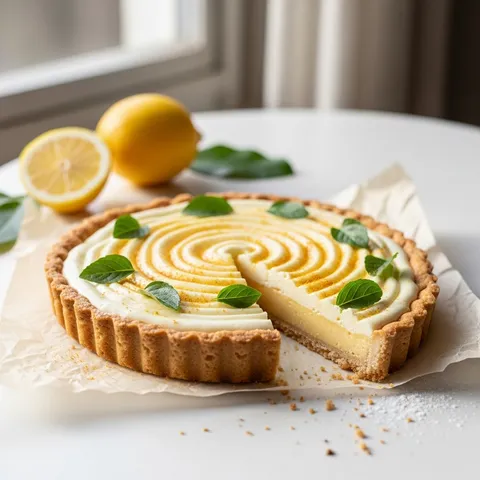
 Lemon Tart
Brighten your dessert spread with this elegant lemon tart, perfectly balancing a brilliantly zesty, silky-smooth lemon curd inside a crisp and buttery sweet pastry shell.