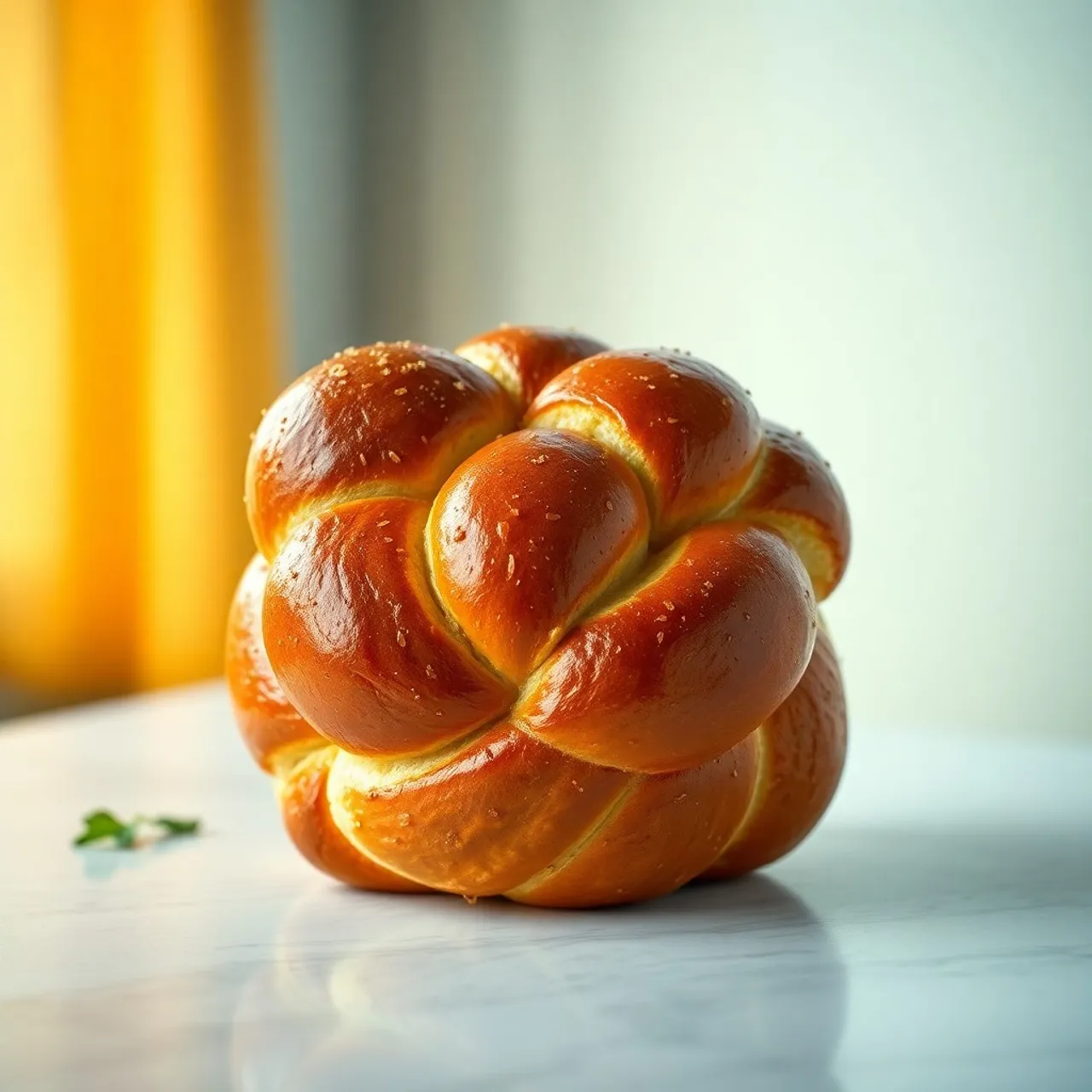
 Bakery Images are for illustrative purposes only, may be inaccurate, and do not guarantee the presence or absence of specific ingredients.
 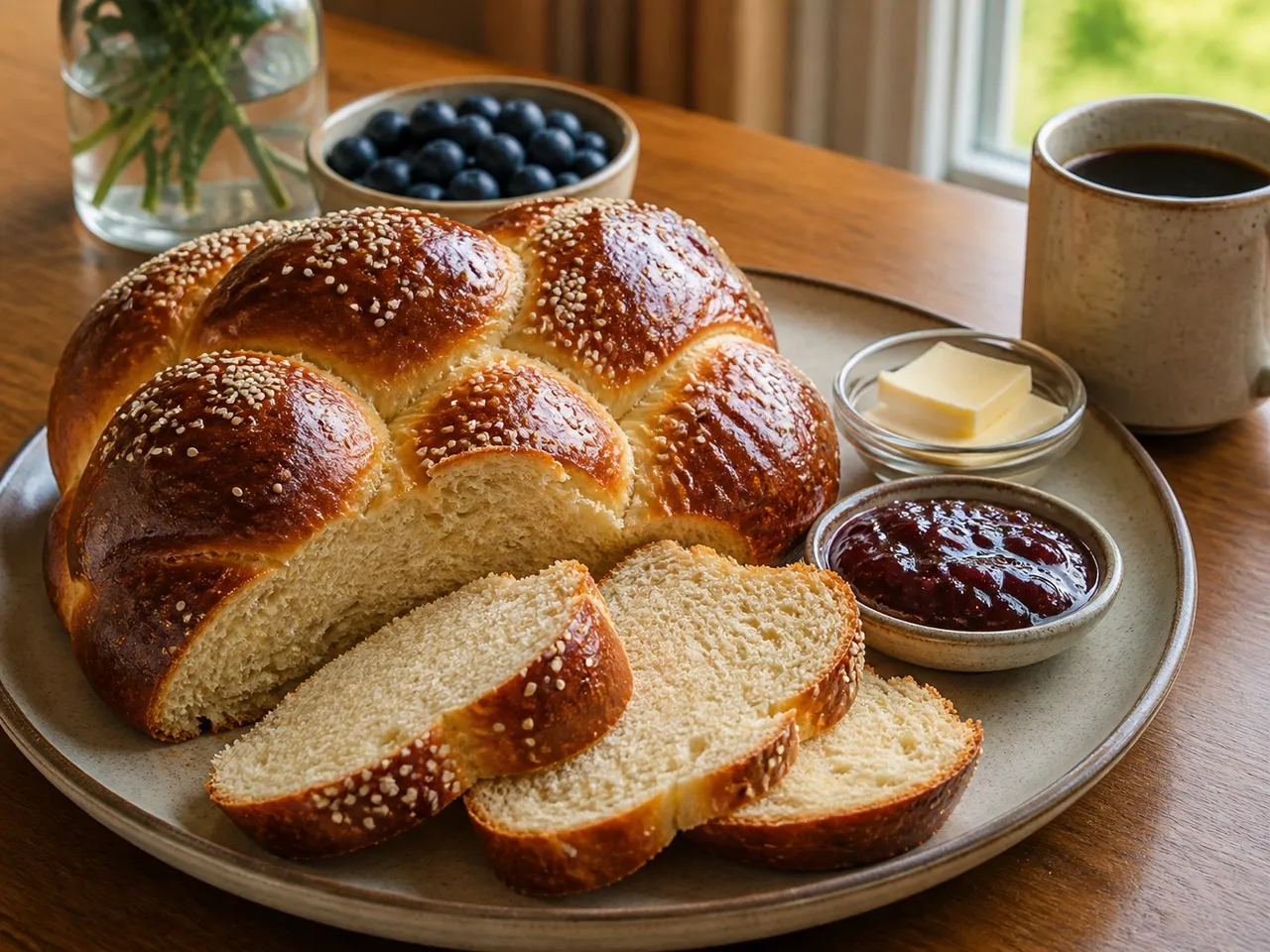 Serving Images are for illustrative purposes only, may be inaccurate, and do not guarantee the presence or absence of specific ingredients.
 Challah Bread
Bake a masterpiece with this beautifully glossy, golden-braided challah bread, offering a pillowy-soft, rich, and slightly sweet crumb that's irresistible warm from the oven.
Contains common allergens
In the app, Listahan checks these against your household automatically.
Instructions
6 steps- 1
In a large bowl, dissolve the yeast in the warm water with a pinch of sugar. Let sit for 5-10 minutes until foamy.
- 2
Whisk in the oil, honey (or sugar), 2 eggs, and salt into the yeast mixture. Gradually add the flour, stirring until a shaggy dough forms.
- 3
Turn the dough out onto a lightly floured surface and knead for 8-10 minutes until smooth and elastic. Place in a lightly oiled bowl, cover, and let rise in a warm spot for 1.5 to 2 hours, or until doubled in size.
- 4
Punch down the dough and divide it into 3, 4, or 6 equal pieces depending on your preferred braiding style. Roll each piece into a long rope.
- 5
Braid the ropes together loosely and tuck the ends underneath. Transfer the braided loaf to a parchment-lined baking sheet. Cover lightly and let proof for 45 minutes to 1 hour until puffy.
- 6
Preheat the oven to 375°F (190°C). Brush the loaf evenly with the beaten extra egg for a glossy finish. Bake for 30-35 minutes until deep golden brown and the loaf sounds hollow when tapped.
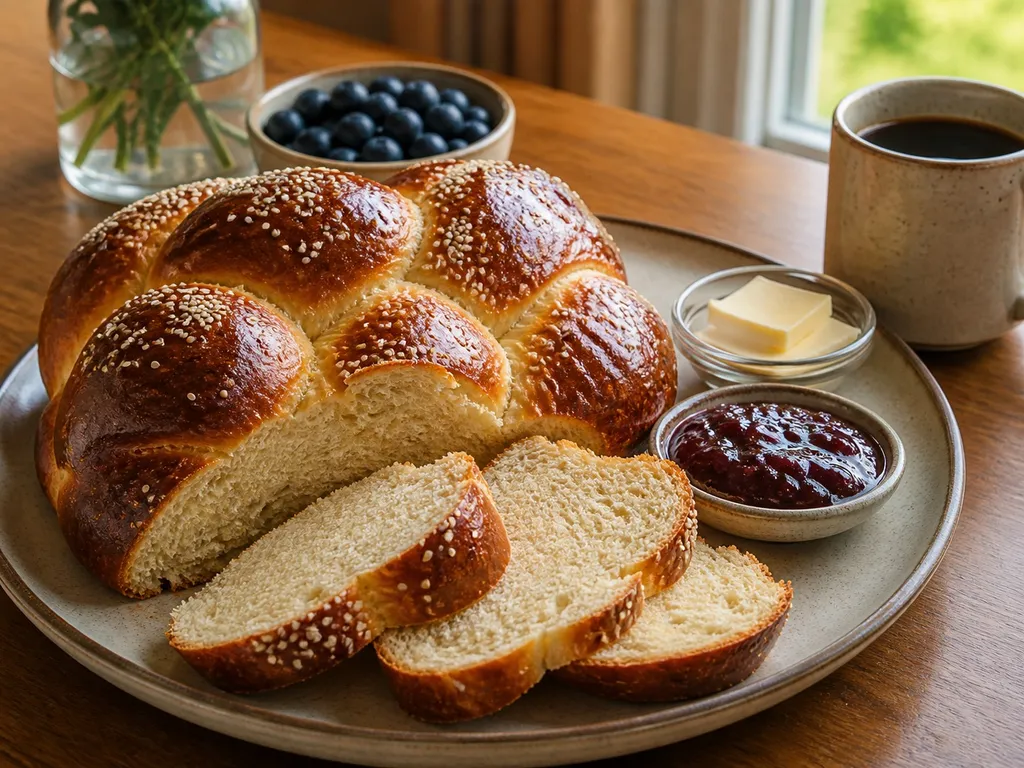 Images are for illustrative purposes only, may be inaccurate, and do not guarantee the presence or absence of specific ingredients.
 Listahan Family Score™
79/100
Good fit for most families
Score reflects how well this recipe fits a typical busy household. In the app, your Family Score is personalized to your household's allergens, kids, and pantry.
Nutrition
per serving340
Calories
9 g
Protein
54 g
Carbs
9 g
Fat
Estimated per serving. Actual values depend on the brands and portions you use.
Listahan cooking guide
Chef notes & practical guide
Technique notes, ingredient swaps, serve-alongside ideas, storage guidance, and equipment for this recipe.
Cultural context
Challah is the traditional Ashkenazi Jewish braided bread served on Shabbat and Jewish holidays, and its preparation is tied to the biblical commandment to set aside a portion of dough -- the challah -- as an offering. The contemporary braided loaf familiar in North American bakeries developed in Eastern Europe around the 15th century, distinguishing itself from plain white bread by its egg richness and the braiding technique that became an art form in its own right. The three-strand braid is the everyday standard; six-strand braids appear on holidays as a symbol of the double portion of manna described in the Torah.
Listahan note
This version uses oil rather than butter so the loaf is pareve -- suitable alongside both meat and dairy meals under kosher dietary law -- and relies on a generous amount of eggs for its distinctive golden color and tender, slightly sweet crumb.
Technique cues
- The dough is enriched and will feel stickier than a lean bread dough; resist the temptation to add flour during kneading -- the stickiness resolves during the first rise as the proteins hydrate and the gluten organizes.
- Braid with gentle, even tension so the strands are snug but not pulled tight; overly tight braiding restricts the rise and produces a loaf that looks constricted rather than expansive.
- Apply a second egg wash 10 minutes before the bread finishes baking for a deeper mahogany gloss; the first wash, applied before the second rise, provides the base layer.
Kitchen flow
- Parallel prep
- While the dough is on its first rise, cut parchment to fit the baking sheet and prepare the egg wash so the braid can go directly from the board to the pan and into the second rise.
- Make-ahead
- Braided challah can be covered and refrigerated overnight for a slow cold rise; remove 1 hour before baking to finish proofing and apply the second egg wash coat.
- Leftover move
- Day-old challah is the ideal bread for French toast because its egg-enriched crumb soaks up the custard without falling apart; thick slices work best.
- Cleanup rhythm
- Wipe down the work surface with a damp cloth immediately after braiding before dried egg dough hardens; wash the mixing bowl before the egg residue sets.
Ingredient brief
Role, handling, and swap guidance for each key ingredient.
all-purpose flour
dough structure
Purpose: All-purpose flour provides enough gluten for a structured loaf that still remains tender and pulls apart in soft, feathery strands.
Handling: Measure by weight or spoon into the cup; the dough's enrichments (eggs, oil) make it naturally soft, so avoid packing in extra flour.
Adaptation: Bread flour produces a slightly chewier loaf with a more defined braid; either flour works well and neither is wrong.
eggs
enrichment, color, and structure
Purpose: Eggs give challah its characteristic golden crumb color, add richness, and provide the protein structure that makes the crumb tear apart in fluffy strands rather than a dense mass.
Handling: Use room-temperature eggs so they emulsify smoothly into the dough without slowing the yeast with cold.
Adaptation: For an egg-free version, use aquafaba (the liquid from canned chickpeas) at 3 tablespoons per egg; the crumb will be slightly less golden but still tender.
neutral oil
fat and tenderness
Purpose: Oil keeps the crumb moist and tender for days longer than butter and ensures the loaf is pareve; vegetable or avocado oil has the least impact on flavor.
Handling: Measure and add after the eggs are incorporated to help the dough come together smoothly.
Adaptation: Olive oil adds a subtle savory note that works well in a non-sweet challah; butter can be used for a richer, dairy version.
honey
sweetener and moisture retention
Purpose: Honey adds mild sweetness appropriate for Shabbat and holiday tables and its hygroscopic properties keep the crumb soft longer than granulated sugar would.
Handling: Warm honey slightly if it is thick to help it incorporate evenly into the wet ingredients.
Adaptation: Maple syrup or agave nectar work at the same quantity; granulated sugar produces a less moist crumb but is otherwise fine.
Technique notes
- After dividing the dough into strands, let them rest 5 minutes before rolling into ropes -- the relaxed gluten rolls much more easily and the strands will hold their length without snapping back.
- Sesame or poppy seeds applied to the egg wash before the second rise stick better and toast more evenly than seeds added just before baking.
- The internal temperature should reach 190 F -- challah can look done on the outside while the interior is still gummy because the egg enrichment browns faster than a lean dough.
Ingredient swaps
- Egg-free direction
- Replace each whole egg with 3 tablespoons of aquafaba and use a non-dairy milk-based wash for the crust gloss; the crumb will be slightly paler but still soft and rich.
- Whole wheat direction
- Replace up to one-third of all-purpose flour with whole wheat pastry flour; beyond this ratio the braid loses height and the texture becomes noticeably denser.
- Lower-sugar direction
- Reduce honey to 1 tablespoon without affecting the structure; the sweetness level drops substantially, creating a more neutral bread suitable for savory toppings.
Serve alongside
- Whitefish salad on sliced challah
- Honey and butter
- Beet and herbed goat cheese salad
- Sweet Riesling
- Sparkling water with cucumber
- Herbal tea with honey
Serving suggestions only — check pairings for your household's allergens.
Storage & reheating
- Store at room temperature wrapped in plastic or in a zip bag for up to 3 days; challah stays soft longer than lean bread due to its oil and egg content. Freeze individual slices or the whole loaf wrapped in foil for up to 2 months.
Equipment
- Stand mixer with dough hook (challah dough is forgiving to hand knead as well)
- Parchment-lined baking sheet
- Pastry brush for egg wash
- Instant-read thermometer
Make this household-aware
Listahan Pro checks this recipe against your household's allergens, finds pantry-aware swaps, builds the shopping list, and helps you plan the week around it.
Plan it in Listahan
Add Challah Bread to your week, check it against your household's allergens, and build the shopping list automatically.
More Bakery recipes
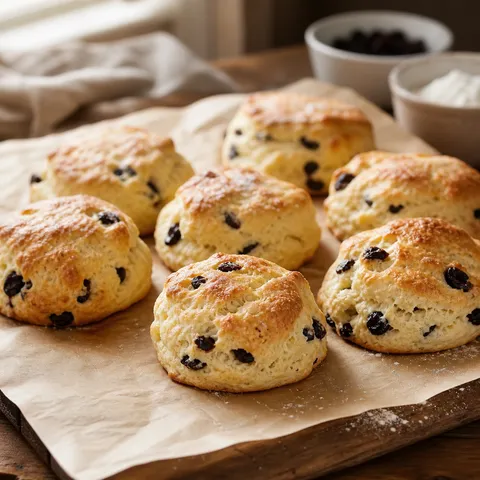 Bakery Lens Verified Images are for illustrative purposes only, may be inaccurate, and do not guarantee the presence or absence of specific ingredients.
 Scones
Flaky and buttery British baked goods, often with currants or berries.
 Bakery Lens Verified Images are for illustrative purposes only, may be inaccurate, and do not guarantee the presence or absence of specific ingredients.
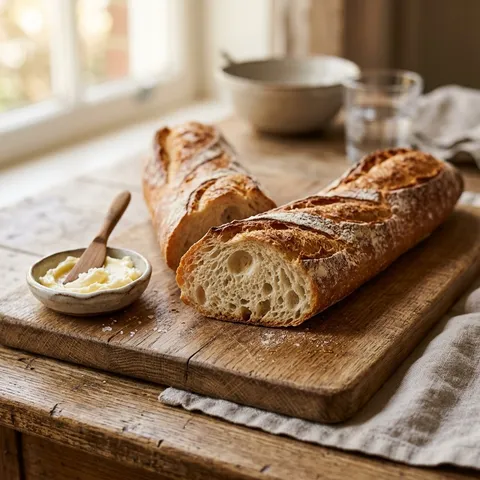
 French Baguette
Savor the authentic crunch of this rustic French baguette, featuring a beautifully crackling golden crust and a soft, airy, and utterly irresistible crumb.
 Bakery Lens Verified Images are for illustrative purposes only, may be inaccurate, and do not guarantee the presence or absence of specific ingredients.
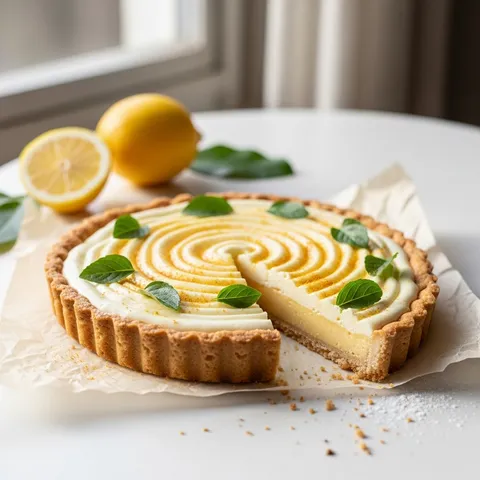
 Lemon Tart
Brighten your dessert spread with this elegant lemon tart, perfectly balancing a brilliantly zesty, silky-smooth lemon curd inside a crisp and buttery sweet pastry shell.