 Bakery Images are for illustrative purposes only, may be inaccurate, and do not guarantee the presence or absence of specific ingredients.
  Serving Images are for illustrative purposes only, may be inaccurate, and do not guarantee the presence or absence of specific ingredients.
 Cornbread
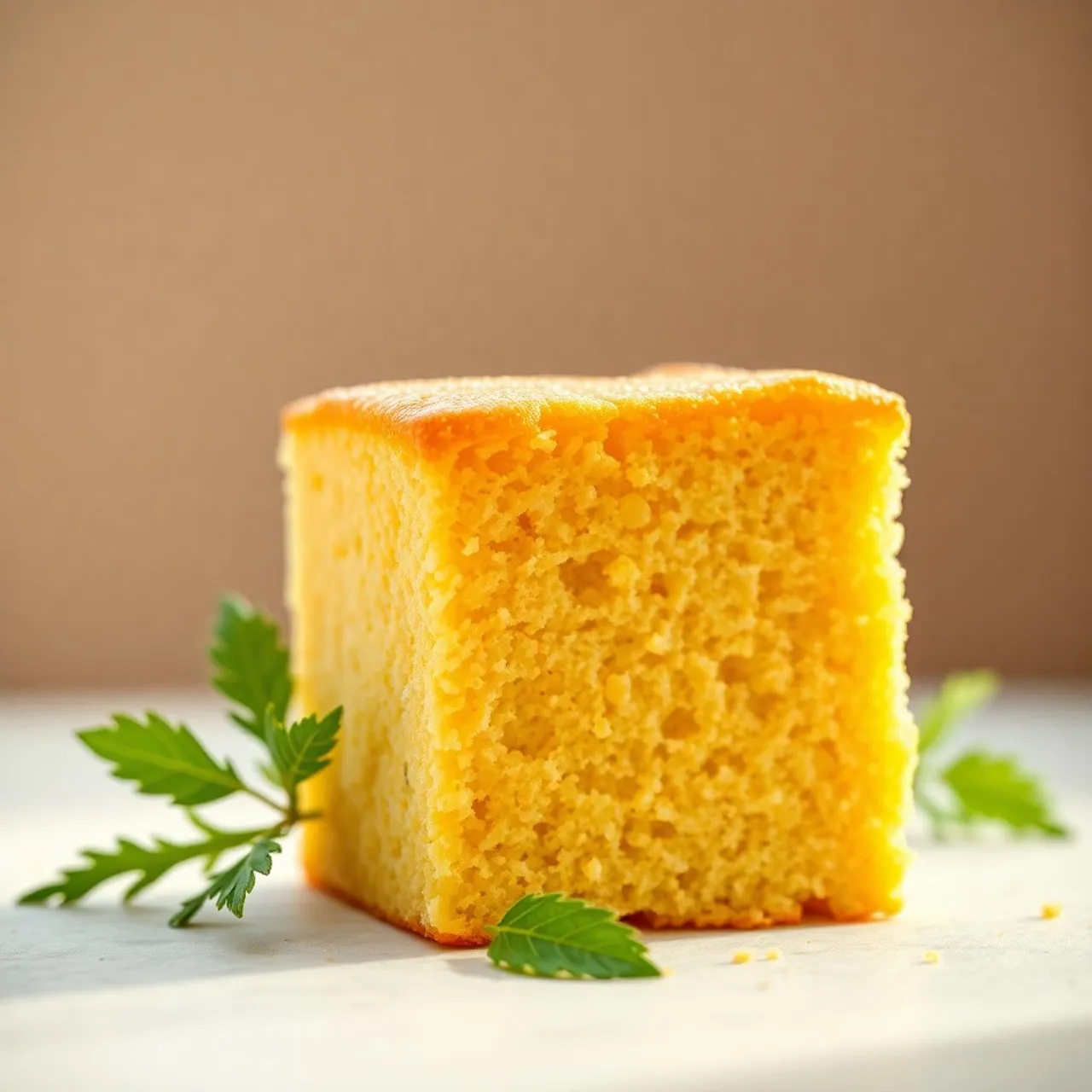
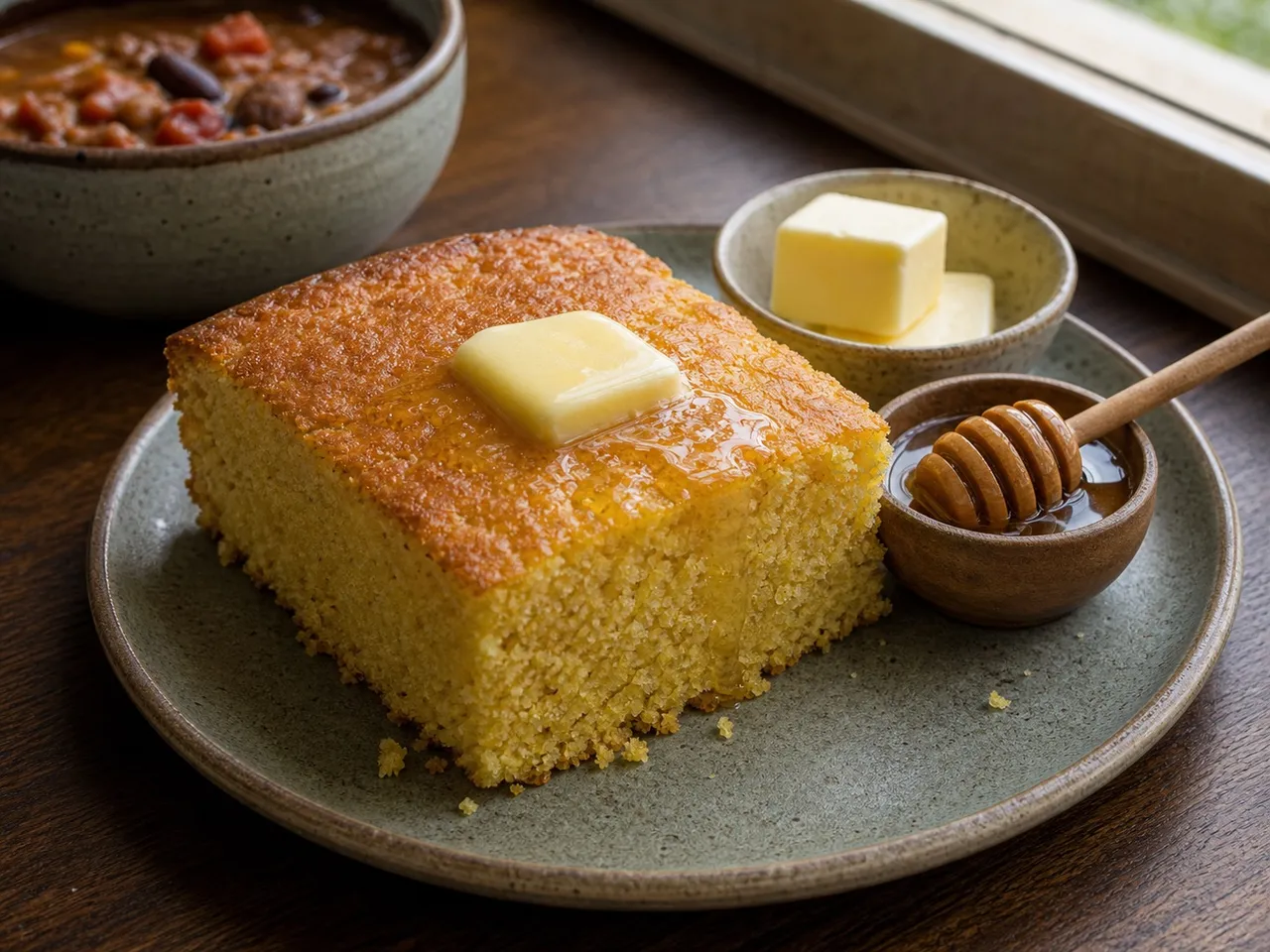
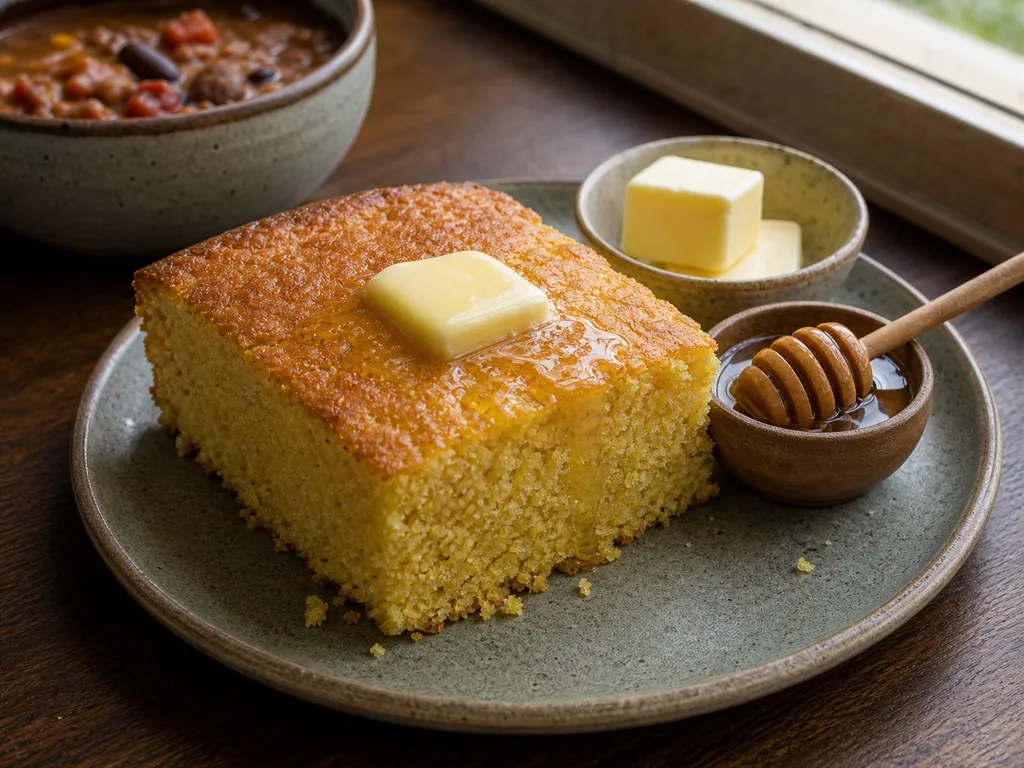
Complete your southern feast with this rustic, cast-iron skillet cornbread, boasting perfectly crispy golden edges, a moist, tender crumb, and just the right touch of sweetness.
Contains common allergens
In the app, Listahan checks these against your household automatically.
Good to know
- Crispy
Matched from this dish's own ingredients and timing. Browse more: crispy recipes
Instructions
6 steps- 1
Preheat the oven to 400°F (200°C). Place a 9-inch cast-iron skillet in the oven to preheat. If using a baking dish, simply grease it and set aside.
- 2
In a large bowl, whisk together the cornmeal, all-purpose flour, sugar, baking powder, and salt.
- 3
In a separate medium bowl, whisk the buttermilk, eggs, and most of the melted butter together (reserve about 1 tablespoon of butter for the skillet).
- 4
Pour the wet ingredients into the dry ingredients. Use a spatula to fold them together just until moistened. A few lumps are fine; do not overmix.
- 5
Carefully remove the hot skillet from the oven, swirl the reserved 1 tablespoon of butter to coat the bottom, and immediately pour the batter into the hot skillet (it should sizzle).
- 6
Bake for 20-25 minutes until the top is golden brown and the edges have pulled away from the sides of the pan. Let cool for 10 minutes before slicing and serving warm.
 Images are for illustrative purposes only, may be inaccurate, and do not guarantee the presence or absence of specific ingredients.
 Listahan Family Score™
66/100
Works for many families
Score reflects how well this recipe fits a typical busy household. In the app, your Family Score is personalized to your household's allergens, kids, and pantry.
Nutrition
per serving280
Calories
6 g
Protein
34 g
Carbs
14 g
Fat
Estimated per serving. Actual values depend on the brands and portions you use.
Listahan cooking guide
Chef notes & practical guide
Technique notes, ingredient swaps, serve-alongside ideas, storage guidance, and equipment for this recipe.
Cultural context
Cornbread traces directly to Indigenous North American cooking, where ground corn was baked on hearthstones and open fires centuries before European contact. Settlers adopted and adapted these corn cakes, and the bread diverged regionally: Southern cornbread traditionally uses little or no sugar and calls for buttermilk and bacon fat, producing a savory, crumbly loaf, while Northern versions lean sweeter and use more wheat flour, yielding a softer, cake-like crumb. This regional divide remains genuinely contested in American food culture to this day.
Listahan note
This version takes a middle path — a modest amount of sugar for balance, buttermilk for tang and lift, and a cast iron skillet for the deeply crisped bottom and sides that are the hallmark of good Southern-style cornbread. It works equally well as a dinner side and a breakfast base.
Technique cues
- Preheat the cast iron skillet in the oven and add the butter or fat just before pouring in the batter — the immediate sizzle creates the irreplaceable crispy bottom crust that a cold pan cannot achieve.
- Do not overmix the batter; stir just until the dry and wet ingredients are combined with a few lumps remaining, because overmixing develops gluten from the wheat flour and produces a tough, bread-like rather than tender crumb.
- Buttermilk reacts with baking soda to produce carbon dioxide rapidly, so move quickly once you have combined the wet and dry ingredients and get the pan into the oven within 3 to 4 minutes.
Kitchen flow
- Parallel prep
- Put the cast iron skillet in the oven to preheat alongside the oven, then measure and whisk dry ingredients and wet ingredients in separate bowls so they are ready to combine the moment the oven hits temperature.
- Make-ahead
- Mix the dry ingredients and wet ingredients in separate bowls up to a day ahead and refrigerate the wet mixture; combine and bake the day of for fresh cornbread with minimal morning effort.
- Leftover move
- Cube day-old cornbread and bake at 350 F until dry and toasted, then use as croutons in a wedge salad or as the base for a Southern-style cornbread dressing with sausage and sage.
- Cleanup rhythm
- Do not wash a well-seasoned cast iron skillet with soap; wipe it out with a paper towel while still warm, rinse with hot water only, dry on the stovetop over low heat, and rub with a thin film of oil before storing.
Ingredient brief
Role, handling, and swap guidance for each key ingredient.
stone-ground yellow cornmeal
primary flavor and texture
Purpose: Stone-ground cornmeal retains the germ and bran of the corn kernel, which gives cornbread its characteristic toasty, earthy sweetness and slightly gritty texture; finely ground degerminated meal produces a blander, more cake-like result.
Handling: No preparation needed; measure by spooning into the cup and leveling to avoid packing, which would make the batter too thick.
Adaptation: White cornmeal is traditional in the Deep South and produces a slightly milder, less yellow bread with the same texture.
buttermilk
acid, moisture, and tenderness
Purpose: Buttermilk's acidity activates baking soda for lift, and its lactic acid tenderizes the crumb by breaking down gluten strands, resulting in a more delicate texture than regular milk.
Handling: Use at room temperature; cold buttermilk can cause the melted butter in the batter to resolidify into lumps.
Adaptation: Mix 1 tablespoon of white vinegar into 1 cup of whole milk and let stand for 5 minutes as a reliable substitute.
unsalted butter
fat for richness and crust
Purpose: Butter provides flavor richness in the crumb and, when melted into the hot skillet, creates the signature lacquered bottom crust that pulls away cleanly from the pan.
Handling: Melt completely and let cool slightly before adding to eggs and buttermilk to avoid scrambling the eggs.
Adaptation: Bacon drippings or lard are the traditional fats and produce a more savory, complex result with a crispier crust.
all-purpose flour
structure and lift
Purpose: A portion of wheat flour provides the gluten network that prevents cornbread from crumbling apart, and works with the leavening to create enough structure to slice and serve cleanly.
Handling: Whisk together with cornmeal, salt, baking powder, and baking soda before adding wet ingredients to ensure even distribution.
Adaptation: For a gluten-free version, substitute with a 1:1 GF baking flour blend and allow the batter to rest for 5 minutes before baking.
eggs
binder and richness
Purpose: Eggs bind the batter, add fat for a tender crumb, and contribute to the golden color of the interior when baked.
Handling: Beat lightly before adding to the buttermilk to ensure even incorporation without overworking the batter.
Adaptation: One flax egg (1 tablespoon ground flaxseed mixed with 3 tablespoons water, rested for 5 minutes) works as a plant-based binder, though the crumb will be slightly denser.
Technique notes
- For a richer, more complex crust, use bacon drippings in the hot skillet instead of butter — the smoke point is higher and the pork fat flavor is a defining characteristic of traditional Southern cornbread.
- Pull the cornbread from the oven when a toothpick comes out with just a few moist crumbs; an oven-dry toothpick means the bread has crossed from moist to chalky.
- Serve directly from the cast iron skillet cut into wedges rather than turning it out — the dramatic dark crust against the golden crumb makes an impressive presentation and stays warmer longer.
Ingredient swaps
- Gluten-free direction
- Replace the all-purpose flour with a certified GF 1:1 baking blend; the xanthan gum in most blends provides the binding function that wheat gluten normally handles, and the result is barely distinguishable.
- Dairy-free option
- Use full-fat oat milk with 1 tablespoon of apple cider vinegar as a buttermilk substitute, and substitute refined coconut oil for the butter; the crust will be slightly less rich but still crispy.
- Weeknight shortcut
- A quality boxed cornbread mix elevated with a tablespoon of sour cream and a handful of frozen corn kernels folded into the batter produces noticeably better results than the box directions alone suggest.
- Lower-sugar direction
- Omit all added sugar entirely for a fully savory Southern-style cornbread; the natural sweetness of good cornmeal is sufficient, and the savory version pairs better with chili, beans, and greens.
Serve alongside
- slow-cooked black-eyed peas with smoked ham hock
- beef or turkey chili
- collard greens braised with apple cider vinegar
- sweet tea or unsweetened iced tea
- cold whole milk
Serving suggestions only — check pairings for your household's allergens.
Storage & reheating
- Store cooled cornbread at room temperature wrapped in plastic wrap or in an airtight container for up to 2 days; refrigerate for up to 5 days, though the crumb will firm noticeably.
- Reheat individual slices in a dry skillet over medium heat for 2 minutes per side to re-crisp the crust, or wrap in foil and warm in a 300 F oven for 10 minutes.
Equipment
- 10-inch cast iron skillet — the most important tool; nothing else replicates the even heat and crust
- two mixing bowls — one for dry, one for wet ingredients, kept separate until the last moment
- silicone spatula for folding batter without overworking
- oven mitts rated for cast iron temperatures, since the handle stays extremely hot throughout baking and serving
Make this household-aware
Listahan Pro checks this recipe against your household's allergens, finds pantry-aware swaps, builds the shopping list, and helps you plan the week around it.
Plan it in Listahan
Add Cornbread to your week, check it against your household's allergens, and build the shopping list automatically.
More Bakery recipes
 Bakery Lens Verified Images are for illustrative purposes only, may be inaccurate, and do not guarantee the presence or absence of specific ingredients.
 Scones
Flaky and buttery British baked goods, often with currants or berries.
 Bakery Lens Verified Images are for illustrative purposes only, may be inaccurate, and do not guarantee the presence or absence of specific ingredients.
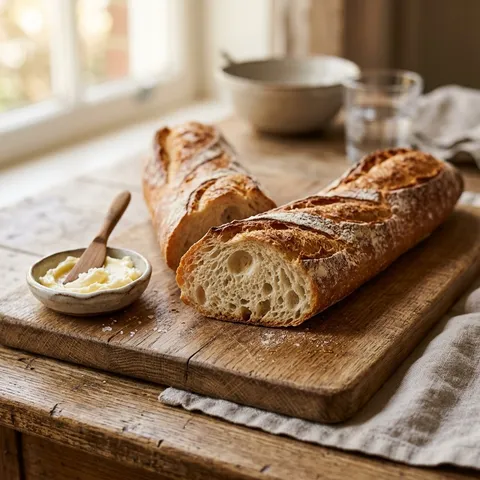
 French Baguette
Savor the authentic crunch of this rustic French baguette, featuring a beautifully crackling golden crust and a soft, airy, and utterly irresistible crumb.
 Bakery Lens Verified Images are for illustrative purposes only, may be inaccurate, and do not guarantee the presence or absence of specific ingredients.
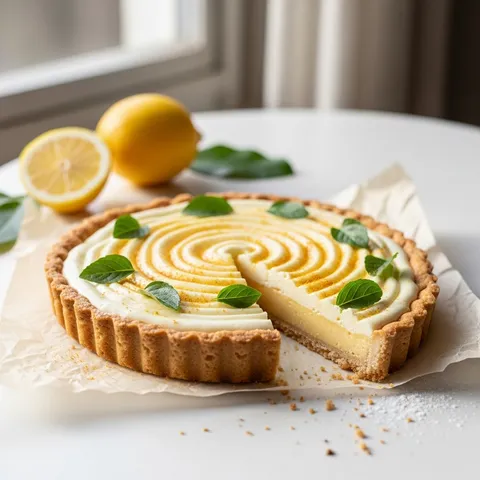
 Lemon Tart
Brighten your dessert spread with this elegant lemon tart, perfectly balancing a brilliantly zesty, silky-smooth lemon curd inside a crisp and buttery sweet pastry shell.