 Bakery Images are for illustrative purposes only, may be inaccurate, and do not guarantee the presence or absence of specific ingredients.
  Serving Images are for illustrative purposes only, may be inaccurate, and do not guarantee the presence or absence of specific ingredients.
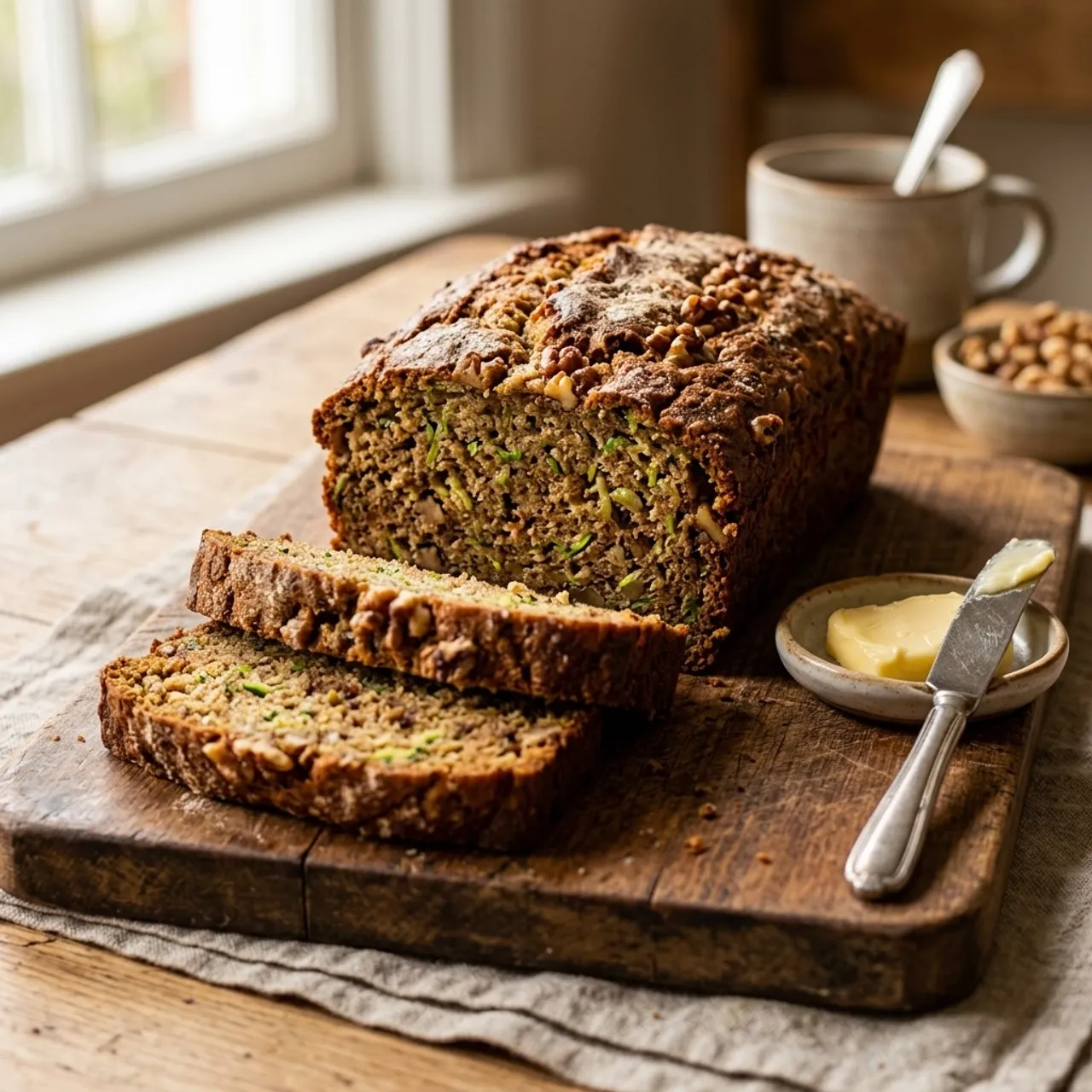
 Zucchini Bread
Enjoy a slice of pure comfort with this incredibly moist, tender zucchini bread, warmly spiced with cinnamon and boasting a perfectly sweet, caramelized crust.
Contains common allergens
In the app, Listahan checks these against your household automatically.
Instructions
6 steps- 1
Preheat the oven to 350°F (175°C). Grease and flour two 8x4-inch or 9x5-inch loaf pans.
- 2
Grate the zucchini (do not peel it first). Gently squeeze out a little excess moisture with a paper towel, but don't wring it completely dry.
- 3
In a large mixing bowl, whisk together the vegetable oil, sugar, eggs, and vanilla extract until well blended and lightened in color.
- 4
In a separate bowl, whisk the flour, baking soda, baking powder, cinnamon, and salt. Gently fold the dry ingredients into the wet mixture until just combined.
- 5
Fold in the grated zucchini until evenly distributed throughout the batter.
- 6
Divide the batter evenly between the two prepared loaf pans. Bake for 55-65 minutes until a toothpick inserted into the center of the loaves comes out clean. Let cool in the pans for 15 minutes before transferring to a wire rack.
 Images are for illustrative purposes only, may be inaccurate, and do not guarantee the presence or absence of specific ingredients.
 Listahan Family Score™
77/100
Good fit for most families
Score reflects how well this recipe fits a typical busy household. In the app, your Family Score is personalized to your household's allergens, kids, and pantry.
Nutrition
per serving645
Calories
8 g
Protein
88 g
Carbs
30 g
Fat
Estimated per serving. Actual values depend on the brands and portions you use.
Listahan cooking guide
Chef notes & practical guide
Technique notes, ingredient swaps, serve-alongside ideas, storage guidance, and equipment for this recipe.
Cultural context
Zucchini bread emerged in American home kitchens in the 1960s and 1970s, largely as a practical solution to the notorious summer surplus of garden zucchini that inevitably outpaces any cook's ability to use it as a vegetable. The technique of grating moisture-rich vegetables into quick breads has older European roots — carrot cake being the best-known example — but zucchini bread became a distinctly American phenomenon, popularized through community cookbooks and county fairs. Its appeal was partly agricultural pragmatism and partly the realization that shredded zucchini melts invisibly into the crumb, adding moisture without a detectable vegetable presence.
Listahan note
This version uses a generous grate of zucchini and leans into warm spices — cinnamon and a touch of nutmeg — to produce a deeply moist loaf that reads as a treat rather than a health food, while still quietly delivering a vegetable to skeptical kids.
Technique cues
- Do not squeeze the moisture out of the grated zucchini unless the recipe specifically calls for it; that liquid is exactly what keeps quick bread moist for days rather than drying out by the afternoon.
- Fold the zucchini and any mix-ins (nuts, chocolate chips) into the batter last, after the wet and dry ingredients are combined, to avoid overworking the gluten and producing a tough loaf.
- Test doneness with a toothpick inserted into the center of the loaf — zucchini bread is notoriously dense in the middle and often needs 5 to 10 minutes beyond what a golden crust suggests.
Kitchen flow
- Parallel prep
- Grate the zucchini and set it aside in the measuring cup while you whisk the dry ingredients in one bowl and beat the wet ingredients in another, then combine everything at once.
- Make-ahead
- Zucchini bread is best 24 hours after baking — the crumb settles, the spices deepen, and the texture becomes even more moist; bake the night before for a breakfast or brunch that requires no morning work.
- Leftover move
- Slice day-two or day-three zucchini bread and pan-toast each slice in butter over medium heat until golden on both sides — it becomes something closer to a French toast hybrid and tastes dramatically better than room-temperature slices.
- Cleanup rhythm
- Grating zucchini creates fine shreds that stick to the grater aggressively; rinse it immediately under warm running water and it clears in seconds, versus the scrubbing required after the shreds dry.
Ingredient brief
Role, handling, and swap guidance for each key ingredient.
zucchini
moisture and invisible texture
Purpose: Grated zucchini is roughly 95% water, which slowly releases into the batter during baking to keep the crumb extraordinarily moist for days without adding any detectable squash flavor.
Handling: Grate on the large holes of a box grater and use as-is, including the liquid; no salting or squeezing needed for a standard recipe.
Adaptation: Yellow summer squash works identically; finely grated carrot can replace half the zucchini for a slightly earthier, denser loaf.
vegetable oil
fat and long-term moisture
Purpose: Oil stays liquid at room temperature, which means the crumb remains moist and tender days after baking; butter-based quick breads firm up as the butter resolidifies.
Handling: Measure and add directly to the wet ingredient bowl; no preparation needed.
Adaptation: Melted and cooled coconut oil adds a faint tropical note; avocado oil is neutral and works identically.
ground cinnamon
primary warm spice
Purpose: Cinnamon is the backbone of zucchini bread's spice profile, providing warmth that makes the loaf feel like a treat and masks any raw-vegetable notes from the squash.
Handling: Whisk into the dry ingredients for even distribution throughout the batter.
Adaptation: Substitute with pumpkin pie spice for a more complex, holiday-adjacent spice blend without needing multiple spice jars.
all-purpose flour
structure
Purpose: Flour provides the gluten network and starch that hold the very moist batter together into a sliceable loaf rather than a wet pudding.
Handling: Spoon into the measuring cup and level off; scooping directly packs the flour and can add 20% more than intended, resulting in a dry, dense loaf.
Adaptation: Replace up to half with whole wheat flour for more fiber and a nuttier flavor, though the loaf will be denser and slightly less sweet.
walnuts
textural contrast
Purpose: Toasted walnut pieces provide crunch that contrasts pleasingly with the soft, moist crumb and add a bitter richness that balances the sweetness of the sugar.
Handling: Toast in a dry pan for 3 to 4 minutes, chop roughly, and let cool before folding into the batter so they do not melt any chocolate chips if using both.
Adaptation: Pecans are milder and sweeter; chocolate chips can replace walnuts entirely for a kid-friendlier loaf.
Technique notes
- A dark-colored metal loaf pan produces a better-browned, crispier crust than a glass or light-colored pan; if using glass, increase the oven temperature by 25 F.
- Run a thin offset spatula or butter knife around all four edges of the loaf immediately after it comes out of the oven, before cooling, to prevent the crust from sticking and tearing when you turn it out.
- For bakery-style domed tops, fill the loaf pan to no more than two-thirds capacity — overfilling causes the batter to spread outward rather than rise upward.
Ingredient swaps
- Egg-free direction
- Replace each egg with a flax egg (1 tablespoon ground flaxseed plus 3 tablespoons water, rested 5 minutes) — zucchini's own moisture content means the swap works more cleanly here than in drier baked goods.
- Lower-sugar direction
- Reduce the sugar by up to one-third and add 1/2 teaspoon of vanilla extract to compensate; the zucchini and spices carry enough flavor that the sweetness reduction is barely perceptible.
- Gluten-free direction
- A 1:1 GF baking flour blend works well here because the high moisture content from the zucchini compensates for the slightly drier texture that gluten-free flours can produce.
Serve alongside
- cream cheese or mascarpone spread
- fresh fruit salad with mint
- Greek yogurt with honey
- chai latte or spiced hot tea
- cold brew coffee with oat milk
Serving suggestions only — check pairings for your household's allergens.
Storage & reheating
- Wrap the cooled loaf tightly in plastic wrap and store at room temperature for up to 3 days, or refrigerate for up to 7 days — refrigeration actually improves the texture as the crumb settles and the flavors meld.
- To freeze, wrap individual slices in plastic, then place in a labeled zip-top freezer bag and freeze for up to 3 months; thaw overnight in the refrigerator or at room temperature for 2 hours.
Equipment
- 9x5-inch dark metal loaf pan for even, well-browned crust
- box grater — the large-hole side gives ideal zucchini texture
- toothpick or wooden skewer for testing doneness in the center
- wire cooling rack — letting the loaf cool in the pan causes the sides to steam and soften
Make this household-aware
Listahan Pro checks this recipe against your household's allergens, finds pantry-aware swaps, builds the shopping list, and helps you plan the week around it.
Plan it in Listahan
Add Zucchini Bread to your week, check it against your household's allergens, and build the shopping list automatically.
More Bakery recipes
 Bakery Lens Verified Images are for illustrative purposes only, may be inaccurate, and do not guarantee the presence or absence of specific ingredients.
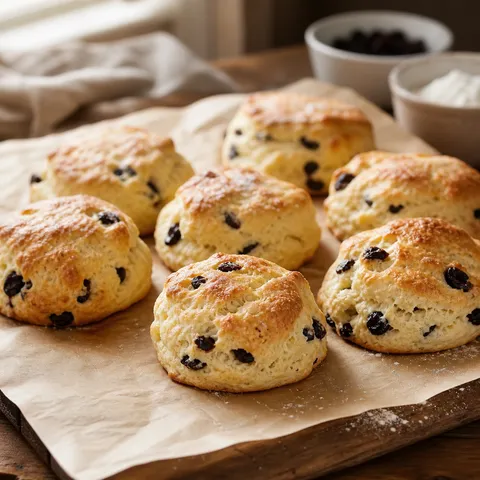
 Scones
Flaky and buttery British baked goods, often with currants or berries.
 Bakery Lens Verified Images are for illustrative purposes only, may be inaccurate, and do not guarantee the presence or absence of specific ingredients.
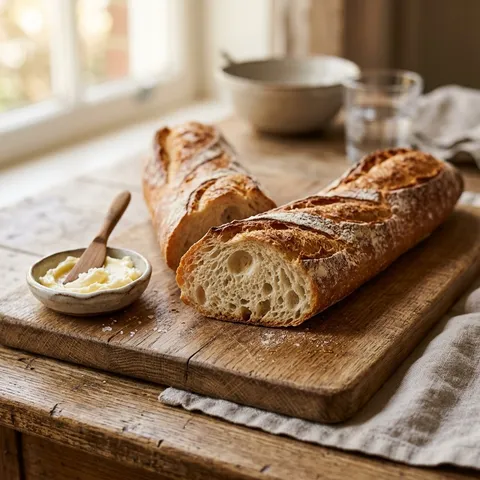
 French Baguette
Savor the authentic crunch of this rustic French baguette, featuring a beautifully crackling golden crust and a soft, airy, and utterly irresistible crumb.
 Bakery Lens Verified Images are for illustrative purposes only, may be inaccurate, and do not guarantee the presence or absence of specific ingredients.
 Lemon Tart
Brighten your dessert spread with this elegant lemon tart, perfectly balancing a brilliantly zesty, silky-smooth lemon curd inside a crisp and buttery sweet pastry shell.