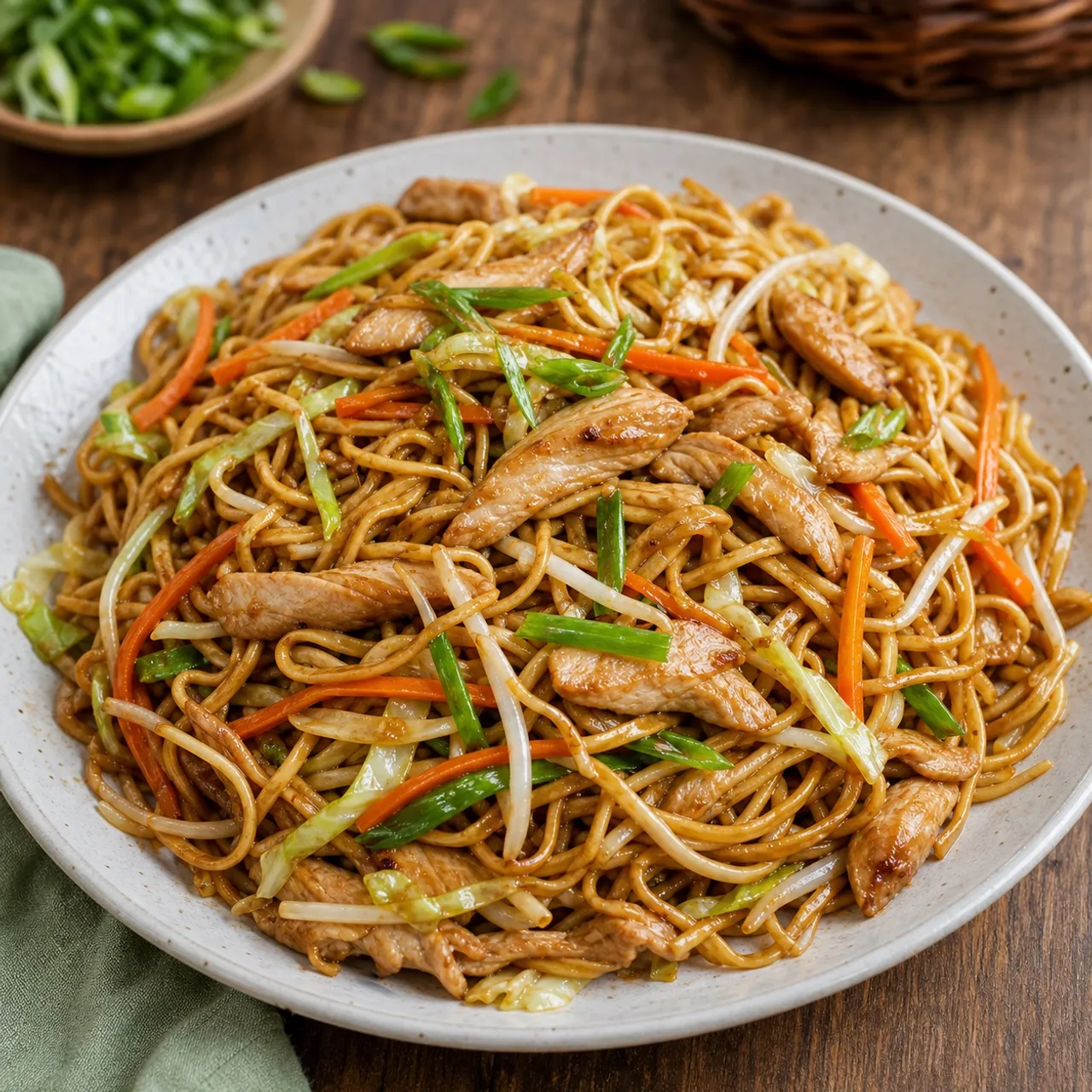
 Chinese Images are for illustrative purposes only, may be inaccurate, and do not guarantee the presence or absence of specific ingredients.
 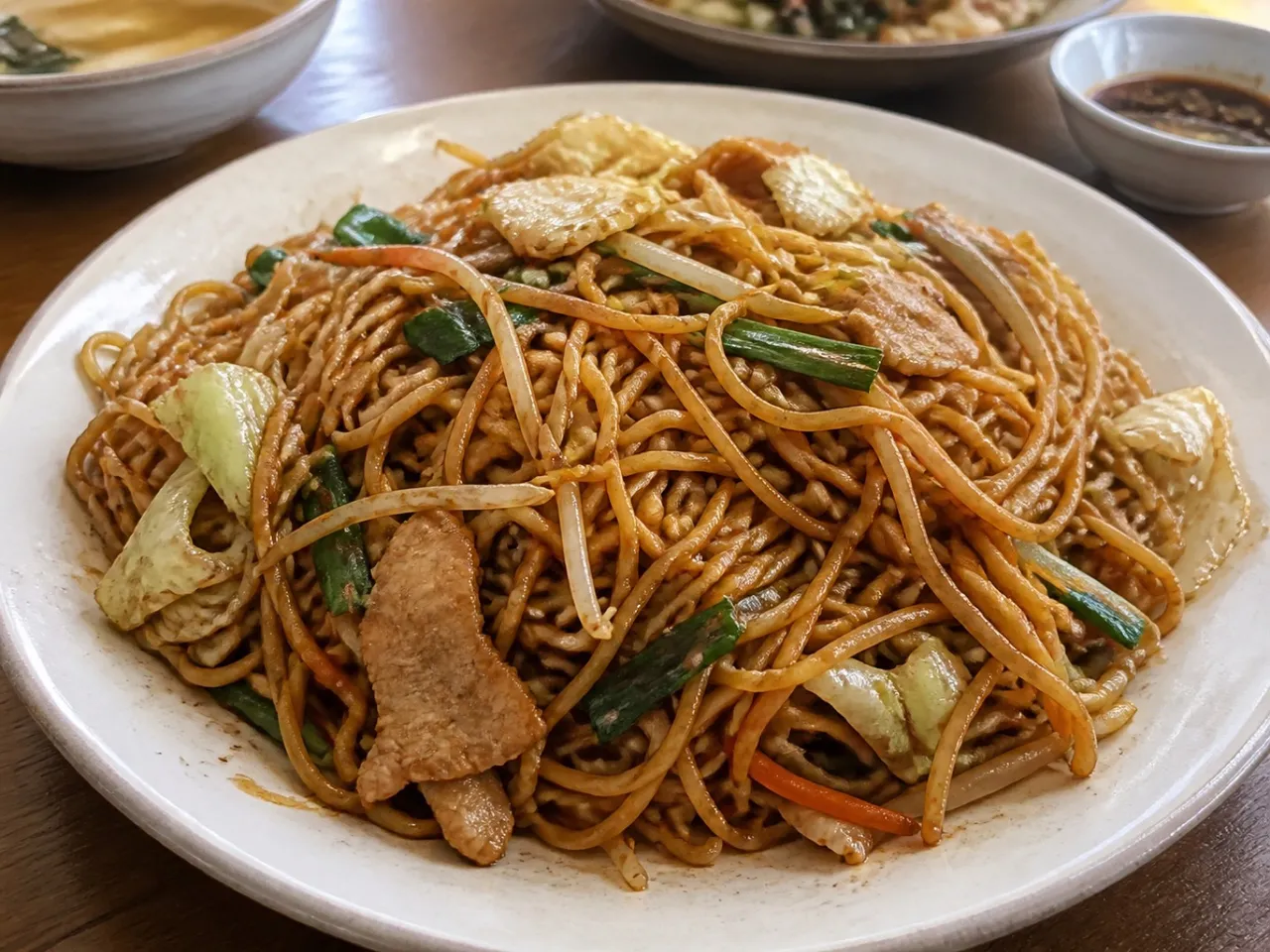 Serving Images are for illustrative purposes only, may be inaccurate, and do not guarantee the presence or absence of specific ingredients.
 Chow Mein
Classic stir-fried noodles with a mix of vegetables and proteins.
Contains common allergens
In the app, Listahan checks these against your household automatically.
Good to know
- Ready in under 30 minutes
Matched from this dish's own ingredients and timing. Browse more: 30-minute meals
Instructions
6 steps- 1
Marinate the Chicken: Toss the thinly sliced chicken thighs with 1 tbsp soy sauce and 1 tsp cornstarch. Let sit for 10 minutes.
- 2
Cook the Noodles: Boil the egg noodles according to package directions until just tender (al dente). Drain thoroughly, rinse with cold water to stop cooking, and toss with a drop of oil to prevent sticking.
- 3
Sear the Meat: Heat a wok over high heat with 1 tbsp of oil. Add the chicken in a single layer, searing for 2 minutes until browned. Remove the chicken and set aside.
- 4
Stir-Fry Vegetables: In the same wok, add a little more oil if needed. Toss in the shredded cabbage and julienned carrots. Stir-fry for 2 minutes until slightly softened but still crunchy.
- 5
Toss and Sauce: Return the chicken to the wok and add the cooked noodles and bean sprouts. Pour in the remaining 2 tbsp soy sauce, oyster sauce, and sesame oil.
- 6
Final Mix: Toss everything vigorously over high heat using two spatulas for 2-3 minutes until the noodles are evenly coated in the sauce and slightly charred. Serve immediately.
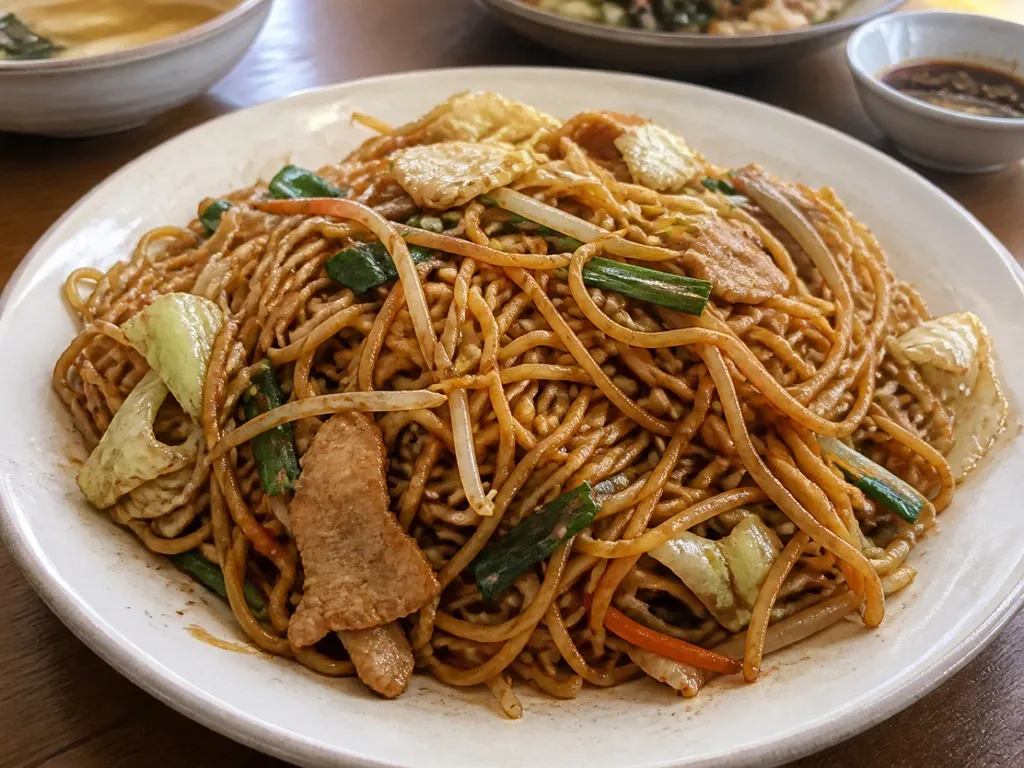 Images are for illustrative purposes only, may be inaccurate, and do not guarantee the presence or absence of specific ingredients.
 Listahan Family Score™
60/100
Works for many families
Score reflects how well this recipe fits a typical busy household. In the app, your Family Score is personalized to your household's allergens, kids, and pantry.
Nutrition
per serving760
Calories
50 g
Protein
94 g
Carbs
20 g
Fat
Estimated per serving. Actual values depend on the brands and portions you use.
Listahan cooking guide
Chef notes & practical guide
Technique notes, ingredient swaps, serve-alongside ideas, storage guidance, and equipment for this recipe.
Cultural context
Chow mein derives from the Cantonese chau mein (stir-fried noodles) and has been a staple of Chinese immigrant cooking in North America since the mid-19th century when Cantonese laborers brought it to the railroad camps and mining towns of California. The dish adapted readily to locally available vegetables and proteins, which is why the American-Chinese version diverges so significantly from its Cantonese ancestor. In Hong Kong, two competing forms exist: the soft stir-fried style and the crispy pan-fried variation, both considered legitimate expressions of the dish.
Listahan note
This version goes for the crispy-bottom variation, pressing the boiled noodles into a flat cake in the wok to develop a crunchy underside, then topping with a sauced stir-fry so every bite mixes textures.
Technique cues
- Cook the noodles until just underdone (about 1 minute shy of package time), drain, then toss with a light coat of oil immediately -- this stops them from steaming each other soft and keeps them separated for even pan-frying.
- Press the noodles into an even layer in the wok and resist moving them for 3 to 4 minutes -- the contact heat develops a unified crispy crust rather than fragmented toasty bits.
- Season the stir-fry topping with oyster sauce and a pinch of sugar before it hits the noodles -- the sauce should be glossy and slightly thicker than you want it to taste dry, because the residual heat continues to concentrate it.
Kitchen flow
- Parallel prep
- Boil and oil the noodles first, then prep all vegetables and protein while the noodle cake forms in the wok -- the whole dish can be on the table in 20 minutes of active cooking.
- Make-ahead
- Boil and oil the noodles up to 1 day ahead and refrigerate; cold noodles actually form a tighter, crispier cake than room-temperature ones.
- Leftover move
- Revive cold leftovers by pressing the noodles back into a hot oiled skillet for 4 minutes, flipping once, to re-crisp the bottom.
- Cleanup rhythm
- Pour boiling water into the wok immediately after plating and let it sit 1 minute -- the oyster sauce caramelizes but releases cleanly without scrubbing if you hydrate it right away.
Ingredient brief
Role, handling, and swap guidance for each key ingredient.
fresh chow mein noodles
starchy base
Purpose: Fresh egg noodles have higher moisture and a slightly alkaline character that crisps beautifully at high heat without drying to a hard brittle texture.
Handling: Blanch briefly in boiling water to loosen, drain, and toss with sesame oil to prevent clumping before frying.
Adaptation: Dried lo mein noodles or even spaghetti (cooked al dente) work; rice noodles produce a different but equally valid pan-fried cake.
oyster sauce
umami glaze
Purpose: Oyster sauce adds a sweet-savory richness that ties the vegetables and protein together without needing a complex sauce formula.
Handling: Whisk with a little stock or water and a pinch of sugar to balance the brininess before adding to the wok.
Adaptation: Vegetarian mushroom oyster sauce is widely available and functionally identical for this dish.
Chinese cabbage
bulk vegetable and moisture source
Purpose: Cabbage wilts quickly at high heat, releasing just enough moisture to deglaze the wok naturally and create a light sauce without adding stock.
Handling: Cut into rough 2-inch pieces and dry thoroughly so it sears rather than steams when it hits the hot wok.
Adaptation: Napa cabbage, regular green cabbage, or bok choy all work depending on availability.
bean sprouts
textural contrast
Purpose: Added at the very end of cooking, bean sprouts retain a water-fresh crunch that balances the softened vegetables.
Handling: Rinse and drain well; add in the final 30 seconds so they barely wilt.
Adaptation: Shredded snow peas or julienned jicama provide a similar crunch if bean sprouts are unavailable.
chicken or pork
protein component
Purpose: Thin-sliced protein cooks in under 2 minutes at wok temperature and absorbs the oyster sauce to become a cohesive part of the topping.
Handling: Slice against the grain very thin (easier if partially frozen) and velvet briefly in cornstarch and soy sauce.
Adaptation: Shrimp, tofu, or simply more vegetables keep the dish satisfying without meat.
Technique notes
- A lodge of smoke is a good sign when the noodle cake is forming -- if there is no smoke, the wok is not hot enough and the noodles will steam rather than crisp.
- Shake the wok handle gently after 3 minutes to check whether the cake slides freely; if it does not, give it another minute rather than forcing a flip that breaks the cake.
- The ratio of topping to noodle matters: you want enough sauce to soak into the top of the cake but not so much that the crispy bottom becomes soggy -- pour it over in stages.
Ingredient swaps
- Gluten-free direction
- Use rice noodles as the noodle cake base and replace oyster sauce and soy sauce with gluten-free tamari and vegetarian mushroom sauce.
- Vegetarian direction
- Skip the meat and add extra shiitake mushrooms plus firm tofu; the mushroom oyster sauce replacement handles the umami without adding complexity.
- Lower-sodium direction
- Cut oyster sauce by half and increase a splash of rice vinegar and sesame oil for depth; the reduced salt is partially compensated by acidity.
Serve alongside
- hot and sour soup
- steamed pork dumplings (jiaozi)
- braised eggplant in garlic sauce
- Chinese plum soda
- oolong tea
Serving suggestions only — check pairings for your household's allergens.
Storage & reheating
- Refrigerate for up to 3 days; the noodle cake texture softens overnight in the fridge. Re-crisp in a hot skillet with a little oil rather than microwaving, which makes the noodles gummy.
- This dish does not freeze well -- the noodle texture degrades significantly after freezing and thawing.
Equipment
- carbon steel wok or large flat-bottomed skillet
- wok lid (for noodle cake steaming phase if needed)
- wok spatula
- colander for draining noodles
Make this household-aware
Listahan Pro checks this recipe against your household's allergens, finds pantry-aware swaps, builds the shopping list, and helps you plan the week around it.
Plan it in Listahan
Add Chow Mein to your week, check it against your household's allergens, and build the shopping list automatically.
More Chinese recipes
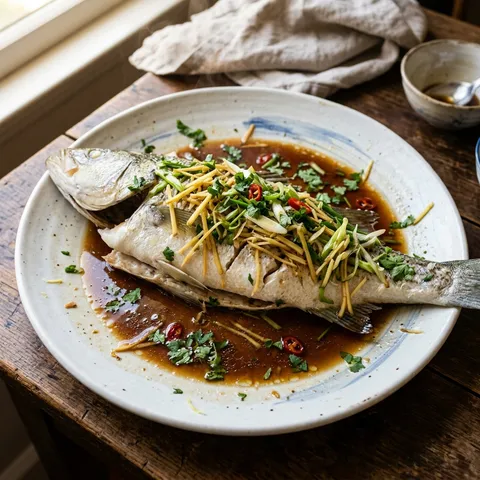 Chinese Lens Verified Images are for illustrative purposes only, may be inaccurate, and do not guarantee the presence or absence of specific ingredients.
 Steamed Fish with Soy and Ginger
A traditional banquet dish featuring delicately steamed whole fish with hot oil poured over aromatics.
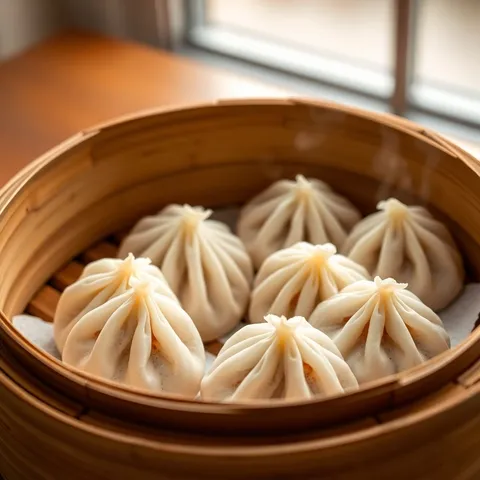 Chinese Lens Verified Images are for illustrative purposes only, may be inaccurate, and do not guarantee the presence or absence of specific ingredients.
 Xiao Long Bao (Soup Dumplings)
Delicate steamed buns filled with pork and a rich, savory soup.
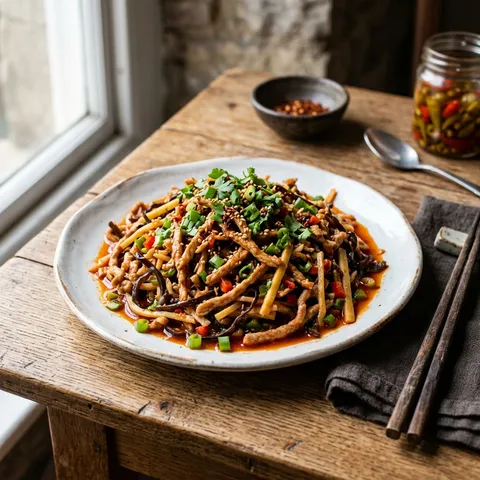 Chinese Lens Verified Images are for illustrative purposes only, may be inaccurate, and do not guarantee the presence or absence of specific ingredients.
 Yuxiang Rou Si (Fish-Fragrant Pork Shreds)
A classic Sichuan dish that uses "fish-fragrant" seasoning (sweet, sour, and spicy) on pork shreds, containing no actual fish.