 Chinese Images are for illustrative purposes only, may be inaccurate, and do not guarantee the presence or absence of specific ingredients.
  Serving Images are for illustrative purposes only, may be inaccurate, and do not guarantee the presence or absence of specific ingredients.
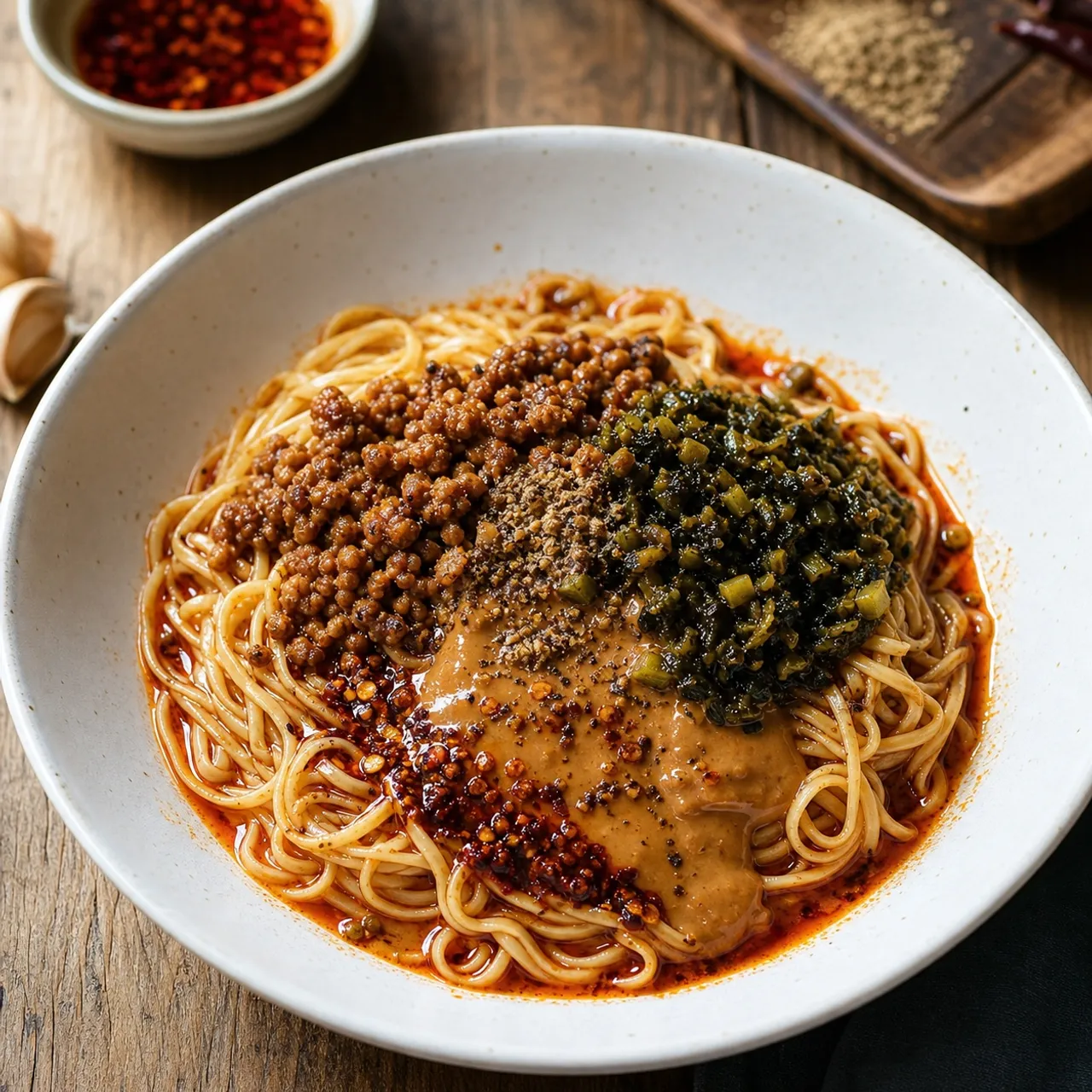
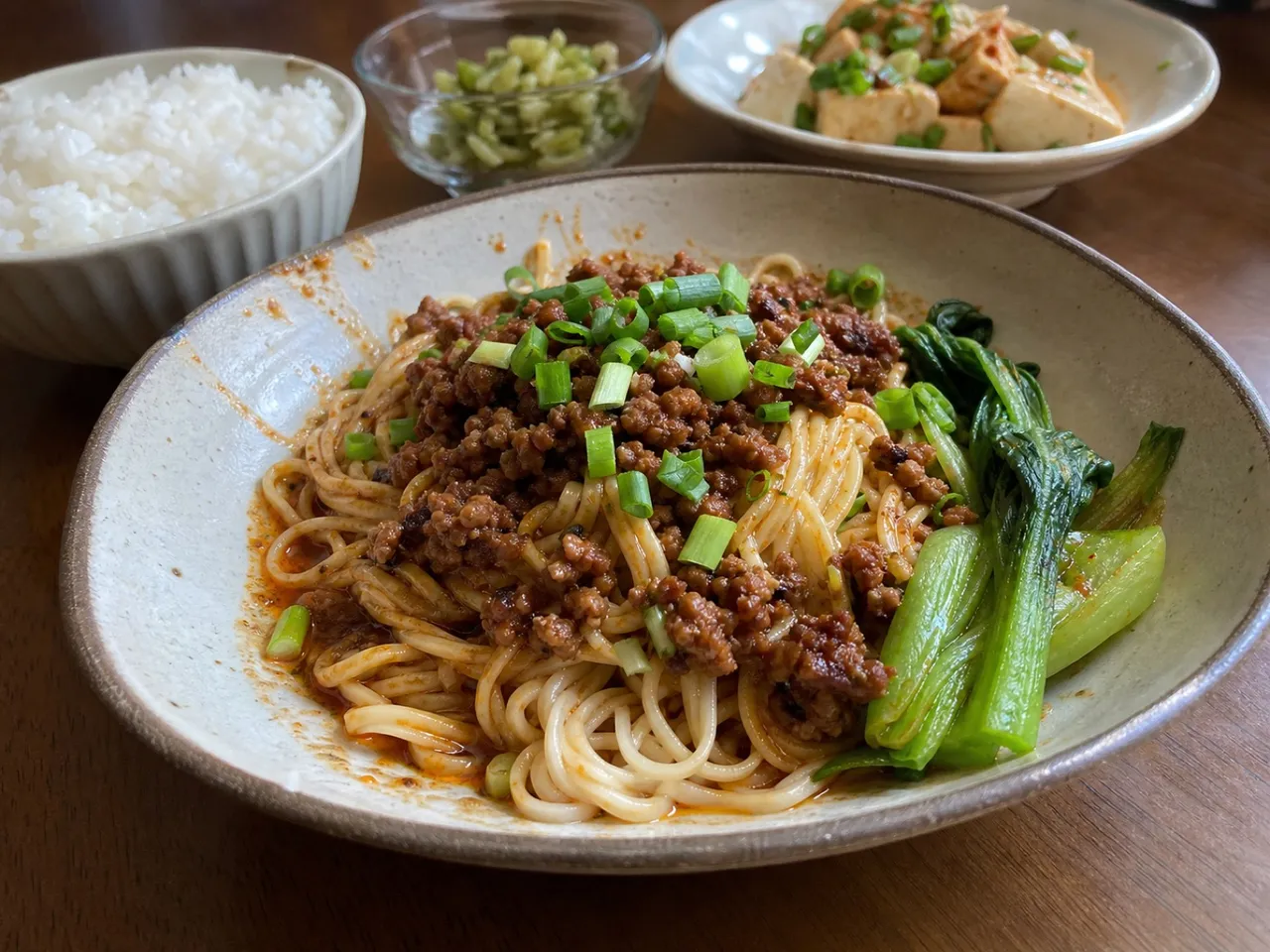
 Dan Dan Noodles
A spicy noodle dish originating from Sichuan, featuring a savory, nutty, and spicy sauce.
Contains common allergens
In the app, Listahan checks these against your household automatically.
Good to know
- Ready in under 30 minutes
Matched from this dish's own ingredients and timing. Browse more: 30-minute meals
Instructions
6 steps- 1
Make the Sauce Base: In serving bowls, evenly divide the sesame paste, chili oil, soy sauce, ground Sichuan peppercorns, and minced garlic. Whisk slightly until combined into a thick, fiery paste.
- 2
Fry the Pork Base: Heat a wok over medium-high heat with 1 tsp oil. Add the ground pork and stir-fry until completely browned, dry, and slightly crispy (about 3-4 minutes).
- 3
Add Preserved Greens: Add the rinsed Sui Mi Ya Cai to the pork. Toss and fry for another 1-2 minutes until deeply fragrant. Remove from heat.
- 4
Cook the Noodles: Boil a large pot of water. Add the fresh wheat noodles and cook for 2-3 minutes until al dente. Drain well, reserving 2-3 tablespoons of the hot, starchy noodle water.
- 5
Assemble the Bowls: Add 1 tablespoon of the hot noodle water to the sauce base in the bowls to loosen it. Divide the hot noodles into the bowls over the sauce.
- 6
Garnish and Serve: Top the noodles generously with the crispy pork mixture and some chopped scallions or blanched bok choy. Mix thoroughly before eating so every strand is coated.
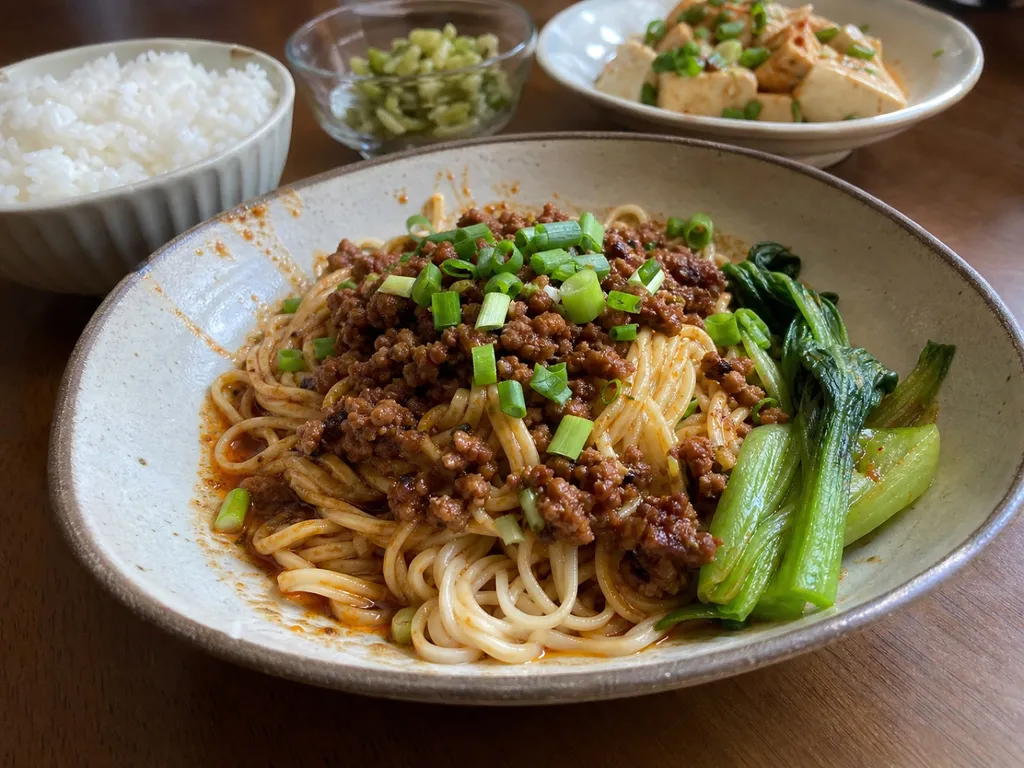 Images are for illustrative purposes only, may be inaccurate, and do not guarantee the presence or absence of specific ingredients.
 Listahan Family Score™
59/100
Works for many families
Score reflects how well this recipe fits a typical busy household. In the app, your Family Score is personalized to your household's allergens, kids, and pantry.
Nutrition
per serving765
Calories
31 g
Protein
88 g
Carbs
31 g
Fat
Estimated per serving. Actual values depend on the brands and portions you use.
Listahan cooking guide
Chef notes & practical guide
Technique notes, ingredient swaps, serve-alongside ideas, storage guidance, and equipment for this recipe.
Cultural context
Dan dan noodles originated in Chengdu, Sichuan, as a street food sold by vendors who carried the ingredients in two baskets balanced on a shoulder pole (dan means 'shoulder pole' in Mandarin). The original vendor version was a quick cheap noodle dressed with chili oil, sesame paste, and minced pork, eaten standing at the cart. As the dish moved into restaurants it accumulated refinements including more preserved vegetable (ya cai), a richer sesame base, and the characteristic numbing Sichuan peppercorn finish that now defines it globally.
Listahan note
This version builds the sauce in the bowl itself before the hot noodles go in, so the residual heat from the noodles blooms the spices gently rather than cooking them aggressively.
Technique cues
- Build the sauce in each serving bowl -- sesame paste, chili oil, soy sauce, black vinegar, and ground Sichuan peppercorn -- before the noodles arrive, so the hot pasta loosens and emulsifies everything together as you toss.
- The minced pork topping should be cooked until very dry and slightly crispy, not soft and saucy -- the contrast between crisp pork bits and silky noodles is central to the texture experience.
- Reserve a ladleful of starchy noodle water and add a splash to the bowl if the sauce feels too thick after tossing; the starch helps the sesame paste cling to the noodles without clumping.
Kitchen flow
- Parallel prep
- While the noodle water comes to boil, measure and add all sauce components to individual serving bowls so the moment the noodles are drained you can move immediately to assembly.
- Make-ahead
- The pork topping keeps refrigerated for up to 3 days and actually improves in flavor; make a double batch and use leftovers on congee or rice bowls.
- Leftover move
- Leftover dressed noodles clump overnight; instead, refrigerate sauce and noodles separately and toss fresh the next day -- or turn the noodles into a cold sesame noodle salad with sliced cucumber.
- Cleanup rhythm
- Rinse sesame paste residue from bowls with hot water immediately; once it cools the oily starch bonds to ceramics and requires scrubbing.
Ingredient brief
Role, handling, and swap guidance for each key ingredient.
fresh wheat noodles
primary starchy base
Purpose: Thin, bouncy wheat noodles with some alkalinity hold their chew against the heavy sesame-oil sauce without going limp.
Handling: Cook in unsalted boiling water for 2 to 3 minutes until just tender, drain, and add directly to the dressed bowl.
Adaptation: Dried ramen noodles or spaghetti cooked al dente work reasonably well; avoid thick udon, which overwhelms the sauce.
sesame paste (zhima jiang)
sauce base and richness
Purpose: Chinese sesame paste is made from toasted unhulled sesame seeds and is darker, denser, and more bitter than tahini, providing the signature nutty backbone of the sauce.
Handling: Stir the paste well before measuring as oil separates to the top; thin with a small amount of the paste oil before adding to the bowl.
Adaptation: Tahini plus a teaspoon of toasted sesame oil is the closest substitute; peanut butter in equal measure gives a different but popular American-Chinese adaptation.
chili oil (hong you)
heat and aroma
Purpose: A good chili oil carries both heat and an aromatic depth from dried chilies and spices that plain cayenne cannot replicate.
Handling: Use a brand with visible chili solids (such as Lao Gan Ma) so both the oil and the pepper flakes contribute to the sauce.
Adaptation: Make a quick version by heating neutral oil to 350 F and pouring it over a mixture of dried chili flakes, Sichuan peppercorn, and garlic.
ya cai (Yibin preserved mustard greens)
salty fermented counterpoint
Purpose: Ya cai adds a crunchy, pungent-savory element that breaks up the richness of the sesame sauce and is deeply characteristic of the Chengdu style.
Handling: Rinse lightly and chop finely if needed; fry briefly with the pork for 30 seconds to bloom its flavor.
Adaptation: Any Chinese preserved vegetable (zha cai, Tianjin preserved cabbage) is an acceptable substitute; kimchi, drained and chopped, is a workable adaptation.
ground pork
savory crispy topping
Purpose: The pork topping provides textural contrast and a salty-savory element that anchors the bowl against the heavy sesame sauce.
Handling: Cook over medium-high heat in a dry wok until the fat renders out and the meat turns a deep golden brown with some crispy bits.
Adaptation: Ground chicken or turkey browns similarly but produces a drier topping; mushrooms finely chopped and cooked until crispy are an excellent vegetarian stand-in.
Technique notes
- The sauce should taste aggressively salty and spicy before the noodles go in -- the starchy pasta will absorb and dilute it, so what tastes too intense in the bowl becomes perfectly seasoned after tossing.
- Adjust the chili oil to heat tolerance but do not reduce the Sichuan peppercorn -- the numbing is what makes the heat feel exciting rather than painful, and without it the dish is unbalanced.
- Finish with a drizzle of good chili oil on top after plating even if you already built oil into the sauce -- the fresh aromatic compounds on top give a brightness the cooked-in oil cannot provide.
Ingredient swaps
- Gluten-free direction
- Use rice noodles and tamari in place of soy sauce; confirm that your sesame paste and chili oil are wheat-free as some Chinese brands add flour as a thickener.
- Nut-free direction
- Replace sesame paste with sunflower seed butter thinned with sesame oil for a similar nutty base; the flavor will be milder.
- Milder direction
- Halve the chili oil and omit the Sichuan peppercorn for a version accessible to children or heat-sensitive eaters; the sesame and savory notes still carry the dish.
Serve alongside
- cold tofu with century egg
- stir-fried water spinach
- simple soy-marinated egg
- cold jasmine tea
- Tsingtao beer
Serving suggestions only — check pairings for your household's allergens.
Storage & reheating
- Dress and eat immediately; the sesame sauce absorbs into the noodles within minutes and the noodles clump irreversibly. Store sauce components and noodles separately in the refrigerator for up to 3 days and assemble to order.
- The pork topping freezes well for 1 month in a small container; thaw and reheat in a dry skillet.
Equipment
- large pot for noodle cooking
- wok or skillet for the pork topping
- ladle for noodle water
- chopsticks or tongs for tossing
Make this household-aware
Listahan Pro checks this recipe against your household's allergens, finds pantry-aware swaps, builds the shopping list, and helps you plan the week around it.
Plan it in Listahan
Add Dan Dan Noodles to your week, check it against your household's allergens, and build the shopping list automatically.
More Chinese recipes
 Chinese Lens Verified Images are for illustrative purposes only, may be inaccurate, and do not guarantee the presence or absence of specific ingredients.
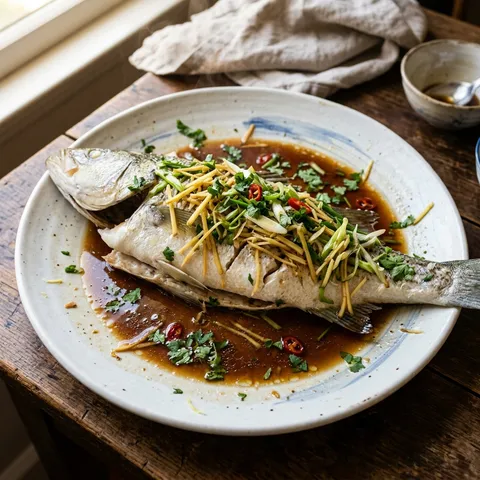
 Steamed Fish with Soy and Ginger
A traditional banquet dish featuring delicately steamed whole fish with hot oil poured over aromatics.
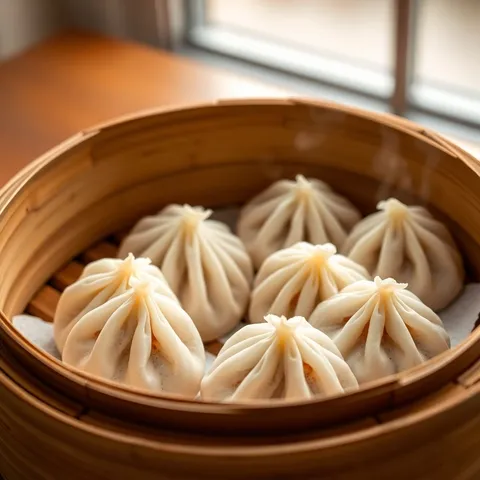 Chinese Lens Verified Images are for illustrative purposes only, may be inaccurate, and do not guarantee the presence or absence of specific ingredients.
 Xiao Long Bao (Soup Dumplings)
Delicate steamed buns filled with pork and a rich, savory soup.
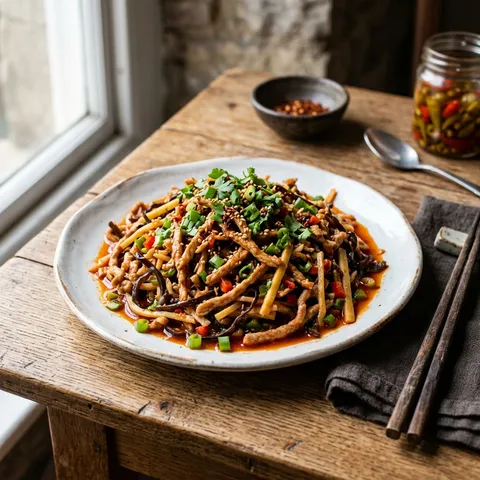 Chinese Lens Verified Images are for illustrative purposes only, may be inaccurate, and do not guarantee the presence or absence of specific ingredients.
 Yuxiang Rou Si (Fish-Fragrant Pork Shreds)
A classic Sichuan dish that uses "fish-fragrant" seasoning (sweet, sour, and spicy) on pork shreds, containing no actual fish.