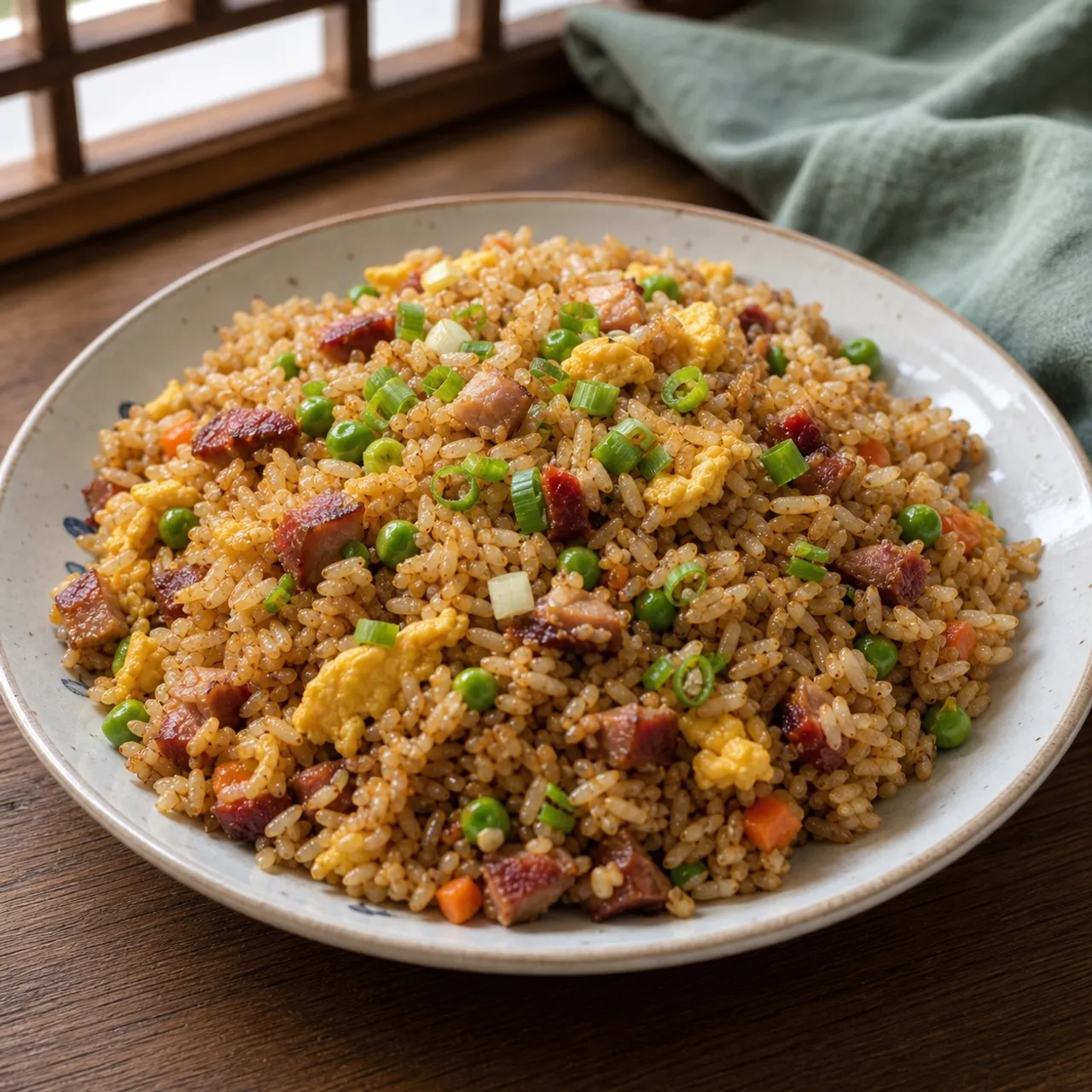
 Chinese Images are for illustrative purposes only, may be inaccurate, and do not guarantee the presence or absence of specific ingredients.
 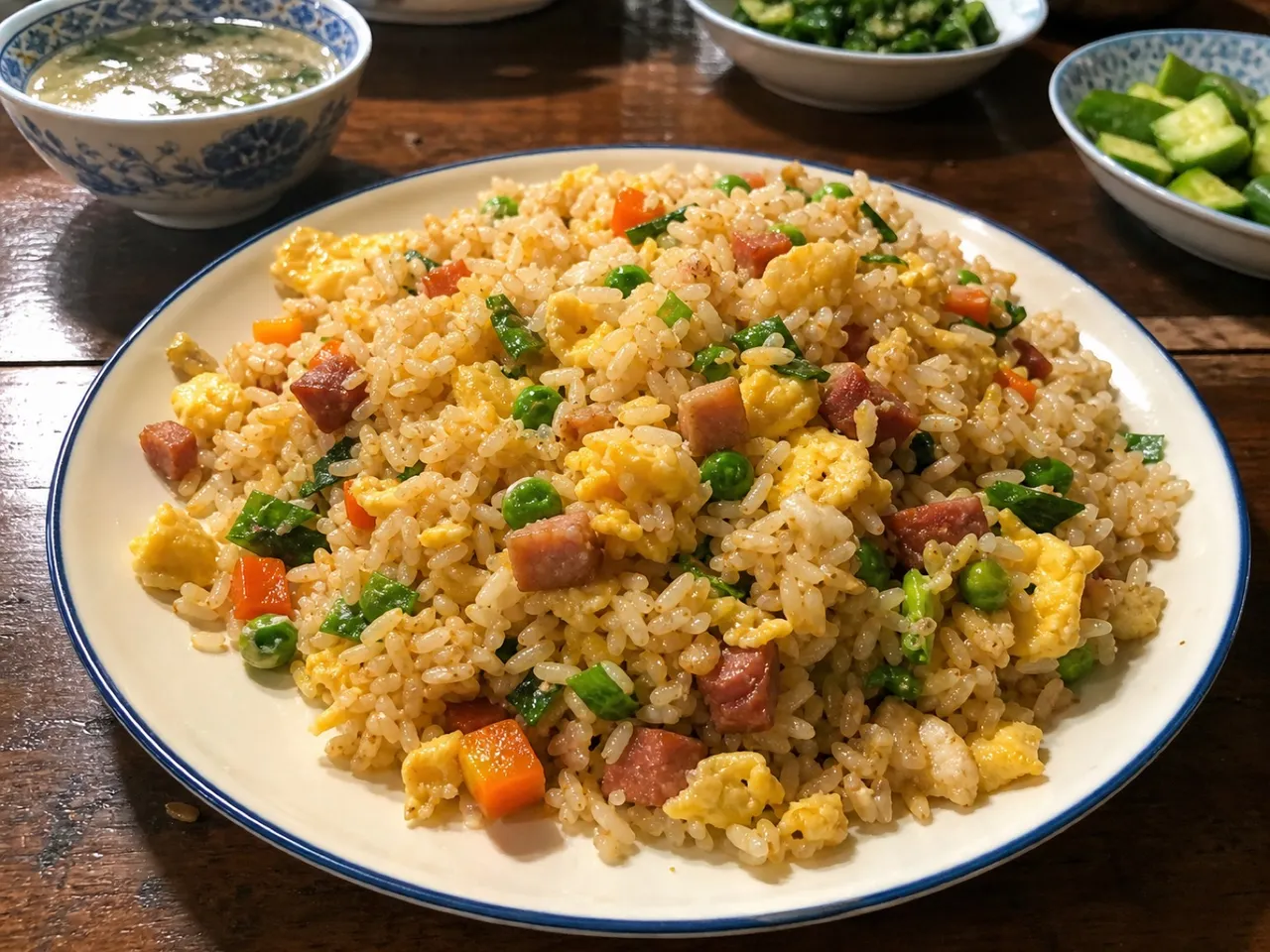 Serving Images are for illustrative purposes only, may be inaccurate, and do not guarantee the presence or absence of specific ingredients.
 Fried Rice
A staple dish made by stir-frying leftover rice with eggs, vegetables, and soy sauce.
Contains common allergens
In the app, Listahan checks these against your household automatically.
Good to know
- Ready in under 30 minutes
Matched from this dish's own ingredients and timing. Browse more: 30-minute meals
Instructions
6 steps- 1
Prep the Rice: Take the chilled, day-old rice and use wet hands to break up any large clumps so the grains are separated. This ensures the fried rice isn't mushy.
- 2
Scramble the Eggs: Heat a wok over medium-high heat until smoking. Add 1 tbsp oil, swirl to coat, and pour in the beaten eggs. Scramble quickly until just barely set, then remove to a plate and break into small pieces.
- 3
Aromatics and Veggies: Wipe the wok clean, add another 1 tbsp of oil, and heat over high heat. Toss in the scallion whites and the diced meat. Stir-fry for 30 seconds until fragrant. Add the peas and carrots, cooking for another minute.
- 4
Fry the Rice: Add the separated rice to the wok. Press the rice against the hot sides of the wok to sear it, then toss. Repeat for 2-3 minutes until the rice is heated through and slightly toasty.
- 5
Season and Combine: Drizzle the soy sauce and oyster sauce around the edges of the wok (not directly on the rice) so it caramelizes slightly. Toss vigorously to color the rice evenly.
- 6
Finish: Fold the scrambled eggs back into the wok. Sprinkle with white pepper and the scallion greens. Toss for 30 more seconds, then serve hot.
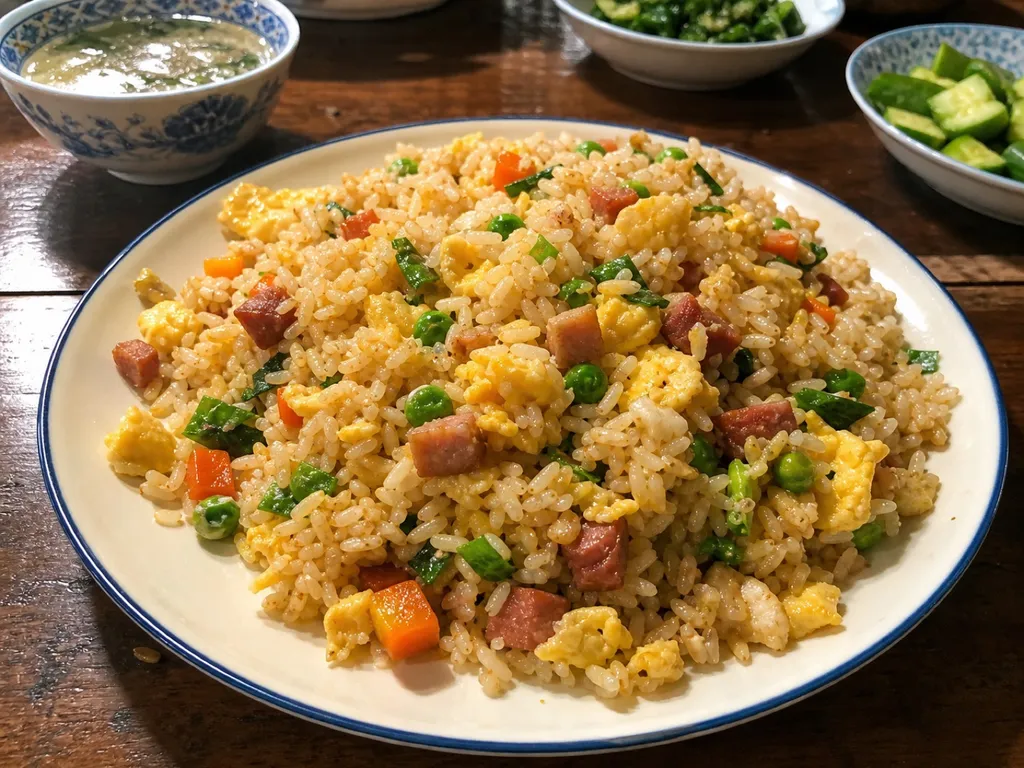 Images are for illustrative purposes only, may be inaccurate, and do not guarantee the presence or absence of specific ingredients.
 Listahan Family Score™
64/100
Works for many families
Score reflects how well this recipe fits a typical busy household. In the app, your Family Score is personalized to your household's allergens, kids, and pantry.
Nutrition
per serving610
Calories
20 g
Protein
116 g
Carbs
6 g
Fat
Estimated per serving. Actual values depend on the brands and portions you use.
Listahan cooking guide
Chef notes & practical guide
Technique notes, ingredient swaps, serve-alongside ideas, storage guidance, and equipment for this recipe.
Cultural context
Fried rice appears throughout Chinese culinary history as a practical solution to leftover cooked rice, which was too valuable to discard but too sticky to enjoy plain after a day in storage. Older, drier rice separates better in the wok and produces the distinct individual grain texture that defines good fried rice, making yesterday's leftovers superior to freshly cooked. The dish appears across nearly every regional Chinese cuisine with local adaptations -- Yangzhou fried rice is considered the canonical restaurant version -- but countless family versions exist wherever Chinese communities have settled worldwide.
Listahan note
This version starts from the truth that day-old refrigerated rice is not just acceptable but required -- the goal is individual, slightly toasted grains with a faint wok-breath aroma that no steamer can replicate.
Technique cues
- Use cold rice directly from the refrigerator without letting it come to room temperature -- the cold starch breaks apart cleanly in a hot wok, while warm rice compresses into clumps under the spatula pressure.
- Push the rice to the side of the wok before scrambling the eggs in the cleared hot center -- cooking the eggs in the rice from the start produces grayish streaks; cooked separately then folded in, they stay bright and distinct.
- Season only with soy sauce and a final drizzle of sesame oil -- add the soy around the edge of the wok rather than on top of the rice so it hits the hot metal and fries briefly before mixing, adding a caramelized depth.
Kitchen flow
- Parallel prep
- Beat the eggs and measure the soy sauce while the wok heats -- fried rice happens fast and there is no time to measure once cooking starts.
- Make-ahead
- Cook extra rice specifically to refrigerate overnight; a double batch costs almost nothing extra and means fried rice is always 10 minutes away.
- Leftover move
- Serve cold leftover fried rice as a base for a poached egg and chili crisp for an easy next-day breakfast bowl.
- Cleanup rhythm
- Rinse the wok with hot water while it is still warm; the starch releases easily at temperature but bakes on if you let the wok cool completely.
Ingredient brief
Role, handling, and swap guidance for each key ingredient.
day-old cooked rice
primary base
Purpose: Refrigerated rice loses surface moisture overnight so grains separate easily and develop individual toasted edges in the hot wok rather than steaming and clumping.
Handling: Break up any clumps with your hands before adding to the wok; large clumps never fully separate during cooking.
Adaptation: Freshly cooked rice spread on a tray and refrigerated for 1 hour works in a pinch; sushi rice is too sticky.
eggs
protein binder and richness
Purpose: Eggs scrambled into the rice create pockets of soft protein that add richness and help bind the grains into a unified dish.
Handling: Beat well with a pinch of salt; have them ready beside the wok as timing is critical.
Adaptation: Tofu scramble with a pinch of turmeric mimics the egg role in a vegan version.
soy sauce
primary seasoning and color
Purpose: Added at the edge of the hot wok, soy sauce caramelizes slightly before mixing in, creating the golden-brown tint that visually identifies fried rice.
Handling: Measure into a small bowl beforehand; do not add directly from the bottle over the rice or the pour will be uncontrolled.
Adaptation: Tamari at the same quantity for gluten-free; fish sauce at half quantity adds a different umami note.
scallions
fresh aromatic finish
Purpose: Added at the end off heat, scallions provide a sharp freshness that counterbalances the savory richness of the egg and soy.
Handling: Slice thin on a bias; use both white and green parts with the whites added at the beginning and greens at the end.
Adaptation: Chives or thinly sliced shallots are both good substitutes for different aromatic profiles.
sesame oil
finishing aroma
Purpose: A small amount of toasted sesame oil drizzled at the very end adds the characteristic nutty depth that signals restaurant-quality fried rice.
Handling: Keep in a small bottle with a pour spout; it is very strong and easy to over-add.
Adaptation: A tiny amount of chili oil adds both aroma and heat as an alternative finish.
Technique notes
- The loudest sizzle you can maintain is the right temperature -- fried rice is not a slow dish; if you hear gentle popping instead of aggressive crackling, raise the heat immediately.
- Resist adding too many ingredients: the best fried rice usually has three or four components done well rather than eight competing elements confusing the dish.
- A light drizzle of white pepper is a common finishing touch in Cantonese restaurants that adds warmth without the floral complexity of black pepper and is worth trying.
Ingredient swaps
- Gluten-free direction
- Replace soy sauce with tamari; all other ingredients are naturally gluten-free.
- Vegetarian direction
- Omit any meat and add more egg plus diced firm tofu and extra vegetables; the dish is naturally satisfying without protein additions.
- Weeknight shortcut
- Use a bag of frozen peas and carrots straight from the freezer -- they cook in 90 seconds in the hot wok and are one of the most forgiving additions to this dish.
Serve alongside
- hot and sour soup
- egg drop soup
- steamed broccoli with oyster sauce
- jasmine tea
- cold coconut water
Serving suggestions only — check pairings for your household's allergens.
Storage & reheating
- Refrigerate for up to 3 days; fried rice reheats well in a hot dry skillet with a splash of water, which revives moisture without making it soggy. A quick stir-fry over high heat for 2 minutes is better than microwaving.
- Freeze in individual portions for up to 1 month; thaw overnight and re-fry -- the texture holds reasonably well given the original dish started from cold rice.
Equipment
- carbon steel wok or large high-sided skillet
- wok spatula
- rice cooker or heavy pot for cooking the base rice
- small bowl for pre-measuring soy sauce
Make this household-aware
Listahan Pro checks this recipe against your household's allergens, finds pantry-aware swaps, builds the shopping list, and helps you plan the week around it.
Plan it in Listahan
Add Fried Rice to your week, check it against your household's allergens, and build the shopping list automatically.
More Chinese recipes
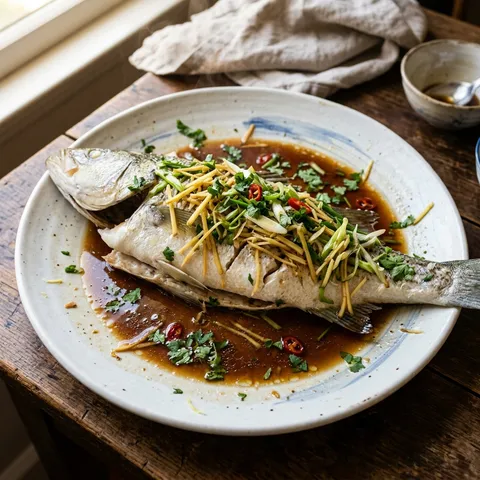 Chinese Lens Verified Images are for illustrative purposes only, may be inaccurate, and do not guarantee the presence or absence of specific ingredients.
 Steamed Fish with Soy and Ginger
A traditional banquet dish featuring delicately steamed whole fish with hot oil poured over aromatics.
 Chinese Lens Verified Images are for illustrative purposes only, may be inaccurate, and do not guarantee the presence or absence of specific ingredients.
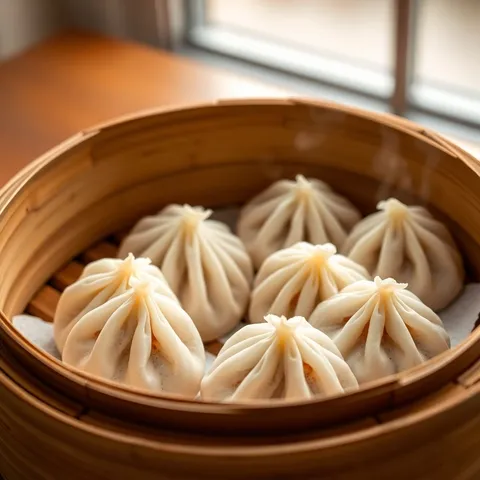
 Xiao Long Bao (Soup Dumplings)
Delicate steamed buns filled with pork and a rich, savory soup.
 Chinese Lens Verified Images are for illustrative purposes only, may be inaccurate, and do not guarantee the presence or absence of specific ingredients.
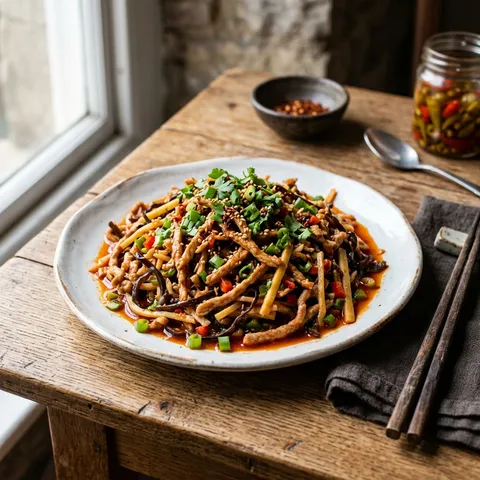
 Yuxiang Rou Si (Fish-Fragrant Pork Shreds)
A classic Sichuan dish that uses "fish-fragrant" seasoning (sweet, sour, and spicy) on pork shreds, containing no actual fish.