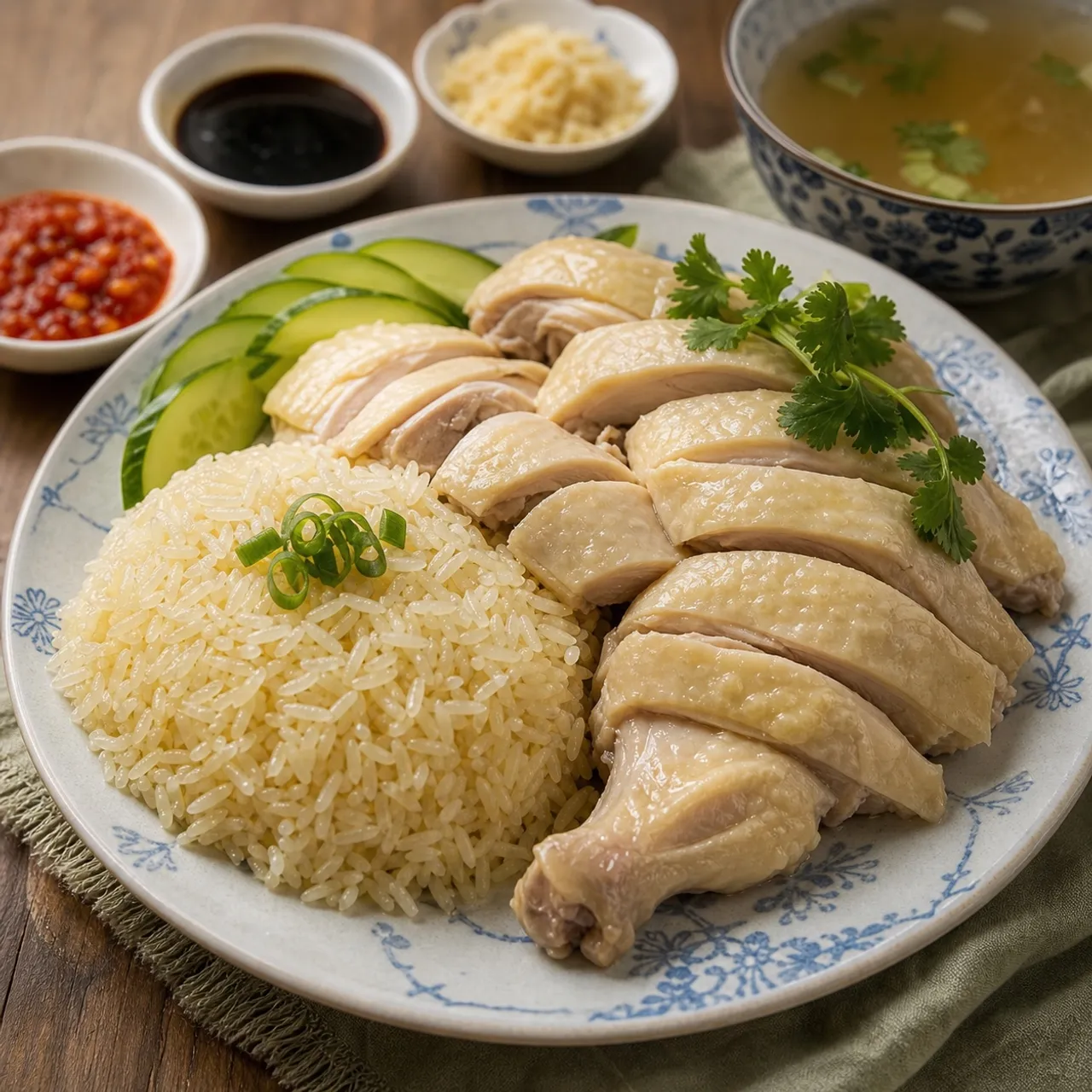
 Chinese Images are for illustrative purposes only, may be inaccurate, and do not guarantee the presence or absence of specific ingredients.
 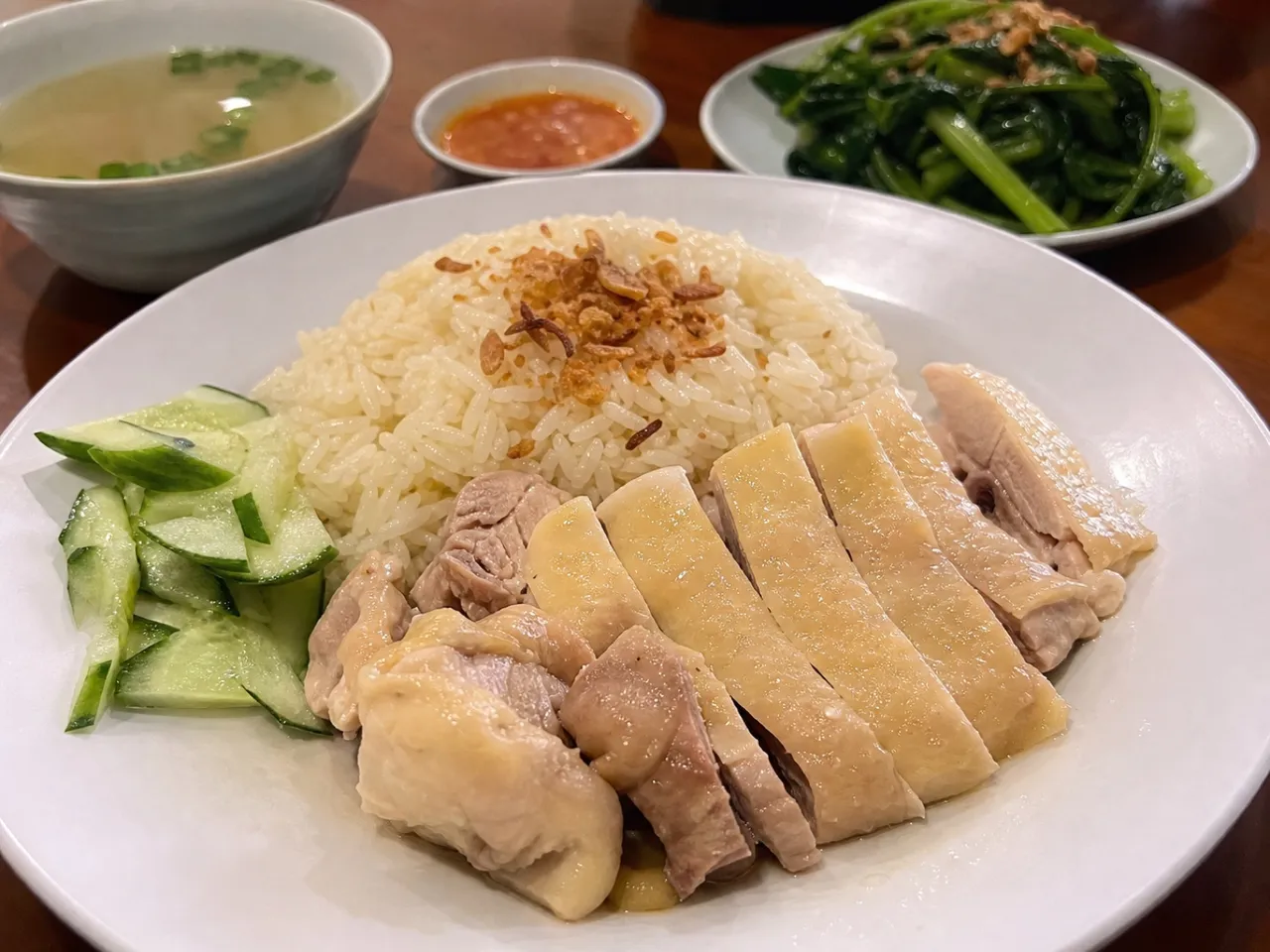 Serving Images are for illustrative purposes only, may be inaccurate, and do not guarantee the presence or absence of specific ingredients.
 Hainanese Chicken Rice
Poached chicken served with fragrant rice cooked in chicken fat and broth, accompanied by chili sauce.
Contains common allergens
In the app, Listahan checks these against your household automatically.
Instructions
6 steps- 1
Poach the Chicken: Rub the chicken inside and out with salt, then rinse. Stuff the cavity with the sliced ginger and scallion knot. Submerge the chicken in a large pot of boiling water. Once it returns to a boil, turn the heat to the absolute lowest setting, cover, and poach gently for 45-50 minutes.
- 2
Ice Bath: Carefully remove the fully cooked chicken and immediately plunge it into a large bowl of ice water for 5 minutes. This stops the cooking and tightens the skin, giving it a signature bouncy texture. Rub the skin with sesame oil. Reserve the chicken broth.
- 3
Render Chicken Fat: In a wok over medium heat, fry the reserved chicken fat until it releases its oil and the solids turn crispy. Discard the solids.
- 4
Fry Aromatics and Rice: In the rendered chicken fat, sauté the minced garlic and grated ginger for 1 minute until fragrant. Add the rinsed jasmine rice and stir-fry for 2-3 minutes until the grains are lightly toasted and glossy.
- 5
Cook the Rice: Transfer the toasted rice to a rice cooker. Add 2 cups of the reserved chicken poaching broth and the knotted pandan leaves. Cook as normal.
- 6
Serve: Carve the cooled chicken into bite-sized pieces. Serve alongside the fragrant rice, a small bowl of the hot chicken broth, and dipping sauces (chili sauce, minced ginger, and dark sweet soy sauce).
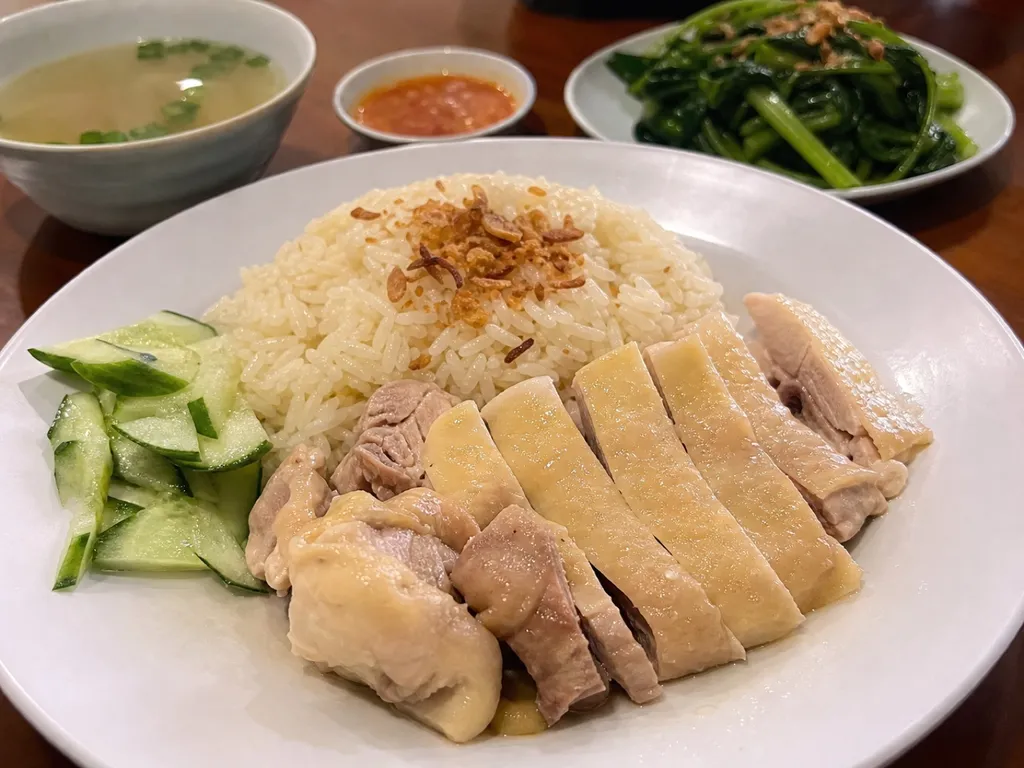 Images are for illustrative purposes only, may be inaccurate, and do not guarantee the presence or absence of specific ingredients.
 Listahan Family Score™
61/100
Works for many families
Score reflects how well this recipe fits a typical busy household. In the app, your Family Score is personalized to your household's allergens, kids, and pantry.
Nutrition
per serving385
Calories
7 g
Protein
77 g
Carbs
4 g
Fat
Estimated per serving. Actual values depend on the brands and portions you use.
Listahan cooking guide
Chef notes & practical guide
Technique notes, ingredient swaps, serve-alongside ideas, storage guidance, and equipment for this recipe.
Cultural context
Hainanese Chicken Rice traces directly to the Hainanese immigrants who arrived in Singapore and Malaysia in the early 20th century, adapting the simple poached chicken dishes of Wenchang, Hainan province to a new culinary environment. The defining innovation was cooking the accompanying rice in the same rich chicken fat and poaching stock, transforming an ordinary side into the aromatic, glistening centerpiece the dish is now known for. Singapore has claimed it as a national dish, and it is eaten for breakfast, lunch, and dinner across the region.
Listahan note
This version insists on the full poaching technique at a controlled sub-boil so the chicken stays silk-textured and pale throughout, and it does not shortcut the rice step, which is where the dish earns its reputation.
Technique cues
- Poach the chicken at a bare simmer, never a rolling boil; boiling tightens the proteins and produces a fibrous, dry texture instead of the silky, just-set quality that makes this dish extraordinary.
- Immediately after poaching, plunge the chicken into an ice bath for 5 minutes; the rapid temperature change tightens the skin to a gelatinous, firm texture and stops the carry-over cooking at the exact right moment.
- Toast the raw rice in rendered chicken fat or neutral oil for two minutes before adding the poaching stock to cook it; this step coats each grain and results in separate, aromatic rice rather than a sticky mass.
Kitchen flow
- Parallel prep
- While the chicken poaches, prepare all three dipping sauces (ginger-scallion, chili, dark soy) so they are ready to plate the moment the chicken comes out of the ice bath.
- Make-ahead
- The chicken can be poached a day ahead, refrigerated in a little stock to stay moist, and sliced cold; cold Hainanese chicken is actually a traditional serving style.
- Leftover move
- Shred leftover chicken and simmer in the remaining stock with thin rice noodles for a simple soup the next day.
- Cleanup rhythm
- Strain and refrigerate the poaching stock immediately after the chicken comes out; it makes an outstanding base for soups all week and it would be a waste to pour it out.
Ingredient brief
Role, handling, and swap guidance for each key ingredient.
whole chicken
main protein and stock base
Purpose: Poaching a whole bird at once produces a flavorful stock that does double duty as the cooking liquid for the rice, making every component taste cohesive.
Handling: Rub the cavity with salt and stuff with ginger and scallion before lowering into the water.
Adaptation: Bone-in, skin-on chicken leg quarters work for smaller batches and cook in about half the time.
jasmine rice
aromatic side
Purpose: Cooked in chicken stock and fat, jasmine rice absorbs the poaching liquid flavor and becomes the heart of the dish rather than a supporting starch.
Handling: Rinse until the water runs clear, then toast briefly in chicken fat before adding the stock.
Adaptation: Long-grain white rice is a fine substitute; avoid short-grain, which turns too sticky.
fresh ginger
aromatic in poaching and dipping sauce
Purpose: Ginger in the poaching liquid perfumes both the chicken and the stock; grated fresh ginger in the dipping sauce adds a sharp, clean heat.
Handling: Use thick slices in the poaching water; grate finely for the ginger-scallion sauce.
Adaptation: No close substitute for fresh ginger; dried or powdered ginger does not produce the same clean aroma.
chicken fat (schmaltz)
rice cooking medium
Purpose: Rendered chicken fat coats the raw rice grains before cooking, giving the finished rice a savory richness and gloss that neutral oil cannot replicate.
Handling: Skim from the surface of the cooled poaching stock or render from skin scraps before starting the rice.
Adaptation: Neutral oil works as a practical substitute but results in a less rich, less glossy rice.
sesame oil
finishing brush
Purpose: Brushing the sliced chicken lightly with sesame oil adds sheen and a nutty aroma that signals freshness at the moment of plating.
Handling: Use sparingly; a little goes a long way and too much overwhelms the delicate poached chicken flavor.
Adaptation: Omit entirely for a sesame-free version; the chicken is flavorful enough without it.
Technique notes
- The poaching temperature should be around 160 to 170 F; use a thermometer if unsure rather than guessing by bubble activity, since different stoves produce very different simmer points.
- Reserve and skim the poaching stock carefully before using it for the rice; excess surface fat is good for toasting the raw rice but too much makes the final rice greasy.
- Serve all three dipping sauces at once: ginger-scallion oil, fresh chili sauce, and dark soy give each person the full traditional experience and allow the table to personalize every bite.
Ingredient swaps
- Sesame-free direction
- Skip the sesame oil brush on the sliced chicken and serve without the sesame-based garnish; the dish stands completely on its own.
- Gluten-free direction
- The dish is naturally gluten-free; ensure the dark soy sauce component of the dipping sauce is a gluten-free tamari-style product.
- Weeknight shortcut
- Use a rotisserie chicken for the protein and make the rice with store-bought low-sodium chicken stock; the rice step alone takes only 20 minutes and is where most of the signature flavor lives.
Serve alongside
- blanched bean sprouts with sesame oil
- sliced cucumber with light soy
- clear chicken broth with tofu
- chilled barley water
- hot chrysanthemum tea
Serving suggestions only — check pairings for your household's allergens.
Storage & reheating
- Store the chicken and rice separately in the refrigerator for up to 3 days; keeping them together allows the rice to absorb too much moisture and turn mushy.
- Reheat the rice in a steamer or microwave with a splash of water; the chicken is best enjoyed at room temperature or cold in the traditional style.
Equipment
- large stockpot deep enough to fully submerge the chicken
- instant-read thermometer for monitoring poaching temperature
- large bowl of ice water for the post-poach bath
Make this household-aware
Listahan Pro checks this recipe against your household's allergens, finds pantry-aware swaps, builds the shopping list, and helps you plan the week around it.
Plan it in Listahan
Add Hainanese Chicken Rice to your week, check it against your household's allergens, and build the shopping list automatically.
More Chinese recipes
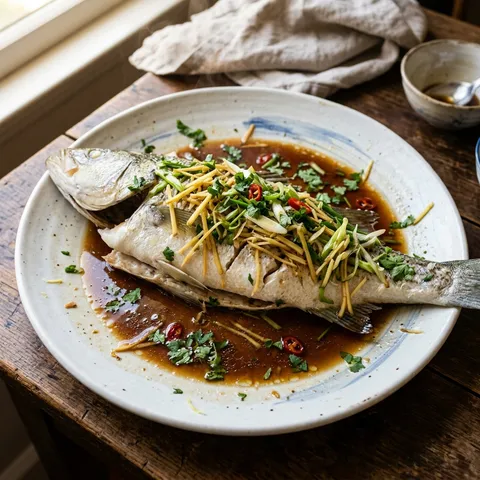 Chinese Lens Verified Images are for illustrative purposes only, may be inaccurate, and do not guarantee the presence or absence of specific ingredients.
 Steamed Fish with Soy and Ginger
A traditional banquet dish featuring delicately steamed whole fish with hot oil poured over aromatics.
 Chinese Lens Verified Images are for illustrative purposes only, may be inaccurate, and do not guarantee the presence or absence of specific ingredients.
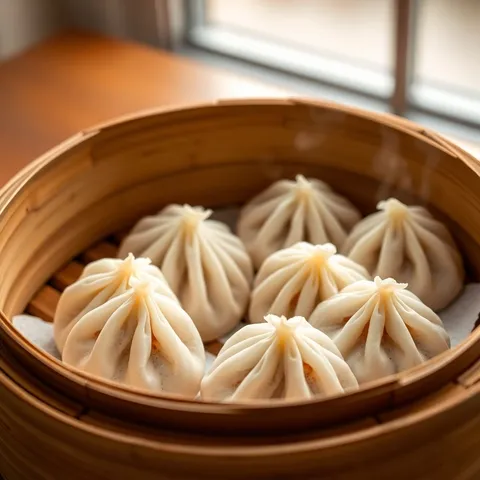
 Xiao Long Bao (Soup Dumplings)
Delicate steamed buns filled with pork and a rich, savory soup.
 Chinese Lens Verified Images are for illustrative purposes only, may be inaccurate, and do not guarantee the presence or absence of specific ingredients.
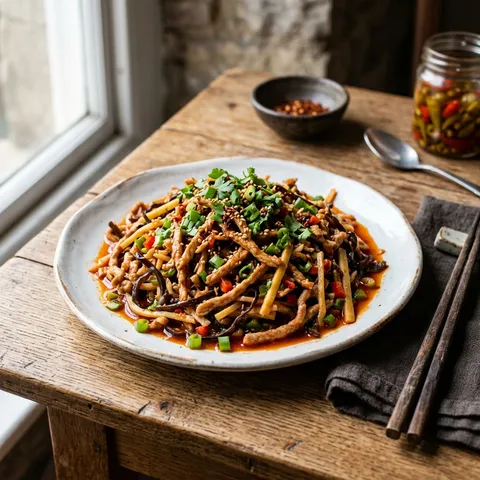
 Yuxiang Rou Si (Fish-Fragrant Pork Shreds)
A classic Sichuan dish that uses "fish-fragrant" seasoning (sweet, sour, and spicy) on pork shreds, containing no actual fish.