 Chinese Images are for illustrative purposes only, may be inaccurate, and do not guarantee the presence or absence of specific ingredients.
  Serving Images are for illustrative purposes only, may be inaccurate, and do not guarantee the presence or absence of specific ingredients.
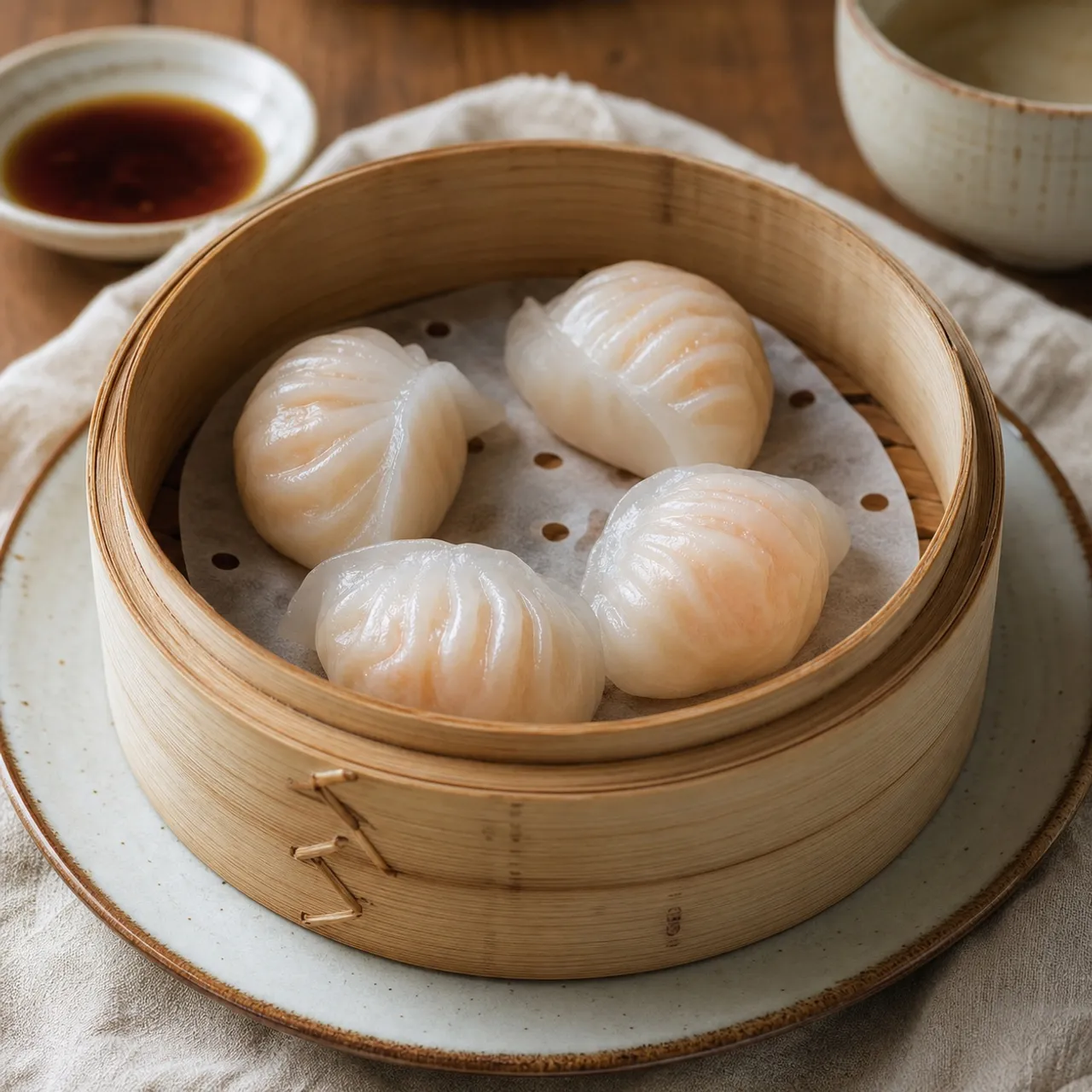
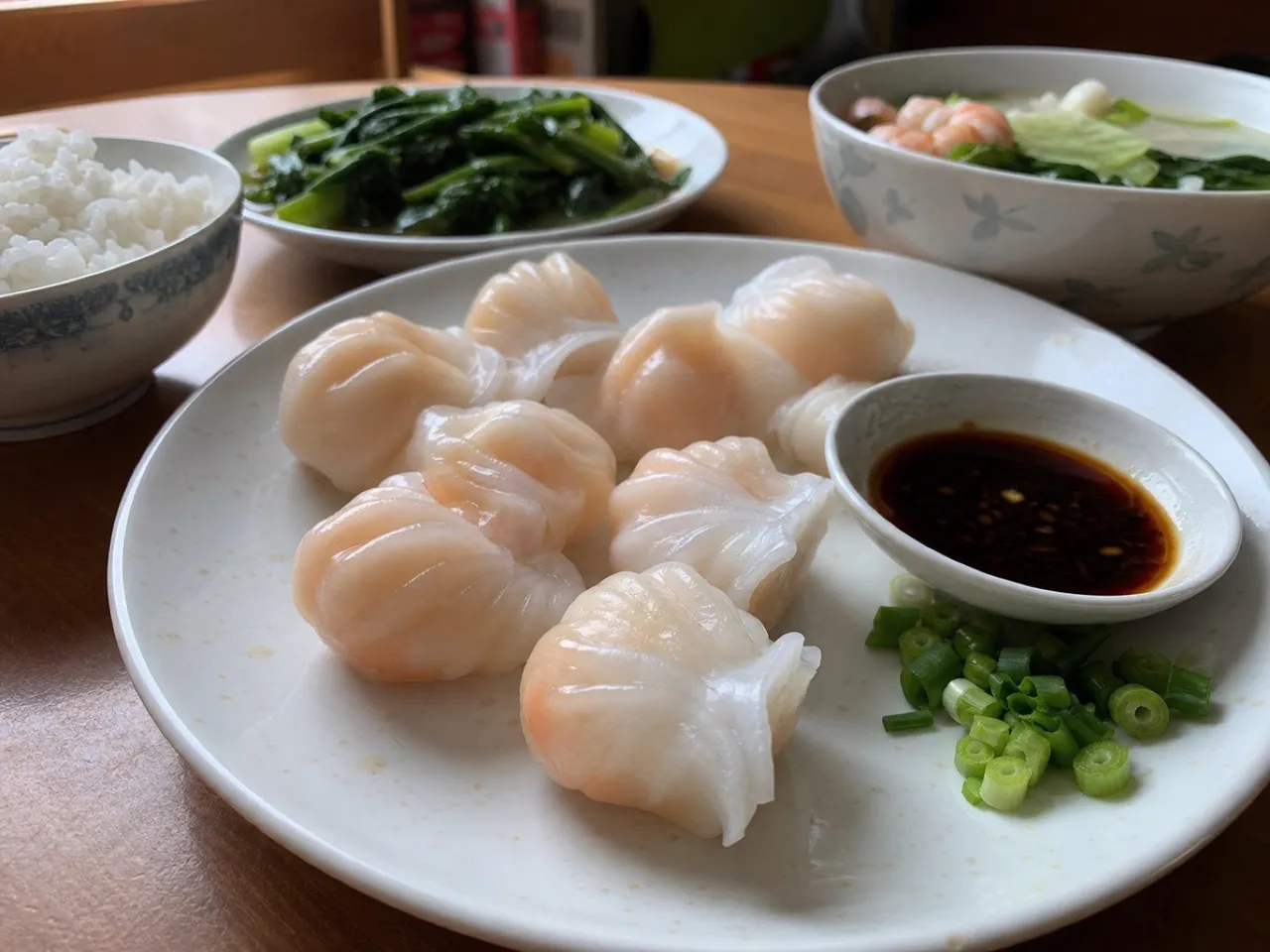
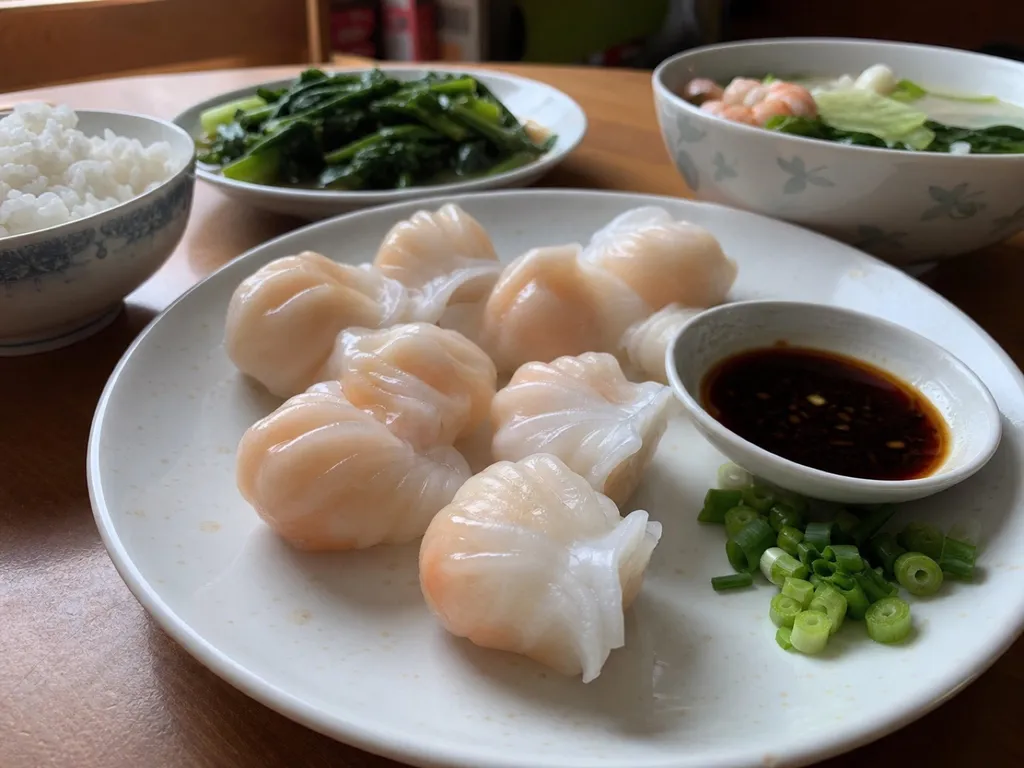
 Har Gow (Shrimp Dumplings)
Translucent, steamed dumplings filled with succulent shrimp.
Contains common allergens
In the app, Listahan checks these against your household automatically.
Instructions
6 steps- 1
Prepare the Filling: In a bowl, vigorously mix the chopped shrimp, bamboo shoots, sesame oil, sugar, white pepper, and salt. Stir in one direction until the mixture becomes sticky and forms a paste. Chill in the fridge for 30 minutes.
- 2
Make the Dough Base: In a large bowl, whisk together the wheat starch and tapioca starch. Pour in the rapidly boiling water while stirring quickly with chopsticks until a shaggy dough forms.
- 3
Knead the Dough: Once cool enough to handle, knead the dough on a lightly oiled surface for 3-5 minutes until smooth, pliable, and white. Cover with a damp cloth to prevent drying out.
- 4
Shape the Wrappers: Pinch off a small piece of dough (about 15g) and roll it into a ball. Using an oiled cleaver or rolling pin, flatten it into a 3-inch circle, making the edges slightly thinner than the center.
- 5
Fill and Fold: Place 1 tsp of the shrimp filling in the center of the wrapper. Fold the wrapper in half, pleating the top edge 5-7 times while sealing it against the flat back edge to form a crescent shape.
- 6
Steam: Line a bamboo steamer with parchment paper or cabbage leaves. Arrange the dumplings 1 inch apart. Steam over rapidly boiling water for 6-8 minutes until the wrappers turn beautifully translucent and the shrimp is pink.
 Images are for illustrative purposes only, may be inaccurate, and do not guarantee the presence or absence of specific ingredients.
 Listahan Family Score™
58/100
Works for many families
Score reflects how well this recipe fits a typical busy household. In the app, your Family Score is personalized to your household's allergens, kids, and pantry.
Nutrition
per serving980
Calories
74 g
Protein
150 g
Carbs
9 g
Fat
Estimated per serving. Actual values depend on the brands and portions you use.
Listahan cooking guide
Chef notes & practical guide
Technique notes, ingredient swaps, serve-alongside ideas, storage guidance, and equipment for this recipe.
Cultural context
Har gow is a Cantonese dim sum staple that originated in Guangdong province and became a symbol of a tea house's skill -- the saying goes that a dim sum chef's competence is judged by the quality of their har gow. The wrapper is made from a blend of wheat starch and tapioca starch that becomes translucent when steamed, making the pink shrimp filling visible through the skin. Traditional standards call for exactly seven pleats per dumpling, a benchmark that dim sum chefs spend years mastering.
Listahan note
This version prioritizes the wrapper translucency and snap by using the correct starch ratio, and chills the shrimp filling thoroughly so it stays cohesive and easy to pleat.
Technique cues
- The wheat starch dough must be worked with boiling water and kneaded while still hot, then covered immediately -- if it cools and dries before shaping, the wrappers crack when pleated.
- Chill the shrimp filling for at least 30 minutes before wrapping; cold filling firms the shrimp slightly and makes it much easier to control the amount per dumpling and get clean pleats.
- Steam on a lightly oiled parchment-lined bamboo tray at full boil with the lid on -- any drop in steam pressure causes the wrappers to stick together or lose their translucency.
Kitchen flow
- Parallel prep
- Make the shrimp filling first and refrigerate it while you prepare and rest the wrapper dough; both will be at optimal temperature when you are ready to assemble.
- Make-ahead
- Assembled uncooked dumplings can be refrigerated on a lightly oiled tray covered with plastic wrap for up to 4 hours before steaming; do not hold longer or the wrapper softens.
- Leftover move
- Pan-fry leftover steamed dumplings in a lightly oiled skillet over medium heat until the bottom is golden and crisp for a gyoza-style second use.
- Cleanup rhythm
- Lightly oil the bamboo steamer liner before each batch and soak the bamboo tray in cold water after use rather than scrubbing, which preserves the weave.
Ingredient brief
Role, handling, and swap guidance for each key ingredient.
shrimp
primary filling
Purpose: Fresh or thawed shrimp provides the sweet brininess and firm bite that define har gow -- the filling is intentionally simple to let the shrimp flavor shine.
Handling: Peel, devein, and divide into two portions: mince two-thirds very fine, chop the other third into small pieces for texture contrast.
Adaptation: No true protein substitute maintains the classic flavor; for a variation, add a small amount of water chestnut for crunch.
water chestnuts
textural counterpoint
Purpose: Fresh or canned water chestnuts add crisp pops of crunch that keep the otherwise dense shrimp filling lively.
Handling: Drain canned chestnuts thoroughly and chop finely; dry on paper towels so excess moisture does not loosen the filling.
Adaptation: Jicama chopped fine is an excellent substitute; blanched bamboo shoots also work.
wheat starch
translucent wrapper base
Purpose: Wheat starch (not wheat flour) has the gluten removed, which is what allows the steamed wrapper to become clear and silky rather than opaque and chewy.
Handling: Combine with tapioca starch before adding boiling water; the ratio is typically 3:1 wheat starch to tapioca starch.
Adaptation: There is no substitute for wheat starch if you want true har gow wrappers; rice paper is edible but gives a completely different texture and appearance.
tapioca starch
elasticity agent
Purpose: A portion of tapioca starch gives the wrapper the slight stretch and chew that prevents tearing during pleating.
Handling: Mix thoroughly with wheat starch before any liquid is added to ensure even distribution.
Adaptation: Potato starch can replace tapioca starch in a pinch at the same ratio but produces a slightly stickier dough.
sesame oil
flavor finishing agent
Purpose: A few drops stirred into the filling add the nutty, toasty aroma that marks authentic Cantonese dim sum seasoning.
Handling: Add last after mixing, as sesame oil is a finishing oil and not a cooking medium.
Adaptation: Toasted sesame seeds offer a similar flavor with a different texture; no oil substitution matches the specific aroma.
Technique notes
- Work with one portion of dough at a time and keep the rest wrapped -- the starch dough has almost no gluten and dries out in minutes, making wrappers crack along pleat lines.
- A tortilla press lined with plastic wrap is the easiest way to get uniform thin rounds at home; rolling by hand requires more practice to achieve even thickness.
- If your wrappers stick to the steamer even on parchment, brush the parchment with a neutral oil rather than switching papers -- the heat of the steam causes sticking on dry surfaces.
Ingredient swaps
- Gluten-free direction
- Wheat starch itself contains no gluten protein (it is a byproduct of gluten extraction) so these wrappers are suitable for most wheat-free diets; confirm your specific brand is certified if celiac sensitivity is a concern.
- Lower-prep direction
- Use store-bought round dumpling wrappers (not wonton wrappers); the result will be opaque rather than translucent but the flavor of the filling still shines.
Serve alongside
- siu mai (pork dumplings)
- turnip cake (lo bak go)
- Chinese broccoli with oyster sauce
- pu-erh tea
- jasmine tea
Serving suggestions only — check pairings for your household's allergens.
Storage & reheating
- Cooked dumplings keep refrigerated for up to 2 days but the wrapper firms significantly; reheat by re-steaming for 3 minutes rather than microwaving, which makes the skin gummy. Uncooked assembled dumplings can be frozen on a tray then transferred to a bag; steam from frozen, adding 3 minutes to the usual cook time.
- Do not store cooked dumplings uncovered -- they will stick to each other and tear when separated.
Equipment
- bamboo steamer basket and wok
- small rolling pin or tortilla press
- bench scraper for portioning dough
- parchment paper cut to fit steamer
Make this household-aware
Listahan Pro checks this recipe against your household's allergens, finds pantry-aware swaps, builds the shopping list, and helps you plan the week around it.
Plan it in Listahan
Add Har Gow (Shrimp Dumplings) to your week, check it against your household's allergens, and build the shopping list automatically.
More Chinese recipes
 Chinese Lens Verified Images are for illustrative purposes only, may be inaccurate, and do not guarantee the presence or absence of specific ingredients.
 Steamed Fish with Soy and Ginger
A traditional banquet dish featuring delicately steamed whole fish with hot oil poured over aromatics.
 Chinese Lens Verified Images are for illustrative purposes only, may be inaccurate, and do not guarantee the presence or absence of specific ingredients.
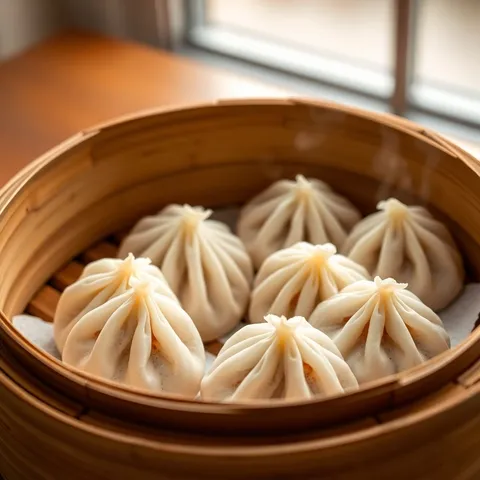
 Xiao Long Bao (Soup Dumplings)
Delicate steamed buns filled with pork and a rich, savory soup.
 Chinese Lens Verified Images are for illustrative purposes only, may be inaccurate, and do not guarantee the presence or absence of specific ingredients.
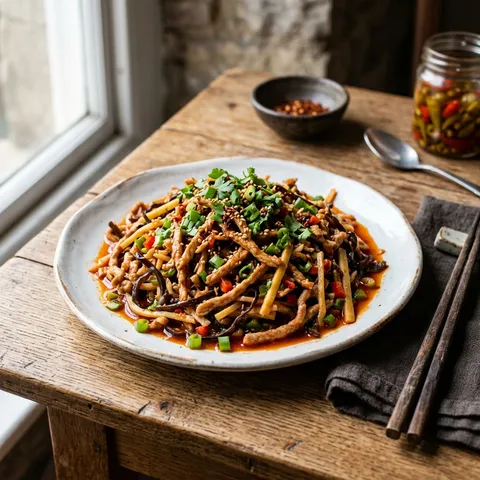
 Yuxiang Rou Si (Fish-Fragrant Pork Shreds)
A classic Sichuan dish that uses "fish-fragrant" seasoning (sweet, sour, and spicy) on pork shreds, containing no actual fish.