 Chinese Images are for illustrative purposes only, may be inaccurate, and do not guarantee the presence or absence of specific ingredients.
  Serving Images are for illustrative purposes only, may be inaccurate, and do not guarantee the presence or absence of specific ingredients.
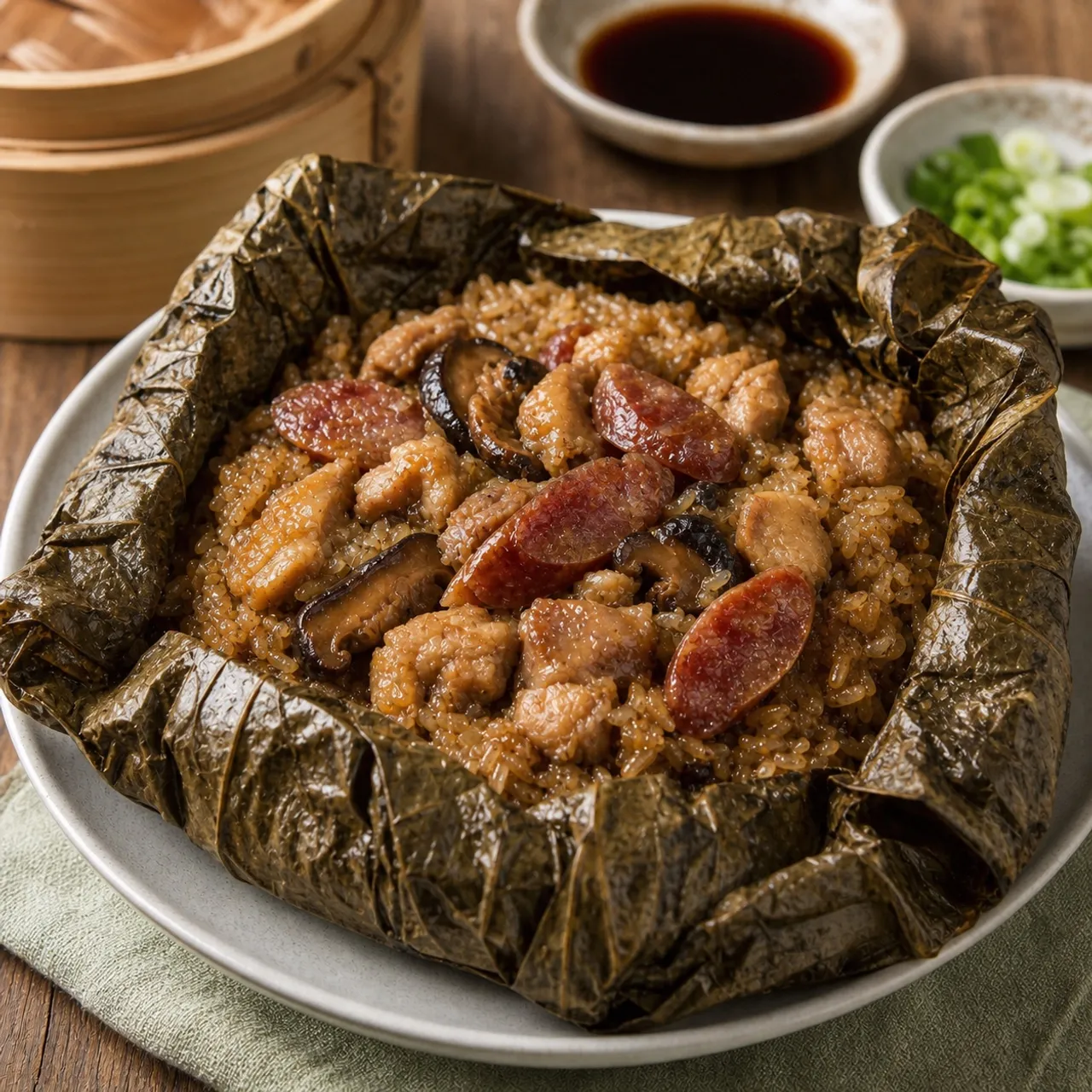
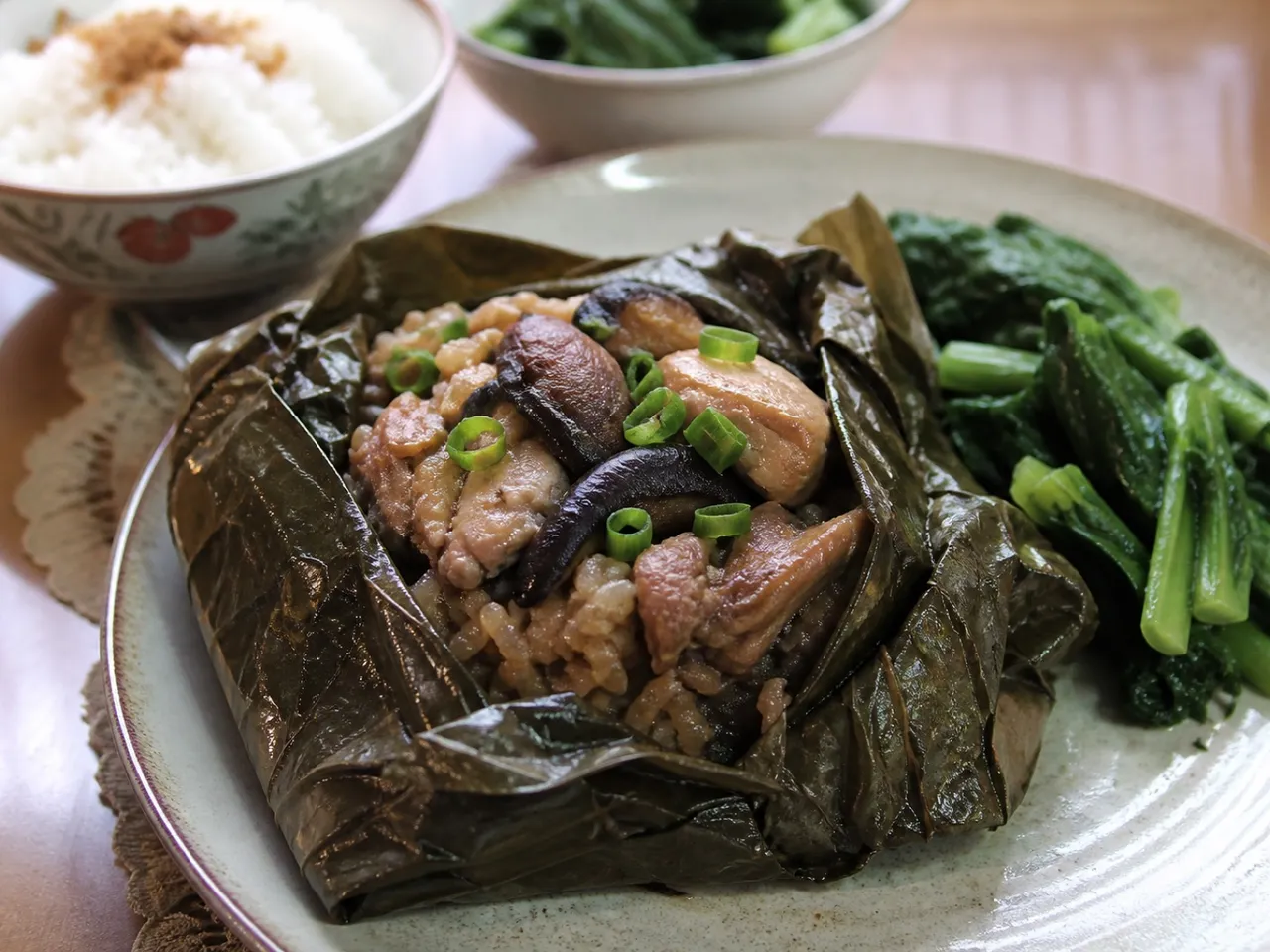
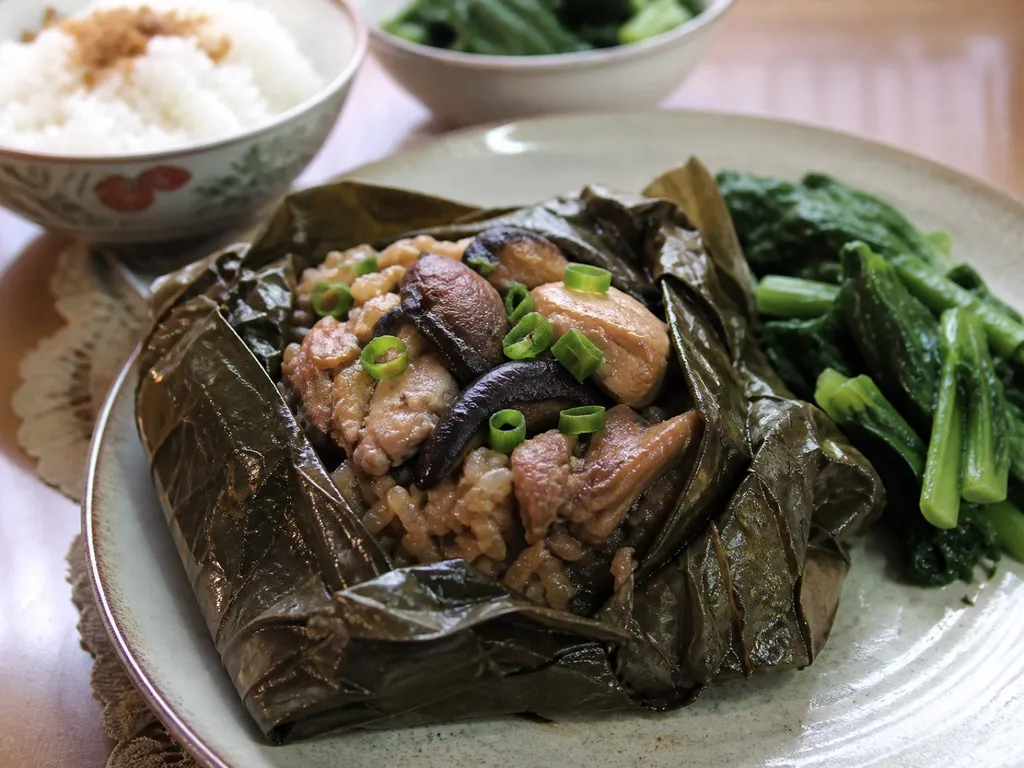
 Lo Mai Gai (Sticky Rice in Lotus Leaf)
Glutinous rice filled with chicken, mushrooms, and sausage, wrapped and steamed in a lotus leaf.
Contains common allergens
In the app, Listahan checks these against your household automatically.
Instructions
6 steps- 1
Pre-Cook the Rice: Steam the soaked, drained glutinous rice in a bamboo steamer lined with parchment paper for 20 minutes until it is half-cooked and sticky.
- 2
Marinate the Chicken: Toss the diced chicken with 1 tbsp of oyster sauce, a pinch of salt, and a splash of Shaoxing wine. Let sit for 10 minutes.
- 3
Stir-Fry the Filling: Heat a wok over medium heat with 1 tbsp oil. Stir-fry the chicken, Chinese sausage, and mushrooms for 3-4 minutes until fragrant and the chicken is lightly browned. Add the remaining oyster sauce, dark soy sauce, sugar, and sesame oil. Stir to coat, then remove from heat.
- 4
Assemble the Leaves: Cut the tough stem off each soaked lotus leaf and cut the leaves in half. Lay a leaf half flat. Place a scoop (about 1/2 cup) of the half-cooked sticky rice in the center. Flatten it slightly.
- 5
Add Filling and Wrap: Spoon a generous amount of the meat filling over the rice. Top with another smaller scoop of rice to cover the filling. Fold the sides of the lotus leaf over the rice, then fold the top and bottom tightly to create a neat rectangular packet.
- 6
Steam: Place the wrapped packets back into the bamboo steamer. Steam over high heat for 30-40 minutes until the rice is fully tender and infused with the earthy aroma of the lotus leaf. Serve hot.
 Images are for illustrative purposes only, may be inaccurate, and do not guarantee the presence or absence of specific ingredients.
 Listahan Family Score™
60/100
Works for many families
Score reflects how well this recipe fits a typical busy household. In the app, your Family Score is personalized to your household's allergens, kids, and pantry.
Nutrition
per serving2360
Calories
112 g
Protein
308 g
Carbs
70 g
Fat
Estimated per serving. Actual values depend on the brands and portions you use.
Listahan cooking guide
Chef notes & practical guide
Technique notes, ingredient swaps, serve-alongside ideas, storage guidance, and equipment for this recipe.
Cultural context
Lo mai gai (glutinous rice chicken) is a classic Cantonese dim sum parcel of seasoned sticky rice wrapped around chicken, Chinese sausage, dried shiitake mushrooms, and salted egg yolk, all bundled in a dried lotus leaf and steamed. The dish appears in dim sum teahouses across Hong Kong and Guangdong province and has been a staple of yum cha culture since at least the early 20th century. The lotus leaf does far more than hold the parcel together; it perfumes the rice with an earthy, faintly floral scent that would be impossible to replicate otherwise.
Listahan note
This version keeps the filling straightforward with chicken thigh, Chinese sausage, and mushrooms rather than adding every possible ingredient, so the lotus-leaf aroma comes through clearly and is not buried.
Technique cues
- Soak the glutinous rice until every grain is completely opaque and white throughout before cooking; a grain that is still translucent at the core will stay hard in the final parcel even after steaming.
- Par-cook the sticky rice just until it can be pressed into a ball that barely holds together; fully cooked rice in the parcel will over-steam and become gluey, while under-cooked rice needs the full steaming time to hydrate.
- Overlap two lotus leaf halves for each parcel with their natural convex sides facing out; this creates a double seal that prevents the filling from leaking and gives the parcel structural integrity during steaming.
Kitchen flow
- Parallel prep
- Soak the lotus leaves, glutinous rice, and dried mushrooms all at the same time the evening before; by the next day all three are ready and the active assembly time is under 30 minutes.
- Make-ahead
- Assemble and refrigerate wrapped but unsteamed parcels for up to 24 hours; they steam perfectly from cold in about 30 minutes, making them an ideal make-ahead party food.
- Leftover move
- Unwrap leftover lo mai gai and pan-fry the rice parcel in a small amount of oil until the exterior is golden and crispy, transforming it into a different textured dish entirely.
- Cleanup rhythm
- Line the steamer basket with a damp cloth before placing parcels; this prevents any leaked filling from baking onto the bamboo and simplifies cleanup significantly.
Ingredient brief
Role, handling, and swap guidance for each key ingredient.
glutinous rice
main body
Purpose: Its high amylopectin content makes it sticky enough to bind the filling in a cohesive parcel that holds together when unwrapped.
Handling: Soak for 4 to 8 hours, drain, then par-cook in a steamer for 20 to 25 minutes before assembling.
Adaptation: No functional substitute; standard rice will not achieve the binding, chewy character of glutinous rice.
dried lotus leaves
wrapper and flavoring
Purpose: The lotus leaf perfumes the rice with its distinctive earthy, grassy aroma as it steams; this is the defining flavor note of the dish.
Handling: Soak in hot water for at least 30 minutes until fully pliable; wipe clean and cut in half along the central spine.
Adaptation: Large banana leaves can be used as a practical substitute though the flavor profile shifts; bamboo leaves are too small for this parcel size.
chicken thighs (boneless)
main protein
Purpose: Thigh meat stays moist through the long steaming process where breast meat would become dry and fibrous.
Handling: Cut into 1-inch pieces and marinate in soy sauce, oyster sauce, sesame oil, and cornstarch for at least 30 minutes.
Adaptation: Pork belly cut into similar pieces is a traditional alternative with a richer flavor.
Chinese sausage (lap cheong)
savory sweetness
Purpose: The sweet, fatty Cantonese sausage adds a contrasting flavor that is a signature part of lo mai gai that is hard to replicate.
Handling: Slice into thin coins; no soaking or prep beyond slicing.
Adaptation: Omit or substitute with a small amount of char siu (BBQ pork) for a less sweet but still excellent version.
dried shiitake mushrooms
umami depth
Purpose: Rehydrated shiitake mushrooms contribute concentrated savory flavor and a meaty chew that balances the sticky rice.
Handling: Soak in hot water for 30 minutes, squeeze dry, and quarter; save the soaking water to add to the rice seasoning liquid.
Adaptation: Fresh shiitake mushrooms can be used but produce less intense flavor than the dried version.
Technique notes
- Season the par-cooked rice while it is still warm so the soy sauce, oyster sauce, and sesame oil are fully absorbed rather than sitting on the surface of cold grains.
- Pack the rice firmly around the filling when wrapping; loose packing creates air pockets where the filling shifts during steaming and the parcel loses its shape.
- Steam over boiling water for 30 to 35 minutes and do not lift the lid during that time; each time the lid is raised, escaping steam drops the temperature and extends the cooking time.
Ingredient swaps
- Gluten-free direction
- Use tamari instead of soy sauce and a gluten-free oyster sauce; glutinous rice, lotus leaf, and all other ingredients are naturally gluten-free.
- Shellfish-free direction
- Replace oyster sauce with mushroom-based vegetarian stir-fry sauce for the marinade; the savory profile is nearly identical.
- Vegetarian direction
- Fill with seasoned firm tofu, extra shiitake mushrooms, bamboo shoots, and dried wood ear mushrooms; use vegetarian oyster sauce and season the rice with mushroom soaking liquid for depth.
Serve alongside
- Chinese broccoli with oyster sauce
- turnip cake (lo bak go)
- clear soup with tofu and scallion
- hot pu-erh tea
- cold chrysanthemum tea
Serving suggestions only — check pairings for your household's allergens.
Storage & reheating
- Refrigerate cooked parcels in their lotus leaves for up to 3 days; the leaves help retain moisture.
- Freeze for up to 2 months; steam from frozen for 35 to 40 minutes or until heated through.
Equipment
- large bamboo or metal steamer basket
- large bowl for soaking lotus leaves
- kitchen twine or toothpicks for securing parcels if needed
Make this household-aware
Listahan Pro checks this recipe against your household's allergens, finds pantry-aware swaps, builds the shopping list, and helps you plan the week around it.
Plan it in Listahan
Add Lo Mai Gai (Sticky Rice in Lotus Leaf) to your week, check it against your household's allergens, and build the shopping list automatically.
More Chinese recipes
 Chinese Lens Verified Images are for illustrative purposes only, may be inaccurate, and do not guarantee the presence or absence of specific ingredients.
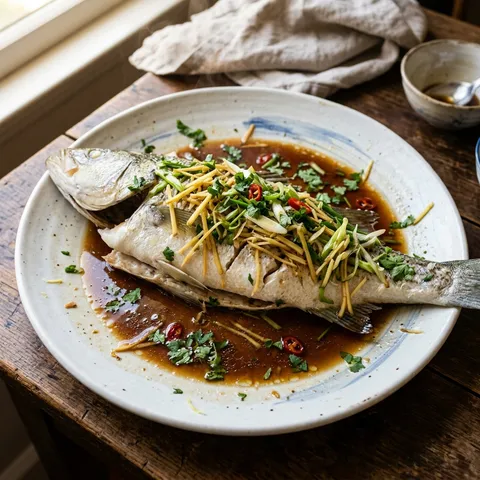
 Steamed Fish with Soy and Ginger
A traditional banquet dish featuring delicately steamed whole fish with hot oil poured over aromatics.
 Chinese Lens Verified Images are for illustrative purposes only, may be inaccurate, and do not guarantee the presence or absence of specific ingredients.
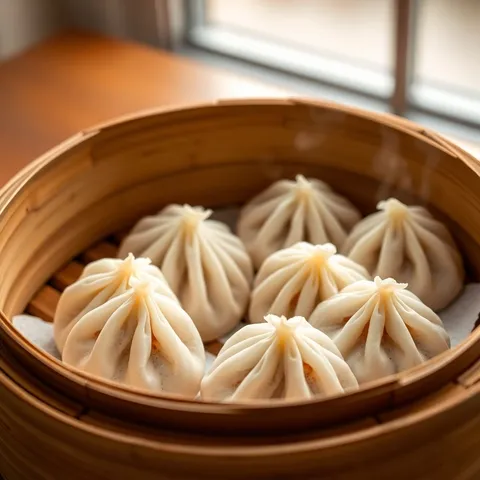
 Xiao Long Bao (Soup Dumplings)
Delicate steamed buns filled with pork and a rich, savory soup.
 Chinese Lens Verified Images are for illustrative purposes only, may be inaccurate, and do not guarantee the presence or absence of specific ingredients.
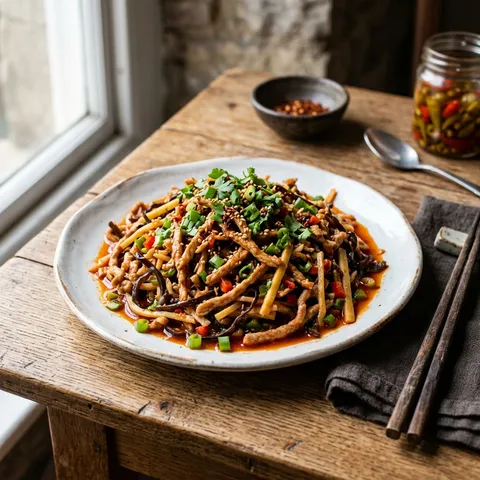
 Yuxiang Rou Si (Fish-Fragrant Pork Shreds)
A classic Sichuan dish that uses "fish-fragrant" seasoning (sweet, sour, and spicy) on pork shreds, containing no actual fish.