 Chinese Images are for illustrative purposes only, may be inaccurate, and do not guarantee the presence or absence of specific ingredients.
  Serving Images are for illustrative purposes only, may be inaccurate, and do not guarantee the presence or absence of specific ingredients.
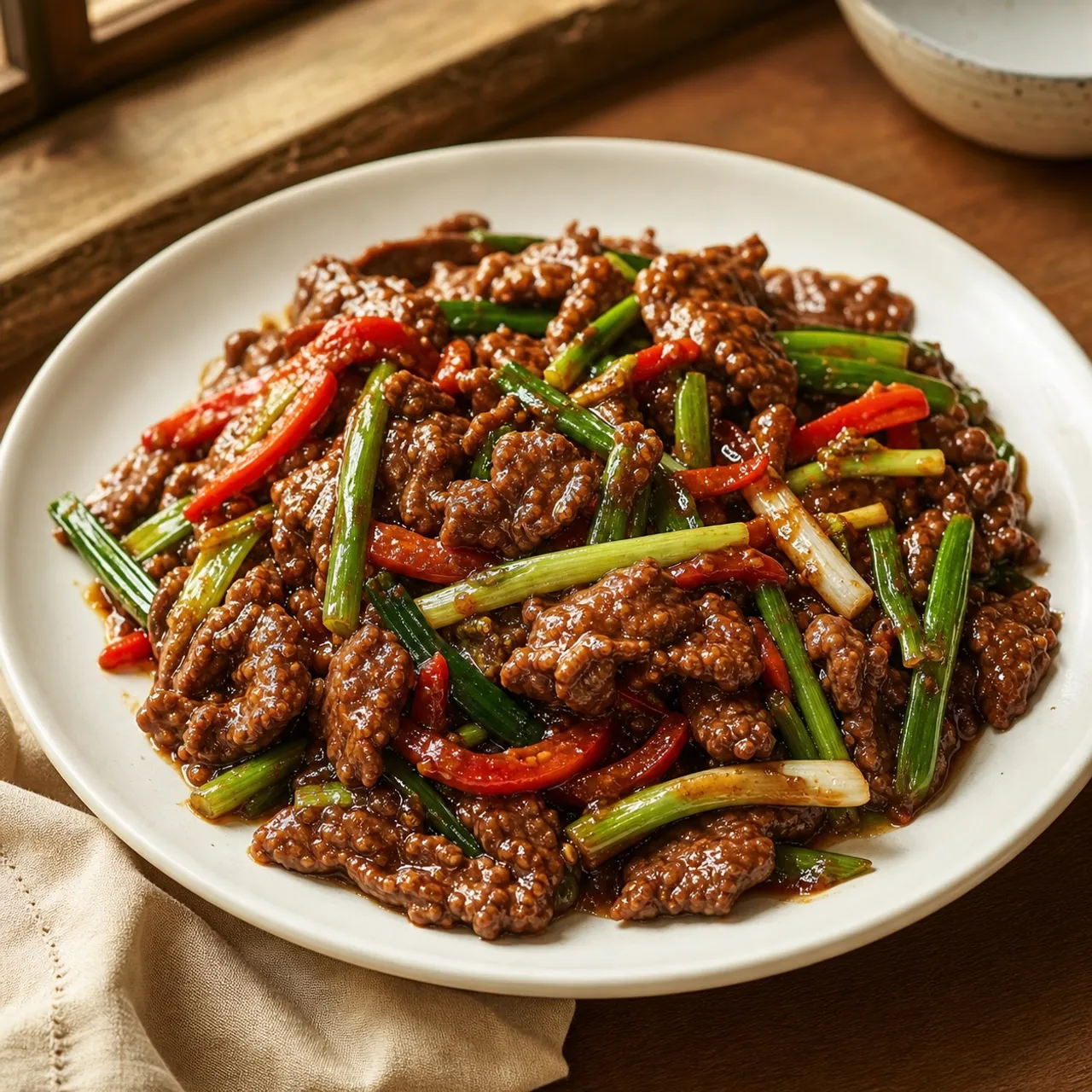
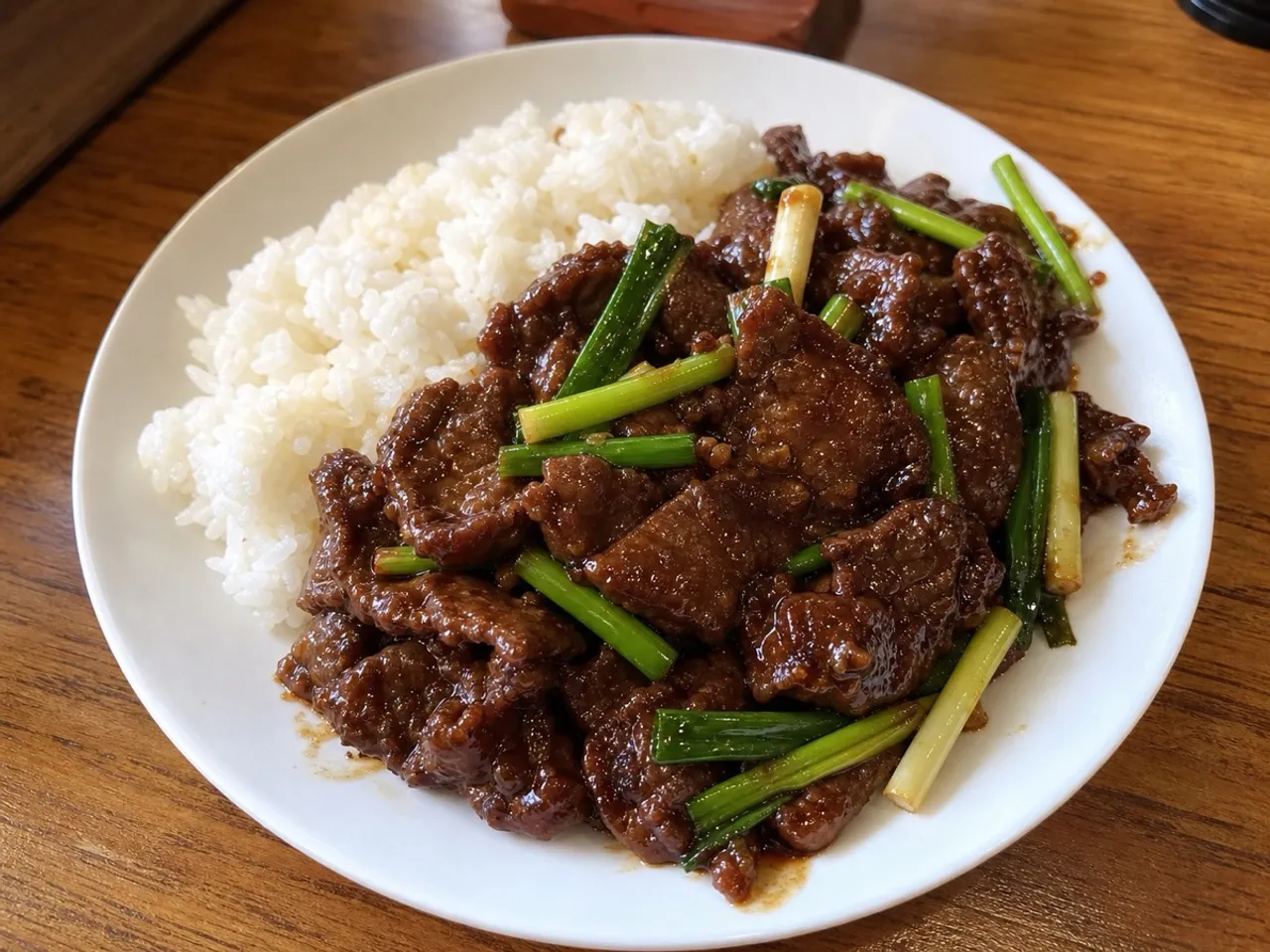
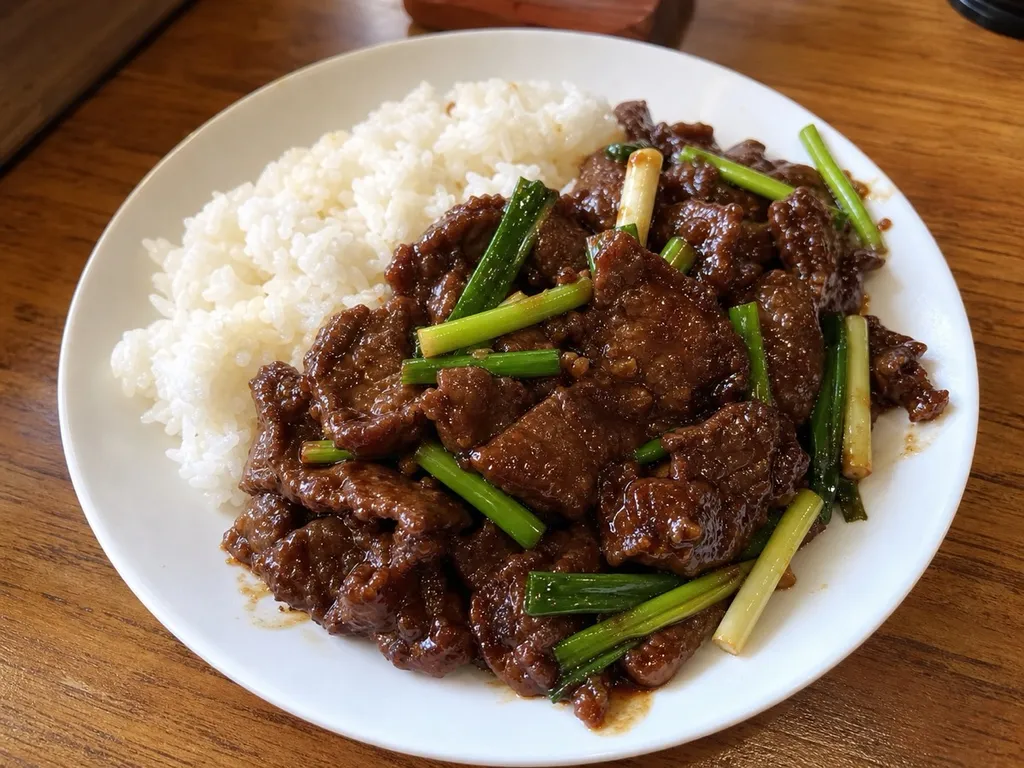
 Mongolian Beef
Crispy velveted flank steak tossed in a glossy sweet-savory soy-ginger sauce with bundles of scallions.
Contains common allergens
In the app, Listahan checks these against your household automatically.
Good to know
- Crispy
Matched from this dish's own ingredients and timing. Browse more: crispy recipes
Instructions
6 steps- 1
Toss the sliced flank steak with the cornstarch until each piece is evenly and lightly coated, then let it sit for 10 minutes so the surface dries and crisps better during frying.
- 2
While the beef rests, whisk together the soy sauce, brown sugar, and 1/3 cup water in a bowl until the sugar fully dissolves; set this sauce aside.
- 3
Heat the vegetable oil in a wok or deep skillet over medium-high until it shimmers at about 350°F, then fry the beef in two batches for 2 minutes per batch until the edges turn deep brown and crisp; transfer to a wire rack.
- 4
Pour off all but 1 tablespoon of oil, add the ginger and garlic, and stir-fry for 30 seconds until fragrant but not browned.
- 5
Pour in the reserved sauce and simmer for 2 to 3 minutes until it reduces to a syrupy glaze that coats the back of a spoon.
- 6
Return the fried beef to the wok along with the scallion batons, tossing constantly for 1 minute until everything is glossy and the scallions just soften, then serve immediately over steamed rice.
 Images are for illustrative purposes only, may be inaccurate, and do not guarantee the presence or absence of specific ingredients.
 Listahan Family Score™
62/100
Works for many families
Score reflects how well this recipe fits a typical busy household. In the app, your Family Score is personalized to your household's allergens, kids, and pantry.
Nutrition
per serving665
Calories
42 g
Protein
52 g
Carbs
33 g
Fat
Estimated per serving. Actual values depend on the brands and portions you use.
Listahan cooking guide
Chef notes & practical guide
Technique notes, ingredient swaps, serve-alongside ideas, storage guidance, and equipment for this recipe.
Cultural context
Mongolian Beef is better understood as Chinese restaurant and takeout cooking than as a dish from Mongolia. The name points to the mid-century restaurant idea of thin-sliced meat cooked quickly over high heat, while the sweet soy glaze and scallion-heavy finish are the flavors most North American cooks recognize.
Listahan note
This version leans into the restaurant-style contrast: crisp-edged flank steak, a syrupy soy-brown sugar sauce, and scallions that stay green and snappy instead of disappearing into the pan.
Technique cues
- Slice the flank steak against the grain so each strip eats tender after a very short fry.
- Let the cornstarch-coated beef sit before frying. That dry surface is what helps the edges crisp instead of turning pasty in the oil.
- Reduce the sauce before the beef goes back in. If the steak simmers too long in the glaze, the coating softens quickly.
Kitchen flow
- Parallel prep
- Start steamed rice before coating the beef; use the beef's 10-minute rest to whisk the sauce and cut the scallions.
- Make-ahead
- Slice the beef and mix the sauce earlier in the day, but dredge and fry right before serving for the best texture.
- Leftover move
- Chop leftover beef and scallions into fried rice, adding the pieces near the end so the glaze warms without scorching.
- Cleanup rhythm
- Set a wire rack over a sheet pan before frying, then wipe the wok after pouring off oil so the garlic and ginger do not catch on browned starch.
Ingredient brief
Role, handling, and swap guidance for each key ingredient.
Flank steak
Main protein
Purpose: Flank steak has a strong beef flavor and slices into thin strips that cook fast without feeling heavy.
Handling: Cut 1/4-inch slices across the grain and keep the pieces similar in size for even frying.
Adaptation: Sirloin or skirt steak can work, but skirt needs careful slicing because its grain is more pronounced.
Cornstarch
Crisp coating
Purpose: Cornstarch gives the beef a light, brittle edge that catches the glossy sauce.
Handling: Coat the beef lightly and shake off heavy clumps before it rests.
Adaptation: Potato starch gives a similar crisp finish with a slightly lighter snap.
Low-sodium soy sauce
Savory sauce base
Purpose: It supplies the salt and deep color that keep the brown sugar from tasting flat.
Handling: Whisk it with the brown sugar and water until the sugar dissolves before it hits the wok.
Adaptation: Regular soy sauce works, but the finished glaze will taste saltier and may need a little more water.
Packed dark brown sugar
Sweet glaze builder
Purpose: Dark brown sugar helps the sauce reduce into a shiny coating with a faint molasses note.
Handling: Pack it firmly when measuring so the sauce has enough body to cling to the beef.
Adaptation: Light brown sugar works for a cleaner sweetness, though the glaze will be a little less dark.
Fresh ginger, minced
Warm aromatic
Purpose: Ginger cuts through the sweetness and gives the sauce its sharp, fresh lift.
Handling: Mince it finely so it perfumes the oil quickly during the short stir-fry.
Adaptation: Grated ginger works well; ground ginger tastes drier and should be used sparingly.
Scallions
Fresh onion finish
Purpose: The batons add crunch, color, and a clean onion bite against the sticky beef.
Handling: Cut them into 2-inch pieces and add them at the end so they just soften.
Adaptation: Thin onion wedges can stand in, but they need a little more time in the wok before the beef returns.
Technique notes
- Fry in two batches even if the pan looks like it can hold more. Crowding drops the oil temperature and makes the coating soften.
- Keep the garlic and ginger moving for the full 30 seconds; browned garlic will make the sweet sauce taste bitter.
- Once the beef returns to the wok, toss quickly and serve right away. The ideal finish is glossy beef with crisp edges, not beef simmered in sauce.
Ingredient swaps
- Less-sweet sauce
- Cut the brown sugar slightly and add a splash more water; the sauce will be thinner and more soy-forward.
- Potato starch coating
- Use potato starch in place of cornstarch for a lighter, crispier shell that still takes the glaze well.
- Scallion-forward finish
- Reserve a handful of sliced scallion greens for the very end if you want a fresher onion bite on the plate.
- Vegetable add-in
- Stir-fry broccoli florets or snap peas after the aromatics, then add the reduced sauce and beef so the vegetables stay bright.
Serve alongside
- Steamed jasmine rice
- Garlic fried rice
- Stir-fried broccoli with sesame
- Cucumber salad with rice vinegar
- Jasmine iced tea
- Sparkling water with lime
- Cold lager
Serving suggestions only — check pairings for your household's allergens.
Storage & reheating
- Refrigerate leftovers with the sauce in a sealed container once the dish has cooled.
- Reheat in a skillet over medium heat with a small splash of water, tossing just until the glaze loosens and coats the beef again.
- Freeze in a flat container, thaw in the refrigerator, then reheat uncovered so extra moisture can cook off.
Equipment
- Wok or deep skillet
- Wire rack set over a sheet pan
- Tongs or spider strainer
- Sharp knife for slicing flank steak
Make this household-aware
Listahan Pro checks this recipe against your household's allergens, finds pantry-aware swaps, builds the shopping list, and helps you plan the week around it.
Plan it in Listahan
Add Mongolian Beef to your week, check it against your household's allergens, and build the shopping list automatically.
More Chinese recipes
 Chinese Lens Verified Images are for illustrative purposes only, may be inaccurate, and do not guarantee the presence or absence of specific ingredients.
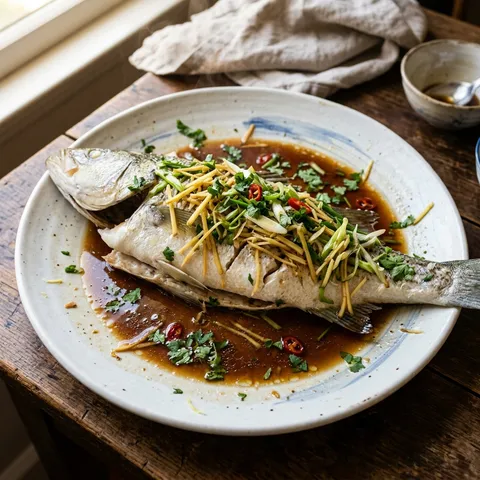
 Steamed Fish with Soy and Ginger
A traditional banquet dish featuring delicately steamed whole fish with hot oil poured over aromatics.
 Chinese Lens Verified Images are for illustrative purposes only, may be inaccurate, and do not guarantee the presence or absence of specific ingredients.
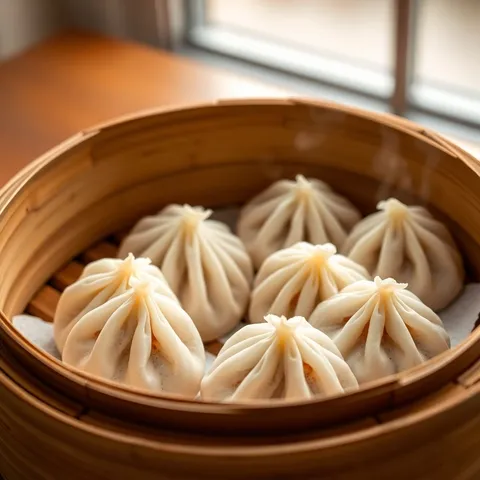
 Xiao Long Bao (Soup Dumplings)
Delicate steamed buns filled with pork and a rich, savory soup.
 Chinese Lens Verified Images are for illustrative purposes only, may be inaccurate, and do not guarantee the presence or absence of specific ingredients.
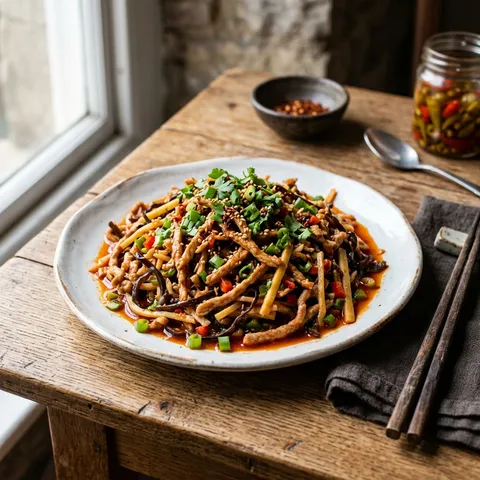
 Yuxiang Rou Si (Fish-Fragrant Pork Shreds)
A classic Sichuan dish that uses "fish-fragrant" seasoning (sweet, sour, and spicy) on pork shreds, containing no actual fish.