 Chinese Images are for illustrative purposes only, may be inaccurate, and do not guarantee the presence or absence of specific ingredients.
  Serving Images are for illustrative purposes only, may be inaccurate, and do not guarantee the presence or absence of specific ingredients.
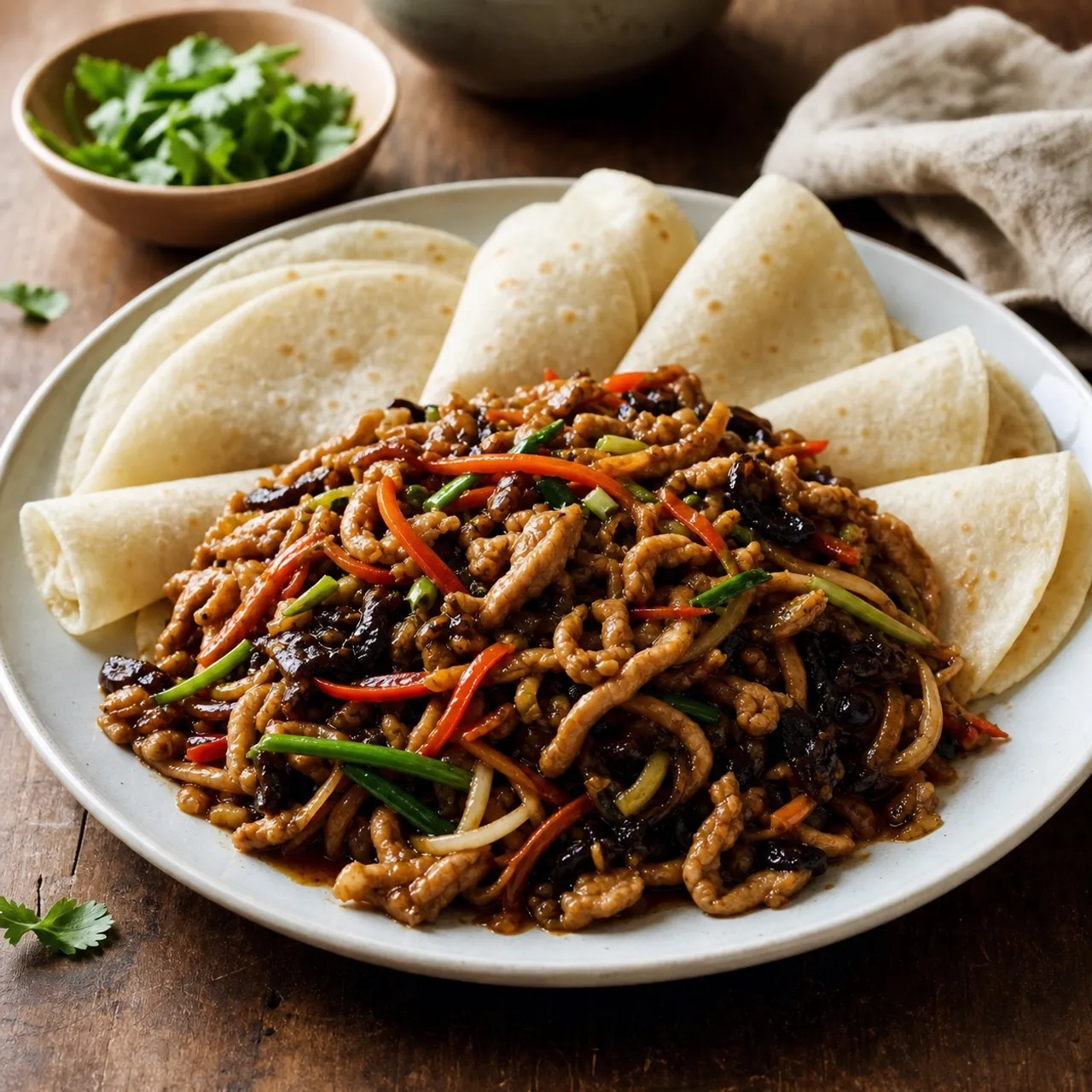
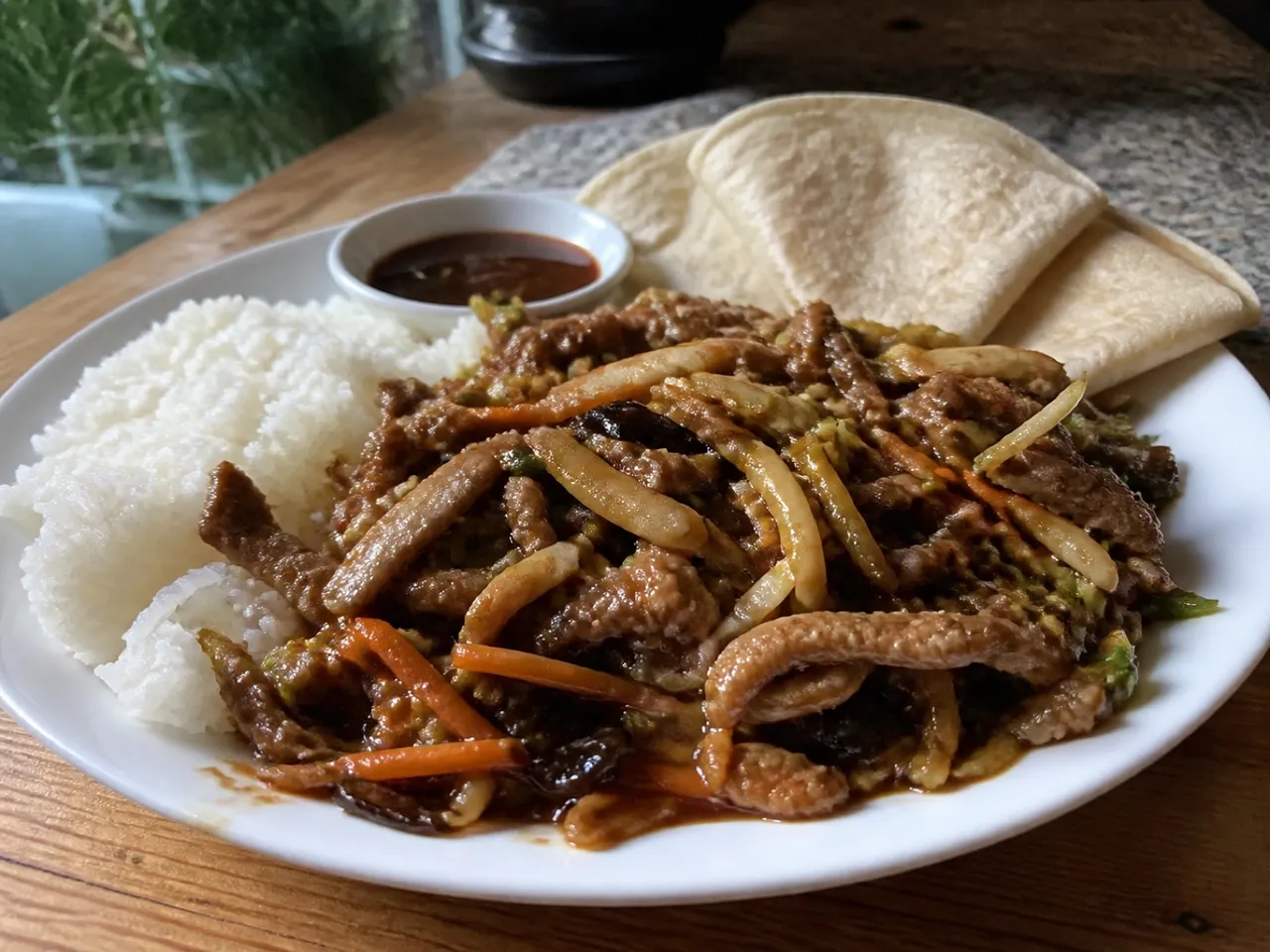
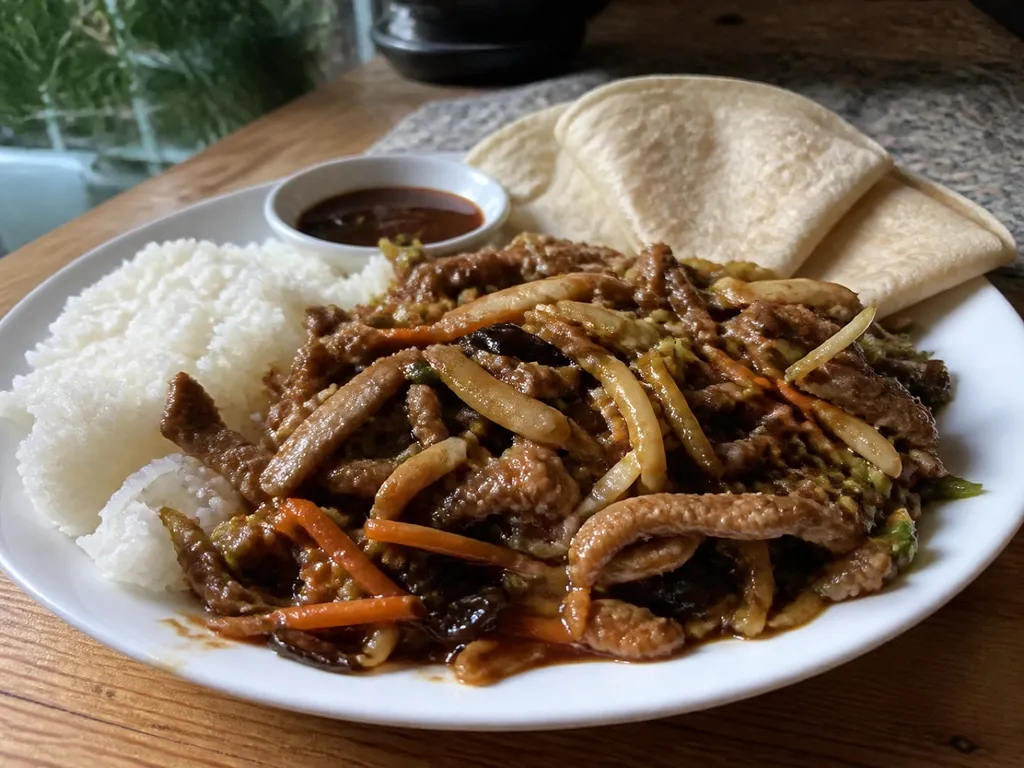
 Moo Shu Pork
A stir-fry of pork, eggs, and vegetables, traditionally served with thin pancakes and hoisin.
Contains common allergens
In the app, Listahan checks these against your household automatically.
Instructions
6 steps- 1
Marinate the Pork: Toss the pork strips with 1 tbsp soy sauce and 1 tsp cornstarch. Let sit for 15 minutes to tenderize.
- 2
Scramble the Eggs: Heat a wok over medium-high heat with 1 tbsp oil. Pour in the beaten eggs and scramble quickly until just set. Remove the eggs to a plate and break into chunks.
- 3
Stir-Fry the Pork: Wipe the wok clean, add 1 tbsp oil, and increase heat to high. Stir-fry the pork strips for 2-3 minutes until browned and cooked through. Remove and set aside with the eggs.
- 4
Cook the Vegetables: Add a little more oil to the wok if needed. Toss in the cabbage, wood ear mushrooms, and bamboo shoots. Stir-fry for 3-4 minutes until the cabbage is softened and sweet.
- 5
Combine Everything: Return the pork and eggs to the wok. Drizzle in the remaining 2 tbsp soy sauce and the sesame oil. Toss vigorously for 1 minute until evenly mixed and heated through.
- 6
Serve: Serve the hot filling alongside warm thin pancakes and a small bowl of hoisin sauce. Smear hoisin on a pancake, add the filling, and wrap like a burrito.
 Images are for illustrative purposes only, may be inaccurate, and do not guarantee the presence or absence of specific ingredients.
 Listahan Family Score™
69/100
Works for many families
Score reflects how well this recipe fits a typical busy household. In the app, your Family Score is personalized to your household's allergens, kids, and pantry.
Nutrition
per serving960
Calories
87 g
Protein
15 g
Carbs
60 g
Fat
Estimated per serving. Actual values depend on the brands and portions you use.
Listahan cooking guide
Chef notes & practical guide
Technique notes, ingredient swaps, serve-alongside ideas, storage guidance, and equipment for this recipe.
Cultural context
Moo shu pork originated in Shandong province in northern China, where the combination of scrambled eggs, wood ear mushrooms, and pork has been eaten since at least the Qing dynasty. The name is said to derive from osmanthus flowers (mu xi hua), which the yellow egg pieces are thought to resemble when tossed through the filling. The dish traveled to American-Chinese restaurants in the mid-20th century where it was adapted to include Mandarin pancakes for wrapping -- a service style borrowed from Peking Duck -- and became one of the most recognizable dishes of the American-Chinese dining era.
Listahan note
This version pre-scrambles the eggs softly and adds them back at the very end so they stay in distinct soft yellow pieces rather than coating every other ingredient and disappearing into the stir-fry.
Technique cues
- Soak dried wood ear mushrooms and lily buds in warm water for 30 minutes and drain well before cooking -- if added underdrained, the released soaking liquid will water down the sauce.
- Cook the egg separately in lightly oiled wok over medium heat until just set but still slightly loose, then set aside and add it back at the very end of the stir-fry to avoid overcooking to a rubbery texture.
- The filling should be kept relatively dry -- if the pork or vegetables release excess liquid during cooking, push them to the side and let the liquid evaporate from the center of the wok before proceeding.
Kitchen flow
- Parallel prep
- Set the mushrooms and lily buds soaking first (30 minutes), then slice pork and beat eggs so everything is ready when the soaking time is up.
- Make-ahead
- The filling can be cooked up to 2 hours ahead and held at room temperature; steam pancakes to order and assemble just before eating.
- Leftover move
- Reheat leftover filling in a hot skillet and serve over rice or in a rice bowl with a drizzle of sesame oil if pancakes are gone.
- Cleanup rhythm
- The soaking liquid from the mushrooms and lily buds can be strained and used in place of stock in the sauce; it adds depth and reduces waste.
Ingredient brief
Role, handling, and swap guidance for each key ingredient.
pork loin or tenderloin
primary protein
Purpose: Lean pork sliced thin cooks quickly without releasing excessive fat and lets the egg and mushroom elements hold their own in the dish.
Handling: Slice into thin matchsticks, marinate briefly in soy sauce and Shaoxing wine, then velvet in a light dusting of cornstarch.
Adaptation: Chicken breast or shrimp are common restaurant substitutes; tofu works for a vegetarian version.
wood ear mushrooms
textural earthy element
Purpose: Rehydrated wood ear mushrooms add a distinctive crisp-chewy texture and mild earthy flavor that is characteristic of northern Chinese cooking.
Handling: Soak 30 minutes in warm water, trim any tough base, and tear into bite-sized pieces.
Adaptation: Shiitake mushrooms sliced thin provide a different but complementary mushroom flavor; omit entirely and increase the cabbage if unavailable.
lily buds
floral aromatic texture
Purpose: Dried lily buds (golden needles) add a faint floral earthiness and a slightly stringy, interesting texture that is unique to this dish.
Handling: Soak 30 minutes, trim and discard the tough tips, and tie a loose knot in each bud if using long ones.
Adaptation: Omit if unavailable; they are not critical to the core flavor profile of the dish.
eggs
soft richness and visual element
Purpose: The scrambled egg pieces give the dish its characteristic golden appearance and add a richness that lightens the savory pork and mushroom notes.
Handling: Beat with a pinch of salt and cook gently to a loose scramble; do not fully set before removing from wok.
Adaptation: Tofu scramble with turmeric provides visual and textural approximation for an egg-free version.
hoisin sauce
wrap condiment and seasoning
Purpose: Spread on the mandarin pancake, hoisin ties the filling components together and provides the characteristic sweet-savory note that the dish is known for.
Handling: Serve at room temperature in a small bowl alongside the pancakes.
Adaptation: Sweet bean paste (tian mian jiang) is closer to the northern Chinese original and is worth seeking out.
Technique notes
- The filling should be served in a bowl at the table with the pancakes and hoisin on the side, letting each person assemble their own wraps -- this is part of the interactive appeal of the dish.
- Keep the filling slightly underseasoned before plating, as the hoisin applied to the pancake adds significant salt and sweetness that will carry into every bite.
- A drizzle of sesame oil over the assembled filling just before bringing it to the table adds aroma and gloss that the stir-fry alone does not provide.
Ingredient swaps
- Gluten-free direction
- Replace mandarin pancakes with rice paper wrappers or large lettuce leaves, and use tamari instead of soy sauce; check that hoisin is gluten-free or make a tamari-brown sugar substitute.
- Vegetarian direction
- Omit the pork and increase mushrooms and add sliced firm tofu; the egg is central to the dish identity so keep it unless an egg-free version is specifically needed.
Serve alongside
- hot and sour soup
- Chinese cucumber salad with sesame
- steamed rice for those who skip the pancakes
- jasmine tea
- cold Tsingtao beer
Serving suggestions only — check pairings for your household's allergens.
Storage & reheating
- Refrigerate the filling separately from the pancakes for up to 3 days; pancakes dry out quickly and should be stored in an airtight bag. Reheat filling in a hot pan for 2 minutes, reheat pancakes in a steamer or wrapped in a damp paper towel in the microwave.
- The filling freezes for up to 1 month; thaw overnight and reheat in a hot skillet. Mandarin pancakes also freeze well and steam directly from frozen.
Equipment
- carbon steel wok or large nonstick skillet
- bamboo steamer for warming pancakes
- small serving bowl for hoisin
- wok spatula
Make this household-aware
Listahan Pro checks this recipe against your household's allergens, finds pantry-aware swaps, builds the shopping list, and helps you plan the week around it.
Plan it in Listahan
Add Moo Shu Pork to your week, check it against your household's allergens, and build the shopping list automatically.
More Chinese recipes
 Chinese Lens Verified Images are for illustrative purposes only, may be inaccurate, and do not guarantee the presence or absence of specific ingredients.
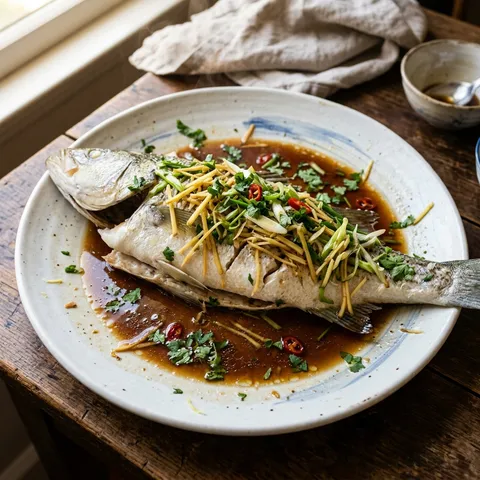
 Steamed Fish with Soy and Ginger
A traditional banquet dish featuring delicately steamed whole fish with hot oil poured over aromatics.
 Chinese Lens Verified Images are for illustrative purposes only, may be inaccurate, and do not guarantee the presence or absence of specific ingredients.
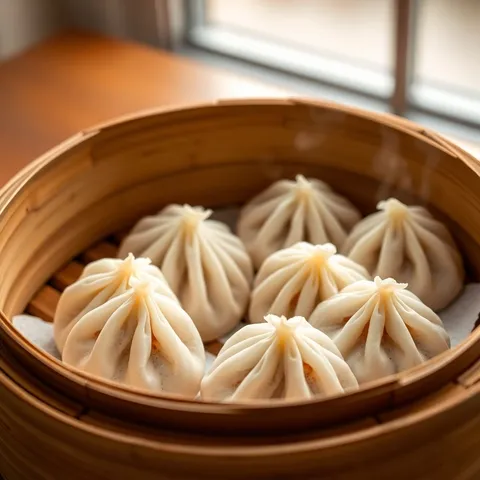
 Xiao Long Bao (Soup Dumplings)
Delicate steamed buns filled with pork and a rich, savory soup.
 Chinese Lens Verified Images are for illustrative purposes only, may be inaccurate, and do not guarantee the presence or absence of specific ingredients.
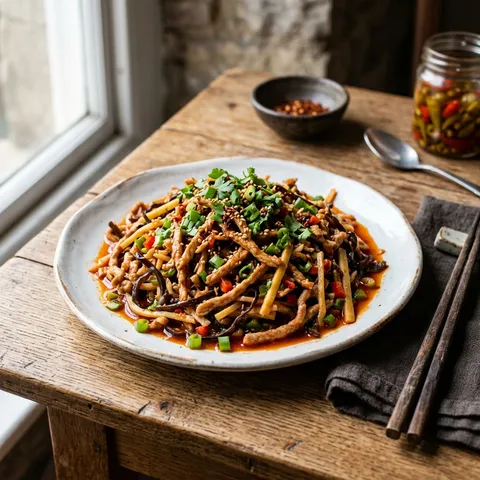
 Yuxiang Rou Si (Fish-Fragrant Pork Shreds)
A classic Sichuan dish that uses "fish-fragrant" seasoning (sweet, sour, and spicy) on pork shreds, containing no actual fish.