 Chinese Images are for illustrative purposes only, may be inaccurate, and do not guarantee the presence or absence of specific ingredients.
  Serving Images are for illustrative purposes only, may be inaccurate, and do not guarantee the presence or absence of specific ingredients.
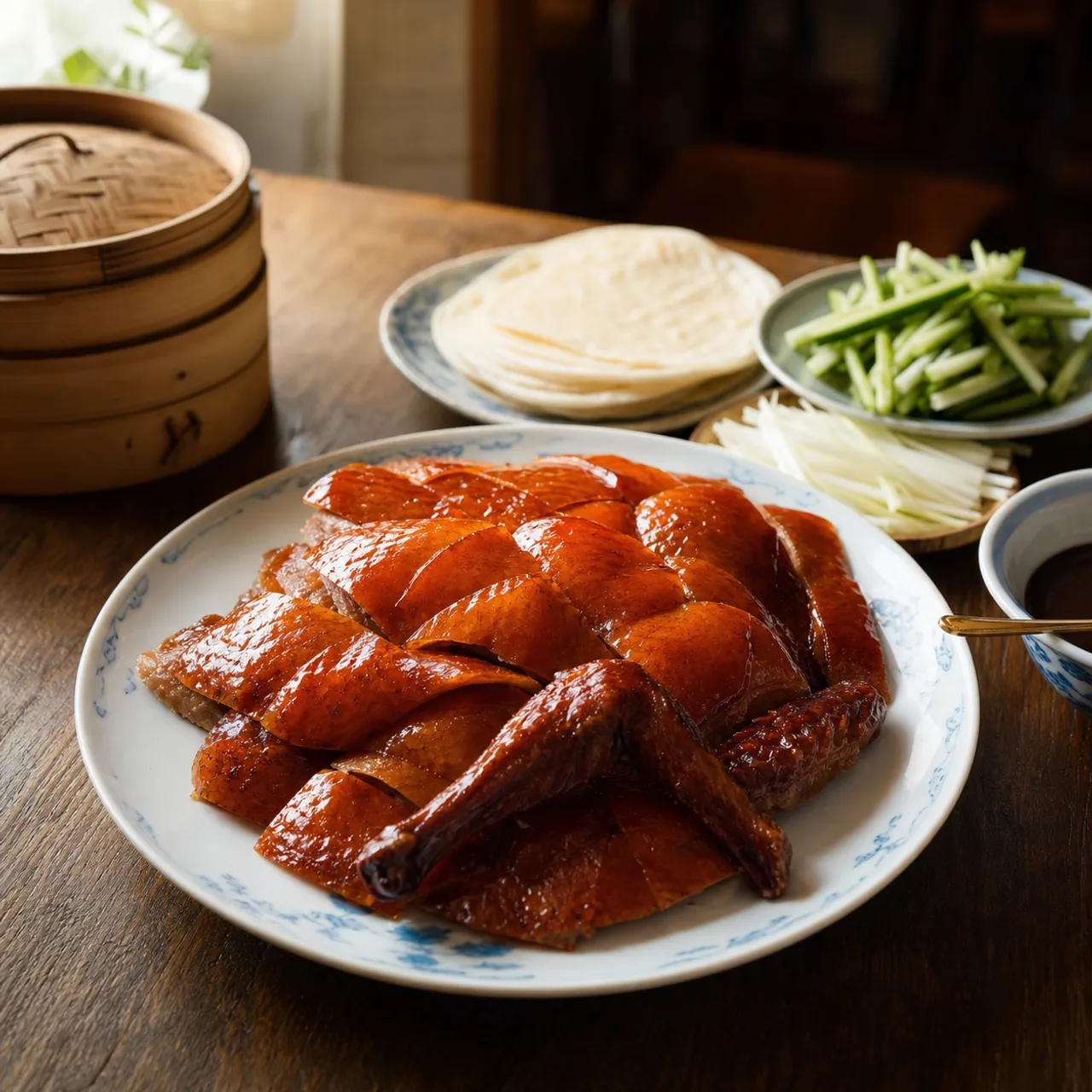
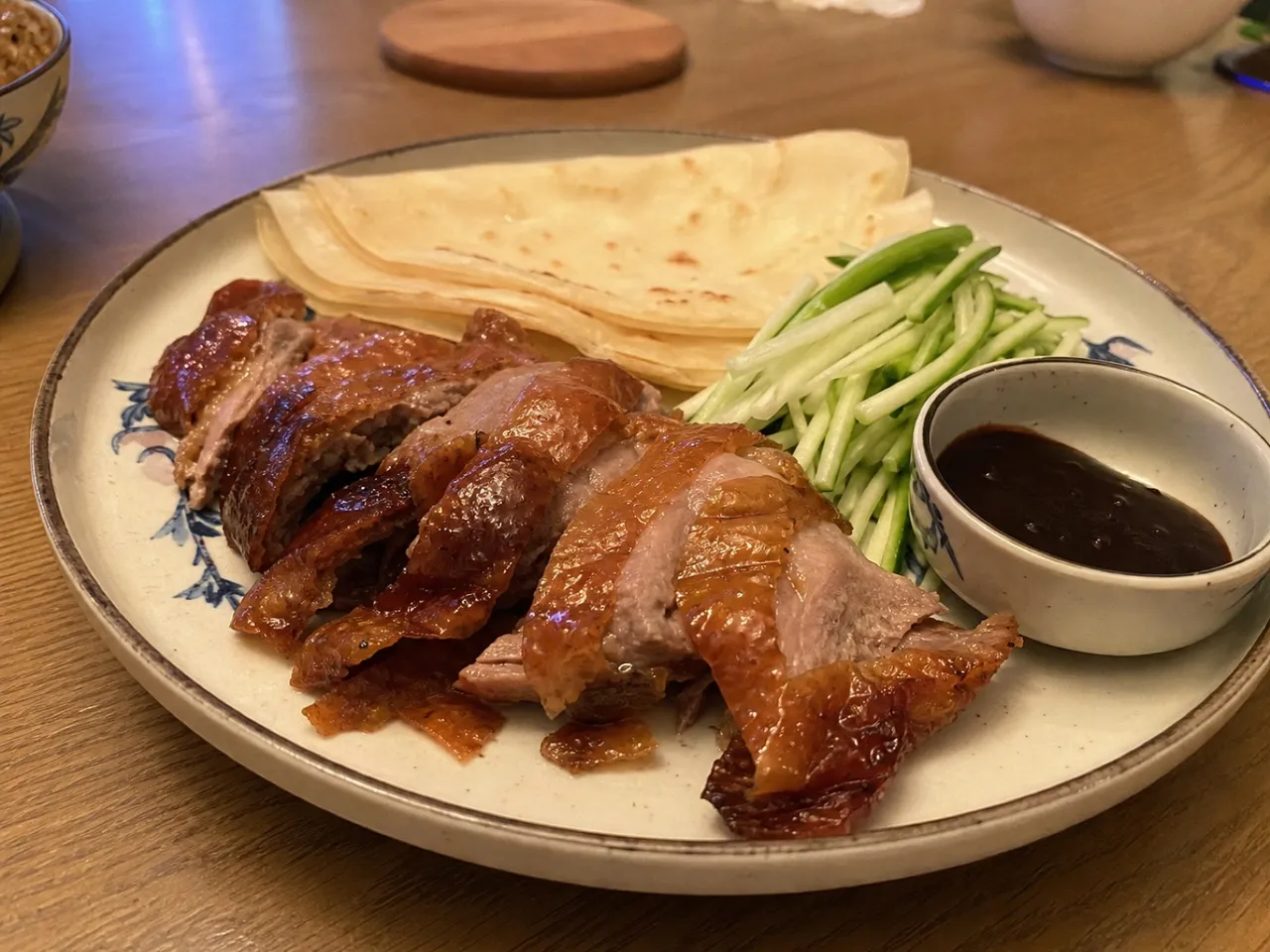
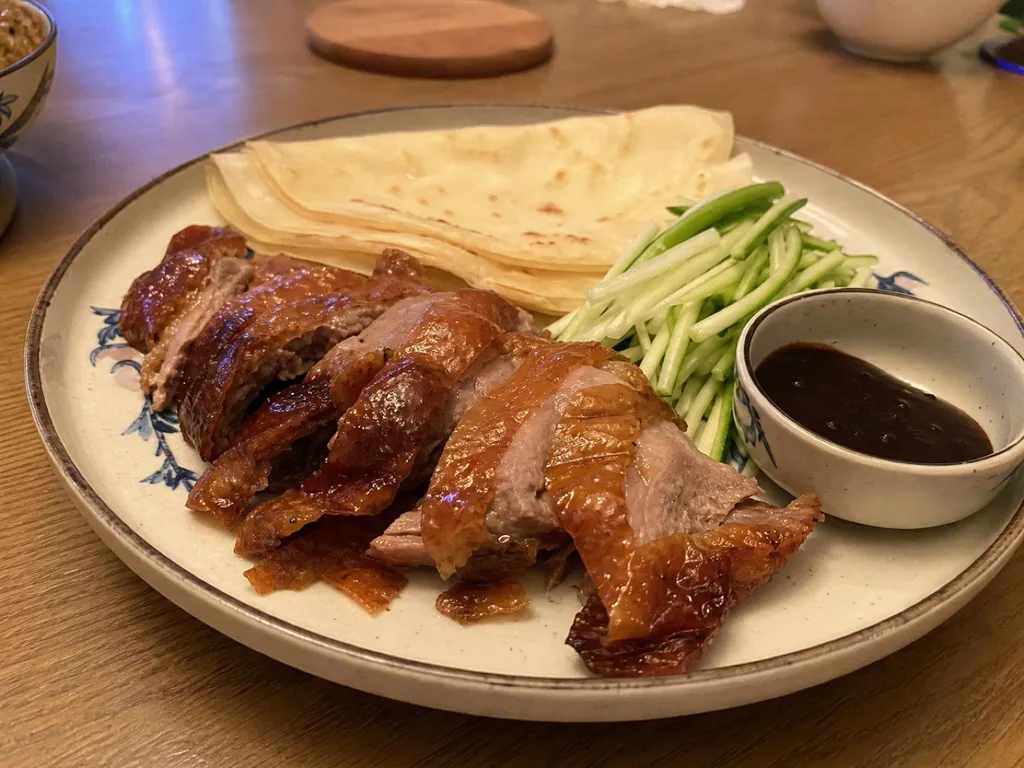
 Peking Duck
A famous duck dish from Beijing known for its thin, crisp skin, served with pancakes and hoisin sauce.
Contains common allergens
In the app, Listahan checks these against your household automatically.
Good to know
- Crispy
Matched from this dish's own ingredients and timing. Browse more: crispy recipes
Instructions
5 steps- 1
Prep the Duck: Clean the duck and pat it completely dry. Carefully separate the skin from the meat by sliding your fingers or blowing air between the skin and breast meat. This ensures crispy skin.
- 2
Scald and Glaze: Bring a large pot of water to a rolling boil. Ladle the boiling water over the duck several times to tighten the skin. In a small bowl, mix maltose, soy sauce, and a splash of boiling water. Brush this glaze evenly over the entire duck.
- 3
Air Dry: Hang the glazed duck in a cool, well-ventilated area (or uncovered in the fridge) for 12-24 hours. The skin must feel entirely dry and slightly leathery to the touch before roasting.
- 4
Roast: Preheat the oven to 400°F (200°C). Place the duck breast-side up on a rack set over a roasting pan with a little water in the bottom. Roast for 15 minutes, then lower the heat to 350°F (175°C) and roast for another 45-60 minutes until the skin is deep mahogany and crackling crisp.
- 5
Rest and Serve: Let the duck rest for 15 minutes before carving. Carefully slice the crispy skin and meat. Serve on a warm platter alongside steamed thin pancakes, julienned cucumber, scallions, and hoisin sauce for assembling.
 Images are for illustrative purposes only, may be inaccurate, and do not guarantee the presence or absence of specific ingredients.
 Listahan Family Score™
65/100
Works for many families
Score reflects how well this recipe fits a typical busy household. In the app, your Family Score is personalized to your household's allergens, kids, and pantry.
Nutrition
per serving140
Calories
3 g
Protein
30 g
Carbs
1 g
Fat
Estimated per serving. Actual values depend on the brands and portions you use.
Listahan cooking guide
Chef notes & practical guide
Technique notes, ingredient swaps, serve-alongside ideas, storage guidance, and equipment for this recipe.
Cultural context
Peking Duck has been a Chinese imperial dish since at least the Yuan dynasty (13th century) and was served in the courts of the Ming emperors at the Forbidden City. The technique of separating the skin from the flesh by pumping air or using chopsticks, then lacquering the bird with maltose and hanging it to air-dry for hours, was refined over centuries specifically to achieve the paper-thin, shattering crisp skin the dish is famous for. By the late Qing dynasty, dedicated Peking Duck restaurants had opened to the public, making what had been imperial food accessible to merchants and scholars.
Listahan note
This version makes the overnight drying step the centerpiece because no shortcut replaces it -- the home oven can produce genuinely crackling skin when the duck rests uncovered in the refrigerator for at least 12 hours.
Technique cues
- After drying, brush the duck with a maltose or honey glaze thinned with soy sauce two or three times during roasting rather than once -- each thin coat lacquers rather than pooling, which is what gives the skin its signature amber sheen.
- Roast the duck breast-side down for the first half of the cooking time so the fat rendering from the back bastes the breast meat from above, then flip for the final browning.
- Rest the duck uncovered on a rack for at least 10 minutes before carving so the skin firms back up -- cutting into it immediately lets steam escape and the skin goes soft.
Kitchen flow
- Parallel prep
- While the duck roasts, slice scallions into batons and julienne cucumber so both are ready at the same moment the duck comes out.
- Make-ahead
- The duck must be prepped and air-dried in the fridge at least 12 hours ahead (overnight is ideal); this is not optional and is also the largest active time savings.
- Leftover move
- Shred remaining duck meat and simmer with broth and cooked rice noodles for a quick duck noodle soup; the carcass makes excellent stock.
- Cleanup rhythm
- Pour off all rendered duck fat from the roasting pan into a jar while warm -- it stores refrigerated for months and is exceptional for roasting potatoes.
Ingredient brief
Role, handling, and swap guidance for each key ingredient.
whole duck
centerpiece protein
Purpose: Duck has a high subcutaneous fat ratio that renders during long roasting, basting the meat from inside while the skin dries to a crisp.
Handling: Remove giblets, prick the skin all over without piercing the meat, then dry thoroughly inside and out with paper towels before seasoning.
Adaptation: No true substitute; chicken produces a different fat profile and skin behavior.
maltose
lacquering glaze
Purpose: Maltose browns at a lower temperature than honey and creates a thinner, more translucent caramel coat that shatters when bitten.
Handling: Warm gently in a small bowl of hot water to make it pourable before mixing with soy sauce.
Adaptation: Honey thinned with a little water produces a slightly sweeter glaze with a darker color; both work.
five-spice powder
interior seasoning
Purpose: Rubbed inside the cavity, five-spice perfumes the meat from the inside out during roasting.
Handling: Rub into the cavity walls along with salt the evening before drying so the flavors penetrate overnight.
Adaptation: A blend of star anise, clove, cinnamon, fennel seed, and white pepper works if five-spice is unavailable.
mandarin pancakes
wrapping vessel
Purpose: Thin wheat wrappers are the traditional delivery mechanism for the duck, sauce, and scallion -- the soft contrast to the crisp skin is essential to the eating experience.
Handling: Steam frozen pancakes for 5 minutes or warm a few seconds wrapped in a damp paper towel in the microwave.
Adaptation: Flour tortillas work in a pinch; lettuce cups make a gluten-free alternative.
hoisin sauce
condiment and glue
Purpose: Hoisin provides the sweet-savory plum-forward flavor that ties the components of each wrap together.
Handling: Serve at room temperature in a small bowl with a brush or back of a spoon for spreading.
Adaptation: Plum sauce is slightly thinner and less sweet but acceptable; dark bean paste is more traditional in Shandong-style service.
Technique notes
- The single most important step is thorough skin drying: even 4 hours of uncovered refrigerator time makes a meaningful difference, and 24 hours makes the skin genuinely restaurant-quality.
- Use a V-rack in the roasting pan so hot air circulates under the duck and the fat drips away rather than pooling and steaming the underside.
- Carve the skin off in distinct sections before slicing the meat -- serving crisp skin separately on a small plate lets each diner assemble their own wrap with a controlled skin-to-meat ratio.
Ingredient swaps
- Gluten-free direction
- Serve with rice paper wrappers instead of mandarin pancakes and verify the hoisin sauce is gluten-free or substitute a tamari-plum reduction.
- Weeknight shortcut
- Buy a rotisserie duck from a Chinese barbecue shop and focus your effort on the condiments and presentation -- the result still beats most takeout.
Serve alongside
- steamed jasmine rice
- stir-fried bean sprouts with scallion
- Chinese cucumber and garlic salad
- Tsingtao beer
- warm Shaoxing rice wine
- jasmine tea
Serving suggestions only — check pairings for your household's allergens.
Storage & reheating
- Refrigerate carved duck meat and skin separately for up to 3 days; store skin uncovered on a rack so it does not steam itself soft. Reheat skin in a 400 F oven on a wire rack for 5 minutes -- it will crisp back up almost entirely.
- The carcass freezes well for up to 3 months and produces a rich stock; do not freeze skin if you intend to re-crisp it.
Equipment
- V-rack roasting rack
- large roasting pan to catch fat
- instant-read thermometer
- sharp boning knife for final carving
Make this household-aware
Listahan Pro checks this recipe against your household's allergens, finds pantry-aware swaps, builds the shopping list, and helps you plan the week around it.
Plan it in Listahan
Add Peking Duck to your week, check it against your household's allergens, and build the shopping list automatically.
More Chinese recipes
 Chinese Lens Verified Images are for illustrative purposes only, may be inaccurate, and do not guarantee the presence or absence of specific ingredients.
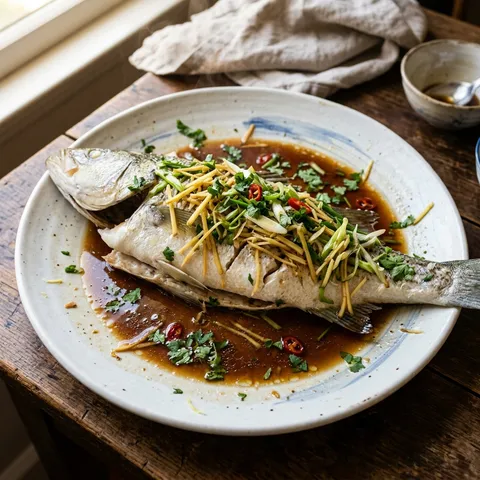
 Steamed Fish with Soy and Ginger
A traditional banquet dish featuring delicately steamed whole fish with hot oil poured over aromatics.
 Chinese Lens Verified Images are for illustrative purposes only, may be inaccurate, and do not guarantee the presence or absence of specific ingredients.
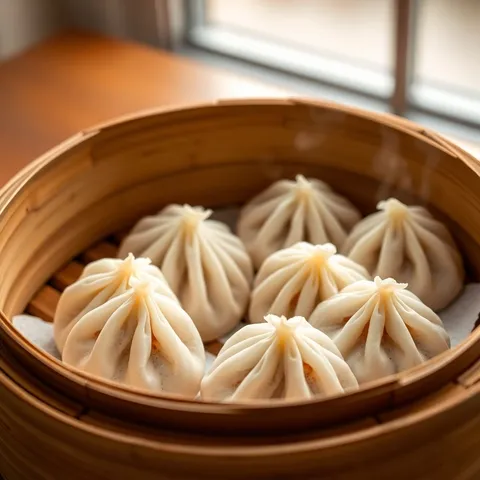
 Xiao Long Bao (Soup Dumplings)
Delicate steamed buns filled with pork and a rich, savory soup.
 Chinese Lens Verified Images are for illustrative purposes only, may be inaccurate, and do not guarantee the presence or absence of specific ingredients.
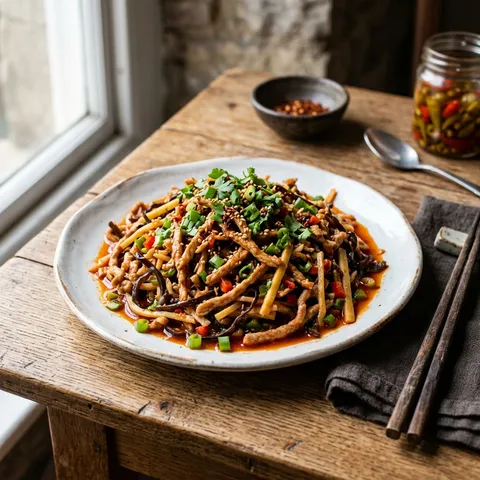
 Yuxiang Rou Si (Fish-Fragrant Pork Shreds)
A classic Sichuan dish that uses "fish-fragrant" seasoning (sweet, sour, and spicy) on pork shreds, containing no actual fish.