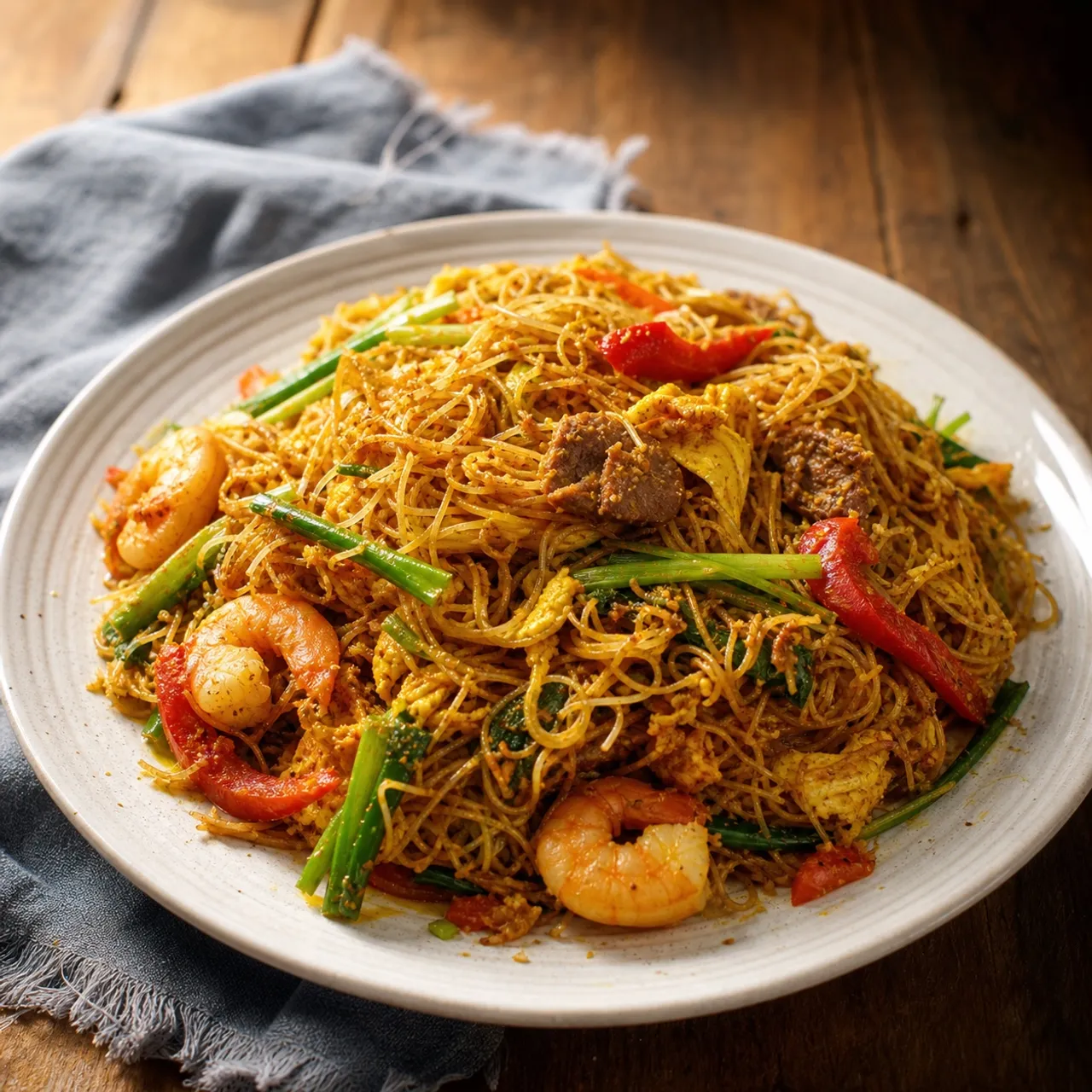
 Chinese Images are for illustrative purposes only, may be inaccurate, and do not guarantee the presence or absence of specific ingredients.
 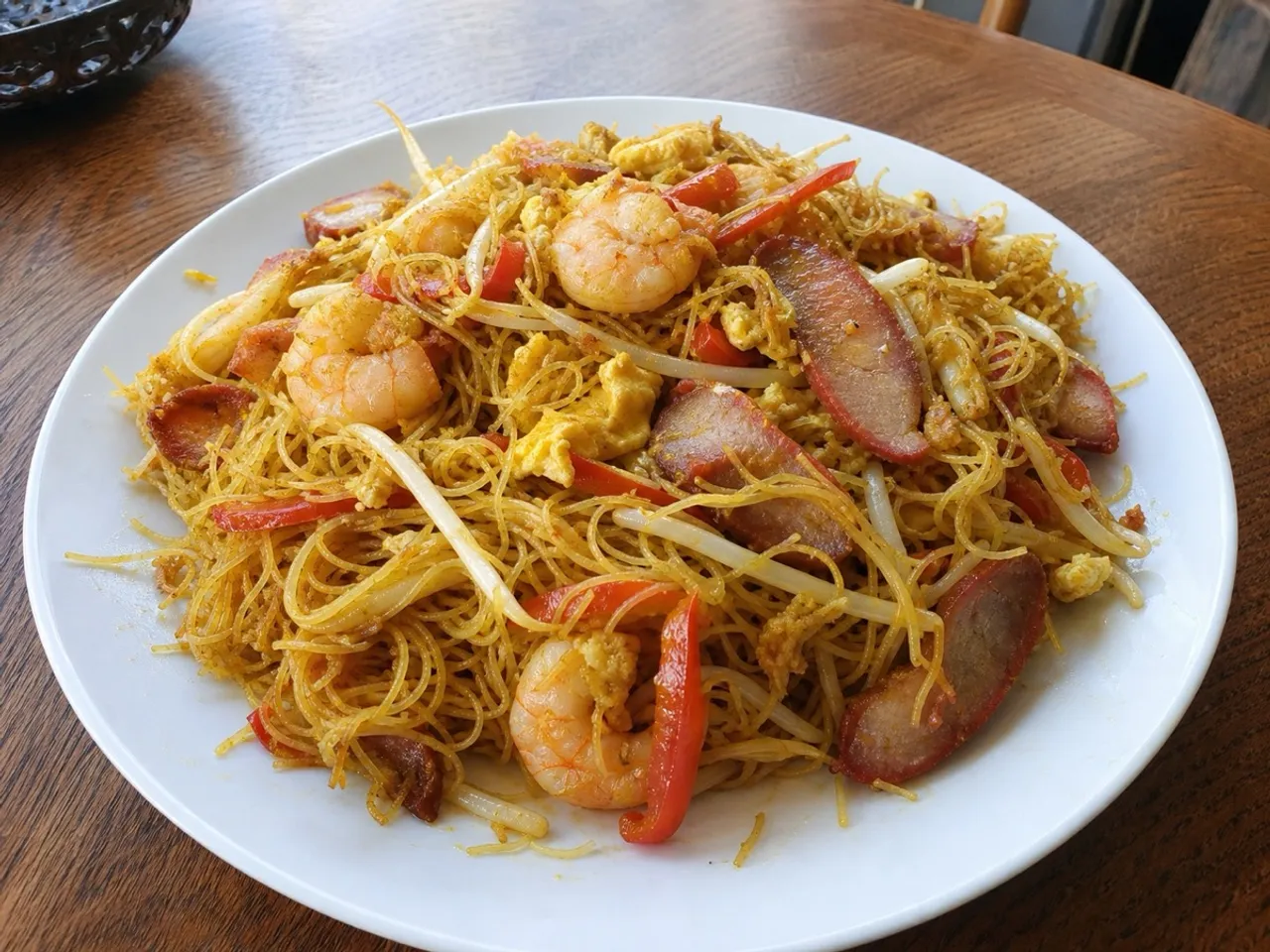 Serving Images are for illustrative purposes only, may be inaccurate, and do not guarantee the presence or absence of specific ingredients.
 Singapore Noodles
Springy curry-tossed rice vermicelli stir-fried with shrimp, char siu, and crisp vegetables.
Contains common allergens
In the app, Listahan checks these against your household automatically.
Good to know
- Ready in under 30 minutes
Matched from this dish's own ingredients and timing. Browse more: 30-minute meals
Instructions
6 steps- 1
Soak the rice vermicelli in warm water for 8 minutes until pliable, then drain thoroughly and snip into shorter strands with scissors.
- 2
Heat 1 tablespoon of oil in a wok over high heat, add the beaten eggs, and scramble for 1 minute until just set, then remove.
- 3
Add another tablespoon of oil and stir-fry the shrimp for 2 minutes until pink and opaque, then add the char siu and bell pepper and toss for 1 minute.
- 4
Push everything aside, add the last tablespoon of oil and the curry powder, and toast for 20 seconds until fragrant.
- 5
Add the drained vermicelli and soy sauce, then toss continuously for 2 to 3 minutes with tongs until the noodles are evenly stained yellow and heated through.
- 6
Fold in the bean sprouts and scrambled eggs, toss for 30 seconds to keep the sprouts crisp, and serve immediately.
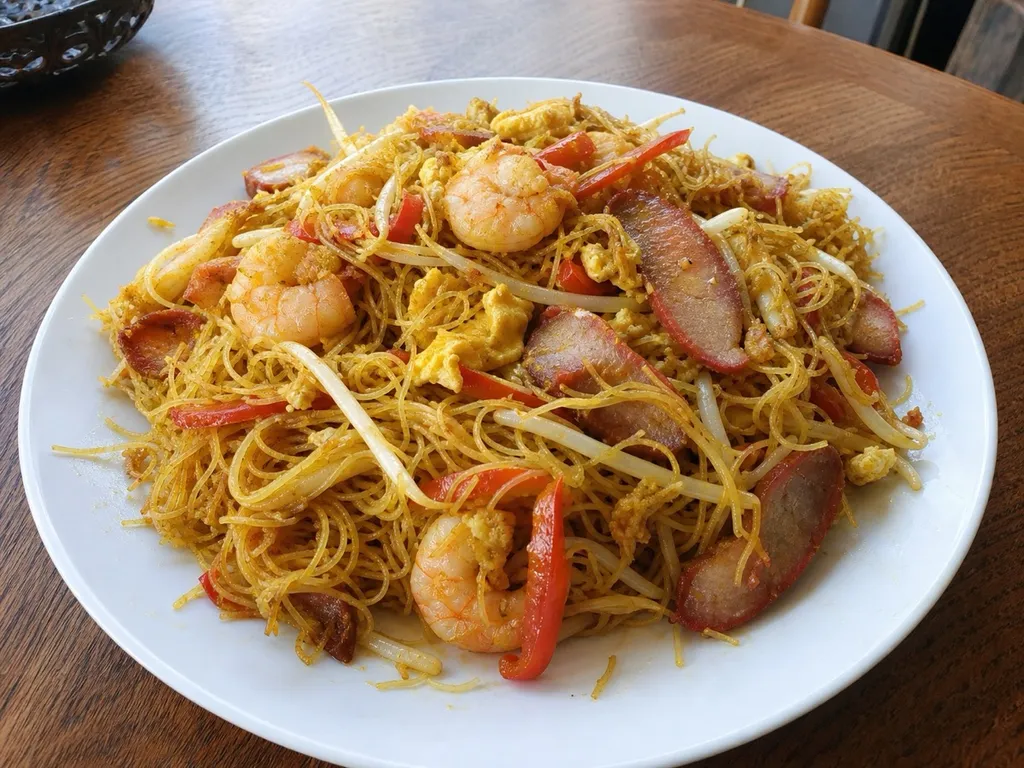 Images are for illustrative purposes only, may be inaccurate, and do not guarantee the presence or absence of specific ingredients.
 Listahan Family Score™
69/100
Works for many families
Score reflects how well this recipe fits a typical busy household. In the app, your Family Score is personalized to your household's allergens, kids, and pantry.
Nutrition
per serving845
Calories
47 g
Protein
103 g
Carbs
28 g
Fat
Estimated per serving. Actual values depend on the brands and portions you use.
Listahan cooking guide
Chef notes & practical guide
Technique notes, ingredient swaps, serve-alongside ideas, storage guidance, and equipment for this recipe.
Cultural context
Singapore noodles are closely tied to Cantonese restaurant cooking, especially in Hong Kong and overseas Chinese takeout menus, more than to one specific Singaporean home dish. The name points to the curry-stained noodles and Southeast Asian association, while the technique is classic high-heat wok cooking: quick proteins, crisp vegetables, and dry-tossed rice vermicelli.
Listahan note
This version keeps the restaurant-style shape but trims it to a practical two-person pan: shrimp, char siu, egg, bell pepper, and bean sprouts. The main priority is dry, springy noodles that pick up curry and soy without turning heavy or wet.
Technique cues
- Drain the vermicelli thoroughly after soaking. Extra water in the noodles is the fastest way to dull the curry and make the stir-fry steam instead of toss.
- Toast the Madras curry powder briefly in oil before adding the noodles. That short bloom wakes up the spices and helps the yellow color coat the strands evenly.
- Add the bean sprouts at the end so they stay crisp. They are there for snap and freshness, not for long cooking.
Kitchen flow
- Parallel prep
- Soak and drain the vermicelli first, then cut the bell pepper, slice the char siu, beat the eggs, and have everything beside the stove before heating the wok.
- Make-ahead
- Prep the vegetables, char siu, beaten eggs, and sauce components ahead; soak the vermicelli close to cooking so it does not sit wet and clump.
- Leftover move
- Turn leftovers into a quick lunch by reheating in a skillet and adding a handful of fresh bean sprouts or sliced scallions to bring back crunch.
- Cleanup rhythm
- Rinse the wok or pan as soon as the noodles are served, before curry-stained oil dries onto the surface.
Ingredient brief
Role, handling, and swap guidance for each key ingredient.
Dried rice vermicelli
Noodle base
Purpose: Thin rice vermicelli gives the dish its light, springy texture and catches curry powder on each strand.
Handling: Soak just until pliable, drain very well, and snip into shorter lengths so tossing is easier.
Adaptation: A slightly wider rice noodle works, but the dish will feel softer and less tangled than the classic fine vermicelli version.
Madras curry powder
Curry seasoning
Purpose: It gives the noodles their warm yellow color and the dry, aromatic curry profile associated with this restaurant dish.
Handling: Add it directly to hot oil for a brief toast before the noodles go in.
Adaptation: A milder curry powder works if you want less heat, but the finished noodles will taste softer and less peppery.
Shrimp, peeled and deveined
Quick-cooking seafood
Purpose: Shrimp adds sweetness and a firm bite that contrasts with the thin noodles.
Handling: Cook it briefly over high heat until just pink before the final toss.
Adaptation: Thinly sliced cooked chicken can replace shrimp, though it will make the dish meatier and less sweet.
Char siu (BBQ pork), thinly sliced
Savory-sweet meat
Purpose: Char siu brings a roasted, sweet-savory note that makes the noodles taste closer to Cantonese takeout-style versions.
Handling: Slice it thin so it heats quickly without drying out.
Adaptation: Leftover roast pork or ham can stand in, but add a small pinch of sugar if you miss the char siu sweetness.
Red bell pepper
Crisp vegetable
Purpose: Bell pepper adds sweetness, color, and a clean crunch against the curry-coated noodles.
Handling: Julienne it so the strips cook at the same pace as the noodles toss.
Adaptation: Thin carrot matchsticks give a similar color and crunch, though they need a little longer in the pan.
Light soy sauce
Salt and seasoning base
Purpose: Light soy sauce seasons the noodles without making them too dark or saucy.
Handling: Pour it around the noodles while tossing so it disperses instead of pooling in one spot.
Adaptation: Regular soy sauce can work, but use a little less because it usually tastes darker and stronger.
Technique notes
- Use tongs or chopsticks to lift and separate the noodles as they cook. Stirring with a spoon tends to mash them together.
- Keep the heat high once the proteins are cooked and the noodles go in. The goal is a dry toss, not a simmer.
- If the noodles clump, add a small splash of water around the edge of the pan and keep tossing; do not add a full sauce amount or they will turn soggy.
Ingredient swaps
- No-wok path
- Use the widest skillet you have and cook in the same sequence; a crowded small pan will need more tossing time and may give softer noodles.
- Vegetable-heavy version
- Increase the bell pepper and bean sprouts, then reduce the vermicelli slightly so the pan stays easy to toss.
- Char siu backup
- Use thin slices of leftover roast pork or ham when char siu is not available, knowing the flavor will be less glossy and sweet.
- Curry control
- Use a mild curry powder or reduce the amount slightly if you want the noodles warmer than spicy.
Serve alongside
- Smashed cucumber salad
- Garlic bok choy
- Chinese broccoli with oyster-style sauce
- Scallion pancakes
- Jasmine iced tea
- Cold chrysanthemum tea
- Light lager
Serving suggestions only — check pairings for your household's allergens.
Storage & reheating
- Refrigerate leftovers in a sealed container; the noodles will firm up and absorb more seasoning as they sit.
- Reheat in a skillet with a small splash of water or oil, tossing until the strands loosen and warm through.
- Freezing is not ideal for this dish because rice vermicelli can turn brittle and the bean sprouts lose their crunch after thawing.
Equipment
- Wok or wide skillet
- Tongs or long chopsticks
- Kitchen scissors
- Colander
Make this household-aware
Listahan Pro checks this recipe against your household's allergens, finds pantry-aware swaps, builds the shopping list, and helps you plan the week around it.
Plan it in Listahan
Add Singapore Noodles to your week, check it against your household's allergens, and build the shopping list automatically.
More Chinese recipes
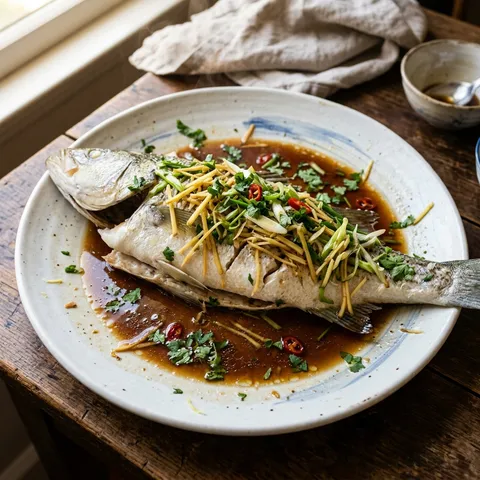 Chinese Lens Verified Images are for illustrative purposes only, may be inaccurate, and do not guarantee the presence or absence of specific ingredients.
 Steamed Fish with Soy and Ginger
A traditional banquet dish featuring delicately steamed whole fish with hot oil poured over aromatics.
 Chinese Lens Verified Images are for illustrative purposes only, may be inaccurate, and do not guarantee the presence or absence of specific ingredients.
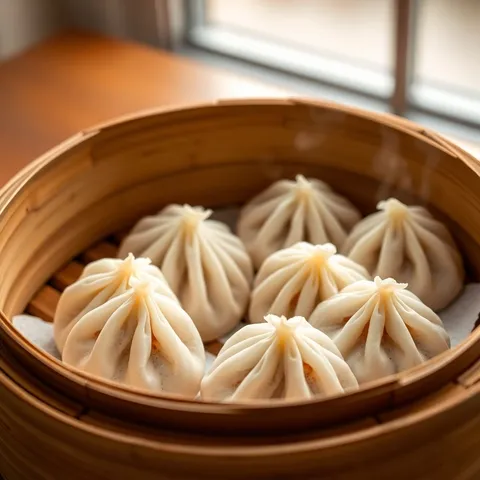
 Xiao Long Bao (Soup Dumplings)
Delicate steamed buns filled with pork and a rich, savory soup.
 Chinese Lens Verified Images are for illustrative purposes only, may be inaccurate, and do not guarantee the presence or absence of specific ingredients.
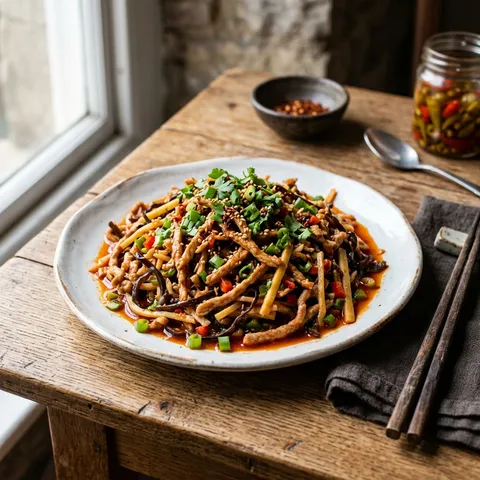
 Yuxiang Rou Si (Fish-Fragrant Pork Shreds)
A classic Sichuan dish that uses "fish-fragrant" seasoning (sweet, sour, and spicy) on pork shreds, containing no actual fish.