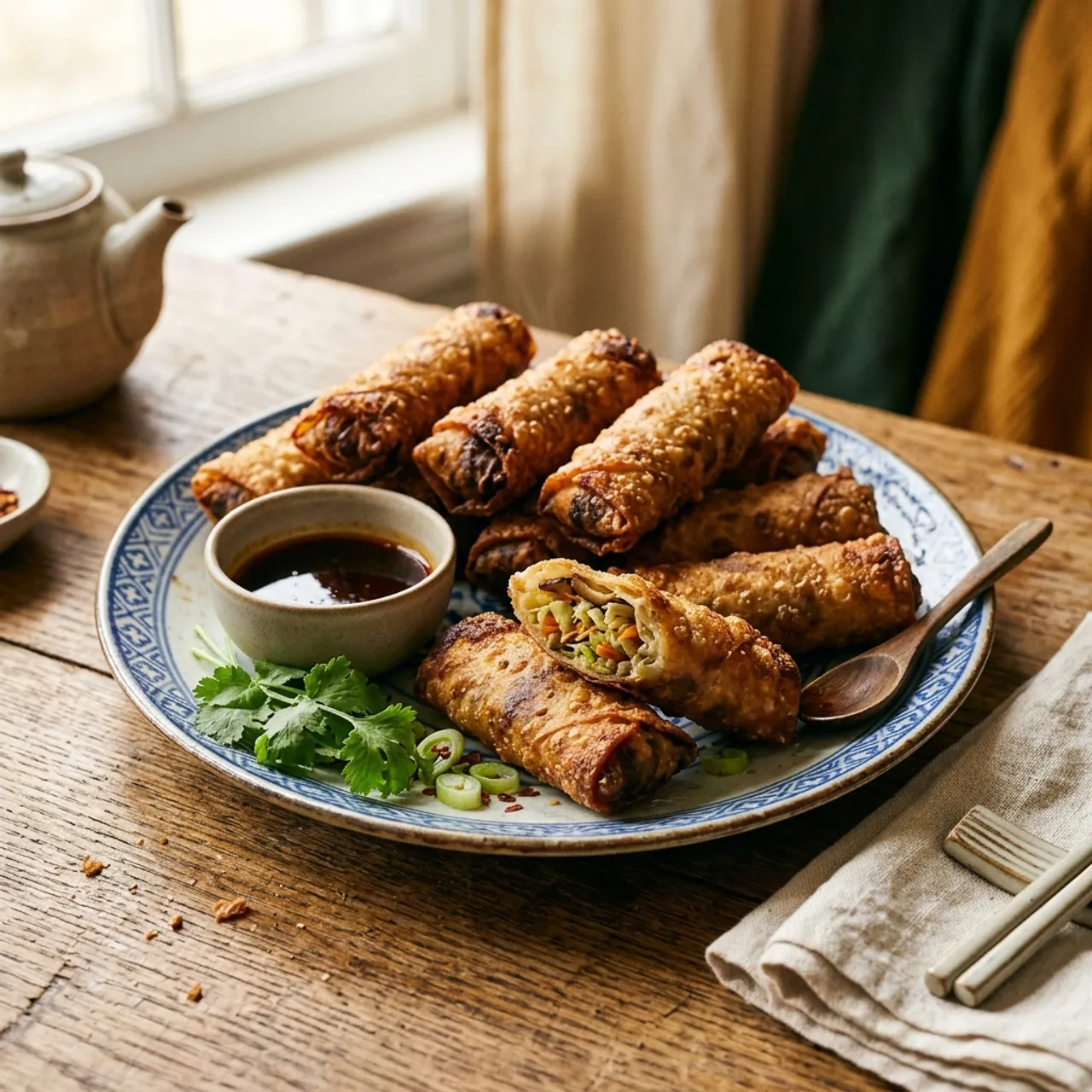
 Chinese Images are for illustrative purposes only, may be inaccurate, and do not guarantee the presence or absence of specific ingredients.
 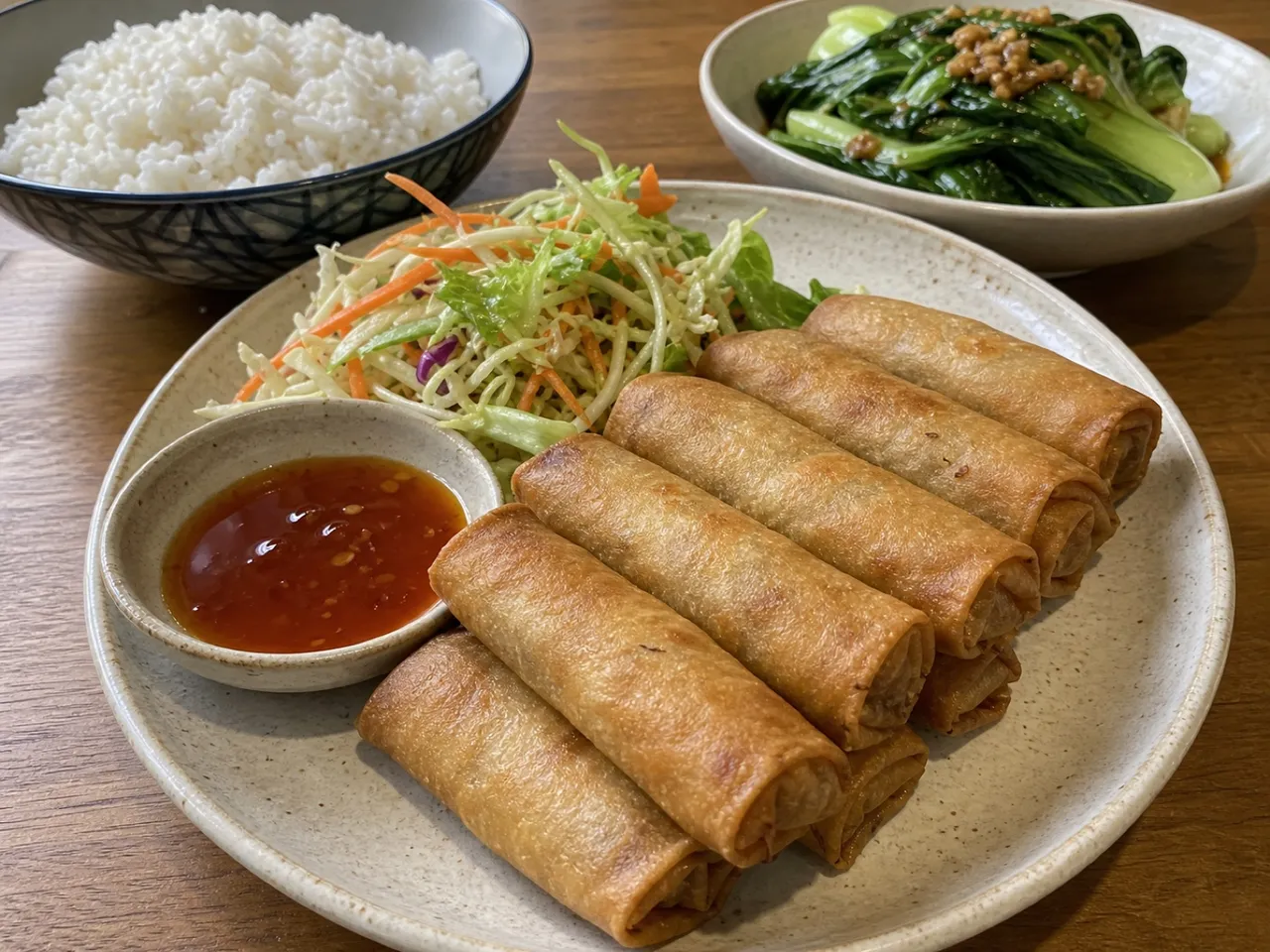 Serving Images are for illustrative purposes only, may be inaccurate, and do not guarantee the presence or absence of specific ingredients.
 Spring Rolls
Crispy, deep-fried cylindrical rolls filled with shredded vegetables and sometimes meat.
Contains common allergens
In the app, Listahan checks these against your household automatically.
Good to know
- Crispy
Matched from this dish's own ingredients and timing. Browse more: crispy recipes
Instructions
6 steps- 1
Cook the Filling: Heat 1 tbsp of oil in a wok over medium heat. Add the cabbage, carrots, and mushrooms. Stir-fry for 3-4 minutes until softened and their moisture has evaporated.
- 2
Season the Filling: Toss in the chopped, softened glass noodles. Add the oyster sauce and sesame oil. Cook for 1 more minute until well combined. Transfer the mixture to a strainer set over a bowl to cool and drain any excess liquid (a dry filling prevents soggy rolls).
- 3
Assemble the Rolls: Place a wrapper on a clean surface in a diamond shape. Spoon 2 tbsp of the cooled filling horizontally across the lower third of the wrapper.
- 4
Fold and Roll: Fold the bottom point up over the filling and tuck it tightly under. Fold the left and right points into the center to create an envelope. Roll tightly toward the top point.
- 5
Seal the Edge: Moisten the top point with a mixture of cornstarch and water (or egg wash) to seal the roll tightly. Ensure there are no air pockets.
- 6
Fry to Perfection: Heat 2 inches of oil in a pot to 350°F (175°C). Carefully lower the rolls in batches of 4-5. Fry for 4-5 minutes, turning occasionally, until the wrappers are blistered, golden brown, and extremely crispy. Drain on a wire rack.
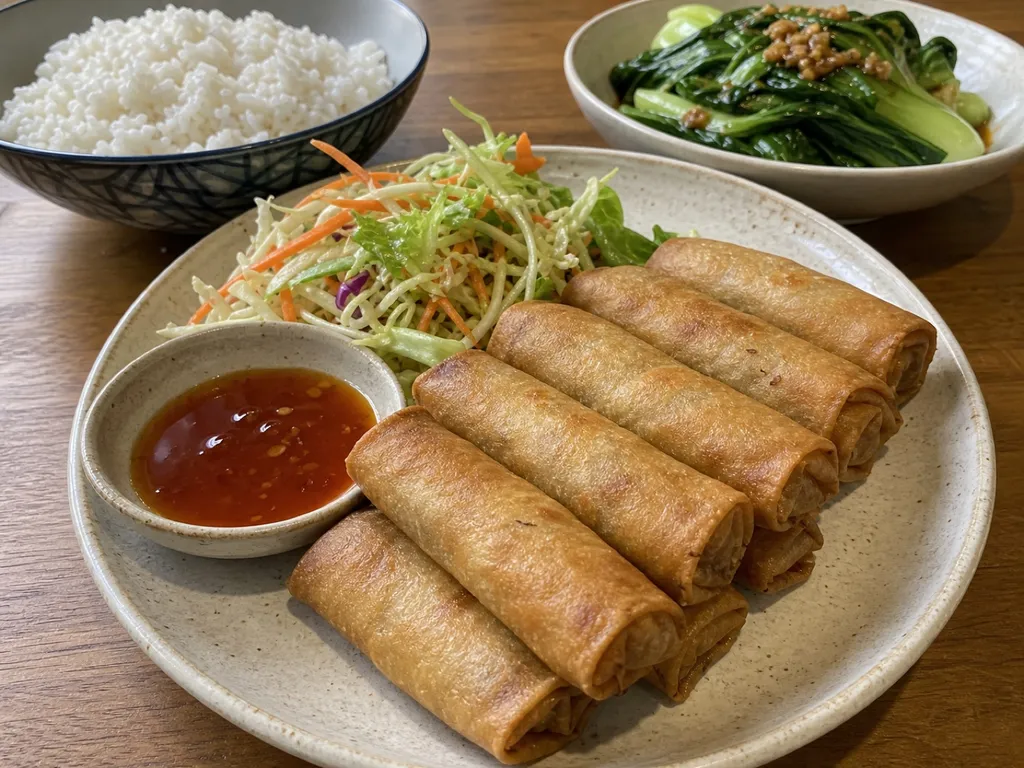 Images are for illustrative purposes only, may be inaccurate, and do not guarantee the presence or absence of specific ingredients.
 Listahan Family Score™
60/100
Works for many families
Score reflects how well this recipe fits a typical busy household. In the app, your Family Score is personalized to your household's allergens, kids, and pantry.
Nutrition
per serving265
Calories
10 g
Protein
49 g
Carbs
6 g
Fat
Estimated per serving. Actual values depend on the brands and portions you use.
Listahan cooking guide
Chef notes & practical guide
Technique notes, ingredient swaps, serve-alongside ideas, storage guidance, and equipment for this recipe.
Cultural context
Spring rolls take their name from the Chinese Spring Festival tradition of eating foods that signify the arrival of spring -- the cylindrical golden shape resembles gold bars, associating the dish with prosperity. The thin wheat-flour wrappers were first documented in the Southern Song dynasty, and the filling has varied across regions for centuries: Shanghainese versions use pork and cabbage, Cantonese versions lean toward shrimp and vegetables, and overseas Chinese communities adapted fillings to local ingredients. The crispy fried version that most North Americans encounter in dim sum or takeout restaurants is the Cantonese iteration, distinct from the fresh (unfried) Vietnamese-style rice paper rolls often called by the same name.
Listahan note
This version uses a cold, well-drained filling to prevent the wrapper from steaming itself apart during frying -- the most common failure point in home spring rolls.
Technique cues
- Squeeze all excess moisture from the cooked filling and let it cool completely before wrapping -- hot or wet filling creates steam inside the roll that bubbles the wrapper and causes blowouts in the oil.
- Seal the roll with a cornstarch-and-water paste brushed on the final flap rather than egg wash; cornstarch paste creates a stronger, more heat-resistant bond that holds through the high-temperature fry.
- Fry at 350 F in the first pass until barely golden, remove, then return for a 30-second second fry at 375 F -- the double-fry technique ensures the interior is fully hot and the exterior is shatteringly crisp without burning.
Kitchen flow
- Parallel prep
- While the filling cools on a tray, set up your rolling station with wrappers, paste bowl, and a lined sheet pan so assembly moves quickly without interruption.
- Make-ahead
- Assembled unfried spring rolls can be refrigerated uncovered on a rack for up to 4 hours; the wrapper dries slightly, which actually helps crispiness.
- Leftover move
- Reheat leftover fried rolls in a 400 F oven on a rack for 8 minutes -- they re-crisp significantly better in the oven than in a microwave, which steams them soft.
- Cleanup rhythm
- Filter spent frying oil through a fine mesh strainer lined with a paper towel while still warm; it can be reused 2 to 3 more times for frying if not too dark.
Ingredient brief
Role, handling, and swap guidance for each key ingredient.
spring roll wrappers
crispy exterior vessel
Purpose: Thin wheat-flour wrappers blister and shatter to a papery crisp when fried, in contrast to thick egg roll wrappers which stay leathery.
Handling: Keep covered with a damp cloth as you work; they dry and crack in minutes if left exposed.
Adaptation: Rice paper wrappers require a shorter fry time and produce a more blistered, crackerlike texture that is also authentic to Southeast Asian styles.
pork mince
savory protein base
Purpose: A small amount of pork adds enough fat and umami to anchor the vegetable-heavy filling without overpowering it.
Handling: Cook the pork first, breaking it into very fine crumbles; add the vegetables after the pork is cooked through.
Adaptation: Shrimp finely chopped is the most traditional Cantonese substitute; tofu crumbles work for a vegetarian version.
cabbage
bulk filling vegetable
Purpose: Cabbage is the primary volume component that gives the roll its body while releasing moisture during cooking that needs to be cooked off before filling.
Handling: Shred fine, cook briefly in the wok until wilted, and then drain in a colander and press out liquid before mixing with other filling ingredients.
Adaptation: Napa cabbage is slightly more tender; bean sprouts can replace a third of the cabbage for crunch variation.
glass noodles
filling binder
Purpose: Softened glass noodles absorb the savory juices in the filling and help bind the mixture so it does not fall out when bitten.
Handling: Soak in hot water until just pliable, then drain and cut into 2-inch lengths; they will soften further in the filling.
Adaptation: Omit entirely for a vegetable-only filling; the roll will be slightly looser but still holds if tightly wrapped.
soy sauce
seasoning and color
Purpose: Soy sauce seasons the filling and gives the cooked ingredients a uniform savory depth before they are rolled and fried.
Handling: Add at the end of cooking the filling so it does not make the vegetables soggy during the cook.
Adaptation: Fish sauce at half the quantity adds a more complex umami note; tamari keeps the dish gluten-free.
Technique notes
- Roll the spring rolls as tightly as possible without tearing the wrapper -- a loose roll traps more oil and the filling shifts during frying, creating uneven texture.
- Test oil temperature with a wooden chopstick: if small bubbles stream from the tip within 1 second of immersion, the oil is at 350 F and ready for the first fry.
- Drain on a rack rather than paper towels -- paper traps steam underneath and softens the bottom; a rack lets hot air circulate and maintains crunch from every angle.
Ingredient swaps
- Gluten-free direction
- Use rice paper wrappers and tamari instead of soy sauce; fry at slightly lower heat as rice paper browns faster than wheat wrappers.
- Vegetarian direction
- Replace pork with firm tofu crumbled and browned, and use vegetarian oyster sauce; the texture and flavor are well-balanced without meat.
- Baked direction
- Brush assembled rolls with oil and bake at 425 F, flipping halfway, for 20 minutes; the result is less shattering than fried but substantially lighter.
Serve alongside
- sweet chili dipping sauce
- hot and sour soup
- Chinese chicken salad
- jasmine tea
- cold Tsingtao beer
Serving suggestions only — check pairings for your household's allergens.
Storage & reheating
- Fried spring rolls are best eaten within 30 minutes of cooking. Refrigerate leftovers for up to 2 days and re-crisp in a 400 F oven; avoid the microwave which renders them flabby.
- Unfried assembled rolls can be frozen on a tray then bagged; fry from frozen at 325 F for 5 to 6 minutes, then finish at 375 F -- the lower initial temperature prevents the wrapper from splitting before the frozen center thaws.
Equipment
- deep heavy pot or wok for frying
- kitchen thermometer
- spider strainer or slotted spoon
- wire cooling rack
Make this household-aware
Listahan Pro checks this recipe against your household's allergens, finds pantry-aware swaps, builds the shopping list, and helps you plan the week around it.
Plan it in Listahan
Add Spring Rolls to your week, check it against your household's allergens, and build the shopping list automatically.
More Chinese recipes
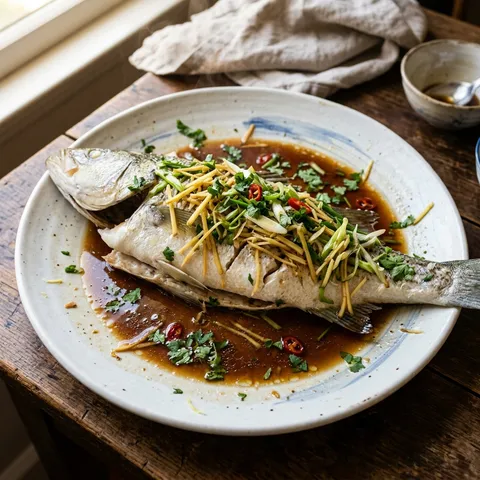 Chinese Lens Verified Images are for illustrative purposes only, may be inaccurate, and do not guarantee the presence or absence of specific ingredients.
 Steamed Fish with Soy and Ginger
A traditional banquet dish featuring delicately steamed whole fish with hot oil poured over aromatics.
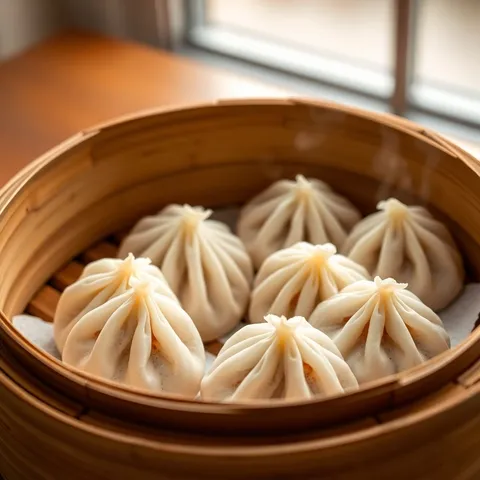 Chinese Lens Verified Images are for illustrative purposes only, may be inaccurate, and do not guarantee the presence or absence of specific ingredients.
 Xiao Long Bao (Soup Dumplings)
Delicate steamed buns filled with pork and a rich, savory soup.
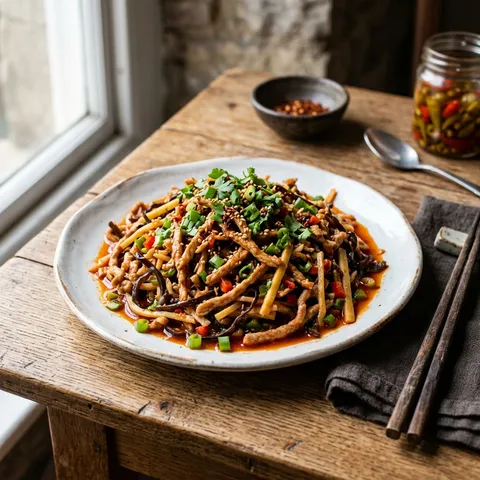 Chinese Lens Verified Images are for illustrative purposes only, may be inaccurate, and do not guarantee the presence or absence of specific ingredients.
 Yuxiang Rou Si (Fish-Fragrant Pork Shreds)
A classic Sichuan dish that uses "fish-fragrant" seasoning (sweet, sour, and spicy) on pork shreds, containing no actual fish.