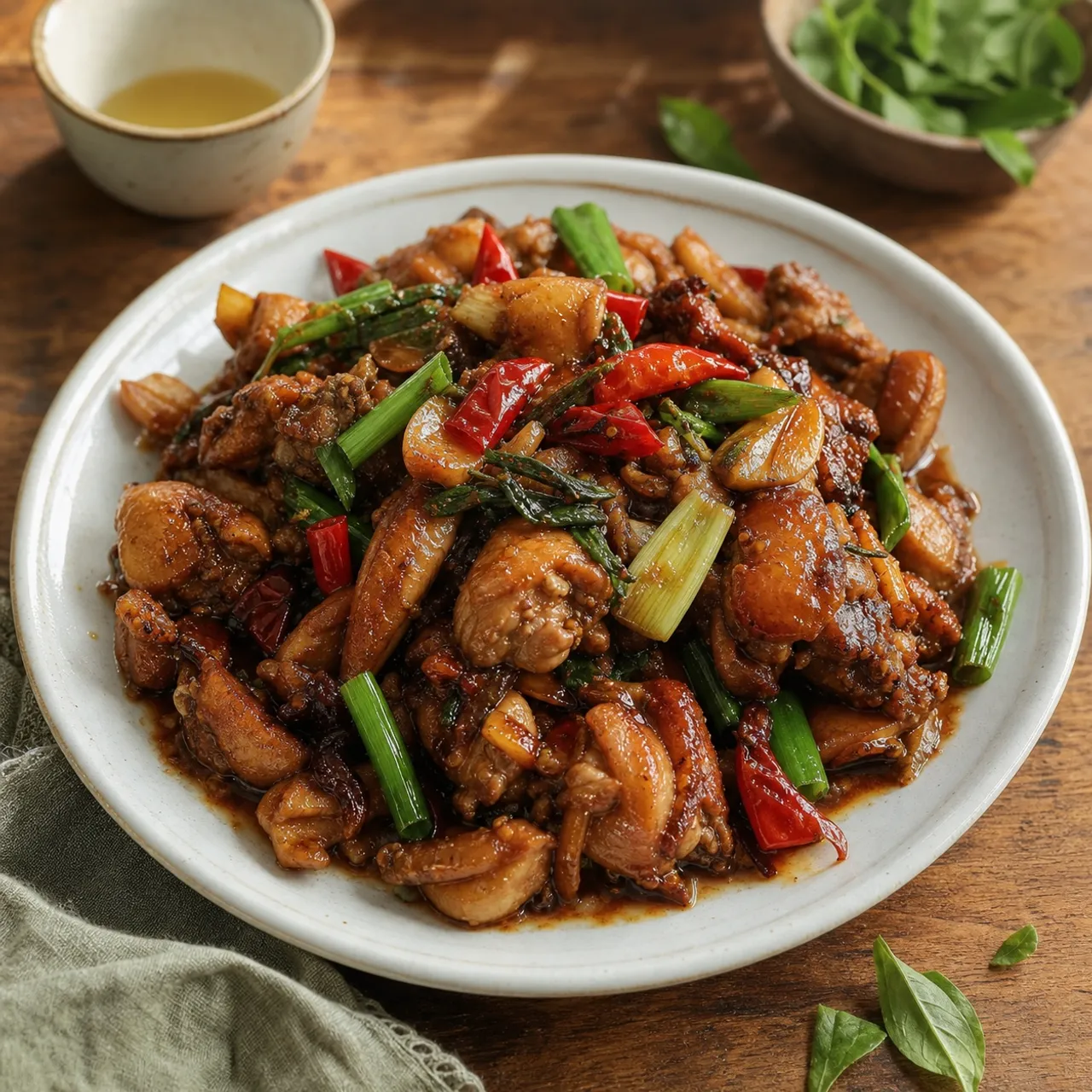
 Chinese Images are for illustrative purposes only, may be inaccurate, and do not guarantee the presence or absence of specific ingredients.
 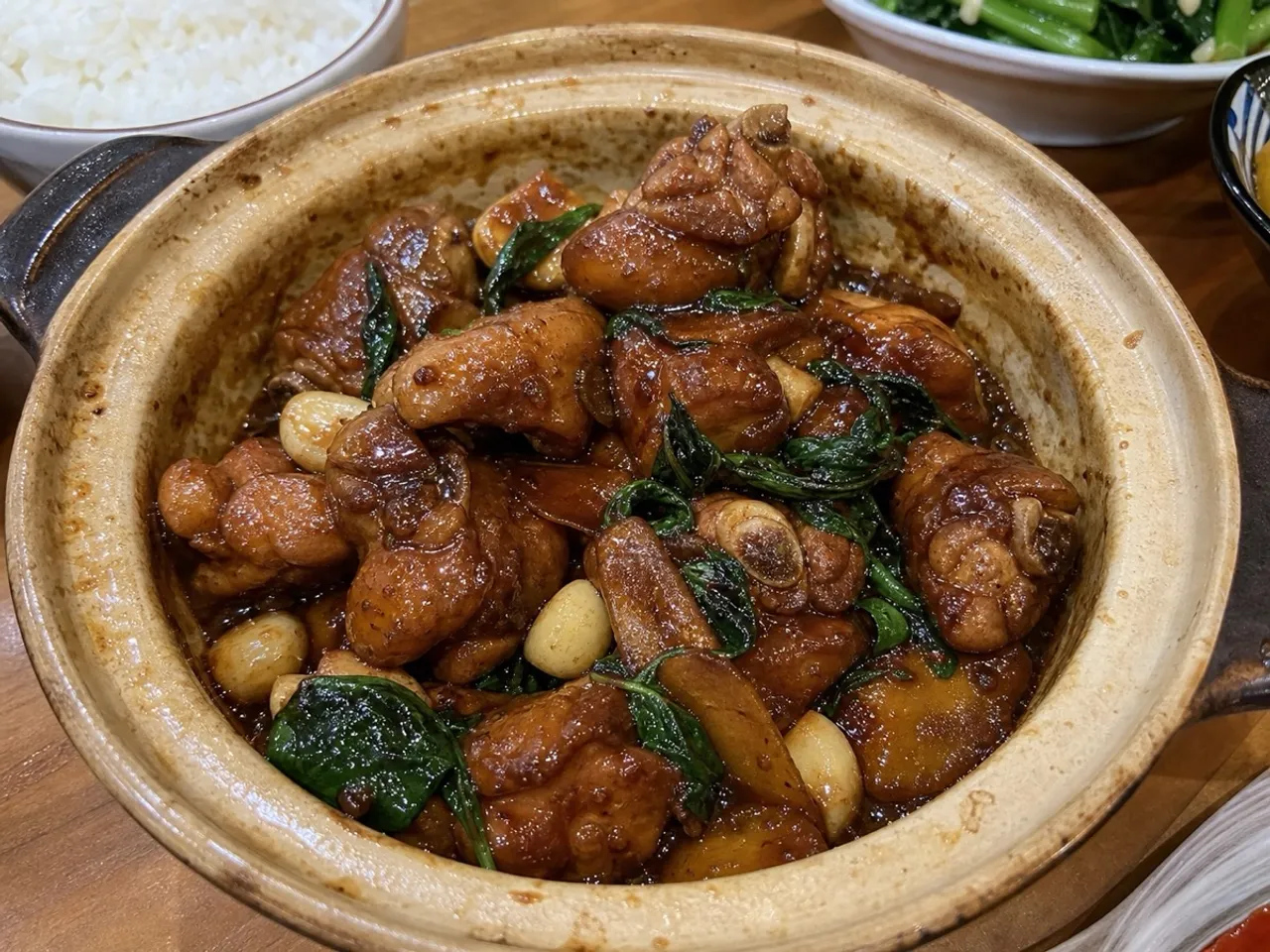 Serving Images are for illustrative purposes only, may be inaccurate, and do not guarantee the presence or absence of specific ingredients.
 Three Cup Chicken (San Bei Ji)
Glossy Taiwanese braised chicken simmered in sesame oil, soy sauce, and rice wine with fragrant Thai basil.
Contains common allergens
In the app, Listahan checks these against your household automatically.
Good to know
- One-pot
Matched from this dish's own ingredients and timing. Browse more: one-pot dinners
Instructions
6 steps- 1
Heat the sesame oil in a clay pot or heavy skillet over medium-low and fry the ginger slices for 3 minutes until the edges curl and dry slightly.
- 2
Add the whole garlic cloves and cook for 2 minutes until golden and fragrant, being careful not to burn the sesame oil.
- 3
Raise the heat to medium-high, add the chicken pieces skin-side down, and sear for 5 minutes until browned all over.
- 4
Pour in the soy sauce, Shaoxing wine, and rock sugar, bring to a boil, then cover and simmer for 15 minutes, stirring occasionally, until the chicken is cooked through and the sauce reduces.
- 5
Uncover and cook 3 to 4 minutes more over high heat until the liquid thickens into a glossy glaze clinging to the chicken.
- 6
Turn off the heat, fold in the Thai basil until just wilted and aromatic, and serve straight from the pot with rice.
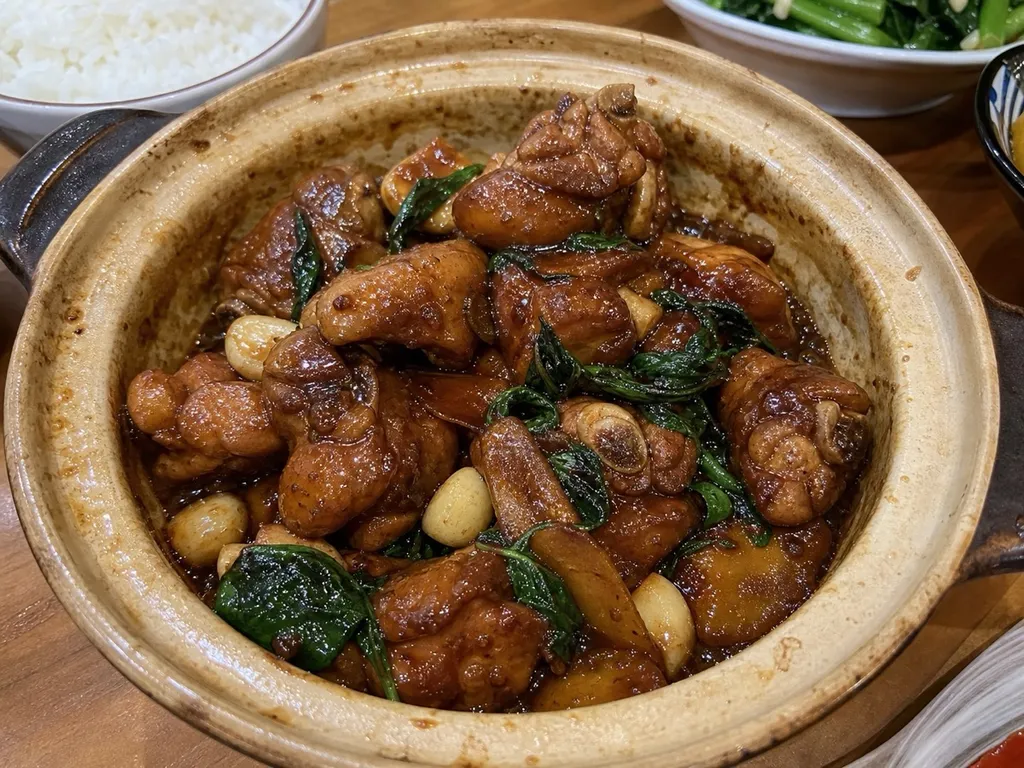 Images are for illustrative purposes only, may be inaccurate, and do not guarantee the presence or absence of specific ingredients.
 Listahan Family Score™
65/100
Works for many families
Score reflects how well this recipe fits a typical busy household. In the app, your Family Score is personalized to your household's allergens, kids, and pantry.
Nutrition
per serving575
Calories
49 g
Protein
10 g
Carbs
35 g
Fat
Estimated per serving. Actual values depend on the brands and portions you use.
Listahan cooking guide
Chef notes & practical guide
Technique notes, ingredient swaps, serve-alongside ideas, storage guidance, and equipment for this recipe.
Cultural context
San bei ji means three cup chicken, a name that points to the older cooking idea of using roughly equal parts sesame oil, soy sauce, and rice wine. The dish has roots in Jiangxi cooking, but it is especially associated with Taiwanese home kitchens and re chao restaurants, where the final handful of basil gives it its unmistakable aroma.
Listahan note
This version keeps the classic three-part sauce structure, then leans on careful heat control so the toasted sesame oil stays fragrant instead of harsh. The finish should be sticky and glossy, with basil folded in after the heat is off so it perfumes the pot rather than disappearing into the braise.
Technique cues
- Start the ginger in medium-low sesame oil, not high heat. The goal is to dry and curl the edges so the oil picks up ginger aroma before the chicken goes in.
- Bone-in chopped thighs give the sauce more body and make the dish feel like a true braise, even though the cooking time is short.
- Thai basil is added at the end because its aroma is volatile. Let it wilt in the residual heat so the leaves stay green and the fragrance stays fresh.
Kitchen flow
- Parallel prep
- Start rice before heating the sesame oil, then peel garlic, slice ginger, and pick basil leaves while the pot warms.
- Make-ahead
- Braise the chicken through the covered step, then finish the final high-heat reduction and basil right before serving.
- Leftover move
- Pull extra chicken from the bone and spoon it over scallion rice or tuck it into a warm bowl of noodles with extra basil.
- Cleanup rhythm
- Wipe sesame oil splatter while the chicken simmers, then soak the pot after serving so the soy-sugar glaze loosens.
Ingredient brief
Role, handling, and swap guidance for each key ingredient.
Bone-in chicken thighs, chopped into 2-inch pieces
Main protein
Purpose: Small bone-in pieces brown quickly and give the glaze enough richness to cling.
Handling: Pat the pieces dry and place them skin-side down first so they sear instead of steaming.
Adaptation: Boneless thigh pieces make a faster, softer version; reduce the simmer and watch the glaze closely.
Toasted sesame oil
Aromatic cooking fat
Purpose: It gives three cup chicken its nutty base note and carries the ginger and garlic through the whole dish.
Handling: Keep the early heat moderate because toasted sesame oil can taste bitter if pushed too hard.
Adaptation: A mix of neutral oil and toasted sesame oil makes a lighter version with less intense sesame flavor.
Light soy sauce
Salty sauce base
Purpose: It seasons the chicken while helping the braising liquid reduce into a dark, savory glaze.
Handling: Add it with the wine and sugar after browning so it does not scorch in the pan.
Adaptation: Dark soy sauce can replace a small portion for deeper color, but using too much makes the glaze heavier.
Shaoxing wine
Braising liquid
Purpose: It brings the warm, fermented rice-wine aroma that keeps the sauce from tasting flat.
Handling: Let it boil with the soy sauce and sugar before covering so the sharper alcohol edge cooks off.
Adaptation: Dry sherry gives a similar pantry-friendly direction, though the flavor will be less distinctly Chinese.
Garlic and fresh ginger
Aromatic foundation
Purpose: Whole garlic cloves turn mellow in the sauce while ginger keeps the sesame oil from feeling heavy.
Handling: Use whole peeled garlic and sliced ginger so they can brown without turning into burnt bits.
Adaptation: Scallion whites can add another aromatic layer, but they should not replace the ginger.
Thai basil leaves
Fresh herbal finish
Purpose: The basil cuts through the rich glaze and gives the dish its Taiwanese restaurant-style aroma.
Handling: Fold the leaves in off heat and serve soon after they wilt.
Adaptation: Italian basil is softer and sweeter, so use it only as a backup and expect a less peppery finish.
Technique notes
- Do not crowd the chicken when searing. If the pieces overlap, the skin releases moisture and the sauce will take longer to become glossy.
- Rock sugar melts more slowly than granulated sugar, so stir during the simmer and check the bottom of the pot before the final reduction.
- The last 3 to 4 minutes matter. Stop when the sauce coats the chicken and leaves shiny streaks on the pot, before it tightens into syrup.
Ingredient swaps
- Weeknight shortcut
- Use boneless chicken thighs cut into large chunks and shorten the covered simmer so the meat stays tender.
- Wine backup
- Use dry sherry if Shaoxing wine is not in the pantry; the sauce will still have warmth, just less of the classic rice-wine character.
- Basil backup
- Use Italian basil only if Thai basil is unavailable, and add a few extra leaves because the flavor is gentler.
- Lighter sesame profile
- Replace part of the toasted sesame oil with a neutral cooking oil if you want the glaze less nutty and intense.
Serve alongside
- Steamed jasmine rice
- Garlic choy sum
- Taiwanese cucumber salad
- Scallion egg pancakes
- Cold barley tea
- Jasmine iced tea
- Taiwan beer
Serving suggestions only — check pairings for your household's allergens.
Storage & reheating
- Refrigerate the chicken with its glaze in a sealed container so the sauce stays with the meat.
- Reheat gently in a small covered pan with a splash of water, then uncover briefly to bring back the shine.
- Freeze the chicken and sauce together; thaw in the refrigerator before reheating and add fresh basil at the end.
Equipment
- Clay pot or heavy skillet with lid
- Tongs or chopsticks for turning chicken
- Sharp knife for chopping bone-in pieces
- Rice cooker or small pot for serving rice
Make this household-aware
Listahan Pro checks this recipe against your household's allergens, finds pantry-aware swaps, builds the shopping list, and helps you plan the week around it.
Plan it in Listahan
Add Three Cup Chicken (San Bei Ji) to your week, check it against your household's allergens, and build the shopping list automatically.
More Chinese recipes
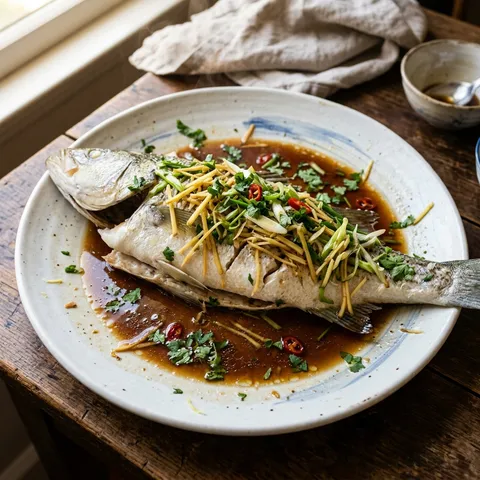 Chinese Lens Verified Images are for illustrative purposes only, may be inaccurate, and do not guarantee the presence or absence of specific ingredients.
 Steamed Fish with Soy and Ginger
A traditional banquet dish featuring delicately steamed whole fish with hot oil poured over aromatics.
 Chinese Lens Verified Images are for illustrative purposes only, may be inaccurate, and do not guarantee the presence or absence of specific ingredients.
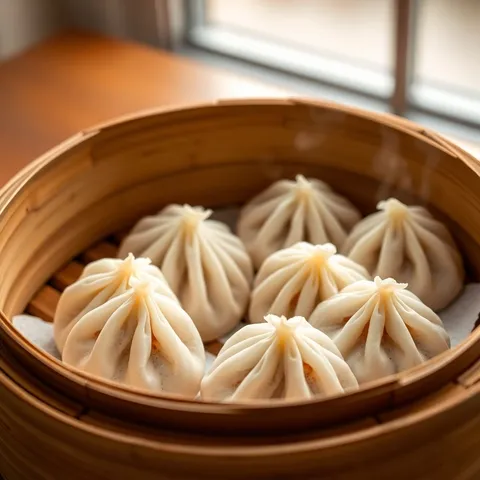
 Xiao Long Bao (Soup Dumplings)
Delicate steamed buns filled with pork and a rich, savory soup.
 Chinese Lens Verified Images are for illustrative purposes only, may be inaccurate, and do not guarantee the presence or absence of specific ingredients.
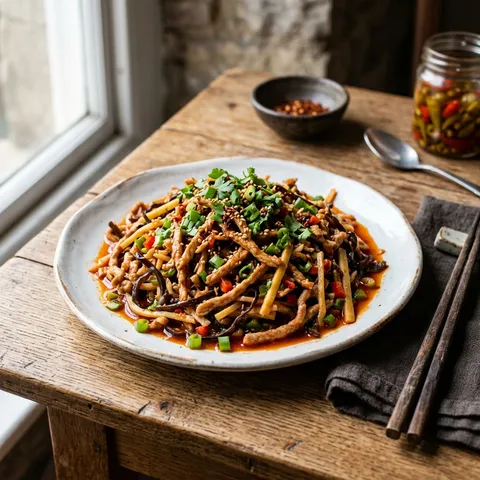
 Yuxiang Rou Si (Fish-Fragrant Pork Shreds)
A classic Sichuan dish that uses "fish-fragrant" seasoning (sweet, sour, and spicy) on pork shreds, containing no actual fish.