 Chinese Images are for illustrative purposes only, may be inaccurate, and do not guarantee the presence or absence of specific ingredients.
  Serving Images are for illustrative purposes only, may be inaccurate, and do not guarantee the presence or absence of specific ingredients.
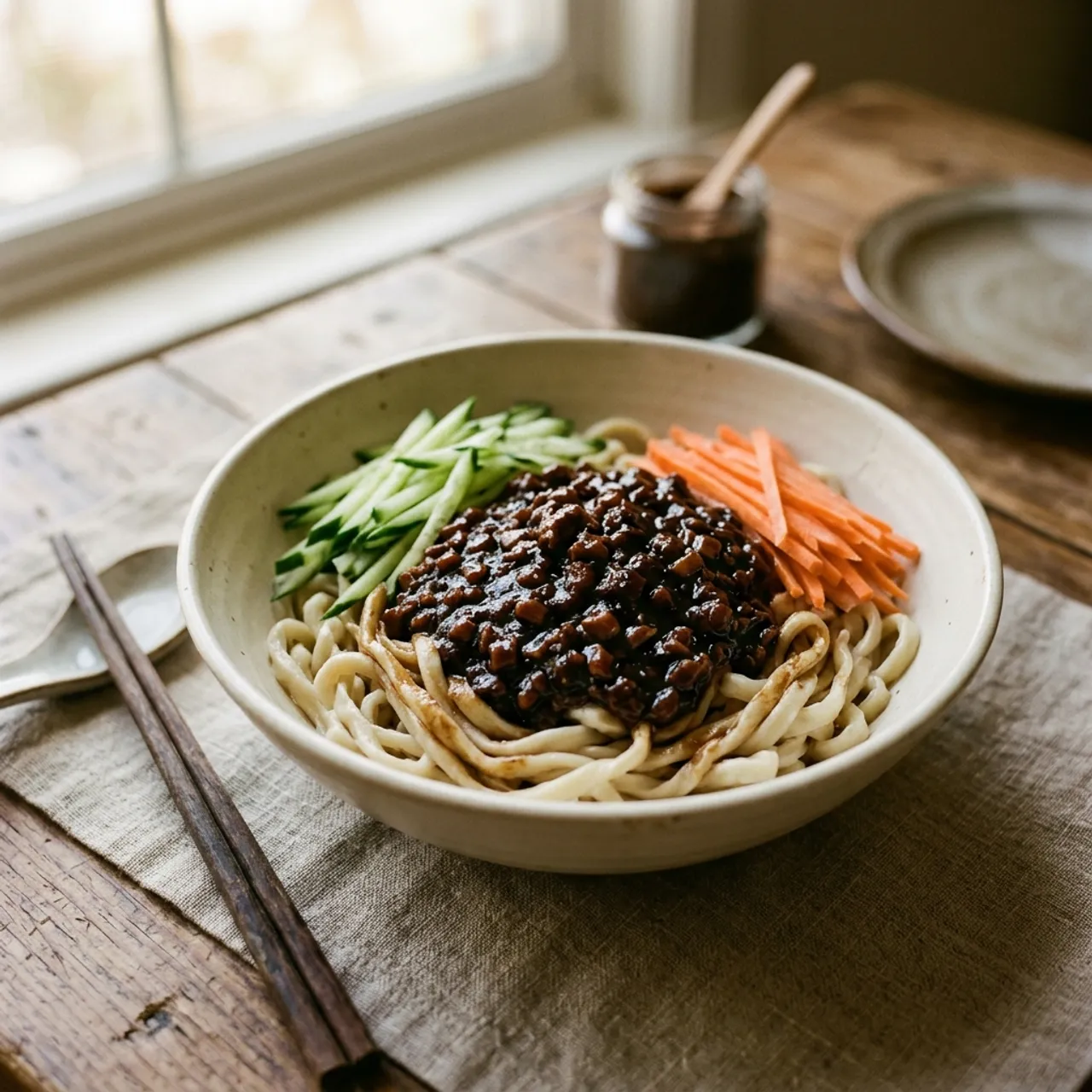
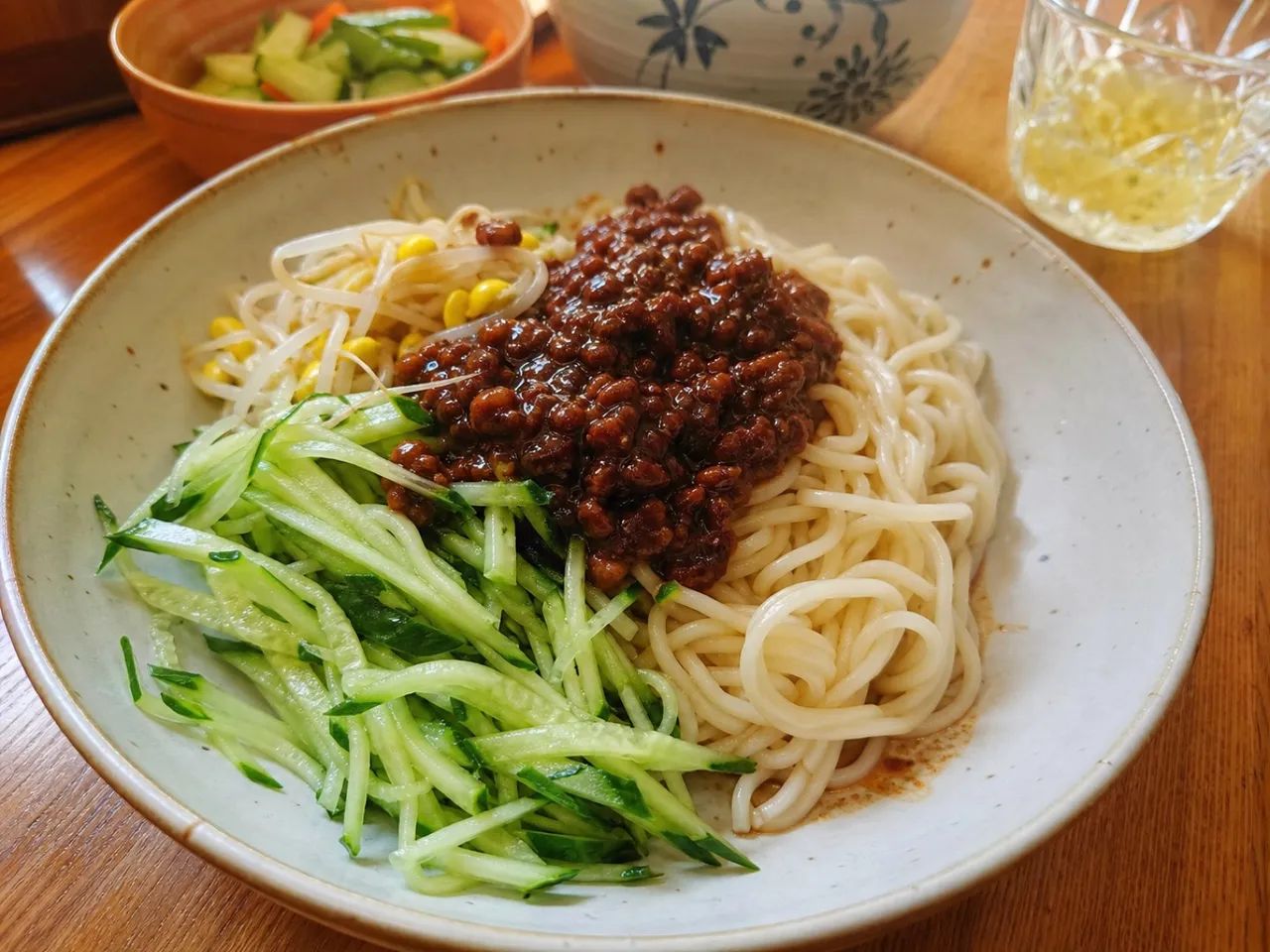
 Zhajiangmian
Northern Chinese noodle dish topped with a rich, savory fried bean sauce and pork.
Contains common allergens
In the app, Listahan checks these against your household automatically.
Instructions
6 steps- 1
Mix the Bean Sauces: In a small bowl, combine the sweet bean sauce, yellow soybean paste, dark soy sauce, and Shaoxing wine with 1/4 cup of water to loosen the mixture.
- 2
Fry the Pork: Heat a wok over medium-high heat with 2 tbsp of oil. Add the ground pork and stir-fry until completely browned and slightly crispy.
- 3
Aromatize: Push the pork to the side. Add the minced garlic to the oil and fry for 15 seconds until fragrant, then toss with the pork.
- 4
Cook the Meat Sauce: Pour the mixed bean sauce into the wok. Lower the heat to medium-low and simmer the sauce for 10-15 minutes, stirring occasionally. The oil should separate slightly from the dark, rich, thick paste.
- 5
Boil the Noodles: Bring a large pot of water to a boil. Cook the fresh noodles for 3-4 minutes until al dente. Drain thoroughly and divide among serving bowls.
- 6
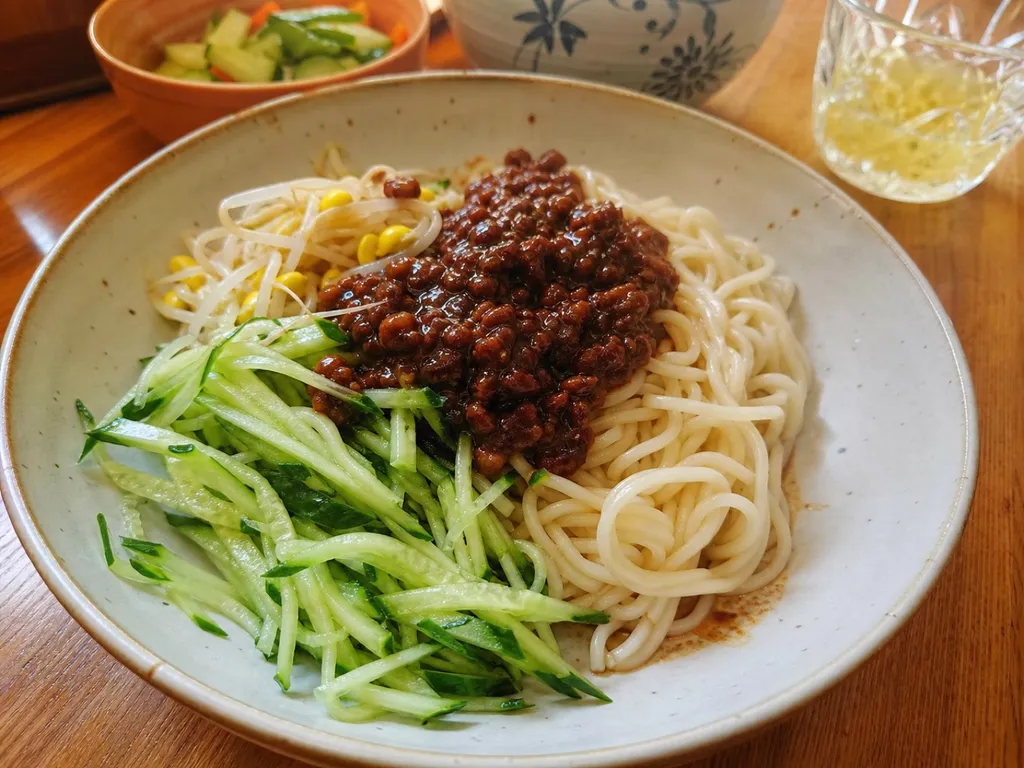
Assemble: Top the warm noodles generously with the rich pork and bean sauce. Arrange the julienned cucumber and blanched carrots around the edge. Mix thoroughly before eating.
 Images are for illustrative purposes only, may be inaccurate, and do not guarantee the presence or absence of specific ingredients.
 Listahan Family Score™
73/100
Good fit for most families
Score reflects how well this recipe fits a typical busy household. In the app, your Family Score is personalized to your household's allergens, kids, and pantry.
Nutrition
per serving590
Calories
31 g
Protein
90 g
Carbs
10 g
Fat
Estimated per serving. Actual values depend on the brands and portions you use.
Listahan cooking guide
Chef notes & practical guide
Technique notes, ingredient swaps, serve-alongside ideas, storage guidance, and equipment for this recipe.
Cultural context
Zhajiangmian (literally fried sauce noodles) is a Beijing staple that has been a part of northern Chinese daily life for well over a century, often described as Beijing's answer to Italy's pasta with meat sauce. The sauce is built on ground pork simmered with sweet bean sauce (tianmian jiang) until it becomes rich, dense, and slightly caramelized, then ladled over thick wheat noodles. Each diner typically adds their own assortment of raw crunchy toppings, making it an interactive dish that is both filling and fast.
Listahan note
This version keeps the sauce on the drier, concentrated side rather than soupy, so it coats every noodle strand without pooling at the bottom of the bowl.
Technique cues
- Cook the ground pork over medium heat until the fat renders out and the meat browns slightly before adding the bean sauce; skipping this browning step produces a sauce that tastes flat and steamed rather than savory and caramelized.
- The sauce is ready when it pulls away from the sides of the pan and a spoon drawn through it holds a clean line for two seconds; too loose and it slides off the noodles, too tight and it clumps.
- Toss the noodles with a light drizzle of sesame oil immediately after cooking to prevent sticking while you arrange the toppings.
Kitchen flow
- Parallel prep
- Slice or julienne all the raw toppings (cucumber, radish, bean sprouts, scallion) while the sauce simmers; they take about 15 minutes to prepare and the sauce simmers for around the same time.
- Make-ahead
- The pork sauce keeps refrigerated for up to 5 days and freezes well for 3 months; cook a double batch and pull from the freezer on busy nights.
- Leftover move
- Leftover sauce is excellent spooned over steamed rice or folded into scrambled eggs for a quick savory breakfast.
- Cleanup rhythm
- Deglaze the sauce pan with the noodle cooking water while both are still hot; the starchy water dissolves the dark bean paste residue with minimal scrubbing.
Ingredient brief
Role, handling, and swap guidance for each key ingredient.
ground pork
sauce protein
Purpose: Pork has the right fat content to keep the sauce moist and rich as it reduces, and it is the traditional and most flavorful choice for this sauce.
Handling: Do not drain the rendered fat; it is the cooking medium for the bean paste.
Adaptation: Ground turkey or chicken can replace pork for a lighter version, though the sauce will be less rich.
sweet bean sauce (tianmian jiang)
sauce foundation
Purpose: This thick, slightly sweet fermented wheat paste is what gives zhajiangmian its distinctive flavor that is unlike any other noodle sauce.
Handling: Add the paste directly to the rendered pork fat and stir constantly to prevent scorching on the bottom.
Adaptation: Hoisin sauce is the most accessible substitute; use slightly less as it is sweeter than tianmian jiang.
fresh wheat noodles
base
Purpose: Thick, chewy fresh wheat noodles stand up to the dense, heavy sauce without becoming overwhelmed.
Handling: Cook in a large pot of unsalted boiling water and rinse briefly with cold water to stop cooking, then toss with sesame oil.
Adaptation: Udon noodles are the most similar widely available substitute; dried spaghetti also works in a pinch.
garlic
aromatic
Purpose: Minced garlic cooked in the rendered fat before the sauce is added gives the zhajiang a subtle allium depth.
Handling: Mince finely so it dissolves into the sauce rather than remaining as chunks.
Adaptation: Garlic powder can substitute in small amounts if fresh garlic is unavailable.
Technique notes
- Add a tablespoon of the noodle cooking water to the sauce right before ladling; the starch loosens the sauce just enough to cling to the noodles without becoming watery.
- The raw vegetable toppings are not optional garnish; the crunch of cucumber and the brightness of scallion are structural elements that balance the rich, heavy sauce.
- For deeper flavor, substitute half the ground pork with pork belly, diced small; the rendered fat from the belly makes the sauce noticeably glossier.
Ingredient swaps
- Gluten-free direction
- Use tamari instead of soy sauce, choose a gluten-free hoisin or fermented black bean sauce, and serve over rice noodles or rice instead of wheat noodles.
- Vegetarian direction
- Replace ground pork with finely diced firm tofu or shiitake mushrooms sauteed until the moisture is fully gone; the sauce still clings well and the umami profile remains satisfying.
- Weeknight shortcut
- Use store-bought thick ramen noodles from the refrigerated section; they cook in 2 minutes and hold up to the sauce well.
Serve alongside
- cold sesame cucumber salad
- pickled garlic cloves
- simple mung bean soup
- cold barley tea
- light lager beer
Serving suggestions only — check pairings for your household's allergens.
Storage & reheating
- Store sauce and noodles separately in the refrigerator for up to 3 days; noodles stored with the sauce absorb it and turn dry.
- The sauce freezes well for up to 3 months; thaw overnight in the refrigerator and reheat over low heat with a splash of water to loosen.
Equipment
- large skillet or wok for browning pork and building sauce
- large pot for boiling noodles
- wooden spoon or spatula for constantly working the sauce to prevent scorching
Make this household-aware
Listahan Pro checks this recipe against your household's allergens, finds pantry-aware swaps, builds the shopping list, and helps you plan the week around it.
Plan it in Listahan
Add Zhajiangmian to your week, check it against your household's allergens, and build the shopping list automatically.
More Chinese recipes
 Chinese Lens Verified Images are for illustrative purposes only, may be inaccurate, and do not guarantee the presence or absence of specific ingredients.
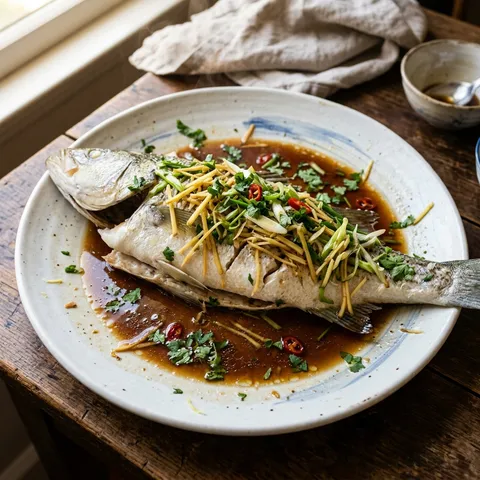
 Steamed Fish with Soy and Ginger
A traditional banquet dish featuring delicately steamed whole fish with hot oil poured over aromatics.
 Chinese Lens Verified Images are for illustrative purposes only, may be inaccurate, and do not guarantee the presence or absence of specific ingredients.
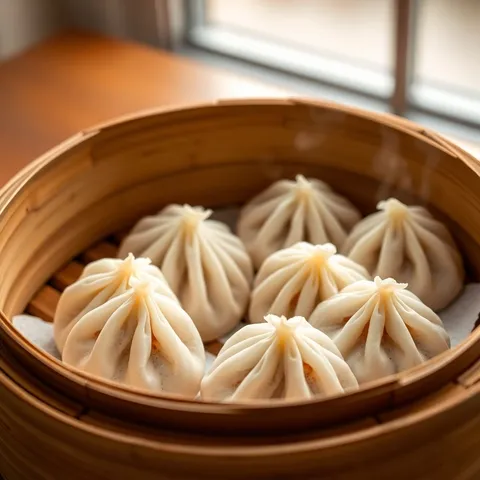
 Xiao Long Bao (Soup Dumplings)
Delicate steamed buns filled with pork and a rich, savory soup.
 Chinese Lens Verified Images are for illustrative purposes only, may be inaccurate, and do not guarantee the presence or absence of specific ingredients.
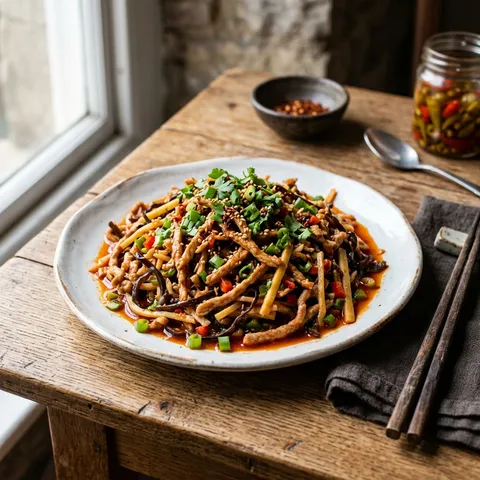
 Yuxiang Rou Si (Fish-Fragrant Pork Shreds)
A classic Sichuan dish that uses "fish-fragrant" seasoning (sweet, sour, and spicy) on pork shreds, containing no actual fish.