 Desserts Images are for illustrative purposes only, may be inaccurate, and do not guarantee the presence or absence of specific ingredients.
  Serving Images are for illustrative purposes only, may be inaccurate, and do not guarantee the presence or absence of specific ingredients.
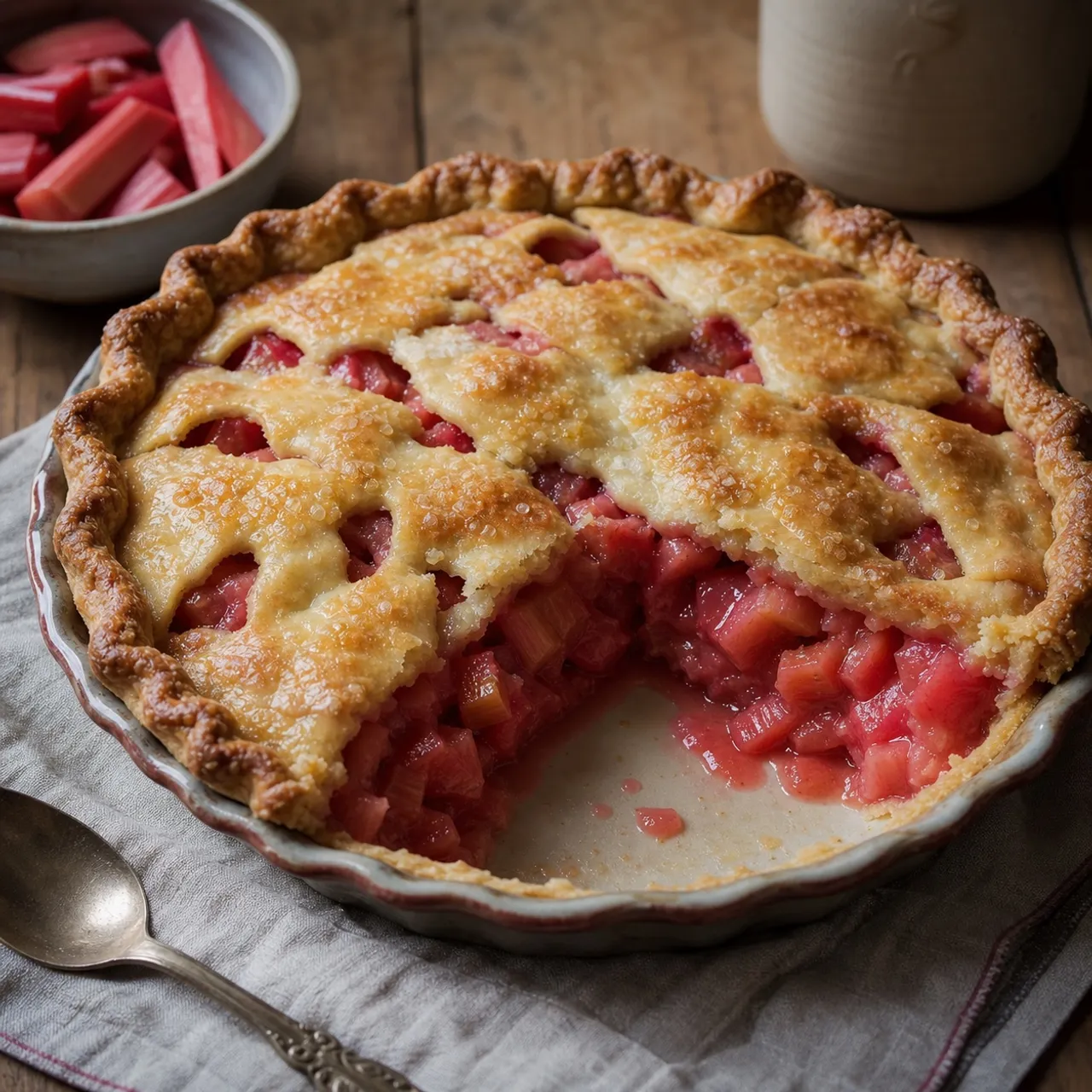
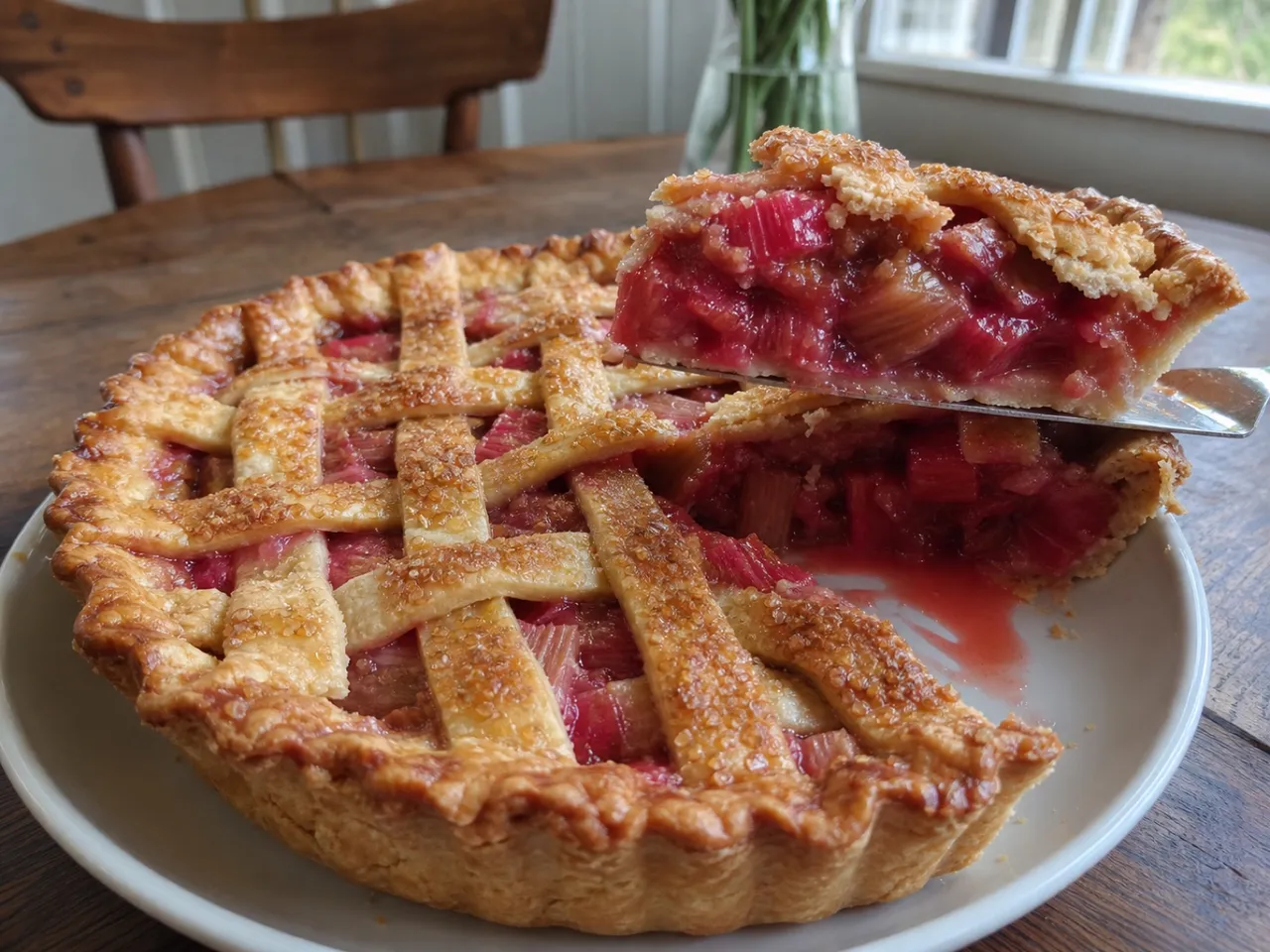
 Fresh Rhubarb Pie
A tangy-sweet lattice-topped rhubarb pie brightened with orange and a hint of nutmeg.
Contains common allergens
In the app, Listahan checks these against your household automatically.
Instructions
6 steps- 1
Roll half of the pastry to 1/8-inch thickness on a lightly floured surface. Place it in a 9-inch pie plate and trim off the excess pastry along the edges. Cover with plastic wrap and chill until ready to fill.
- 2
In a heavy saucepan, combine the sugar, cornstarch, and nutmeg, stirring to blend the cornstarch well. Stir in the grated orange rind, orange juice, and butter.
- 3
Cook over medium heat, stirring constantly, until the mixture is thickened and bubbly. Stir in the chopped rhubarb.
- 4
Spoon the rhubarb mixture into the prepared pastry shell.
- 5
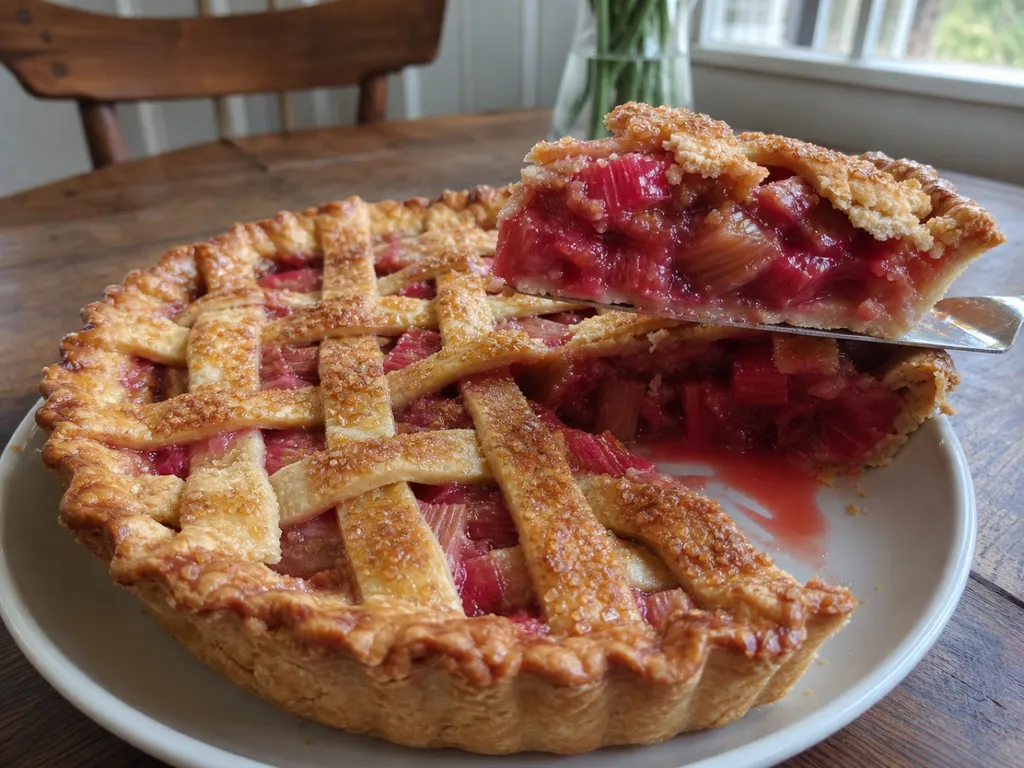
Roll the remaining pastry to 1/4-inch thickness and cut into 1/2-inch strips. Arrange the strips lattice-fashion across the top of the pie, trim them even with the edges, then fold the edges under and flute.
- 6
Bake at 425°F (220°C) for 10 minutes, then reduce the heat to 350°F (175°C) and bake an additional 30 minutes, or until the crust is golden brown. Cool before slicing.
 Images are for illustrative purposes only, may be inaccurate, and do not guarantee the presence or absence of specific ingredients.
 Listahan Family Score™
74/100
Good fit for most families
Score reflects how well this recipe fits a typical busy household. In the app, your Family Score is personalized to your household's allergens, kids, and pantry.
Nutrition
per serving265
Calories
0 g
Protein
41 g
Carbs
12 g
Fat
Estimated per serving. Actual values depend on the brands and portions you use.
Listahan cooking guide
Chef notes & practical guide
Technique notes, ingredient swaps, serve-alongside ideas, storage guidance, and equipment for this recipe.
Cultural context
Rhubarb cultivation spread through northern Europe and into North America in the 18th century, where the plant thrived in cold-climate kitchen gardens. American cooks in New England and the upper Midwest began sweetening the fibrous stalks into pies by the early 1800s, earning rhubarb the folk name 'pie plant.' The pairing of rhubarb with orange juice and zest is a regional variation that brightens the tart filling without the strawberry typically added in the classic strawberry-rhubarb combination.
Listahan note
This version uses orange juice and zest instead of strawberries, letting rhubarb's assertive tartness stand on its own while the citrus rounds out the flavor without adding more sugar.
Technique cues
- Cornstarch thickens the filling only after it reaches near-boiling temperature; if the pie looks runny at the edge of the oven window, it is likely still in the gelatinization phase and will set as it cools.
- Nutmeg in small quantities supports fruit flavors without being identifiable; it works as a background aromatic that amplifies the rhubarb's vegetal-tart notes.
- Cooking the rhubarb filling on the stovetop before encasing it in pastry reduces excess water, which prevents a soggy bottom crust in the finished pie.
Kitchen flow
- Parallel prep
- Roll and fit the bottom pie crust into the pan while the rhubarb filling cooks and cools on the stovetop.
- Make-ahead
- The filling can be made up to 2 days ahead and refrigerated; bring it to room temperature before pouring into the crust so it does not crack the pastry.
- Leftover move
- Serve leftover slices cold from the refrigerator alongside vanilla ice cream, or warm a slice in a 300-degree oven for 10 minutes.
- Cleanup rhythm
- Rinse the cornstarch pot immediately after emptying it; dried cornstarch paste is difficult to scrub off.
Ingredient brief
Role, handling, and swap guidance for each key ingredient.
4 cups chopped rhubarb
primary fruit and flavor base
Purpose: Rhubarb delivers the signature tartness of this pie; only the stalks are used because the leaves contain oxalic acid and are not edible.
Handling: Trim the leaf end and the root end, then cut stalks into 1/2-inch pieces for even cooking.
Adaptation: Frozen rhubarb (thawed and drained) works well in the off-season; discard excess liquid before adding to the filling.
1 1/2 cups sugar
sweetener and filling balance
Purpose: Rhubarb is extremely tart on its own; the high sugar ratio is necessary to create a palatable filling rather than an astringent one.
Handling: Measure and combine with cornstarch and nutmeg before adding liquids to ensure even distribution.
Adaptation: Reduce to 1 1/4 cups if you prefer a more tart result, or use 3/4 cup sugar plus 3/4 cup coconut sugar for a slight caramel undertone.
2 1/2 Tbsp cornstarch
thickening agent
Purpose: Cornstarch forms a clear, firm gel when cooked with the fruit juices, yielding a sliceable filling that holds its shape when cut.
Handling: Whisk with the dry sugar and spice before adding any liquid to prevent clumping.
Adaptation: Tapioca starch (same amount) creates a slightly glossier, more elastic gel that is a good alternative.
1/2 cup orange juice
liquid and flavor brightener
Purpose: Orange juice adds acidity and a floral citrus note that complements the rhubarb tartness without muddying it.
Handling: Use freshly squeezed for the brightest flavor, or good-quality not-from-concentrate juice.
Adaptation: Apple juice gives a mellower sweetness; lemon juice plus water (1 Tbsp lemon to 7 Tbsp water) intensifies the tartness.
1/2 cup butter
richness and gloss
Purpose: Butter stirred into the warm filling adds fat that smooths the texture and helps the filling hold together when sliced.
Handling: Cut into small cubes so it melts evenly into the hot fruit mixture.
Adaptation: Vegan butter works directly; the filling will be slightly less glossy but the flavor difference is minor.
Technique notes
- Cool the cooked filling to room temperature before pouring into the unbaked shell; a hot filling steams the bottom crust and makes it gummy before the oven can crisp it.
- Brush the top crust with milk and sprinkle with coarse sugar before baking to get a golden, slightly crunchy top that contrasts with the soft filling.
- Let the baked pie rest at least 2 hours before slicing; the filling continues to set as it cools and will be runny if cut while warm.
Ingredient swaps
- Lower-sugar direction
- Reduce sugar to 1 cup and add 1 tsp of pure stevia extract; the filling will be slightly less glossy but still thickens well.
- Gluten-free direction
- Use a pre-made gluten-free refrigerated pie crust (now widely available) or make your own with a 1:1 gluten-free flour blend.
- Dairy-free option
- Replace butter with a vegan butter stick; the filling flavor and texture are nearly identical.
Serve alongside
- classic vanilla bean ice cream
- lightly sweetened creme fraiche
- simple whipped cream with orange zest folded in
- sparkling water with a squeeze of citrus
- light Riesling or off-dry Prosecco
Serving suggestions only — check pairings for your household's allergens.
Storage & reheating
- Store covered at room temperature for up to 1 day, or refrigerate for up to 4 days.
- Warm individual slices in a 300-degree oven for 10 minutes to revive the crust texture.
- Freeze the unbaked assembled pie (before egg wash) for up to 1 month; bake from frozen, adding 15-20 minutes to the bake time.
Equipment
- 9-inch pie plate
- medium saucepan for stovetop filling
- rolling pin
- pastry brush for egg or milk wash
Make this household-aware
Listahan Pro checks this recipe against your household's allergens, finds pantry-aware swaps, builds the shopping list, and helps you plan the week around it.
Plan it in Listahan
Add Fresh Rhubarb Pie to your week, check it against your household's allergens, and build the shopping list automatically.
More Desserts recipes
 Desserts Lens Verified Images are for illustrative purposes only, may be inaccurate, and do not guarantee the presence or absence of specific ingredients.
 Buttertart Squares
Chewy butter tart squares with a shortbread base and a gooey brown sugar, raisin, and walnut topping.
 Desserts Lens Verified Images are for illustrative purposes only, may be inaccurate, and do not guarantee the presence or absence of specific ingredients.
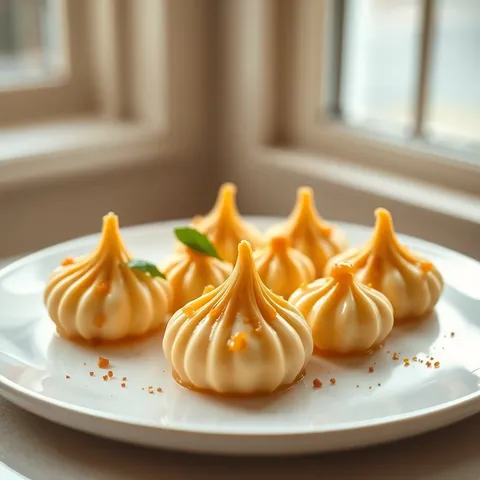
 Amber and Zach's Kisses
Light, crisp meringue kisses that melt in your mouth and make a pretty edible decoration.
 Desserts Lens Verified Images are for illustrative purposes only, may be inaccurate, and do not guarantee the presence or absence of specific ingredients.
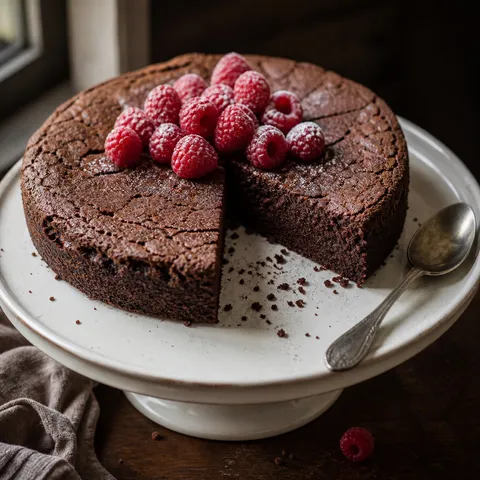
 Passover Flourless Chocolate Cake
A rich, dense flourless chocolate cake with no flour, matzo meal, or leavening — a naturally kosher-for-Passover dessert perfect for the seder table.