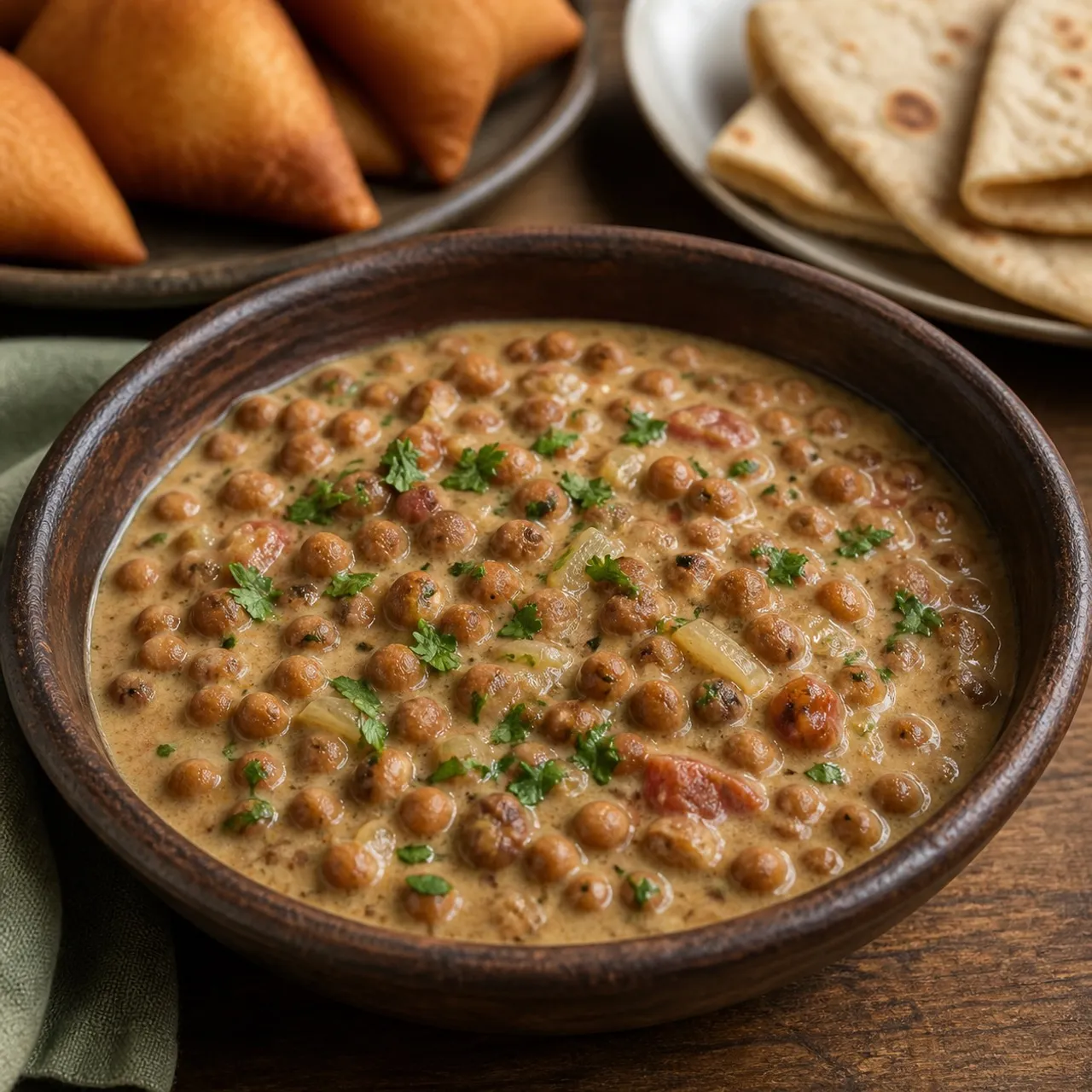
 East African Images are for illustrative purposes only, may be inaccurate, and do not guarantee the presence or absence of specific ingredients.
 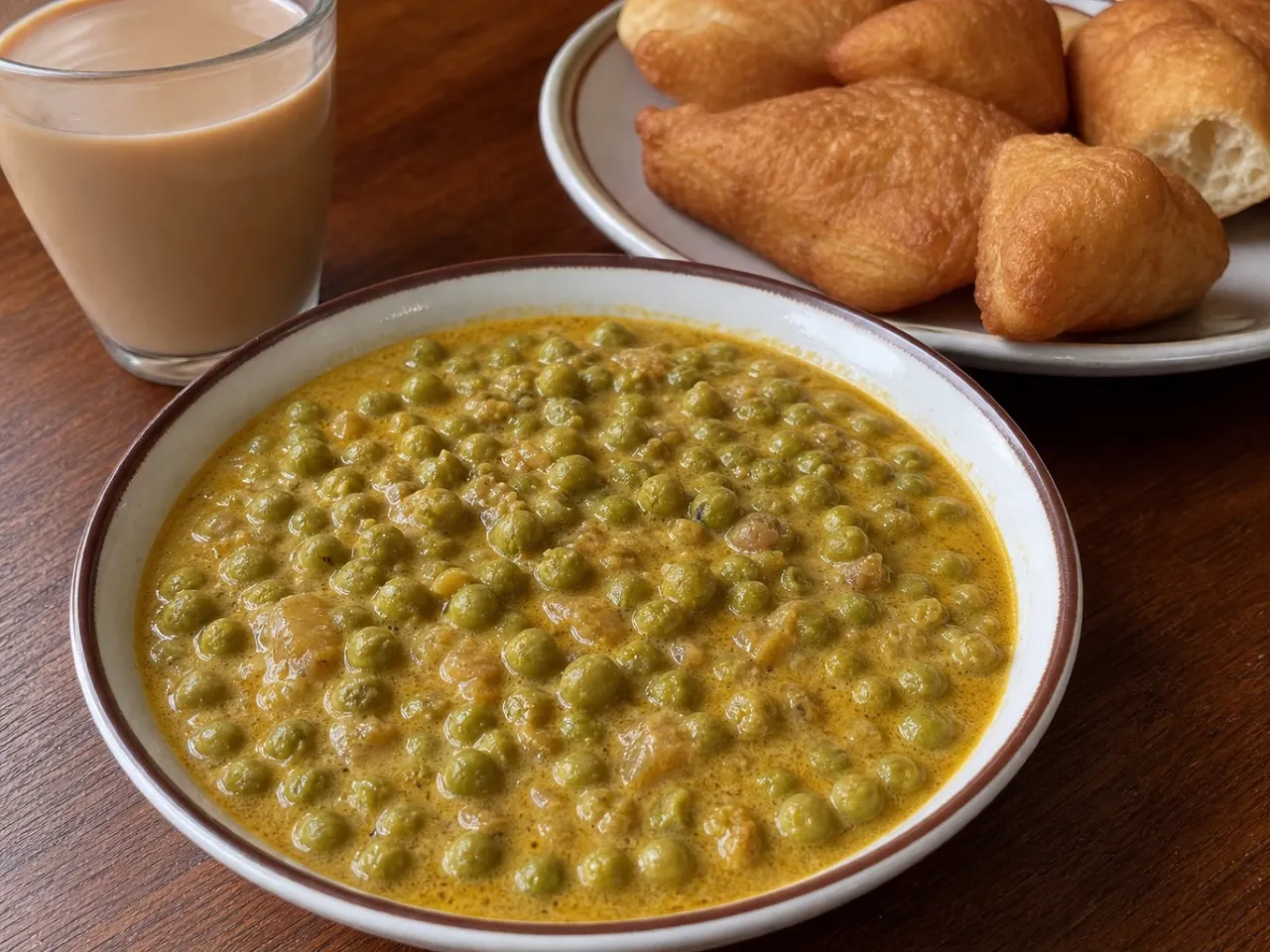 Serving Images are for illustrative purposes only, may be inaccurate, and do not guarantee the presence or absence of specific ingredients.
 Mbaazi wa Nazi
A creamy Swahili coastal stew of pigeon peas simmered in spiced coconut milk, classically paired with mahamri for a hearty morning meal.
No common allergens detected
Based on this recipe's ingredient list. Always verify with your own brands and labels.
Good to know
- One-pot
Matched from this dish's own ingredients and timing. Browse more: one-pot dinners
Instructions
5 steps- 1
Heat 2 tablespoons of oil in a saucepan over medium heat and sauté the chopped onion for 4 to 5 minutes until soft and translucent.
- 2
Stir in the ground turmeric and cumin and cook for 30 seconds until fragrant, taking care not to scorch the spices.
- 3
Add the cooked pigeon peas along with 1/2 cup of water and a teaspoon of salt, then simmer gently for 10 minutes to let the flavors meld.
- 4
Pour in the coconut milk and bring to a low simmer, stirring occasionally, for another 8 to 10 minutes until the sauce thickens and coats the peas.
- 5
Lightly mash a few of the peas against the side of the pot to thicken the stew, then taste and adjust salt before serving warm.
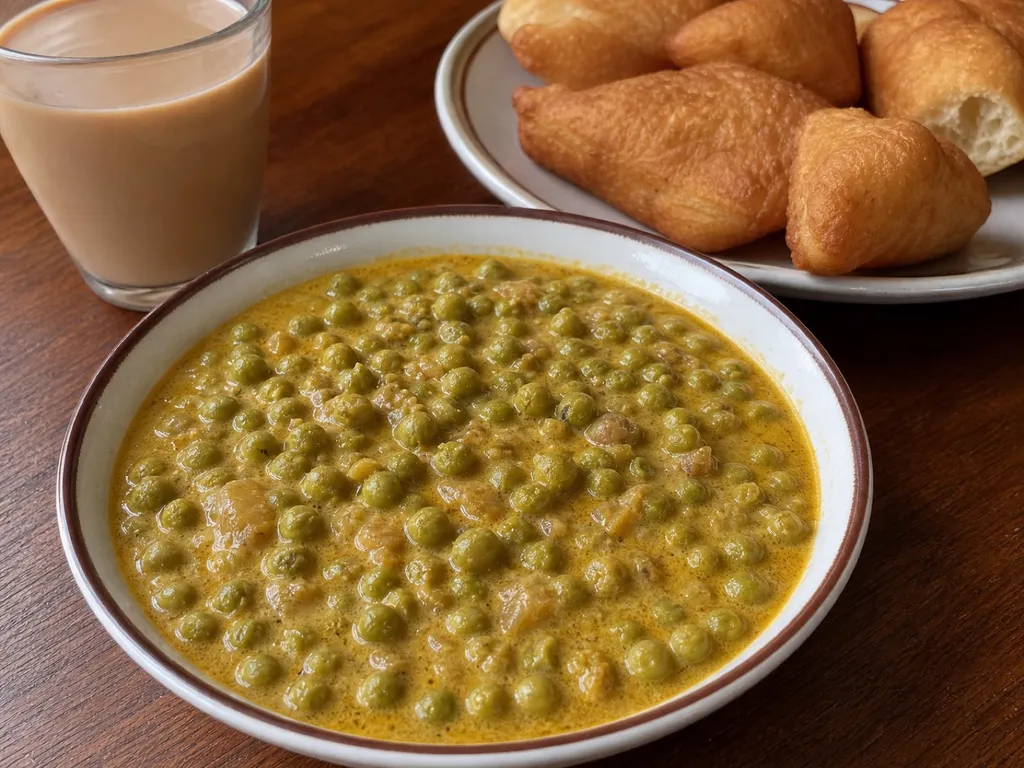 Images are for illustrative purposes only, may be inaccurate, and do not guarantee the presence or absence of specific ingredients.
 Listahan Family Score™
70/100
Good fit for most families
Score reflects how well this recipe fits a typical busy household. In the app, your Family Score is personalized to your household's allergens, kids, and pantry.
Nutrition
per serving280
Calories
6 g
Protein
18 g
Carbs
22 g
Fat
Estimated per serving. Actual values depend on the brands and portions you use.
Listahan cooking guide
Chef notes & practical guide
Technique notes, ingredient swaps, serve-alongside ideas, storage guidance, and equipment for this recipe.
Cultural context
Mbaazi wa nazi — pigeon peas cooked in coconut milk — is a cornerstone of Swahili coastal cooking in Kenya and Tanzania, particularly in Mombasa and the island of Lamu. The dish reflects the Indian Ocean trade network that brought pigeon peas (originally cultivated in South Asia and Africa) together with coconut palms and turmeric from South Asian spice traditions. It is most commonly eaten for breakfast with mahamri, but also appears as a side dish at coastal Kenyan weddings and celebrations.
Listahan note
This version uses canned or pre-cooked pigeon peas for a 20-minute weeknight preparation, and relies on simmering the coconut milk long enough to reduce it slightly into a creamy, clinging sauce rather than a thin soup.
Technique cues
- Pigeon peas have a firmer, earthier texture than chickpeas; if using canned, rinse them well and add them later in the cooking process so they absorb the coconut flavor without turning mushy.
- Turmeric colors the sauce a pale golden yellow and adds a faint bitterness that balances the richness of the coconut milk — use no more than the specified amount, as too much turns the dish medicinal.
- Reducing the coconut milk over medium heat for several minutes concentrates its flavor and creates a sauce that coats the peas rather than pooling at the bottom of the bowl.
Kitchen flow
- Parallel prep
- If serving with mahamri, start frying the mahamri while the mbaazi reduces — both finish around the same time.
- Make-ahead
- Mbaazi wa nazi tastes better the next day as the peas absorb the coconut sauce fully; make up to 2 days ahead and reheat gently.
- Leftover move
- Mash leftover mbaazi coarsely and use as a filling for flatbreads or as a spread on toast with a squeeze of lime.
- Cleanup rhythm
- One pot does all the work; deglaze with a splash of water while still warm to release any stuck bits before washing.
Ingredient brief
Role, handling, and swap guidance for each key ingredient.
2 cups cooked pigeon peas (or 1 can, drained and rinsed)
main protein and body
Purpose: Pigeon peas are the defining ingredient, providing plant protein, a creamy texture when cooked, and a slightly nutty, earthy flavor.
Handling: Drain and rinse canned peas thoroughly to remove the canning liquid, which can make the sauce taste metallic.
Adaptation: Black-eyed peas are the closest substitute and cook similarly; chickpeas work but are starchier and take longer to absorb the sauce.
1 1/2 cups coconut milk
sauce base and richness
Purpose: Full-fat coconut milk creates the silky, lightly sweet sauce that defines this dish and distinguishes it from inland East African legume stews.
Handling: Shake the can before opening; if the fat has separated in the can, stir it smooth before adding.
Adaptation: Light coconut milk works for a thinner sauce; oat milk cream can substitute for dairy-free cooks but will need reducing longer to thicken.
1 medium onion, finely chopped
aromatic base
Purpose: Softened onion provides the savory foundation that balances the sweetness of the coconut milk.
Handling: Chop finely and cook over medium heat until translucent and starting to color — about 7 minutes — before adding spices.
Adaptation: Two large shallots can replace the onion for a slightly sweeter, more delicate base.
1/2 tsp ground turmeric
color and mild bitterness
Purpose: Turmeric is essential to the golden color and the faint earthy bitterness that keeps the dish from tasting too rich.
Handling: Add directly to the softened onion with the cumin and cook for 30 seconds to bloom the spices in the oil.
Adaptation: Saffron dissolved in a tablespoon of warm water provides color but not the same earthy note; use turmeric if at all possible.
1 tsp ground cumin
warm spice layer
Purpose: Cumin adds warmth and depth that complements the pigeon peas without overwhelming the delicate coconut flavor.
Handling: Bloom in the oil with the onions for 30-60 seconds before adding liquid to activate the fat-soluble flavor compounds.
Adaptation: Ground coriander can replace half the cumin for a slightly citrusy variation.
Technique notes
- Season the dish at the very end — coconut milk reduces and concentrates saltiness as it cooks, so early heavy salting can make the finished dish too salty.
- If the sauce is thinner than you like after the peas are cooked through, remove the peas with a slotted spoon and reduce the coconut milk alone for 3-4 minutes before returning them.
- A squeeze of fresh lime juice stirred in off the heat brightens the entire dish and cuts through the richness of the coconut milk — do not skip it.
Ingredient swaps
- Vegan direction
- This recipe is naturally vegan; serve with plant-based mahamri for a fully plant-based traditional Swahili breakfast.
- Lower fat option
- Substitute half the coconut milk with vegetable broth; the sauce will be thinner and less rich but still flavorful.
- Allergy-friendly protein
- Lentils (red or green) can replace pigeon peas for a legume-allergy workaround, though the texture and flavor will differ.
Serve alongside
- mahamri (cardamom-spiced coconut doughnuts)
- chapati
- white rice with a wedge of lime
- spiced chai tea with whole milk
- fresh tamarind juice
Serving suggestions only — check pairings for your household's allergens.
Storage & reheating
- Refrigerate in a covered container for up to 4 days; the sauce thickens considerably when cold.
- Reheat on the stovetop over medium-low heat with a splash of coconut milk or water to loosen the sauce, stirring gently.
- Freezes well for up to 2 months; thaw overnight in the refrigerator and reheat with additional coconut milk to restore creaminess.
Equipment
- medium saucepan or wide skillet
- wooden spoon or silicone spatula
- fine-mesh strainer for rinsing canned peas
Make this household-aware
Listahan Pro checks this recipe against your household's allergens, finds pantry-aware swaps, builds the shopping list, and helps you plan the week around it.
Plan it in Listahan
Add Mbaazi wa Nazi to your week, check it against your household's allergens, and build the shopping list automatically.
More East African recipes
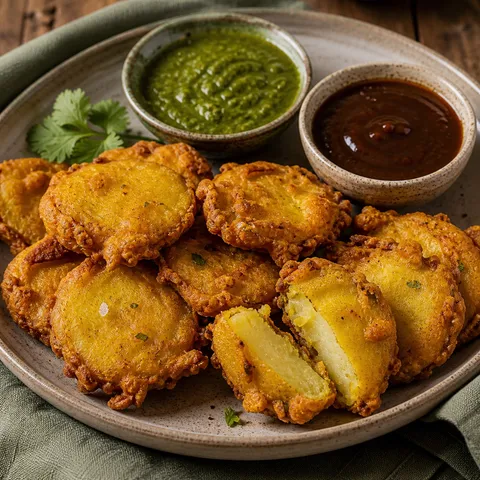 East African Lens Verified Images are for illustrative purposes only, may be inaccurate, and do not guarantee the presence or absence of specific ingredients.
 Viazi Karai
A Zanzibari street favorite of soft boiled potatoes coated in a turmeric-yellow batter and deep-fried until crackling, served with fiery tamarind sauce.
 East African Lens Verified Images are for illustrative purposes only, may be inaccurate, and do not guarantee the presence or absence of specific ingredients.
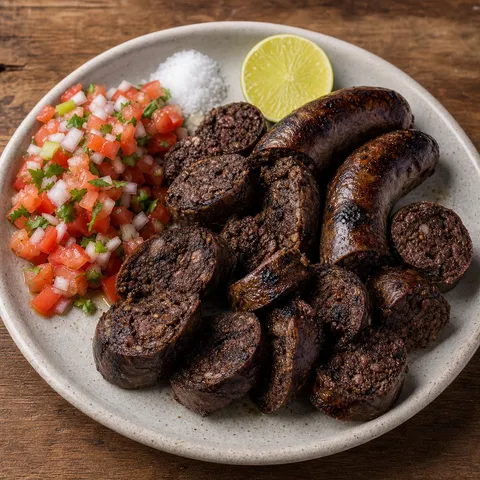
 Mutura
Kenyan spiced blood sausage stuffed with meat, onion, and herbs, then grilled until the casing crisps and snaps — a bold, smoky roadside delicacy.
 East African Lens Verified Images are for illustrative purposes only, may be inaccurate, and do not guarantee the presence or absence of specific ingredients.
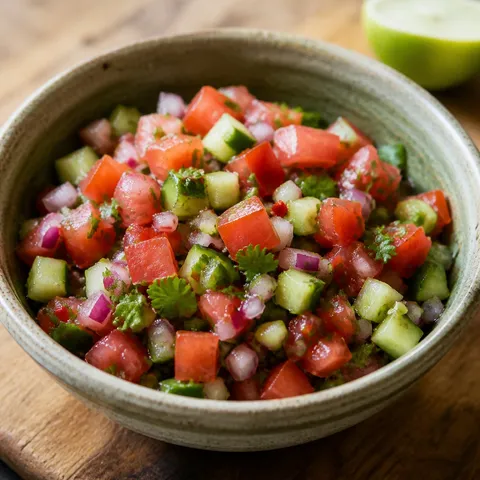
 Kachumbari
Bright, refreshing salad of ripe tomatoes and sharp raw onion, spiked with chili and lime — the cool, crisp counterpoint to rich East African grills.