 East African Images are for illustrative purposes only, may be inaccurate, and do not guarantee the presence or absence of specific ingredients.
  Serving Images are for illustrative purposes only, may be inaccurate, and do not guarantee the presence or absence of specific ingredients.
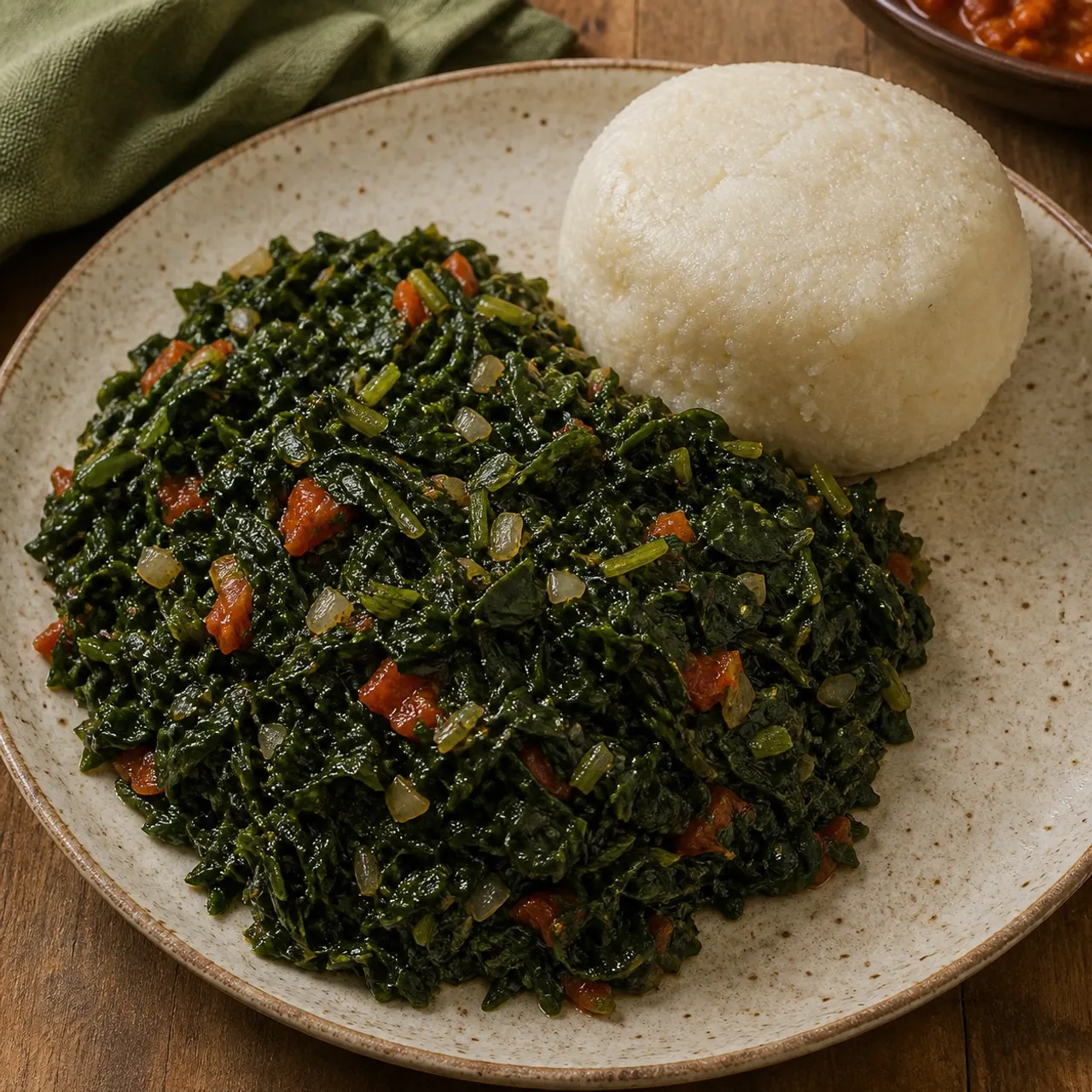
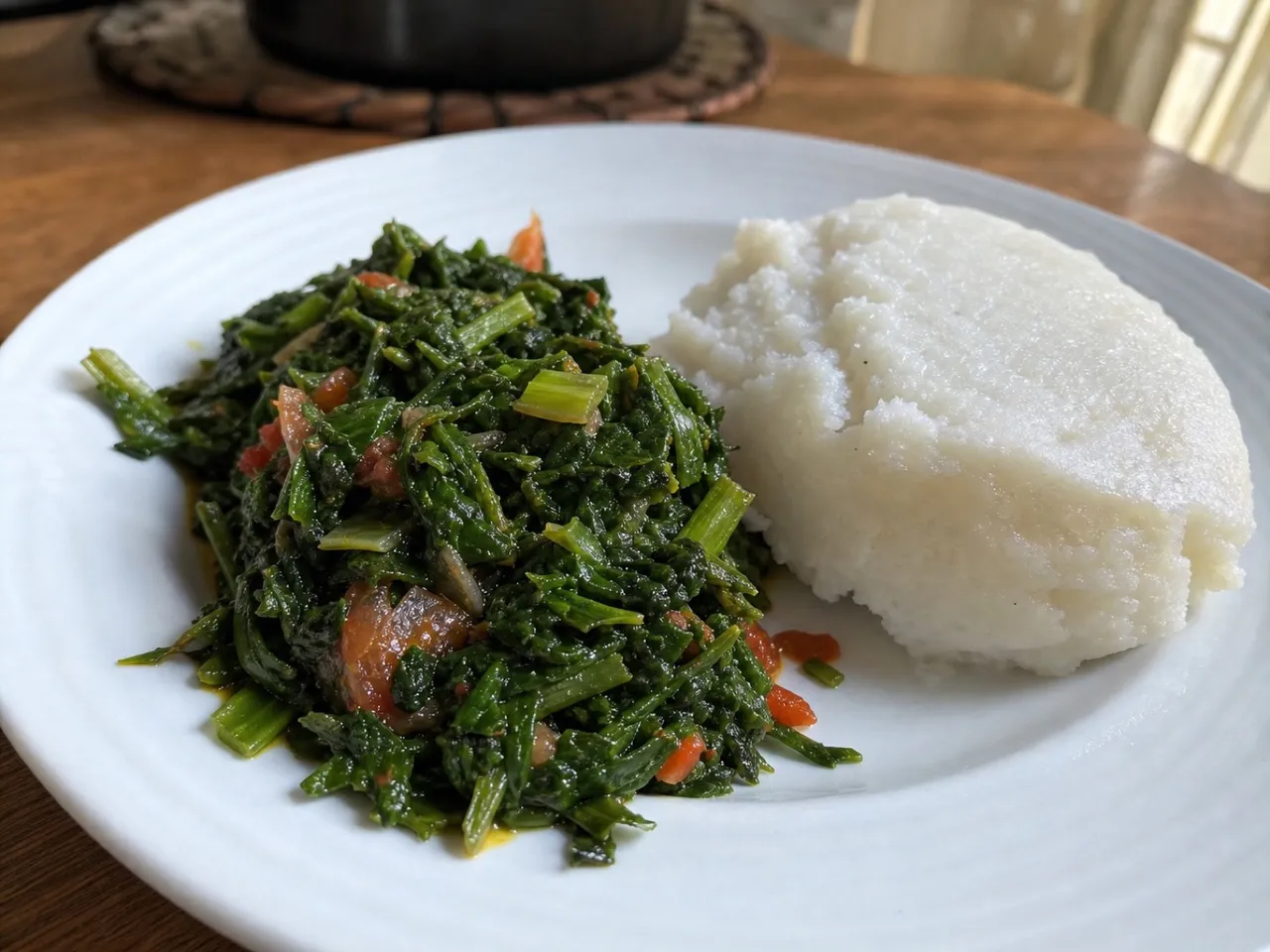
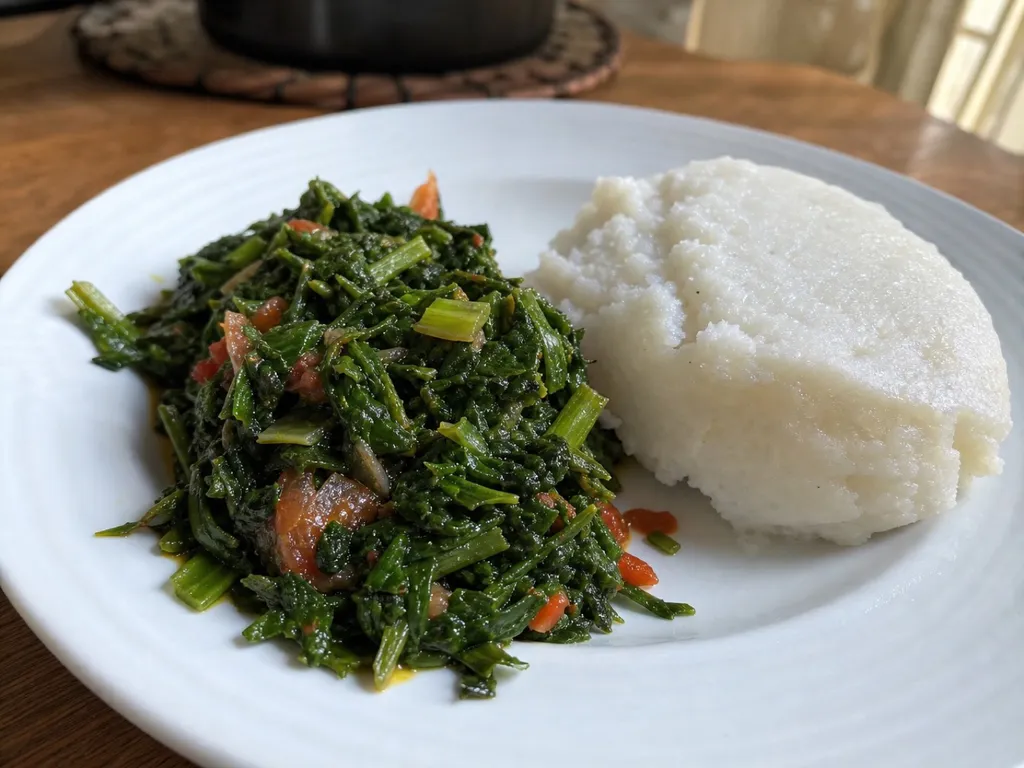
 Sukuma Wiki
Tender braised kale sautéed with onion and tomato, this everyday Kenyan side is simple, nourishing, and perfect alongside a wedge of ugali.
No common allergens detected
Based on this recipe's ingredient list. Always verify with your own brands and labels.
Good to know
- Ready in under 30 minutes
Matched from this dish's own ingredients and timing. Browse more: 30-minute meals
Instructions
6 steps- 1
Heat the vegetable oil in a large skillet or pot over medium heat.
- 2
Add the diced onions and sauté for 3-4 minutes until translucent and fragrant.
- 3
Stir in the chopped tomatoes, cooking for another 5 minutes until they break down into a soft paste.
- 4
Add the thinly sliced collard greens to the pot, tossing well to coat them in the tomato-onion mixture.
- 5
Season with salt and black pepper. If the mixture is too dry, add 1/4 cup of water.
- 6
Cover the pot and simmer for 5-8 minutes until the greens are tender but still bright green. Serve hot.
 Images are for illustrative purposes only, may be inaccurate, and do not guarantee the presence or absence of specific ingredients.
 Listahan Family Score™
75/100
Good fit for most families
Score reflects how well this recipe fits a typical busy household. In the app, your Family Score is personalized to your household's allergens, kids, and pantry.
Nutrition
per serving85
Calories
1 g
Protein
5 g
Carbs
7 g
Fat
Estimated per serving. Actual values depend on the brands and portions you use.
Listahan cooking guide
Chef notes & practical guide
Technique notes, ingredient swaps, serve-alongside ideas, storage guidance, and equipment for this recipe.
Cultural context
Sukuma wiki is Swahili for 'push the week' or 'stretch the week,' reflecting its role as an affordable daily vegetable across Kenya, Tanzania, and Uganda. Collard greens were introduced to East Africa and became a staple green because they grow year-round, are inexpensive, and hold up well to quick cooking. In Nairobi, sukuma wiki is sold pre-shredded at almost every market stall and eaten alongside ugali at nearly every household meal.
Listahan note
This version keeps the technique simple — a fast saute that wilts the greens just enough to lose their raw toughness while keeping some color and texture. The tomato-onion base is the flavor foundation.
Technique cues
- Slice the collard greens as thinly as possible (chiffonade-style); thick ribbons stay tough and take much longer to cook, while thin slices wilt evenly in under 5 minutes.
- Cook the onion until it is deeply softened and just starting to color before adding the tomatoes; rushing this base means the final dish tastes raw and sharp rather than savory and slightly sweet.
- Add the greens to the pan in batches if needed, folding them into the tomato-onion mixture with tongs; they will wilt down dramatically and only need 3-4 minutes over high heat to reach the right tender-but-not-mushy texture.
Kitchen flow
- Parallel prep
- Start ugali or rice first; sukuma wiki cooks in under 10 minutes and should be finished just before serving.
- Make-ahead
- The tomato-onion base can be cooked up to 2 days ahead and refrigerated; add sliced greens and finish the dish in 5 minutes at mealtime.
- Leftover move
- Leftover sukuma wiki folds well into scrambled eggs or an omelette for breakfast, or serves as a filling for chapati wraps.
- Cleanup rhythm
- One pan and a cutting board — wipe down the board right after slicing greens and the cleanup is minimal.
Ingredient brief
Role, handling, and swap guidance for each key ingredient.
1 large bunch collard greens (stems removed; thinly sliced)
primary vegetable
Purpose: Collard greens provide the dish's slightly bitter, earthy backbone and hold their structure better than spinach or kale during the quick saute.
Handling: Remove stems completely (they stay tough even when cooked) and slice leaves into very thin strips; wash and spin dry before cooking.
Adaptation: Kale works well as a direct substitute; spinach cooks much faster and goes mushy, so reduce the cooking time to 1-2 minutes if using it.
1 large red onion (diced)
aromatic base
Purpose: Red onion sweetens as it cooks and forms the flavor foundation for the entire dish; it also adds color to the final saute.
Handling: Dice medium-fine so the onion softens fully in the time it takes the tomatoes to break down.
Adaptation: Yellow onion is a straightforward substitute with a slightly more pungent flavor when raw but similar results when cooked.
2 ripe tomatoes (chopped)
sauce base and acidity
Purpose: The tomatoes break down quickly into a light sauce that coats the greens and balances their bitterness with gentle acidity.
Handling: Chop roughly; no need to peel or seed — the skin and seeds soften fully in the short cook time.
Adaptation: Two tablespoons of tomato paste dissolved in 1/4 cup water works in winter when fresh tomatoes are mealy and flavorless.
2 tbsp vegetable oil
cooking fat
Purpose: Oil carries heat evenly and prevents the onion from sticking during the initial saute.
Handling: Heat the oil until shimmering before adding onions to ensure proper browning rather than steaming.
Adaptation: Any neutral oil works; some cooks in coastal Kenya use coconut oil for a subtle tropical note.
Technique notes
- Use the highest heat your pan can sustain once the greens go in; high heat wilts them quickly and prevents waterlogging, which makes greens taste steamed rather than sauteed.
- Do not cover the pan while cooking the greens — the trapped steam creates excess liquid and dulls the color.
- Taste and adjust salt only at the end, after the tomatoes have fully cooked down; they concentrate and add saltiness as they reduce.
Ingredient swaps
- Vegan direction
- This dish is already fully vegan as written — no substitutions needed.
- Add protein
- Stir in a can of drained kidney beans or chickpeas with the tomatoes to make sukuma wiki a complete one-pan meal.
- Heat level
- Add one finely minced fresh chili or a pinch of cayenne with the onions for the spicier version common in coastal Kenya.
Serve alongside
- ugali (white maize porridge)
- chapati
- steamed white rice
- fried egg
- sweet milky chai
- cold water with lime
Serving suggestions only — check pairings for your household's allergens.
Storage & reheating
- Refrigerate in an airtight container for up to 3 days; the greens soften further but the flavor deepens.
- Reheat in a skillet over medium heat with a splash of water to loosen; microwaving works but makes the greens slightly mushy.
- Freezing is not recommended as the greens lose all texture on thawing.
Equipment
- large wide skillet or wok (12-inch minimum)
- sharp chef's knife for slicing greens
- tongs for folding greens into the pan
Make this household-aware
Listahan Pro checks this recipe against your household's allergens, finds pantry-aware swaps, builds the shopping list, and helps you plan the week around it.
Plan it in Listahan
Add Sukuma Wiki to your week, check it against your household's allergens, and build the shopping list automatically.
More East African recipes
 East African Lens Verified Images are for illustrative purposes only, may be inaccurate, and do not guarantee the presence or absence of specific ingredients.
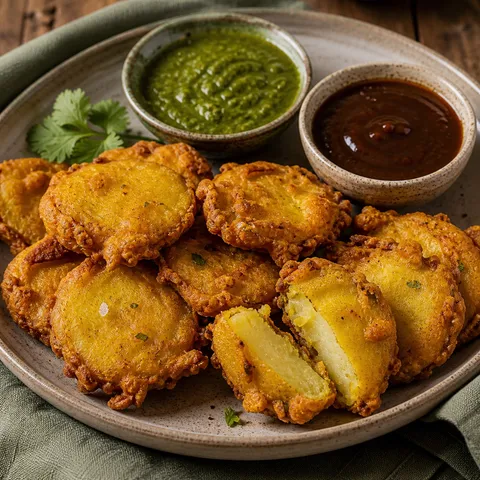
 Viazi Karai
A Zanzibari street favorite of soft boiled potatoes coated in a turmeric-yellow batter and deep-fried until crackling, served with fiery tamarind sauce.
 East African Lens Verified Images are for illustrative purposes only, may be inaccurate, and do not guarantee the presence or absence of specific ingredients.
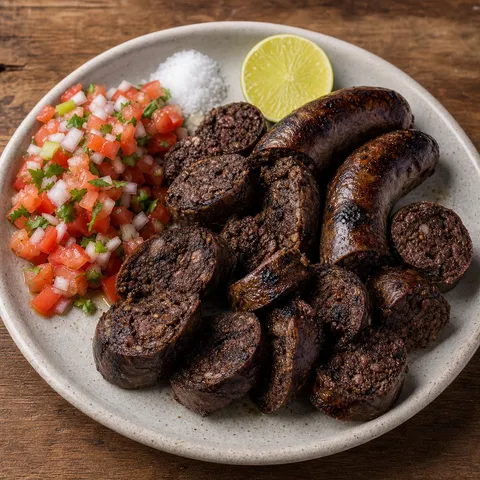
 Mutura
Kenyan spiced blood sausage stuffed with meat, onion, and herbs, then grilled until the casing crisps and snaps — a bold, smoky roadside delicacy.
 East African Lens Verified Images are for illustrative purposes only, may be inaccurate, and do not guarantee the presence or absence of specific ingredients.
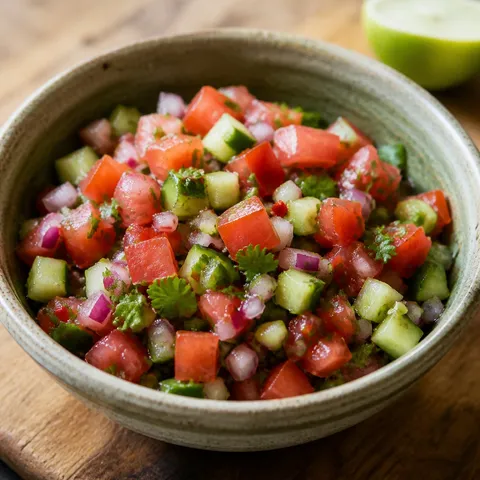
 Kachumbari
Bright, refreshing salad of ripe tomatoes and sharp raw onion, spiked with chili and lime — the cool, crisp counterpoint to rich East African grills.