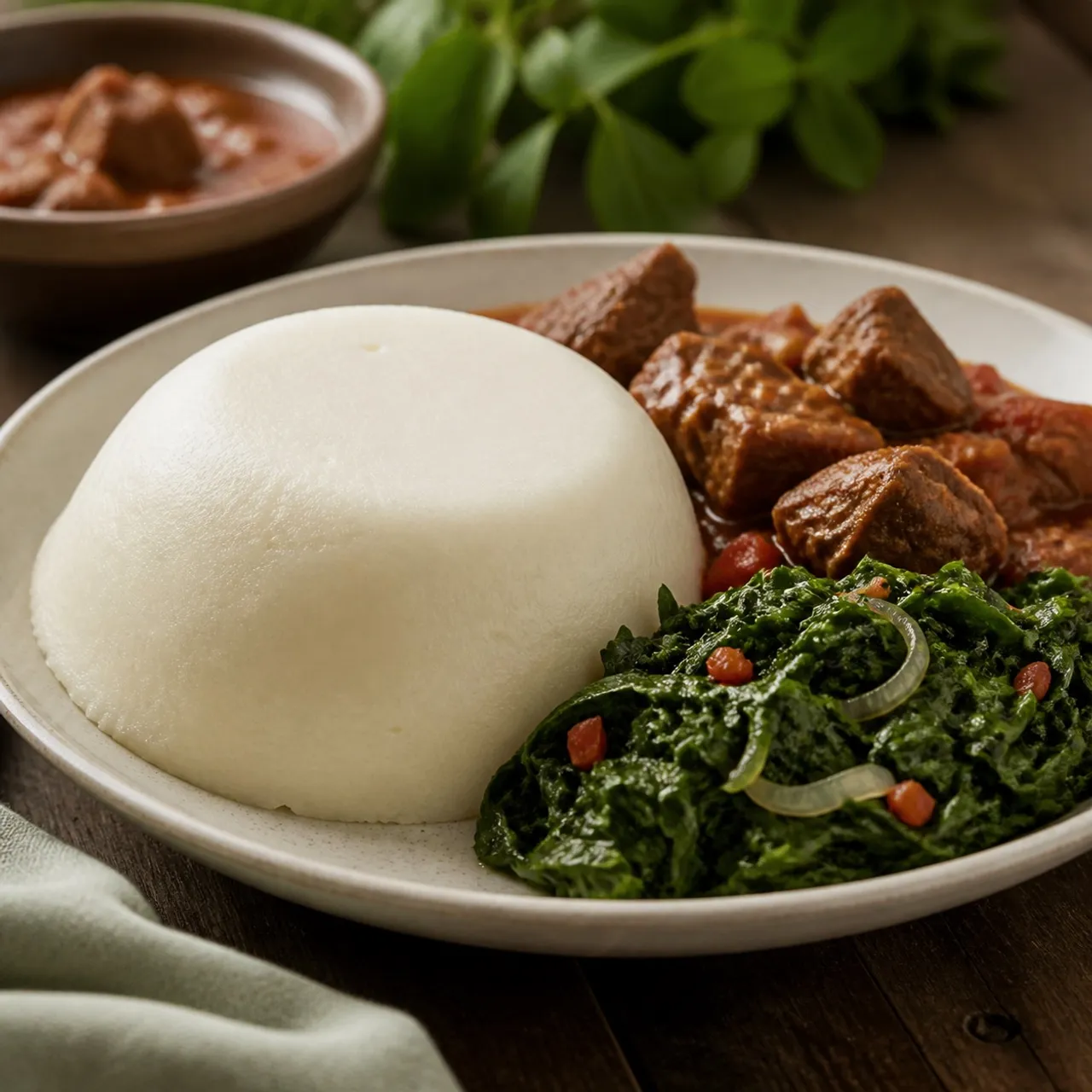
 East African Images are for illustrative purposes only, may be inaccurate, and do not guarantee the presence or absence of specific ingredients.
 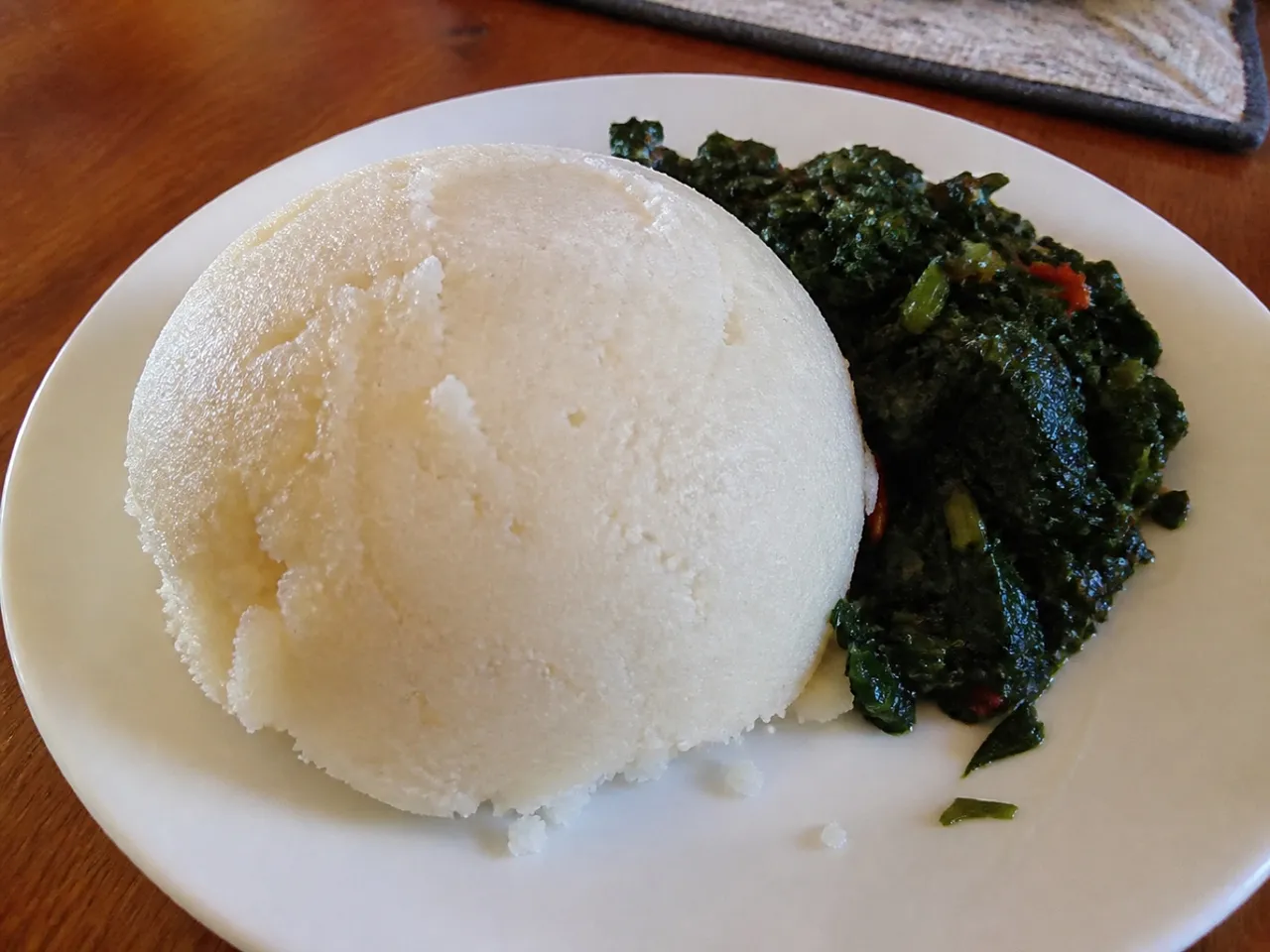 Serving Images are for illustrative purposes only, may be inaccurate, and do not guarantee the presence or absence of specific ingredients.
 Ugali
East Africa's anchor dish — dense, steaming maize porridge with a neutral, comforting bite that soaks up every sauce and stew on the plate.
Contains common allergens
In the app, Listahan checks these against your household automatically.
Good to know
- One-pot
- Ready in under 30 minutes
Matched from this dish's own ingredients and timing. Browse more: one-pot dinners30-minute meals
Instructions
6 steps- 1
Bring 4 cups of water to a rolling boil in a heavy-bottomed saucepan over high heat. Add salt if desired.
- 2
Gradually pour in 1 cup of maize flour while stirring continuously with a wooden spoon to prevent lumps from forming.
- 3
Once the mixture starts to thicken and bubble aggressively, reduce the heat to medium-low.
- 4
Gradually add the remaining maize flour, using the wooden spoon to smash any lumps against the side of the pot.
- 5
Continue to cook and turn the thick mixture for about 5-7 minutes until it pulls away from the sides of the pot and emits a roasted corn aroma.
- 6
Turn the Ugali out onto a plate, shaping it into a smooth dome. Let it rest for 2 minutes before serving.
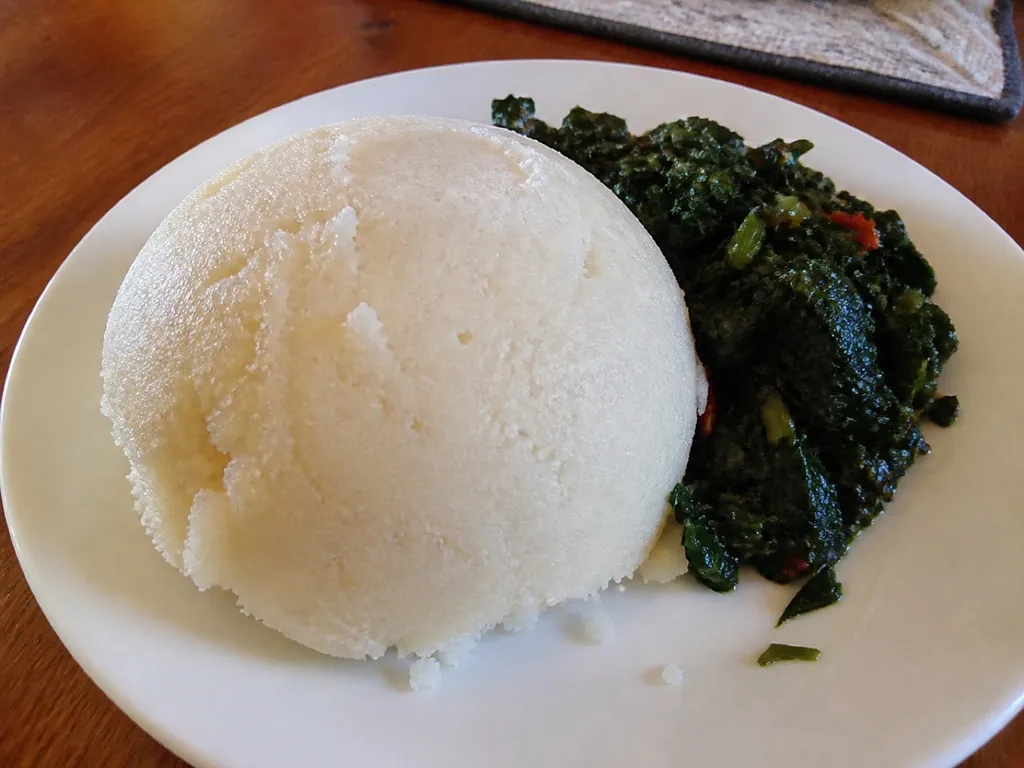 Images are for illustrative purposes only, may be inaccurate, and do not guarantee the presence or absence of specific ingredients.
 Listahan Family Score™
76/100
Good fit for most families
Score reflects how well this recipe fits a typical busy household. In the app, your Family Score is personalized to your household's allergens, kids, and pantry.
Nutrition
per serving230
Calories
6 g
Protein
48 g
Carbs
1 g
Fat
Estimated per serving. Actual values depend on the brands and portions you use.
Listahan cooking guide
Chef notes & practical guide
Technique notes, ingredient swaps, serve-alongside ideas, storage guidance, and equipment for this recipe.
Cultural context
Ugali is the foundational starch of East Africa, eaten daily across Kenya, Tanzania, Uganda, and beyond under different names — posho in Uganda, sima in Tanzania. Made from white maize flour, it became the regional staple after maize spread through Africa via Portuguese trade routes in the 16th century, displacing older sorghum and millet porridges. It functions less as a side dish and more as an edible utensil, used to scoop up stews, greens, and nyama choma.
Listahan note
This version uses fine white maize flour for a smooth, pliable texture that holds its shape when portioned. The ratio of flour to water and the constant stirring during the final stage are everything.
Technique cues
- Bring the water to a full boil before adding flour — pouring into cold or warm water causes lumping that cannot be stirred out later.
- Once the flour is incorporated, switch from a whisk to a wooden spoon or sturdy spatula and press the mixture against the sides of the pot as you stir; this works out lumps and develops the dense, moldable consistency ugali needs.
- Ugali is done when it pulls cleanly away from the sides of the pot and holds a firm shape when you press a spoon into it — underdone ugali is sticky and wet, while overdone ugali cracks when portioned.
Kitchen flow
- Parallel prep
- Start the stew or sukuma wiki in a separate pan before starting ugali; ugali cooks fast (10-12 minutes) and must be served immediately.
- Make-ahead
- Ugali does not hold well; it stiffens and dries within 30 minutes. Cook it last, right before serving.
- Leftover move
- Slice cold ugali into thick rounds and pan-fry in a little oil until a crust forms on both sides — it becomes a firm, savory cake good with fried eggs.
- Cleanup rhythm
- Fill the ugali pot with water immediately after portioning; cooked maize paste sets hard and is difficult to scrub off once it dries.
Ingredient brief
Role, handling, and swap guidance for each key ingredient.
2 cups fine white maize flour (cornmeal)
structural base
Purpose: Fine white maize flour gives ugali its characteristic pale color and smooth texture; coarser grinds produce a grainier, less cohesive result.
Handling: Measure and keep the flour in a bowl next to the stove so you can add it steadily with one hand while stirring with the other.
Adaptation: Yellow cornmeal works but produces a sweeter, more American-tasting result; for authenticity, seek out East African-style fine white maize flour at African grocery stores.
4 cups water
hydration and cooking medium
Purpose: The 2:1 water-to-flour ratio produces ugali firm enough to scoop and mold without crumbling.
Handling: Bring to a full rolling boil in a heavy-bottomed pot before adding any flour.
Adaptation: Some cooks use half water, half milk for a slightly richer flavor, common for breakfast ugali served with tea.
Heavy-bottomed pot and wooden spoon
Cooking vessel
Purpose: A thick pot distributes heat evenly to prevent scorching; a sturdy wooden spoon or long spatula is essential for the vigorous stirring that gives ugali its smooth, uniform texture.
Handling: The pot should be dry and preheated before adding water; this reduces the risk of the flour settling and forming lumps at the base.
Adaptation: A cast-iron Dutch oven retains heat well and maintains even temperature through the thickening phase; avoid thin aluminum pots that create hot spots.
Technique notes
- Add the flour in a slow, steady stream rather than all at once — this prevents clumping and gives you control over the final texture.
- Keep the heat at medium-high throughout cooking; too-low heat produces a gummy, undercooked texture even if the ugali looks done on the surface.
- Wet your hands with cold water before molding ugali into balls or mounds for serving; it prevents sticking and gives a clean, smooth shape.
Ingredient swaps
- Gluten-free direction
- White maize flour is naturally gluten-free, so this dish is already suitable for gluten-free diets as written.
- Lighter texture
- Replace up to half the maize flour with fine millet flour for a nuttier, slightly less dense ugali common in parts of Tanzania.
Serve alongside
- sukuma wiki (stewed collard greens with tomato and onion)
- nyama choma (grilled goat or beef)
- beef or lentil stew with tomato and cumin
- kachumbari fresh tomato and onion salad
- sweet milky chai tea
- cold Stoney Tangawizi ginger soda
Serving suggestions only — check pairings for your household's allergens.
Storage & reheating
- Store leftover ugali wrapped in plastic wrap at room temperature for up to 4 hours; refrigerate for up to 2 days.
- Reheat by slicing and pan-frying in oil, or microwave with a damp paper towel covering the portion for 60-90 seconds.
- Freezing is not recommended; ugali becomes grainy and watery on thawing.
Equipment
- heavy-bottomed 3-quart pot
- long wooden spoon or sturdy silicone spatula
- ladle or large serving spoon for portioning
Make this household-aware
Listahan Pro checks this recipe against your household's allergens, finds pantry-aware swaps, builds the shopping list, and helps you plan the week around it.
Plan it in Listahan
Add Ugali to your week, check it against your household's allergens, and build the shopping list automatically.
More East African recipes
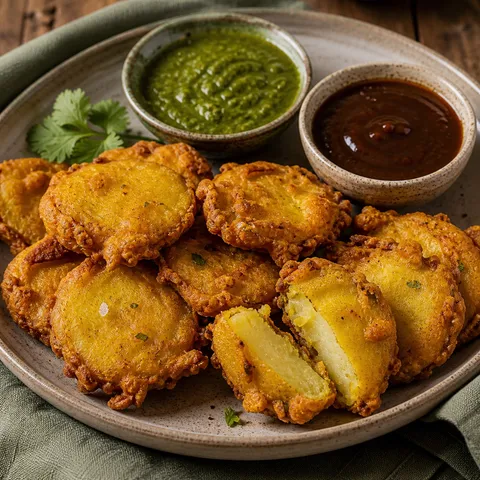 East African Lens Verified Images are for illustrative purposes only, may be inaccurate, and do not guarantee the presence or absence of specific ingredients.
 Viazi Karai
A Zanzibari street favorite of soft boiled potatoes coated in a turmeric-yellow batter and deep-fried until crackling, served with fiery tamarind sauce.
 East African Lens Verified Images are for illustrative purposes only, may be inaccurate, and do not guarantee the presence or absence of specific ingredients.
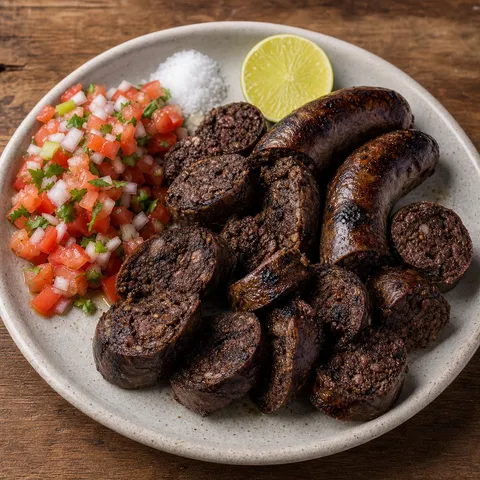
 Mutura
Kenyan spiced blood sausage stuffed with meat, onion, and herbs, then grilled until the casing crisps and snaps — a bold, smoky roadside delicacy.
 East African Lens Verified Images are for illustrative purposes only, may be inaccurate, and do not guarantee the presence or absence of specific ingredients.
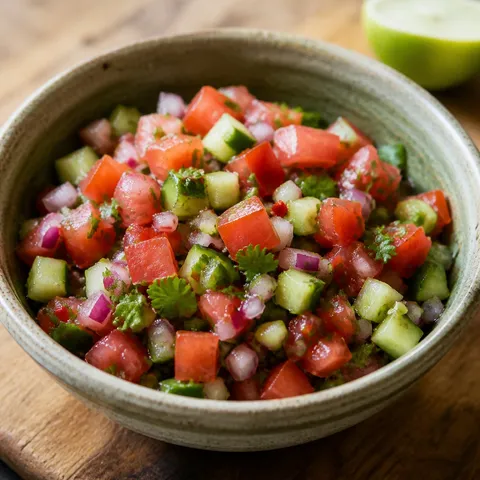
 Kachumbari
Bright, refreshing salad of ripe tomatoes and sharp raw onion, spiked with chili and lime — the cool, crisp counterpoint to rich East African grills.