 East African Images are for illustrative purposes only, may be inaccurate, and do not guarantee the presence or absence of specific ingredients.
  Serving Images are for illustrative purposes only, may be inaccurate, and do not guarantee the presence or absence of specific ingredients.
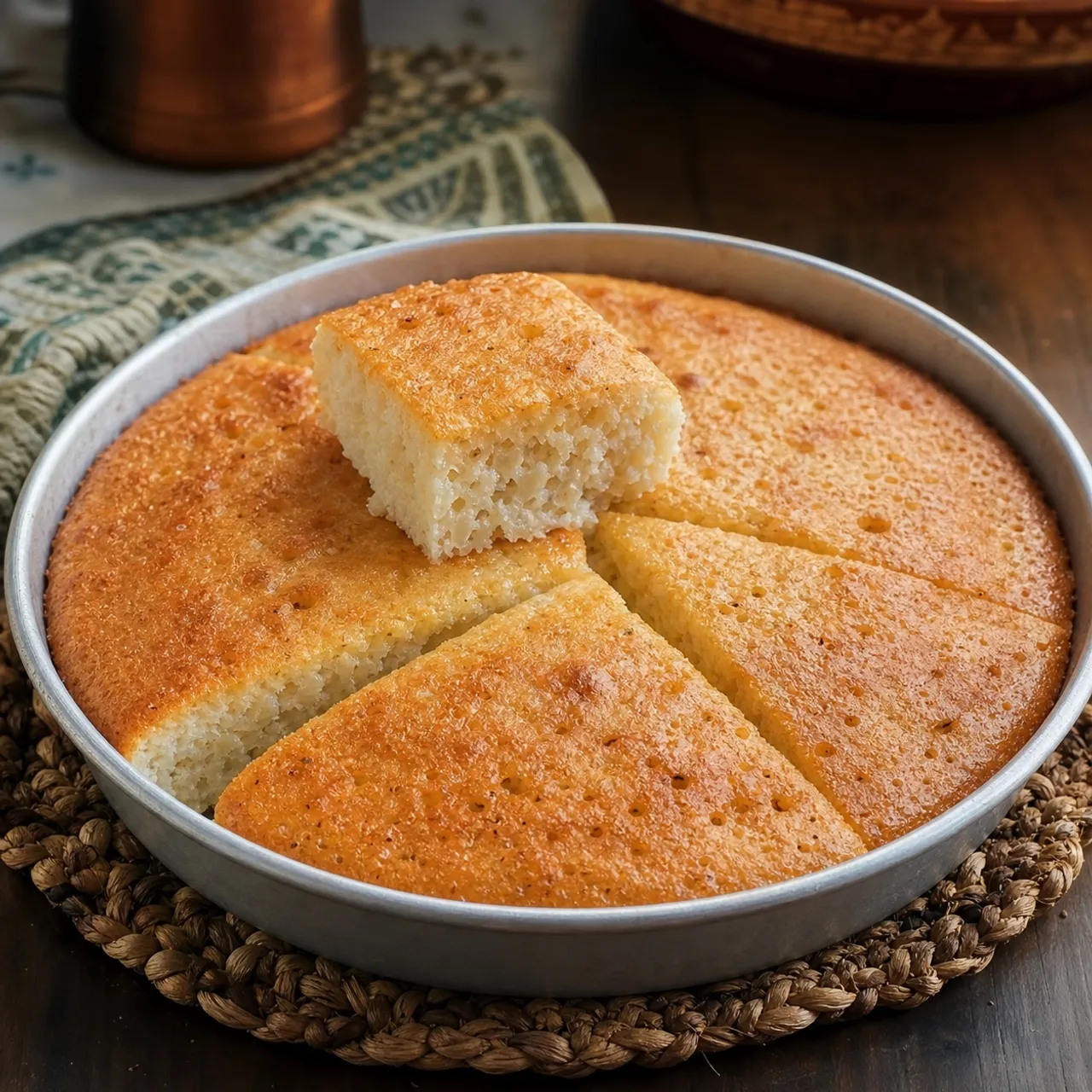
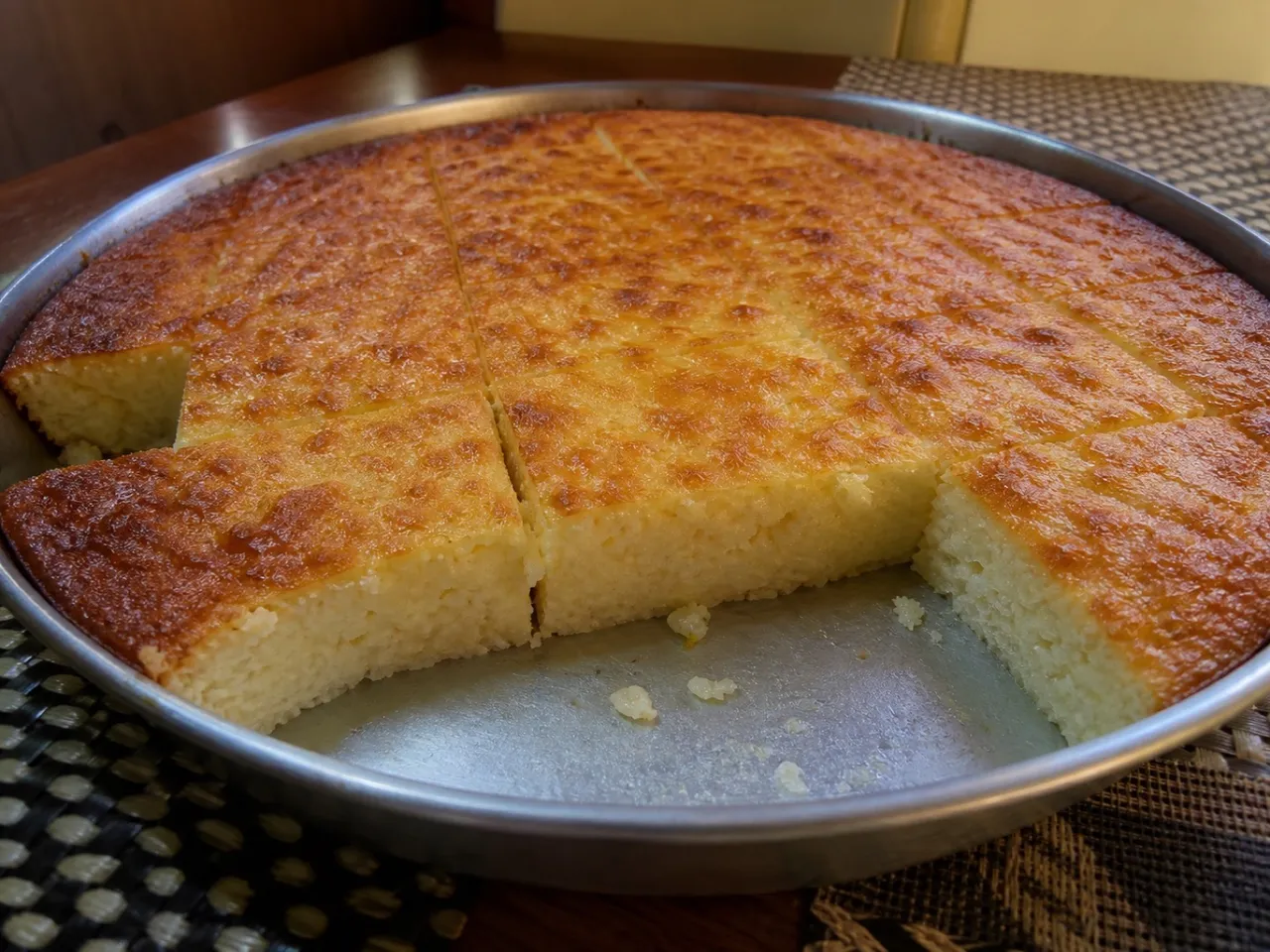
 Mukate wa Sinia
A soft, sponge-like Swahili rice cake fermented overnight and steam-baked with coconut milk and cardamom, prized for its delicate honeycomb crumb.
No common allergens detected
Based on this recipe's ingredient list. Always verify with your own brands and labels.
Instructions
5 steps- 1
In a bowl, whisk the rice flour, coconut milk, sugar, yeast, and cardamom into a smooth, thick pourable batter.
- 2
Cover the bowl and let it ferment at room temperature for 8 hours or overnight, until bubbly and slightly risen with a tangy aroma.
- 3
Stir the batter gently to release some air, then pour it into a greased 8-inch round cake pan or tray.
- 4
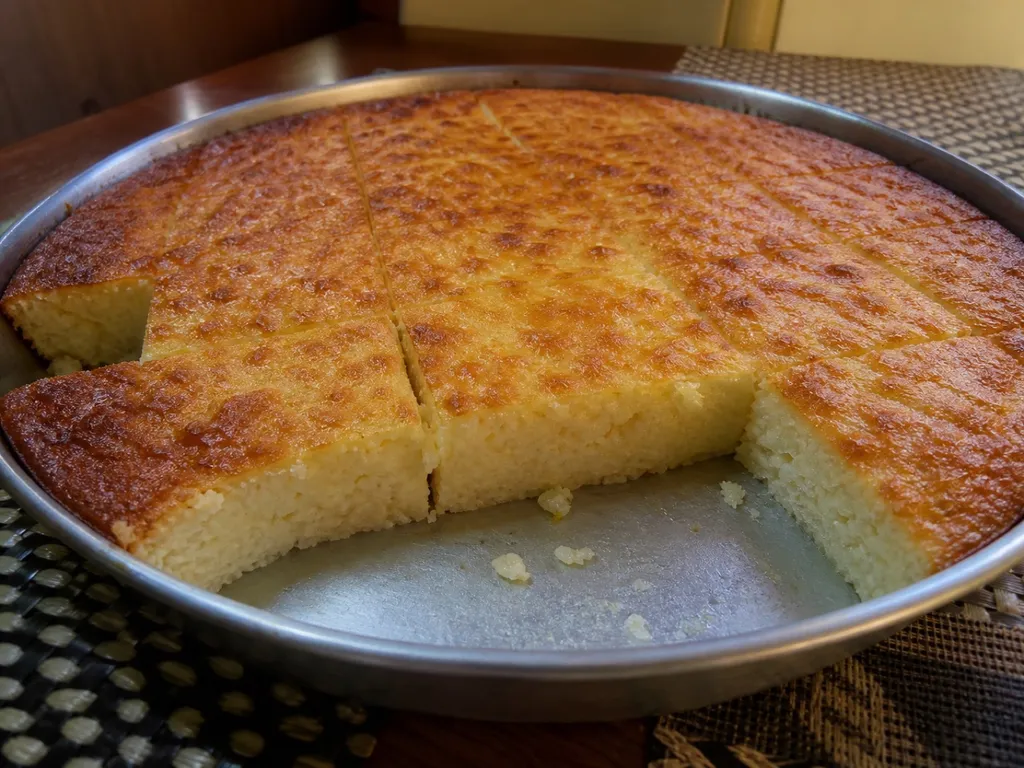
Bake in an oven preheated to 350°F for 30 to 35 minutes, until the top is golden and a toothpick inserted in the center comes out clean.
- 5
Let the cake cool for 10 minutes, then cut into diamonds or wedges and serve at room temperature with tea.
 Images are for illustrative purposes only, may be inaccurate, and do not guarantee the presence or absence of specific ingredients.
 Listahan Family Score™
76/100
Good fit for most families
Score reflects how well this recipe fits a typical busy household. In the app, your Family Score is personalized to your household's allergens, kids, and pantry.
Nutrition
per serving265
Calories
4 g
Protein
39 g
Carbs
11 g
Fat
Estimated per serving. Actual values depend on the brands and portions you use.
Listahan cooking guide
Chef notes & practical guide
Technique notes, ingredient swaps, serve-alongside ideas, storage guidance, and equipment for this recipe.
Cultural context
Mukate wa sinia — 'tray bread' in Swahili — is a rice-flour cake leavened with yeast and steamed or baked in a round tray, closely associated with the Swahili Muslim communities of Kenya and Tanzania. It is baked for Eid celebrations, weddings, and as a regular sweet breakfast bread in coastal households. The use of rice flour and coconut milk rather than wheat and dairy is characteristic of Swahili baking, which evolved in a context where rice cultivation and coconut palms were more common than wheat fields.
Listahan note
This version is baked rather than steamed, producing a slightly firmer crust on top while maintaining a tender, moist crumb inside from the coconut milk and the natural stickiness of rice flour.
Technique cues
- Rice flour does not contain gluten, so mukate wa sinia rises through yeast gas expansion and the physical structure of the gelatinized starch — the batter is much thinner than a wheat bread dough and is poured rather than kneaded.
- The yeast fermentation time is important for both rise and flavor; under-fermented batter produces a flat, dense cake, while over-fermented batter can develop an acidic sourness; look for bubbles on the surface and a domed center before baking.
- Cardamom is the defining flavor; because rice flour is milder than wheat flour, the spice comes through more prominently — use the full specified amount and consider adding a pinch of ground nutmeg as well.
Kitchen flow
- Parallel prep
- While the batter ferments (1 hour), prepare the rest of the breakfast spread or other dishes being served alongside.
- Make-ahead
- The batter can be mixed and refrigerated overnight for a slower cold fermentation; bring to room temperature for 20 minutes and stir before baking.
- Leftover move
- Day-old mukate wa sinia can be sliced and toasted in a dry skillet over medium heat, then served with honey or coconut jam.
- Cleanup rhythm
- The round baking tray releases most easily if oiled well before the batter is poured; soak it in hot water immediately after serving while still warm.
Ingredient brief
Role, handling, and swap guidance for each key ingredient.
2 cups rice flour
structure base
Purpose: Rice flour creates the characteristically tender, slightly dense crumb of mukate wa sinia that wheat flour cannot replicate — the starch gelatinizes during baking to provide structure in the absence of gluten.
Handling: Use finely milled rice flour (not coarse rice semolina); sift if it has clumped in storage to ensure a smooth batter.
Adaptation: This recipe is inherently a rice-flour preparation; substituting wheat flour changes both the flavor and texture significantly and would produce a different bread.
1 1/2 cups coconut milk
liquid base and flavor
Purpose: Coconut milk hydrates the rice flour, provides fat for a tender crumb, and contributes the characteristic Swahili coconut flavor.
Handling: Warm gently to 100-110 F to activate the yeast; shake the can before opening.
Adaptation: Full-fat dairy milk can substitute if coconut is unavailable, producing a milder, less distinctly coastal flavor.
1/2 cup granulated sugar
sweetener and yeast food
Purpose: Sugar provides sweetness appropriate to a breakfast cake and feeds the yeast during fermentation for a consistent rise.
Handling: Dissolve in the warm coconut milk before combining with the flour to prevent grittiness in the finished crumb.
Adaptation: Light palm sugar or coconut sugar can be used for a more caramel-like sweetness that is closer to some traditional versions.
1 tsp instant yeast
leavening agent
Purpose: Yeast provides the rise in the absence of gluten structure; the fermentation also adds a subtle depth of flavor that baking powder alone cannot achieve.
Handling: Mix directly into the dry flour, then add the warm (not hot) coconut milk mixture; allow to ferment in a warm spot until bubbles form and the batter domes, about 1 hour.
Adaptation: Active dry yeast at the same quantity works but must be dissolved and proofed in the warm coconut milk for 10 minutes before mixing.
1/2 tsp ground cardamom
defining spice
Purpose: Cardamom is the hallmark of Swahili sweet baking and gives mukate wa sinia its recognizable floral-spicy aroma.
Handling: Add to the dry ingredients; freshly ground cardamom from whole pods provides a noticeably brighter flavor than pre-ground.
Adaptation: A pinch of ground cinnamon plus a pinch of ground nutmeg approximates the warmth but not the floral quality of cardamom.
Technique notes
- Oil the baking tray generously — mukate wa sinia tends to stick due to the high sugar content in the batter; line the bottom with parchment in addition to oiling for clean release.
- Do not open the oven door during the first 20 minutes of baking; the rice-flour structure is delicate in the early stages of baking and a sudden temperature drop will cause the cake to collapse.
- Test for doneness by inserting a toothpick into the center; mukate wa sinia is done when it comes out clean and the top is golden brown, around 25-30 minutes at 350 F.
Ingredient swaps
- Gluten-free direction
- Mukate wa sinia is naturally gluten-free as it is made entirely with rice flour; verify your yeast is labeled gluten-free if serving to those with celiac disease.
- Vegan direction
- This recipe is naturally vegan; serve with coconut jam or a drizzle of date syrup for a fully plant-based breakfast.
- Reduced sugar
- Reduce sugar to 1/3 cup for a more savory version that works as a bread alongside savory stews.
Serve alongside
- mbaazi wa nazi (pigeon peas in coconut sauce)
- fresh sliced mango or papaya
- honey for spreading
- spiced chai with condensed milk
- fresh coconut water
Serving suggestions only — check pairings for your household's allergens.
Storage & reheating
- Wrap cooled mukate wa sinia tightly in plastic wrap and store at room temperature for up to 2 days; it dries out faster than wheat-flour cakes.
- Reheat slices in a dry skillet over medium heat for 2 minutes per side or in a 300 F oven for 5-8 minutes.
- Freeze whole or sliced, well-wrapped, for up to 1 month; thaw at room temperature and refresh in a skillet before serving.
Equipment
- round 9-inch cake pan or metal tray
- mixing bowl
- whisk
- toothpick or cake tester
Make this household-aware
Listahan Pro checks this recipe against your household's allergens, finds pantry-aware swaps, builds the shopping list, and helps you plan the week around it.
Plan it in Listahan
Add Mukate wa Sinia to your week, check it against your household's allergens, and build the shopping list automatically.
More East African recipes
 East African Lens Verified Images are for illustrative purposes only, may be inaccurate, and do not guarantee the presence or absence of specific ingredients.
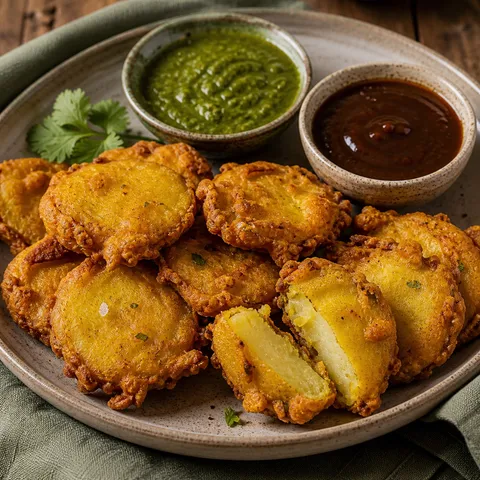
 Viazi Karai
A Zanzibari street favorite of soft boiled potatoes coated in a turmeric-yellow batter and deep-fried until crackling, served with fiery tamarind sauce.
 East African Lens Verified Images are for illustrative purposes only, may be inaccurate, and do not guarantee the presence or absence of specific ingredients.
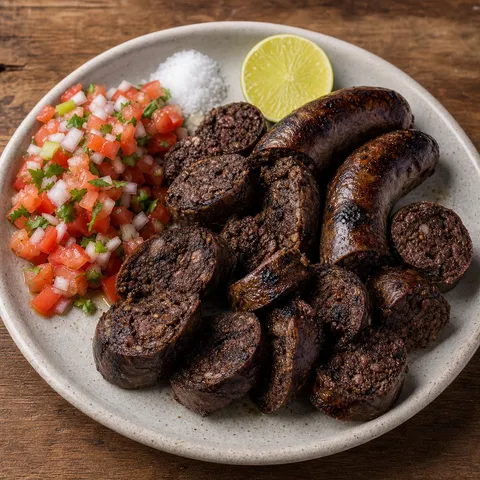
 Mutura
Kenyan spiced blood sausage stuffed with meat, onion, and herbs, then grilled until the casing crisps and snaps — a bold, smoky roadside delicacy.
 East African Lens Verified Images are for illustrative purposes only, may be inaccurate, and do not guarantee the presence or absence of specific ingredients.
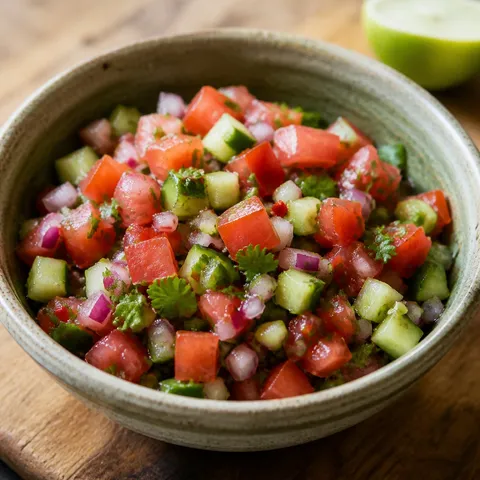
 Kachumbari
Bright, refreshing salad of ripe tomatoes and sharp raw onion, spiked with chili and lime — the cool, crisp counterpoint to rich East African grills.