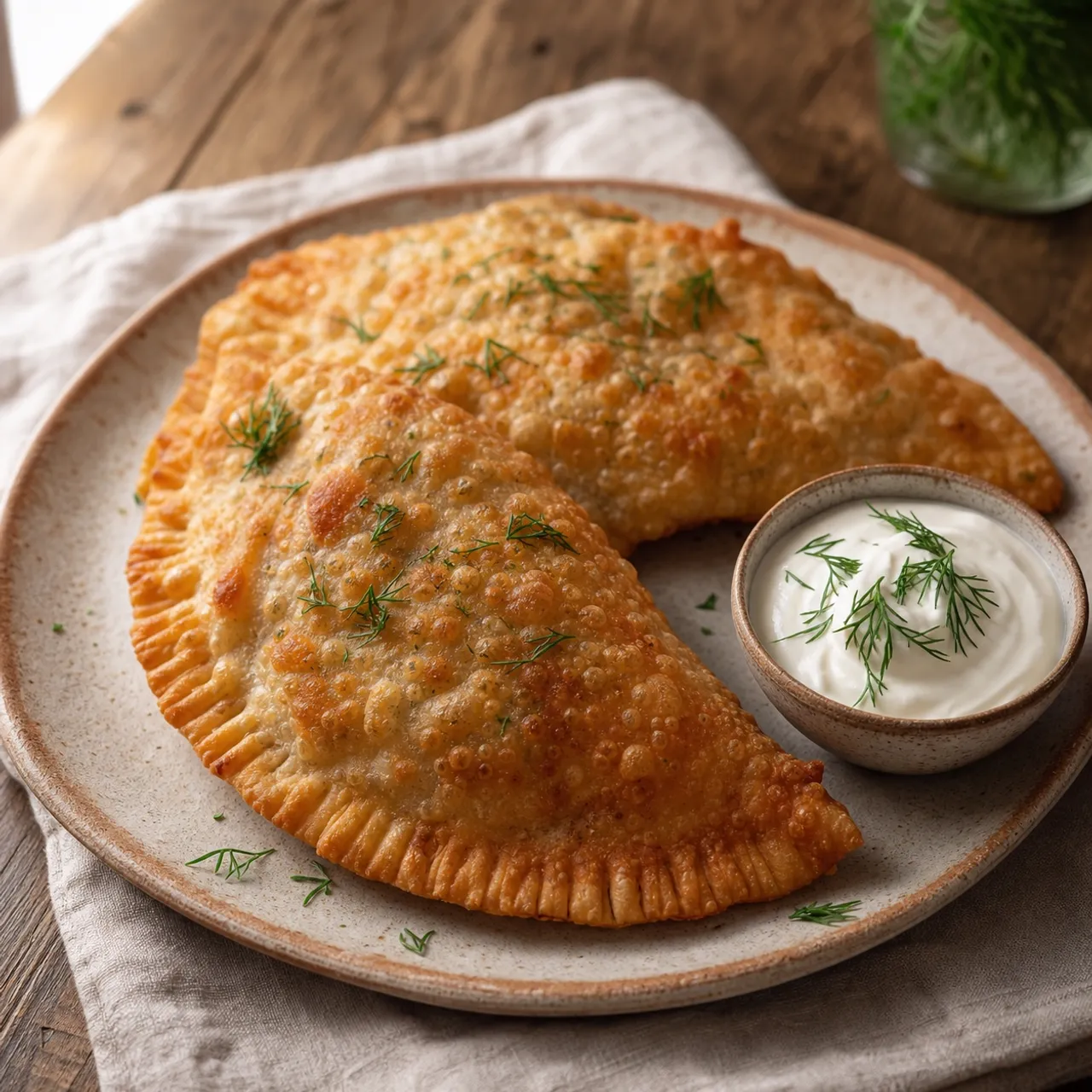
 Eastern European Images are for illustrative purposes only, may be inaccurate, and do not guarantee the presence or absence of specific ingredients.
 Chebureki
Crispy deep-fried turnovers filled with juicy spiced ground meat, beloved across the Crimean Tatar and post-Soviet world.
Contains common allergens
In the app, Listahan checks these against your household automatically.
Good to know
- Crispy
Matched from this dish's own ingredients and timing. Browse more: crispy recipes
Instructions
5 steps- 1
In a large bowl, combine the flour, warm water, vodka, and 1 tsp salt, then knead for 8 to 10 minutes until you have a smooth, elastic dough; cover and rest at room temperature for 30 minutes so the gluten relaxes.
- 2
Meanwhile, mix the ground beef with the finely grated onion, 1/4 cup cold water, 1 tsp salt, and 1/2 tsp black pepper until the filling is loose and very moist, which keeps the cooked meat juicy.
- 3
Divide the rested dough into 8 pieces and roll each into a thin 8-inch circle, then spread a thin layer of filling over one half, leaving a 1/2-inch border.
- 4
Fold the dough over the filling into a half-moon, press out any air, and seal the edge firmly with a fork to prevent leaks during frying.
- 5
Heat the vegetable oil to 350 F in a deep skillet, then fry each chebureki for about 2 to 3 minutes per side until deeply golden and blistered, draining on paper towels before serving hot.
Listahan Family Score™
73/100
Good fit for most families
Score reflects how well this recipe fits a typical busy household. In the app, your Family Score is personalized to your household's allergens, kids, and pantry.
Nutrition
per serving1115
Calories
52 g
Protein
99 g
Carbs
53 g
Fat
Estimated per serving. Actual values depend on the brands and portions you use.
Listahan cooking guide
Chef notes & practical guide
Technique notes, ingredient swaps, serve-alongside ideas, storage guidance, and equipment for this recipe.
Cultural context
Chebureki are closely associated with Crimean Tatar cooking and became common across the post-Soviet world through markets, cafes, and home kitchens. The format is simple and portable: a thin half-moon of dough, a juicy minced-meat filling, and enough hot oil to make the outside blister and shatter.
Listahan note
This version keeps the filling deliberately loose and the dough thin, which is what gives chebureki their contrast: crisp shell first, then hot oniony meat juices inside.
Technique cues
- Roll the dough thinner than you might for a baked hand pie. Thick dough turns bready before the meat has time to cook through.
- Press out trapped air before sealing each turnover. Air pockets expand fast in hot oil and can split the edge open.
- Keep the filling spread in a thin layer rather than mounded. Chebureki cook quickly, so the meat needs broad contact with the hot dough.
Kitchen flow
- Parallel prep
- Rest the dough while you grate the onion, mix the filling, and set up the frying station.
- Make-ahead
- Make the dough and filling a few hours ahead, keep them chilled separately, then roll and fill just before frying.
- Leftover move
- Slice leftover chebureki into strips and re-crisp them in a skillet, then serve with a sharp cucumber-tomato salad.
- Cleanup rhythm
- Clear the counter before rolling, keep a paper-towel-lined tray beside the stove, and strain the cooled oil after dinner if you plan to reuse it.
Ingredient brief
Role, handling, and swap guidance for each key ingredient.
All-purpose flour
Dough structure
Purpose: It gives the wrappers enough elasticity to roll thin without tearing.
Handling: Knead until smooth, then rest the dough so it relaxes before rolling.
Adaptation: Bread flour makes a chewier wrapper; use a lighter hand when rolling if you go that route.
Ground beef (80/20)
Juicy meat filling
Purpose: The fat level helps the filling stay tender during the short, hot fry.
Handling: Mix with the onion and cold water until loose, not compacted like a burger patty.
Adaptation: Ground lamb gives a richer, more traditional-leaning flavor; a leaner beef needs extra care because it can taste dry.
Large onion, finely grated
Moist aromatic base
Purpose: Grated onion seasons the meat and releases liquid that steams inside the turnover.
Handling: Grate it finely so it disappears into the filling instead of leaving crunchy pieces.
Adaptation: Very finely minced onion works, but the filling will be less saucy than with grated onion.
Cold water (for filling)
Juice builder
Purpose: It loosens the meat mixture so the cooked filling stays spoon-tender instead of firm.
Handling: Add it cold and mix just until the filling looks moist and spreadable.
Adaptation: Cold broth can add more savory depth, but reduce added salt if the broth is seasoned.
Vodka
Crispness aid
Purpose: A small amount helps the dough fry up blistered and crisp without making it taste boozy.
Handling: Add it with the warm water when mixing the dough so it disperses evenly.
Adaptation: Leave it out and replace with water; the shell will still work, but it may be a little less delicate.
Vegetable oil, for frying
Frying medium
Purpose: A neutral oil lets the browned dough and oniony meat filling stay in the foreground.
Handling: Heat to 350 F and give the oil time to recover between batches.
Adaptation: Canola or sunflower oil fits the same job if that is what you keep on hand.
Technique notes
- Seal with firm pressure all the way around, then crimp with a fork. Any weak spot becomes a leak once the filling juices start moving.
- Fry one cheburek first as a temperature test. If it browns before the filling cooks, lower the heat slightly; if it absorbs oil and stays pale, raise it back toward 350 F.
- Drain briefly, but serve while hot. The crust is at its best in the first few minutes, before steam softens the edges.
Ingredient swaps
- No-vodka dough
- Replace the vodka with the same amount of water; the dough will be a little less blistered but still rolls and fries well.
- Lamb direction
- Use ground lamb instead of beef for a deeper, more traditional savory profile, and keep the filling thin so it cooks evenly.
- Smaller batch path
- Roll smaller circles and use less filling per piece for appetizer-size chebureki; reduce frying time slightly and watch the color.
- Less oil method
- Use a wide skillet with enough oil to come partway up the sides instead of a deep pot; turn carefully so both sides blister evenly.
Serve alongside
- Cucumber-tomato salad with dill
- Vinegared cabbage slaw
- Pickled red onions
- Garlic yogurt with herbs
- Black tea with lemon
- Kefir
- Cold lager
Serving suggestions only — check pairings for your household's allergens.
Storage & reheating
- Refrigerate leftovers in a sealed container for 2 to 3 days.
- Reheat in a dry skillet or 375 F oven until the crust firms back up and the filling is hot.
- Freeze cooked chebureki in a single layer, then reheat from thawed in the oven to bring back some crispness.
Equipment
- Large mixing bowl
- Rolling pin
- Deep skillet or Dutch oven
- Instant-read or fry thermometer
Make this household-aware
Listahan Pro checks this recipe against your household's allergens, finds pantry-aware swaps, builds the shopping list, and helps you plan the week around it.
Plan it in Listahan
Add Chebureki to your week, check it against your household's allergens, and build the shopping list automatically.
More Eastern European recipes
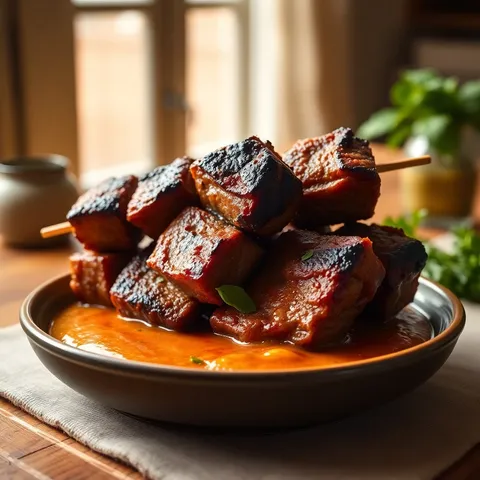 Eastern European Lens Verified Images are for illustrative purposes only, may be inaccurate, and do not guarantee the presence or absence of specific ingredients.
 Shashlik
Smoky, charred cubes of marinated lamb or pork threaded on skewers and grilled over embers — Central Asia's festive open-fire classic, fragrant with onion and spice.
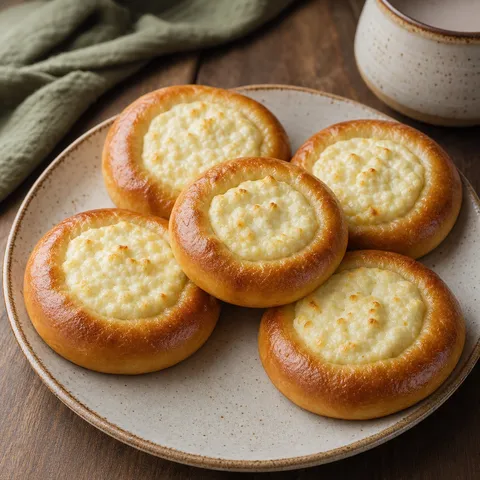 Eastern European Lens Verified Images are for illustrative purposes only, may be inaccurate, and do not guarantee the presence or absence of specific ingredients.
 Vatrushka
Soft, pillowy Russian buns filled with a sweetened quark or farmer's cheese center — lightly golden and gently sweet, perfect alongside tea or coffee.
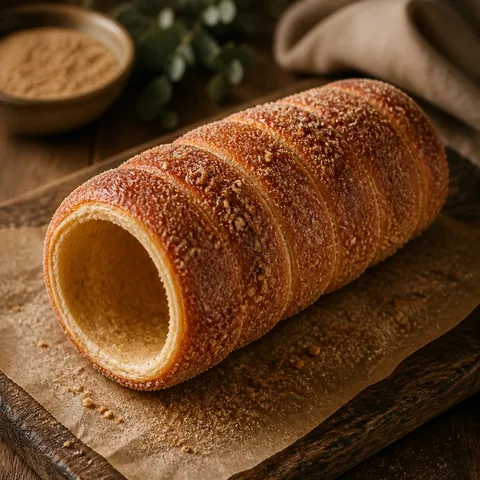 Eastern European Lens Verified Images are for illustrative purposes only, may be inaccurate, and do not guarantee the presence or absence of specific ingredients.
 Kurtosh Kalach
Hungary's iconic chimney cake — sweet yeast dough spiraled around a spit, rolled in cinnamon sugar, and roasted until the outside caramelizes into a crackly, warm shell.