 Eastern European Images are for illustrative purposes only, may be inaccurate, and do not guarantee the presence or absence of specific ingredients.
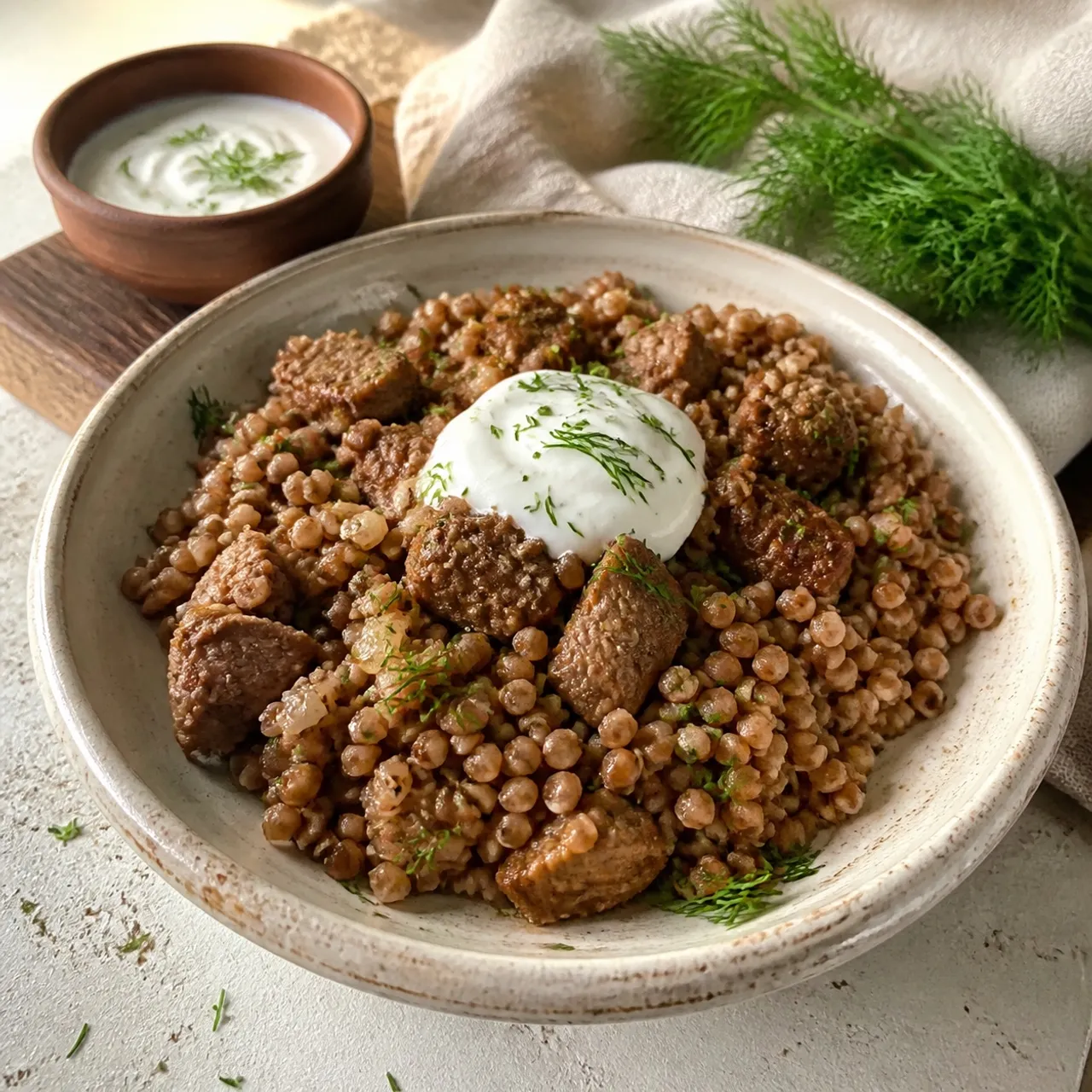
 Grechka
Toasted buckwheat porridge, a comforting and nutty staple side dish across Russia and Ukraine.
Contains common allergens
In the app, Listahan checks these against your household automatically.
Good to know
- Ready in under 30 minutes
Matched from this dish's own ingredients and timing. Browse more: 30-minute meals
Instructions
5 steps- 1
Rinse the buckwheat groats under cold water and drain, then toast them in a dry saucepan over medium heat for 3 to 4 minutes, stirring constantly, until they smell nutty and fragrant.
- 2
In a separate skillet, melt 1 tablespoon of the butter and saute the finely chopped onion over medium heat for 5 minutes until soft and lightly golden.
- 3
Pour the 2 cups of water and 1 tsp salt into the saucepan with the toasted groats, bring to a boil, then reduce the heat to low and cover.
- 4
Simmer undisturbed for 15 to 18 minutes until the water is fully absorbed and the grains are tender but still distinct, then remove from heat.
- 5
Stir in the sauteed onion and the remaining 2 tablespoons of butter, fluff with a fork, cover, and let rest for 5 minutes before serving so the flavors meld.
Listahan Family Score™
76/100
Good fit for most families
Score reflects how well this recipe fits a typical busy household. In the app, your Family Score is personalized to your household's allergens, kids, and pantry.
Nutrition
per serving85
Calories
0 g
Protein
2 g
Carbs
9 g
Fat
Estimated per serving. Actual values depend on the brands and portions you use.
Listahan cooking guide
Chef notes & practical guide
Technique notes, ingredient swaps, serve-alongside ideas, storage guidance, and equipment for this recipe.
Cultural context
Grechka is the everyday name for cooked buckwheat groats across Russia, Ukraine, and nearby Eastern European kitchens. It sits somewhere between rice, pilaf, and breakfast porridge: plain enough for weeknights, but distinct because toasted buckwheat has a deep nutty smell and a firm, separate grain when cooked well.
Listahan note
This version keeps grechka simple and savory, with onion and butter doing the work instead of a long ingredient list. The main priority is texture: tender groats that stay separate, not a mushy pot of porridge.
Technique cues
- Toasting the rinsed groats wakes up the buckwheat's nutty aroma and helps the grains hold their shape during simmering.
- Cook the onion separately so it softens and lightly sweetens before it meets the groats. If it goes into the water raw, it tastes flatter.
- The covered rest at the end matters. It lets the butter settle through the grains and gives the steam time to finish the texture evenly.
Kitchen flow
- Parallel prep
- Toast the buckwheat while the onion starts in the skillet, then bring the water over as soon as the groats smell nutty.
- Make-ahead
- Cook the grechka fully, cool it, and reheat with a small splash of water or extra butter to loosen the grains.
- Leftover move
- Pan-fry leftover grechka with mushrooms and a spoonful of sour cream stirred in at the end.
- Cleanup rhythm
- Rinse the saucepan soon after serving; dried buckwheat starch sticks more firmly once it cools.
Ingredient brief
Role, handling, and swap guidance for each key ingredient.
Whole buckwheat groats (kasha)
Base grain
Purpose: They give grechka its earthy, toasted flavor and pleasantly firm bite.
Handling: Rinse well, drain thoroughly, then toast in a dry saucepan until fragrant before adding water.
Adaptation: Untoasted raw buckwheat can be used, but it needs careful toasting first or the finished dish will taste milder and softer.
Unsalted butter
Richness and finish
Purpose: Butter rounds the buckwheat's earthy edge and makes the grains taste fuller without needing a sauce.
Handling: Use a little for the onion and stir the rest in after cooking so the flavor stays fresh.
Adaptation: A neutral oil will work for sauteing, though the finished grechka will taste leaner and less rounded.
Small onion
Savory aromatic
Purpose: A lightly golden onion adds sweetness and makes the dish feel like a proper side rather than plain cooked grain.
Handling: Chop finely so it folds through the groats instead of sitting in large pieces.
Adaptation: Shallot gives a softer, sweeter result; yellow onion keeps the flavor more traditional and direct.
Salt
Seasoning
Purpose: Buckwheat tastes noticeably dull if the cooking water is underseasoned.
Handling: Add it to the water before simmering so the grains season from the inside.
Adaptation: Use less salt at first if serving with a salty main dish, then adjust at the table.
Technique notes
- Stir constantly during the dry toast because buckwheat can go from fragrant to scorched quickly in a hot pan.
- Once the lid goes on, leave the pot alone. Stirring during the simmer breaks the grains and pushes the texture toward mush.
- Fluff with a fork, not a spoon, so the grains separate instead of compacting into clumps.
Ingredient swaps
- Butter-free direction
- Use sunflower oil or another neutral oil for the onion and finish with a small drizzle at the end; the dish will be lighter and less creamy.
- Mushroom addition
- Saute sliced mushrooms with the onion until their moisture cooks off, then fold them into the finished groats.
- Weeknight shortcut
- Use already toasted kasha and shorten the dry-toasting step to 1 minute, just enough to refresh the aroma.
Serve alongside
- Beef stroganoff
- Chicken kotleti
- Braised cabbage with dill
- Cucumber tomato salad with sour cream
- Black tea with lemon
- Kvass
- Cold kefir
Serving suggestions only — check pairings for your household's allergens.
Storage & reheating
- Refrigerate cooled grechka in a sealed container for up to 4 days.
- Reheat in a covered skillet or microwave with a splash of water, then fluff and add a little butter if the grains seem dry.
- Freeze in flat portions for up to 2 months; thaw overnight and reheat gently so the grains do not break down.
Equipment
- Medium saucepan with lid
- Small skillet
- Fine-mesh strainer
- Fork for fluffing
Make this household-aware
Listahan Pro checks this recipe against your household's allergens, finds pantry-aware swaps, builds the shopping list, and helps you plan the week around it.
Plan it in Listahan
Add Grechka to your week, check it against your household's allergens, and build the shopping list automatically.
More Eastern European recipes
 Eastern European Lens Verified Images are for illustrative purposes only, may be inaccurate, and do not guarantee the presence or absence of specific ingredients.
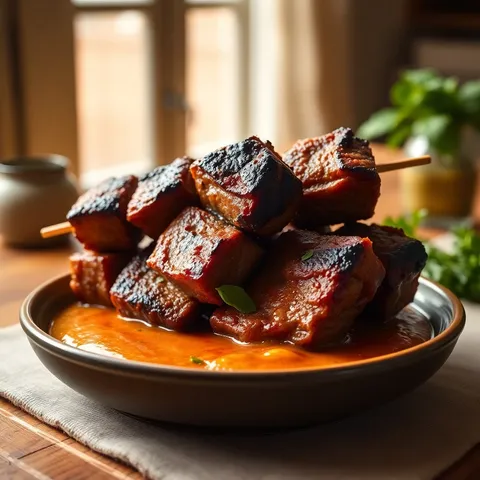
 Shashlik
Smoky, charred cubes of marinated lamb or pork threaded on skewers and grilled over embers — Central Asia's festive open-fire classic, fragrant with onion and spice.
 Eastern European Lens Verified Images are for illustrative purposes only, may be inaccurate, and do not guarantee the presence or absence of specific ingredients.
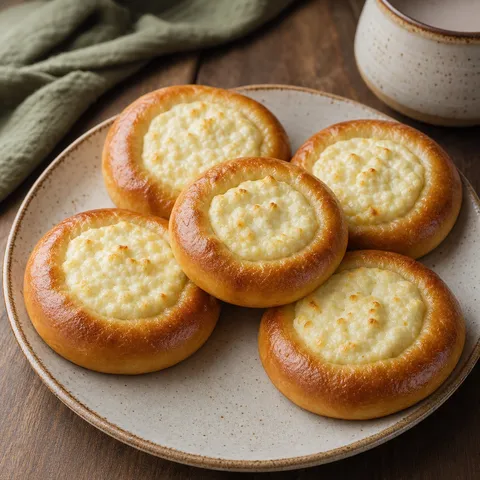
 Vatrushka
Soft, pillowy Russian buns filled with a sweetened quark or farmer's cheese center — lightly golden and gently sweet, perfect alongside tea or coffee.
 Eastern European Lens Verified Images are for illustrative purposes only, may be inaccurate, and do not guarantee the presence or absence of specific ingredients.
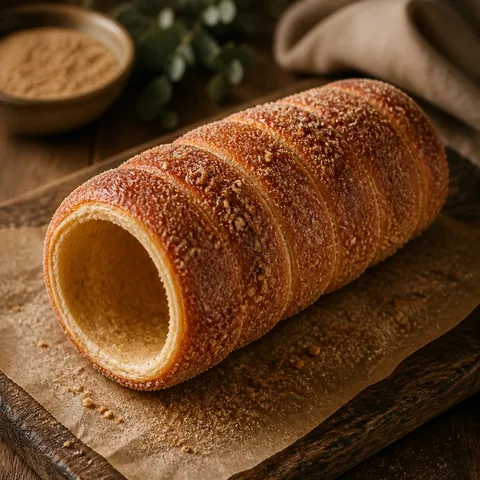
 Kurtosh Kalach
Hungary's iconic chimney cake — sweet yeast dough spiraled around a spit, rolled in cinnamon sugar, and roasted until the outside caramelizes into a crackly, warm shell.