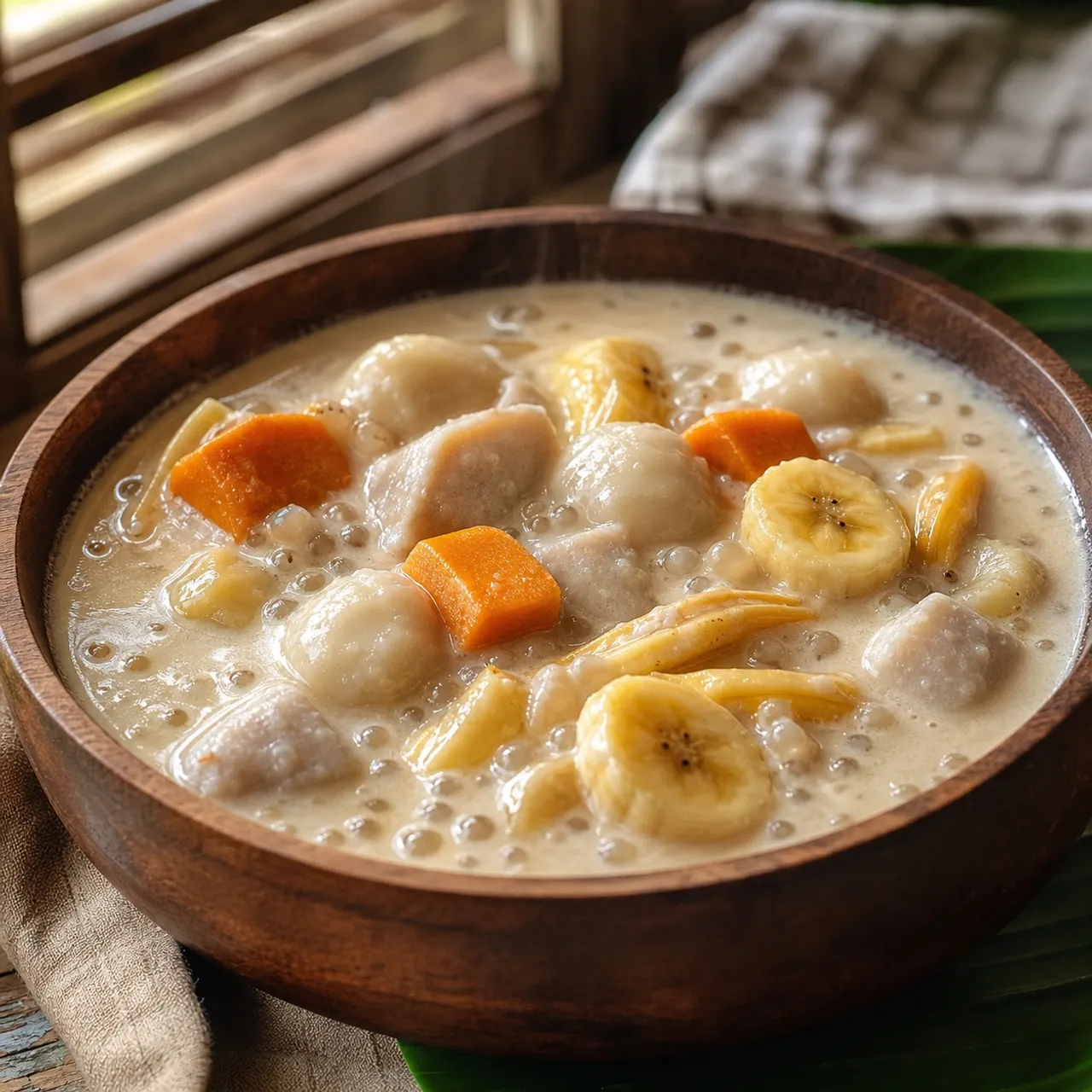
 Filipino Images are for illustrative purposes only, may be inaccurate, and do not guarantee the presence or absence of specific ingredients.
 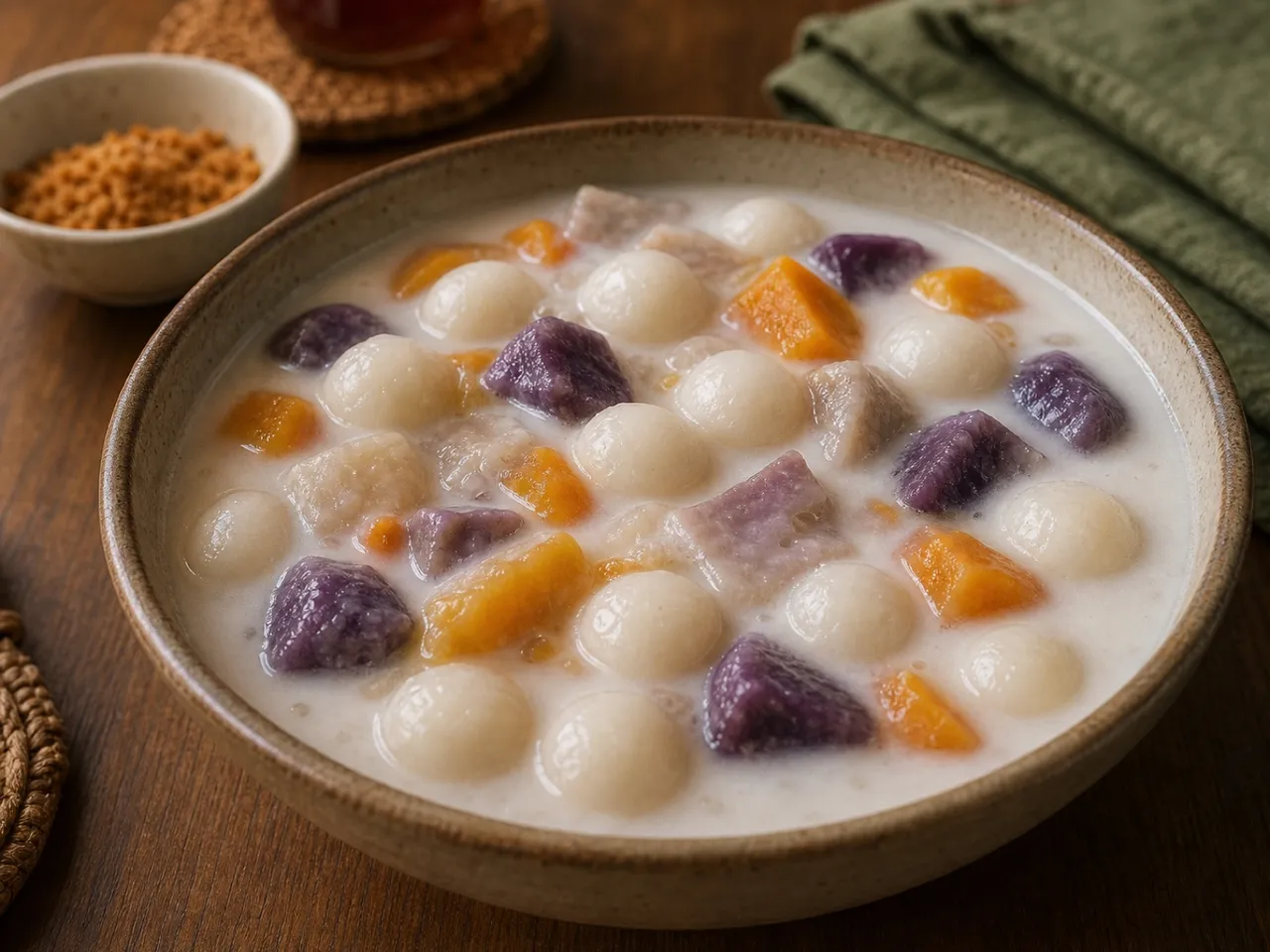 Serving Images are for illustrative purposes only, may be inaccurate, and do not guarantee the presence or absence of specific ingredients.
 Ginataang Bilo-Bilo
A sweet, warm coconut milk soup with chewy glutinous rice balls, tubers, and sago.
No common allergens detected
Based on this recipe's ingredient list. Always verify with your own brands and labels.
Good to know
- One-pot
Matched from this dish's own ingredients and timing. Browse more: one-pot dinners
Instructions
5 steps- 1
Make the Rice Balls (Bilo-Bilo): In a bowl, mix the glutinous rice flour and water until it forms a dough. Pinch off small pieces and roll them between your palms into half-inch balls.
- 2
Simmer the Base: In a large pot, combine the coconut milk, 1 cup of water, and sugar. Bring to a gentle simmer over medium heat, stirring occasionally.
- 3
Cook the Tubers: Add the cubed sweet potato and taro to the simmering coconut milk. Cook for about 8-10 minutes until they are slightly tender but not fully cooked.
- 4
Add the Rice Balls: Carefully drop the glutinous rice balls into the pot. Let them cook for about 5 minutes. You will know they are cooked when they float to the surface.
- 5
Add Remaining Ingredients: Stir in the sliced saba bananas, jackfruit strips, and cooked sago. Simmer for another 5 minutes until everything is tender and the sauce has thickened slightly from the starch of the rice balls. Serve warm.
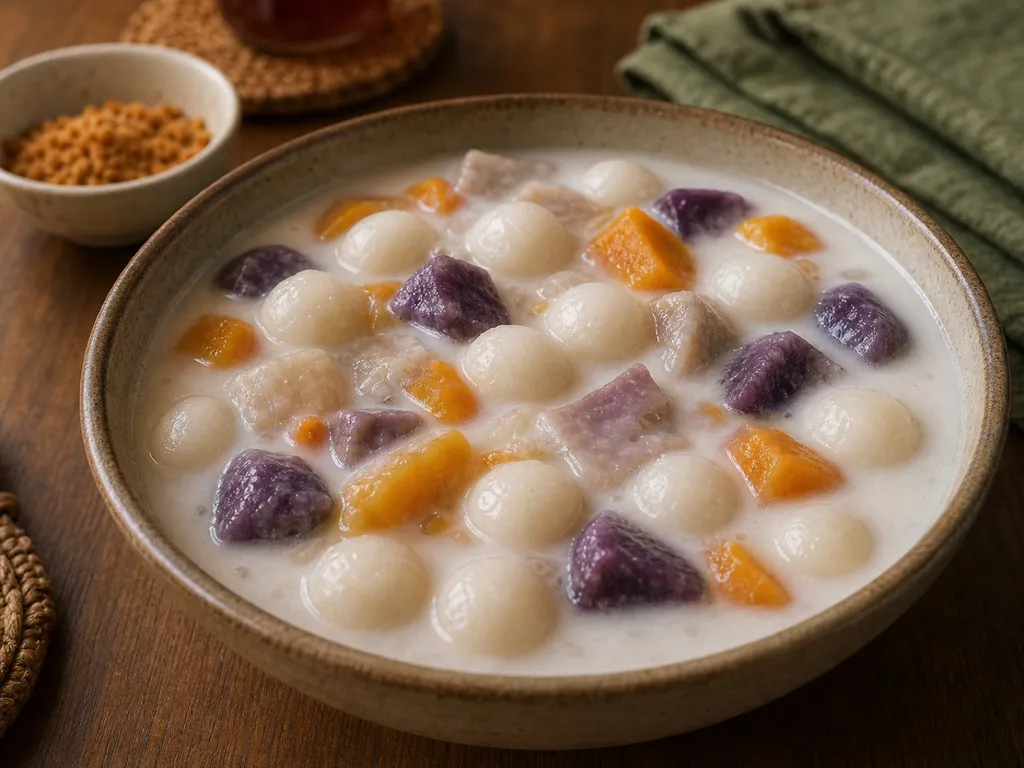 Images are for illustrative purposes only, may be inaccurate, and do not guarantee the presence or absence of specific ingredients.
 Listahan Family Score™
73/100
Good fit for most families
Score reflects how well this recipe fits a typical busy household. In the app, your Family Score is personalized to your household's allergens, kids, and pantry.
Nutrition
per serving490
Calories
6 g
Protein
57 g
Carbs
29 g
Fat
Estimated per serving. Actual values depend on the brands and portions you use.
Listahan cooking guide
Chef notes & practical guide
Technique notes, ingredient swaps, serve-alongside ideas, storage guidance, and equipment for this recipe.
Cultural context
Ginataang Bilo-Bilo is a warm coconut-milk dessert soup loaded with chewy glutinous rice balls, root vegetables, banana, jackfruit, and sago. The bilo-bilo are the hand-rolled rice balls that give it its name and its pleasant chew. It is rainy-day merienda, comforting and endlessly customizable.
Listahan note
This version simmers the roots and rice balls in coconut milk until everything is tender and the broth thickens slightly, balancing sweetness so it does not overwhelm.
Technique cues
- Add ingredients by cook time; firm roots first, banana and jackfruit last.
- Roll the rice balls evenly so they cook through at the same rate.
- Simmer gently so the coconut milk does not split.
Kitchen flow
- Parallel prep
- Roll the rice balls and cube the roots before the coconut milk simmers.
- Make-ahead
- Best fresh; the rice balls firm up when stored, so reheat with extra coconut milk.
- Leftover move
- Loosen leftovers with coconut milk and warm gently.
- Cleanup rhythm
- One pot; rinse the sticky rice-ball bowl promptly.
Ingredient brief
Role, handling, and swap guidance for each key ingredient.
Glutinous rice balls (bilo-bilo)
Signature chew
Purpose: Hand-rolled rice balls give the dish its name and texture.
Handling: Mix flour and water to a soft dough and roll into small balls.
Adaptation: Store-bought mochi balls work in a pinch.
Coconut milk
Base
Purpose: Forms the rich, sweet broth that ties everything together.
Handling: Simmer gently and add thick cream near the end.
Adaptation: Use a mix of thin and thick coconut milk for layered richness.
Sweet potato and taro
Root vegetables
Purpose: Add starch, color, and substance to the soup.
Handling: Cube evenly and add early since they take longest.
Adaptation: Either root alone works; ube adds color.
Banana and jackfruit
Fruit accents
Purpose: Lend sweetness and fragrance to the broth.
Handling: Add near the end so they hold their shape.
Adaptation: Use ripe plantains if saba bananas are unavailable.
Technique notes
- Add the rice balls once the roots are nearly tender so nothing overcooks.
- Keep the heat gentle so the coconut milk stays smooth.
- Adjust sweetness at the end, as the fruits add their own sugar.
Ingredient swaps
- Lower-sugar direction
- Reduce added sugar and rely on the banana and jackfruit.
- More-texture direction
- Add extra sago or cooked tapioca for more chew.
- Ube direction
- Add ube for color and a deeper flavor.
Serve alongside
- Toasted coconut
- Latik
- Fresh mango
- Sago
- Hot tea
- Coffee
- Cold water
Serving suggestions only — check pairings for your household's allergens.
Storage & reheating
- Refrigerate up to 2 days; the rice balls firm considerably.
- Reheat gently with added coconut milk to loosen the broth.
- Freezing is not recommended, as the rice balls harden.
Equipment
- Large pot
- Wooden spoon
- Mixing bowl for rice balls
- Ladle
Make this household-aware
Listahan Pro checks this recipe against your household's allergens, finds pantry-aware swaps, builds the shopping list, and helps you plan the week around it.
Plan it in Listahan
Add Ginataang Bilo-Bilo to your week, check it against your household's allergens, and build the shopping list automatically.
More Filipino recipes
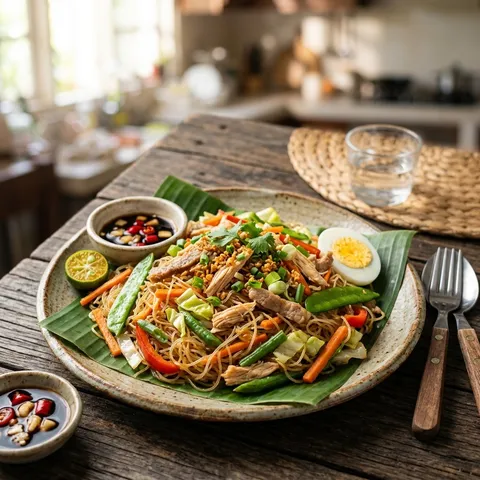 Filipino Lens Verified Images are for illustrative purposes only, may be inaccurate, and do not guarantee the presence or absence of specific ingredients.
 Pancit Bihon
Thin rice vermicelli stir-fried with chicken, shrimp, and vegetables in a savory soy-citrus sauce, a fixture at every Filipino celebration.
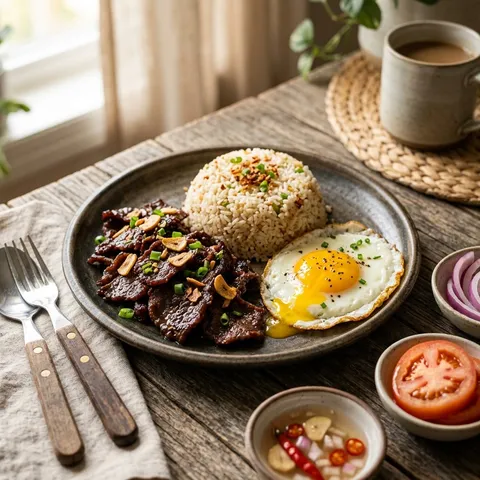 Filipino Lens Verified Images are for illustrative purposes only, may be inaccurate, and do not guarantee the presence or absence of specific ingredients.
 Tapsilog
A hearty breakfast combo of marinated beef (tapa), garlic fried rice (sinangag), and a fried egg (itlog).
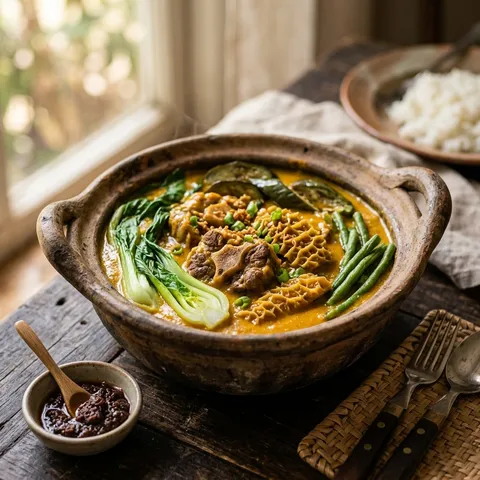 Filipino Lens Verified Images are for illustrative purposes only, may be inaccurate, and do not guarantee the presence or absence of specific ingredients.
 Kare-Kare
A rich peanut stew typically made with oxtail and vegetables, served with shrimp paste.