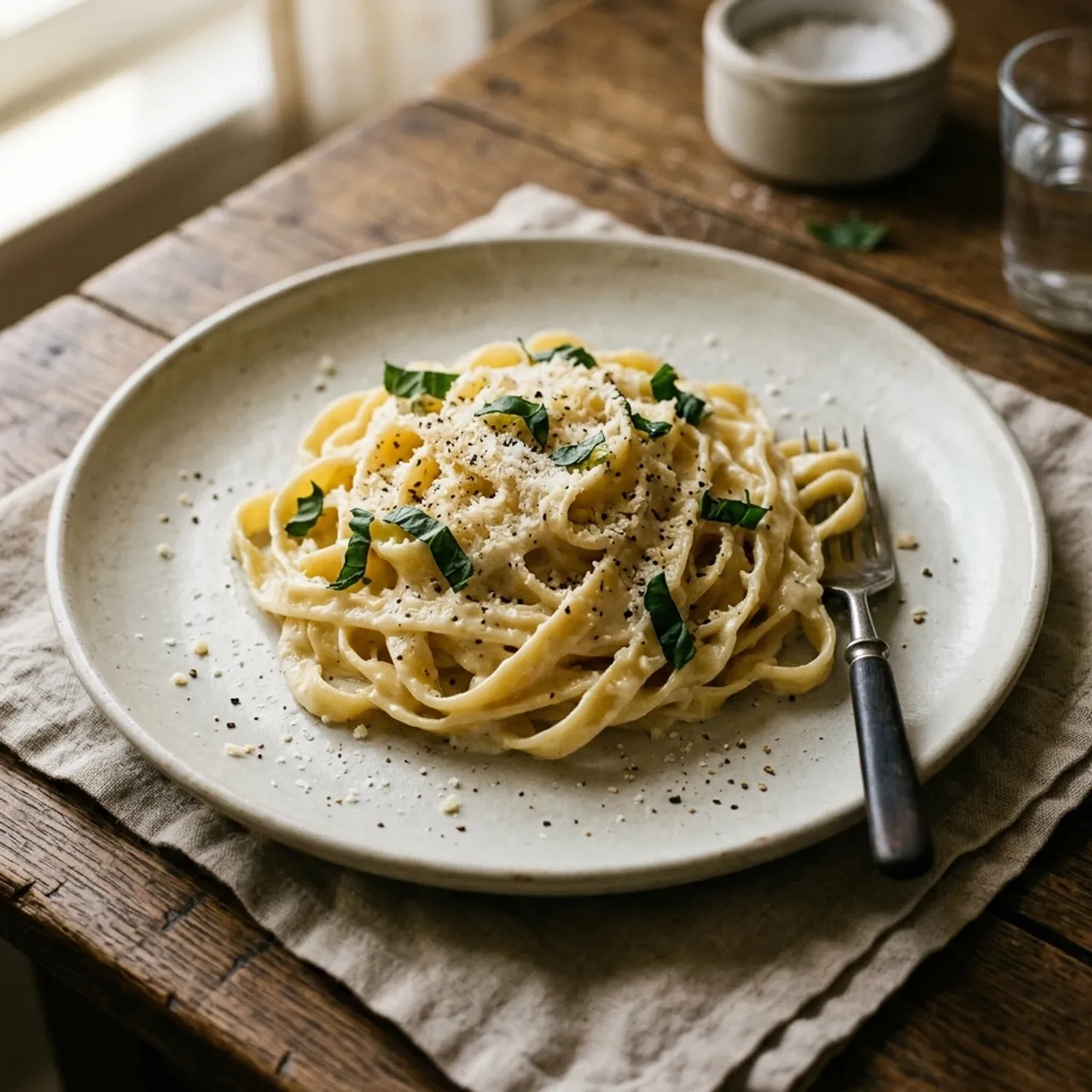
 Italian Images are for illustrative purposes only, may be inaccurate, and do not guarantee the presence or absence of specific ingredients.
 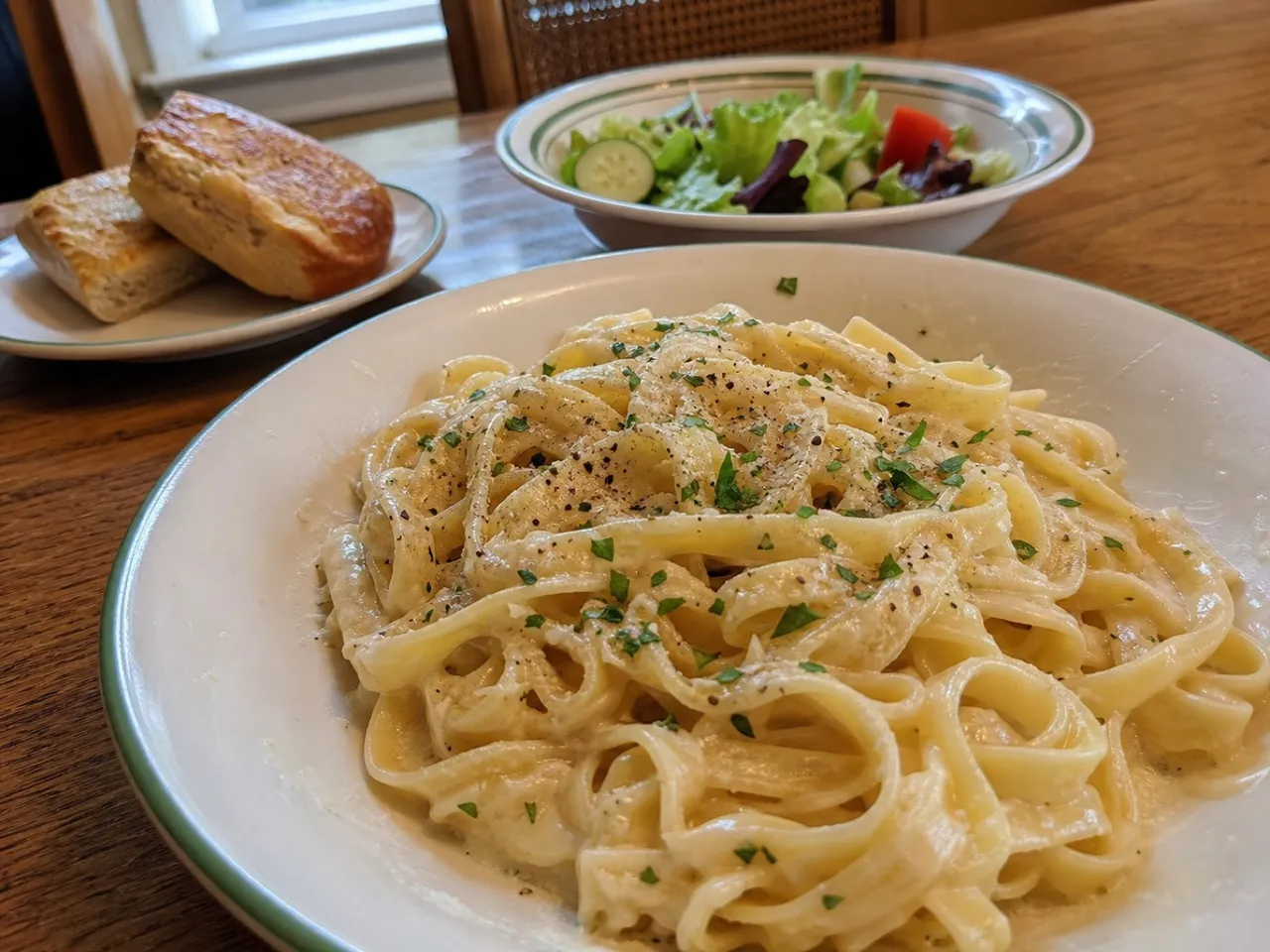 Serving Images are for illustrative purposes only, may be inaccurate, and do not guarantee the presence or absence of specific ingredients.
 Fettuccine Alfredo
A rich and creamy pasta dish made by tossing noodles with butter and Parmesan.
Contains common allergens
In the app, Listahan checks these against your household automatically.
Good to know
- Ready in under 30 minutes
Matched from this dish's own ingredients and timing. Browse more: 30-minute meals
Instructions
6 steps- 1
Boil the Pasta: Bring a large pot of salted water to a rolling boil. Add the fettuccine and cook until just under *al dente* (usually 1-2 minutes less than package instructions).
- 2
Prepare the Emulsion Base: While the pasta cooks, place the cubed butter in a large, deep skillet or sauté pan over very low heat. Let the butter melt gently without browning.
- 3
Transfer the Pasta: Using tongs, transfer the cooked fettuccine directly from the boiling water into the skillet with the melted butter, allowing some of the starchy pasta water to cling to the noodles. Do not drain the pasta pot yet.
- 4
Toss and Coat: Toss the pasta gently in the butter until every strand is coated.
- 5
Incorporate the Cheese: Remove the skillet from the heat. Sprinkle the grated Parmigiano-Reggiano over the pasta in three batches. After each addition, toss vigorously, adding 1-2 tablespoons of hot pasta water as needed. The cheese, butter, and starchy water will emulsify into a smooth, glossy cream sauce.
- 6
Serve: Plate immediately in warm bowls. The sauce will thicken rapidly as it cools, so prompt serving is essential. Top with a crack of black pepper if desired.
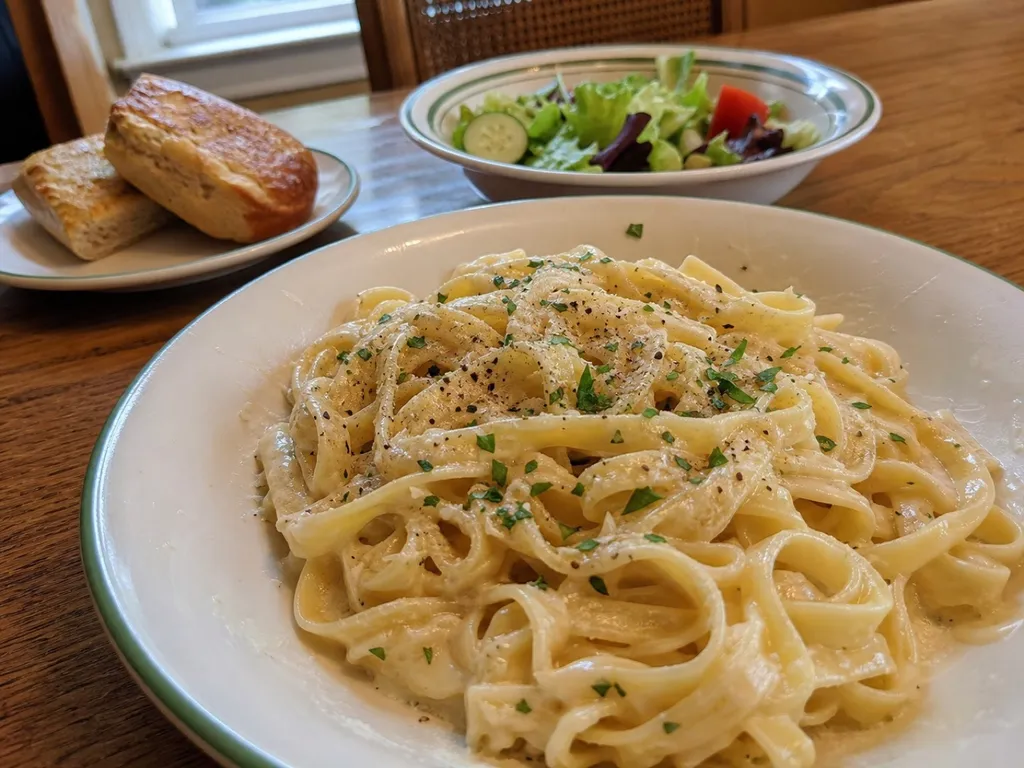 Images are for illustrative purposes only, may be inaccurate, and do not guarantee the presence or absence of specific ingredients.
 Listahan Family Score™
79/100
Good fit for most families
Score reflects how well this recipe fits a typical busy household. In the app, your Family Score is personalized to your household's allergens, kids, and pantry.
Nutrition
per serving625
Calories
14 g
Protein
79 g
Carbs
29 g
Fat
Estimated per serving. Actual values depend on the brands and portions you use.
Listahan cooking guide
Chef notes & practical guide
Technique notes, ingredient swaps, serve-alongside ideas, storage guidance, and equipment for this recipe.
Cultural context
Fettuccine Alfredo was invented in the early 20th century by Alfredo di Lelio, a Roman restaurateur who created the dish for his wife recovering from childbirth, wanting something nourishing and easy to digest. The original Roman preparation was dramatically simple: just fresh fettuccine, exceptional butter, and aged Parmigiano-Reggiano, tossed vigorously tableside in a gold serving dish. American visitors — including silent film stars Mary Pickford and Douglas Fairbanks — brought the dish back to the United States, where cream was added, creating the richer, dairy-heavier version most North Americans know today.
Listahan note
This version gives you the choice of the authentic butter-and-Parmesan method or the American cream-enriched version, with clear technique notes for why the emulsification method matters more than which you choose.
Technique cues
- Use starchy pasta cooking water as your primary sauce-building liquid — the emulsion of pasta water, butter, and cheese is what creates a silky coating rather than a greasy or clumpy one.
- Toss the pasta off heat with the butter and Parmesan, adding water a tablespoon at a time; the sauce should cling to every strand without pooling at the bottom of the bowl.
- If using cream, add it to the pan before the pasta and reduce it slightly first so it has enough body to cling; adding cream after the pasta can make the sauce too loose and diluted.
Kitchen flow
- Parallel prep
- Grate the Parmesan and measure the butter while the pasta water comes to a boil, so you can move quickly once the pasta is cooked — Alfredo waits for no one.
- Make-ahead
- The sauce cannot be made ahead meaningfully; however, you can boil the pasta to 80 percent done, toss it with a little olive oil, and finish it in the sauce to order within a few minutes.
- Leftover move
- Reheat leftover Alfredo gently in a pan with a splash of milk or water over low heat; it will not return to peak creaminess but is still tasty as a next-day lunch.
- Cleanup rhythm
- Wipe out the pasta pan immediately after plating since butter-and-cheese residue is quick to clean when warm but difficult once cold and hardened.
Ingredient brief
Role, handling, and swap guidance for each key ingredient.
fettuccine
pasta base
Purpose: Fettuccine's wide, flat surface area holds the butter-cheese emulsion exceptionally well, which is why this cut is inseparable from this sauce.
Handling: Cook in generously salted water until just al dente; reserve a generous cup of pasta water before draining.
Adaptation: Pappardelle or tagliatelle work equally well; thinner pastas like linguine are less effective at holding the thick sauce.
unsalted butter
fat base and emulsifier
Purpose: High-quality butter is the soul of the authentic version — its fat content and milk solids are what create the silky, enrobing consistency.
Handling: Use at room temperature for the authentic toss method; cold butter can be added in cubes during the final emulsification.
Adaptation: European-style butter with higher butterfat content produces a noticeably richer, smoother result.
Parmigiano-Reggiano
flavor and body
Purpose: Aged Parmesan provides the savory depth and the protein structure that binds the sauce together with the pasta starch.
Handling: Grate very finely on a microplane so it melts instantly on contact with the warm pasta rather than forming clumps.
Adaptation: Grana Padano is a less expensive alternative; avoid pre-grated dry Parmesan which will not melt smoothly.
heavy cream
richness and body (American version)
Purpose: Cream adds fat content that makes the sauce more stable and forgiving, which is why it became standard in American restaurants where tableside tossing was not practical.
Handling: Reduce the cream in the pan before adding pasta so it coats rather than floods.
Adaptation: Half-and-half can substitute for a lighter result; oat-based heavy cream for a dairy-free direction.
Technique notes
- The key distinction between a great Alfredo and a mediocre one is the vigor and speed of the final toss — you are building an emulsion, and it requires continuous, energetic movement for about 60 seconds off heat.
- Never let the pasta sit in the colander after draining — transfer it directly to the pan or bowl while still steaming, because the residual heat from the pasta itself is part of what melts the cheese.
- Season the finished dish carefully with salt — the Parmesan is already quite salty, so taste before adding any, and use white pepper if you want heat without the visual specks of black pepper.
Ingredient swaps
- Gluten-free direction
- Use a high-quality gluten-free fettuccine; the sauce technique is identical and works perfectly with rice or corn pasta.
- Dairy-free option
- Use full-fat coconut cream and nutritional yeast in place of cream and Parmesan; the flavor profile shifts but the dish is still rich and satisfying.
- Lighter direction
- Use the pure butter-and-Parmesan method without cream and rely entirely on pasta water for the emulsion — the result is lighter and more intensely savory.
Serve alongside
- Sauteed broccolini with garlic and lemon
- Caesar salad
- Garlic bread
- Pinot Grigio or unoaked Chardonnay (the butter calls for a wine with some richness)
- Sparkling water with a slice of lemon
Serving suggestions only — check pairings for your household's allergens.
Storage & reheating
- Store in an airtight container in the refrigerator for up to 2 days; the sauce will firm up considerably as the fat sets.
- Reheat over low heat with a splash of water or milk, stirring gently to loosen the sauce — do not microwave at high power as the cheese can seize and become grainy.
Equipment
- Large pasta pot with plenty of water for generous starch development
- Wide saute pan or deep skillet large enough to toss the pasta without spillage
- Microplane grater for fine, lump-free Parmesan
Make this household-aware
Listahan Pro checks this recipe against your household's allergens, finds pantry-aware swaps, builds the shopping list, and helps you plan the week around it.
Plan it in Listahan
Add Fettuccine Alfredo to your week, check it against your household's allergens, and build the shopping list automatically.
More Italian recipes
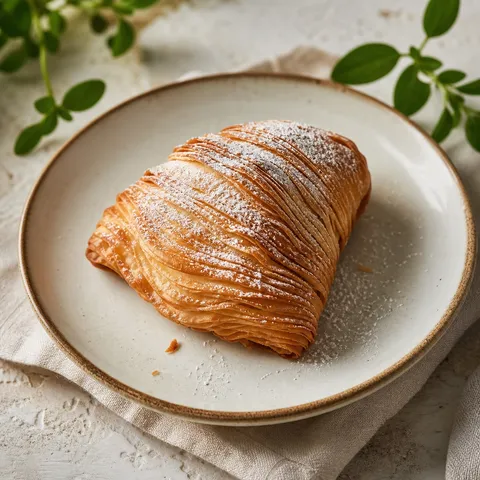 Italian Lens Verified Images are for illustrative purposes only, may be inaccurate, and do not guarantee the presence or absence of specific ingredients.
 Sfogliatella
Naples' iconic shell-shaped pastry with crisp, flaky layers wrapped around a sweet ricotta-semolina filling.
 Italian Lens Verified Images are for illustrative purposes only, may be inaccurate, and do not guarantee the presence or absence of specific ingredients.
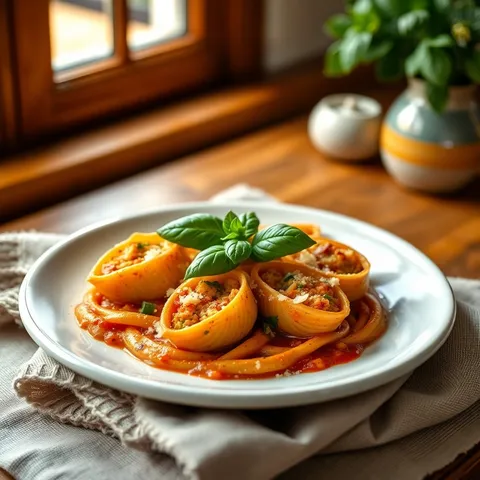
 Stuffed Shells (Conchiglioni Ripieni)
Jumbo pasta shells filled with a creamy ricotta-spinach mixture and baked in tomato sauce.
 Italian Lens Verified Images are for illustrative purposes only, may be inaccurate, and do not guarantee the presence or absence of specific ingredients.
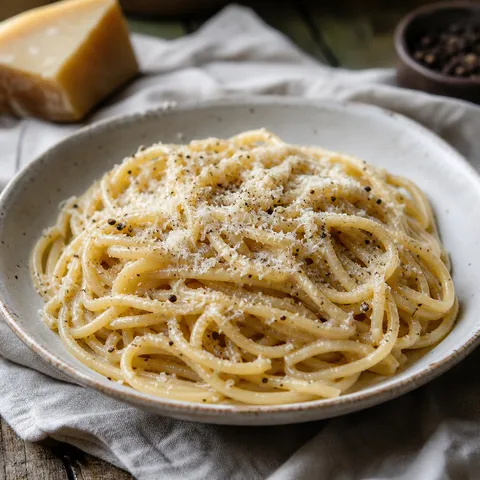
 Cacio e Pepe
A minimalist Roman pasta dish literally meaning "cheese and pepper."