 Italian Images are for illustrative purposes only, may be inaccurate, and do not guarantee the presence or absence of specific ingredients.
  Serving Images are for illustrative purposes only, may be inaccurate, and do not guarantee the presence or absence of specific ingredients.
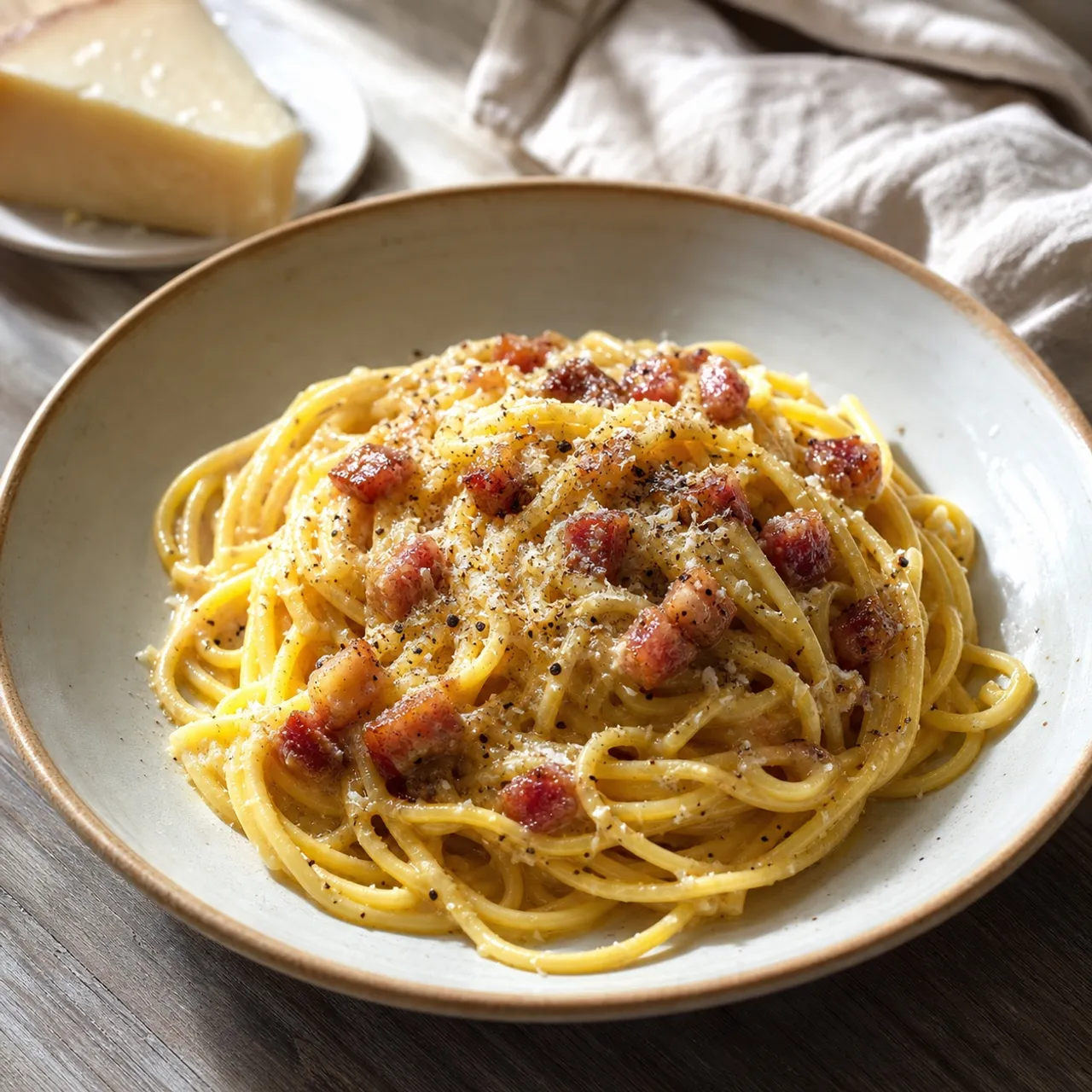
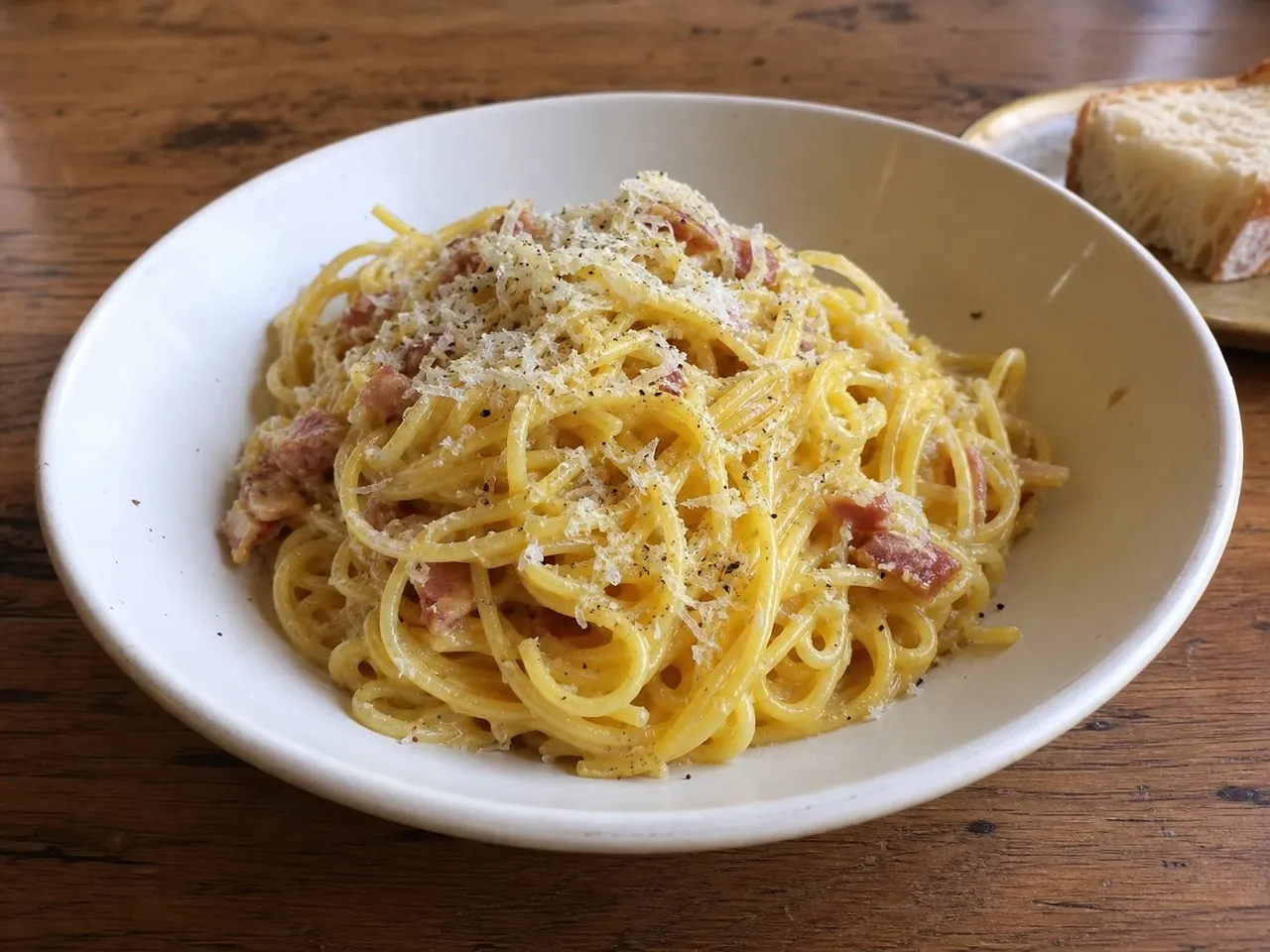
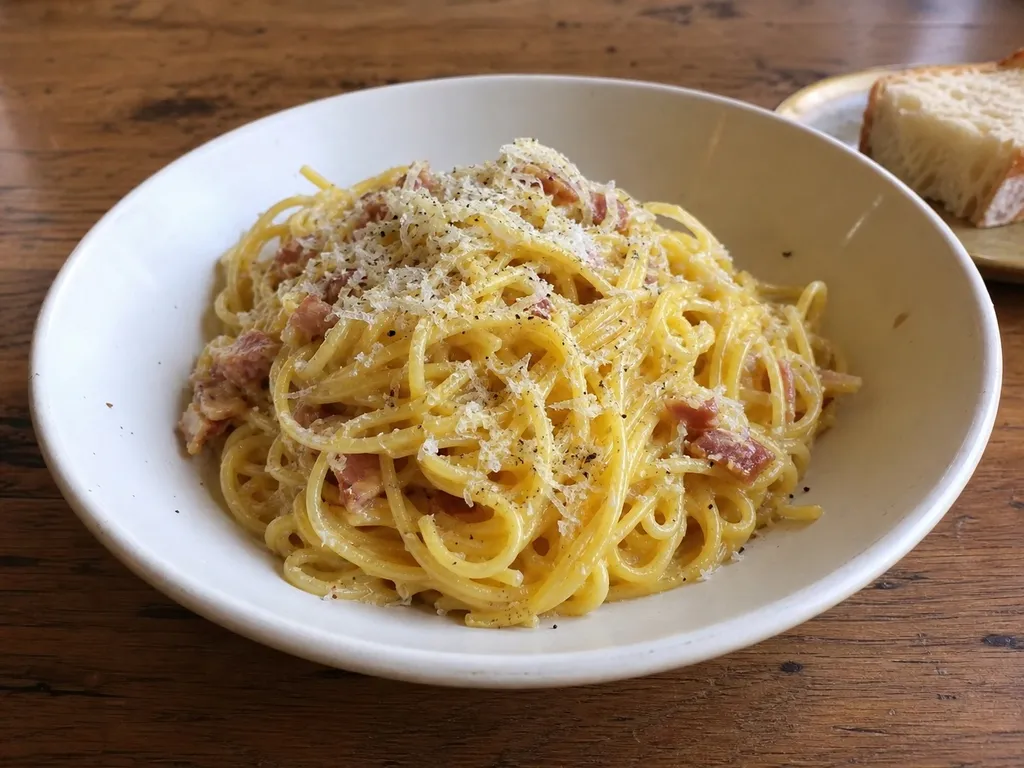
 Spaghetti Carbonara
A classic Roman pasta dish made with eggs, cheese, pancetta, and black pepper.
Contains common allergens
In the app, Listahan checks these against your household automatically.
Good to know
- Ready in under 30 minutes
Matched from this dish's own ingredients and timing. Browse more: 30-minute meals
Instructions
6 steps- 1
Boil the Pasta: Bring a large pot of heavily salted water to a rolling boil. Add the spaghetti and cook according to package instructions until just shy of *al dente* (about 8-10 minutes).
- 2
Crisp the Pork: While the pasta cooks, place the diced guanciale or pancetta in a large, cold skillet. Heat over medium-low to render the fat slowly. Cook for 5-7 minutes until the edges are golden and crispy but the center remains slightly chewy. Remove from heat.
- 3
Whisk the Sauce: In a medium mixing bowl, vigorously whisk together the 3 egg yolks, 1 whole egg, grated Pecorino Romano, and freshly cracked black pepper until it forms a thick, creamy paste.
- 4
Combine and Emulsify: Drain the pasta, reserving 1 cup of starchy pasta water. Quickly add the hot spaghetti to the skillet with the guanciale off the heat. Toss to coat the noodles in the rendered fat.
- 5
Temper and Toss: Add 2 tablespoons of hot pasta water to the egg mixture to temper it, then rapidly pour the egg mixture over the pasta. Toss vigorously and continuously, adding splashes of pasta water as needed, until a glossy, creamy emulsion coats the noodles.
- 6
Serve Immediately: Plate in warm bowls, garnishing with an extra dusting of Pecorino Romano and a generous crack of black pepper. Serve right away before the sauce sets.
 Images are for illustrative purposes only, may be inaccurate, and do not guarantee the presence or absence of specific ingredients.
 Listahan Family Score™
75/100
Good fit for most families
Score reflects how well this recipe fits a typical busy household. In the app, your Family Score is personalized to your household's allergens, kids, and pantry.
Nutrition
per serving640
Calories
35 g
Protein
76 g
Carbs
21 g
Fat
Estimated per serving. Actual values depend on the brands and portions you use.
Listahan cooking guide
Chef notes & practical guide
Technique notes, ingredient swaps, serve-alongside ideas, storage guidance, and equipment for this recipe.
Cultural context
Carbonara emerged in Rome in the mid-20th century, with competing theories about its origin — some link it to American soldiers bringing bacon and eggs to Italy after World War II, while others trace it to the charcoal workers (carbonari) of the Apennine mountains. What is clear is that it belongs firmly to Roman cucina povera: a rich, satisfying meal built from pantry staples. Authentic carbonara contains no cream — the silky sauce comes entirely from eggs, cured pork fat, and starchy pasta water emulsified together off the heat.
Listahan note
This version prioritizes the technique of tempering the egg mixture gently off direct heat so the sauce stays creamy and never scrambles. We use guanciale where available but give pancetta as a practical swap for most grocery stores.
Technique cues
- Remove the pan from the burner before adding the egg-and-cheese mixture, then toss continuously — residual heat from the pasta and pan is enough to set the sauce without curdling it.
- Reserve at least a cup of pasta cooking water before draining; adding it a splash at a time lets you dial in exactly the clinginess you want as the sauce tightens.
- Freshly cracked black pepper is not just seasoning here — bloom it briefly in the rendered guanciale fat so the peppercorns open up and release their aroma before the pasta goes in.
Kitchen flow
- Parallel prep
- While the pasta water comes to a boil, render the guanciale and whisk together the egg-and-cheese mixture so everything is ready to combine the moment the pasta drains.
- Make-ahead
- Carbonara does not hold well and should be served immediately; however, the guanciale can be rendered and the egg mixture whisked up to an hour ahead, kept at room temperature, ready to finish when pasta is done.
- Leftover move
- Reheat leftover carbonara gently in a pan over low heat with a splash of water, stirring constantly — it will never be quite as silky as fresh but avoids scrambled-egg texture.
- Cleanup rhythm
- Rinse the mixing bowl and whisk immediately after plating since dried egg mixture is much harder to remove; the pasta pot and pan soak while you eat.
Ingredient brief
Role, handling, and swap guidance for each key ingredient.
guanciale
cured pork base
Purpose: Guanciale (cured pork cheek) has a higher fat-to-meat ratio and more delicate flavor than pancetta, making it the traditional choice for a truly silky carbonara sauce.
Handling: Cut into small batons or cubes about 1/4 inch thick and render slowly in a cold pan so the fat melts out gradually without burning.
Adaptation: Pancetta works as a direct substitute; thick-cut bacon adds a smokier note that strays from the Roman original but is still delicious.
spaghetti
pasta vehicle
Purpose: The round cross-section and slight roughness of spaghetti lets the egg sauce cling evenly without pooling.
Handling: Cook in well-salted water just to al dente — it will continue to cook briefly when tossed in the warm pan.
Adaptation: Rigatoni or tonnarelli are both used in Rome; avoid delicate pastas like angel hair which can clump.
egg yolks
sauce emulsifier
Purpose: Yolks provide the fat and lecithin that bind the sauce into a creamy coating rather than a loose, greasy drizzle.
Handling: Whisk yolks together with the grated cheese before the pasta finishes cooking so the mixture is ready to go the moment you pull the pan off heat.
Adaptation: Some recipes use one whole egg plus extra yolks; avoid using whole eggs exclusively as the sauce will be thinner.
Pecorino Romano
sharpening agent and body
Purpose: Pecorino's salty, tangy bite sharpens the richness of the egg and pork fat, keeping the dish from feeling heavy.
Handling: Grate very finely on a microplane so it melts into the sauce without forming lumps; mix with Parmesan if you want a milder flavor.
Adaptation: Parmigiano-Reggiano can replace part or all of the Pecorino for a nuttier, less pungent result.
black pepper
aromatic seasoning
Purpose: Coarsely cracked pepper is integral — not a garnish — providing a warm, spicy counterpoint to the fatty richness of the dish.
Handling: Crack it coarsely in a mortar or with the side of a knife rather than using pre-ground, then toast it briefly in the rendered fat.
Adaptation: No substitute captures the same flavor; white pepper in a pinch but the result is noticeably different.
Technique notes
- The ratio of yolks to whole eggs matters: using predominantly yolks (4 yolks plus 1 whole egg for 4 servings) gives a significantly richer, glossier sauce than using whole eggs alone.
- Toss the drained pasta in the guanciale pan for 30 seconds before taking it off heat — this step coats every strand in rendered fat and starch, which is what makes the egg mixture adhere so well.
- If the finished sauce looks too thick and pasty, add pasta water in small increments and keep tossing; if it looks too thin, the pan retained enough residual heat to tighten it within 30 seconds.
Ingredient swaps
- Gluten-free direction
- Use a high-quality bronze-die-cut gluten-free spaghetti (corn-rice blends hold up best); the sauce technique is unchanged.
- Lower-sodium direction
- Reduce or omit added salt in the egg mixture since both the guanciale and Pecorino are already quite salty; taste before seasoning.
- Weeknight shortcut
- Pancetta cubes from a grocery store deli skip the need to find guanciale; the dish cooks in about 20 minutes total.
Serve alongside
- Arugula salad with shaved Parmesan and lemon
- Roasted asparagus with olive oil and sea salt
- Garlic-rubbed crostini with olive oil
- Frascati Superiore (crisp dry white from the hills near Rome)
- Sparkling water with lemon
Serving suggestions only — check pairings for your household's allergens.
Storage & reheating
- Store leftovers in an airtight container in the refrigerator for up to 2 days; the sauce will firm up considerably as it chills.
- Reheat gently in a skillet over low heat with a tablespoon of water, tossing constantly; do not microwave as the egg proteins seize unevenly.
Equipment
- Large, deep skillet or saute pan (12-inch minimum) for tossing pasta without spillage
- Microplane or fine grater for lump-free cheese integration
- Mixing bowl large enough to hold all the pasta for the final toss off heat
Make this household-aware
Listahan Pro checks this recipe against your household's allergens, finds pantry-aware swaps, builds the shopping list, and helps you plan the week around it.
Plan it in Listahan
Add Spaghetti Carbonara to your week, check it against your household's allergens, and build the shopping list automatically.
More Italian recipes
 Italian Lens Verified Images are for illustrative purposes only, may be inaccurate, and do not guarantee the presence or absence of specific ingredients.
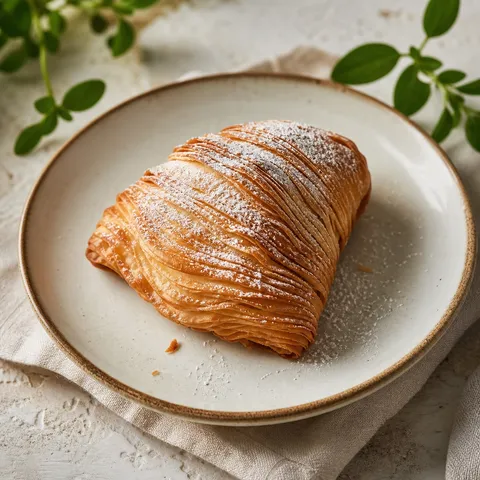
 Sfogliatella
Naples' iconic shell-shaped pastry with crisp, flaky layers wrapped around a sweet ricotta-semolina filling.
 Italian Lens Verified Images are for illustrative purposes only, may be inaccurate, and do not guarantee the presence or absence of specific ingredients.
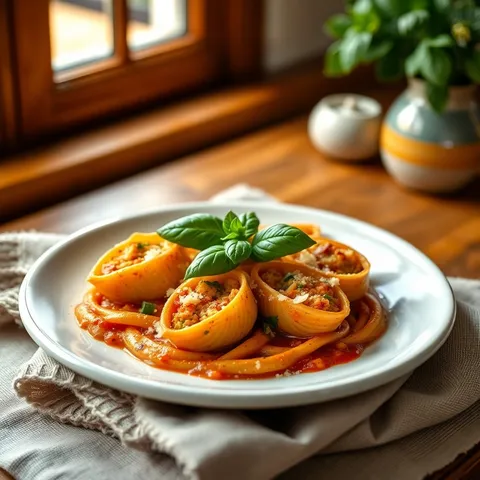
 Stuffed Shells (Conchiglioni Ripieni)
Jumbo pasta shells filled with a creamy ricotta-spinach mixture and baked in tomato sauce.
 Italian Lens Verified Images are for illustrative purposes only, may be inaccurate, and do not guarantee the presence or absence of specific ingredients.
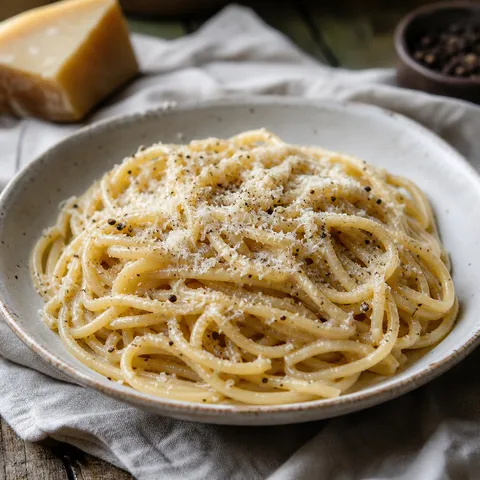
 Cacio e Pepe
A minimalist Roman pasta dish literally meaning "cheese and pepper."