 Italian Images are for illustrative purposes only, may be inaccurate, and do not guarantee the presence or absence of specific ingredients.
  Serving Images are for illustrative purposes only, may be inaccurate, and do not guarantee the presence or absence of specific ingredients.
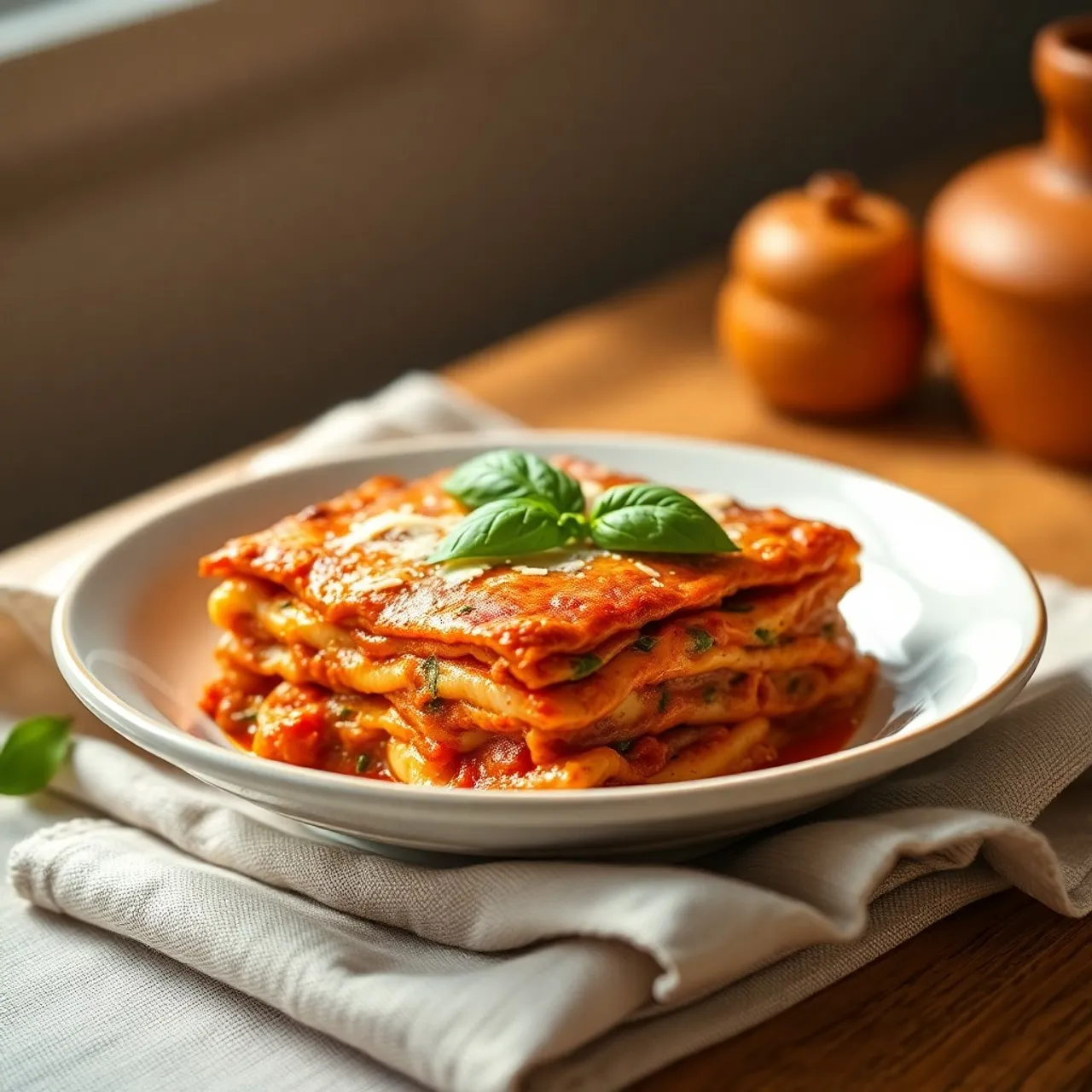
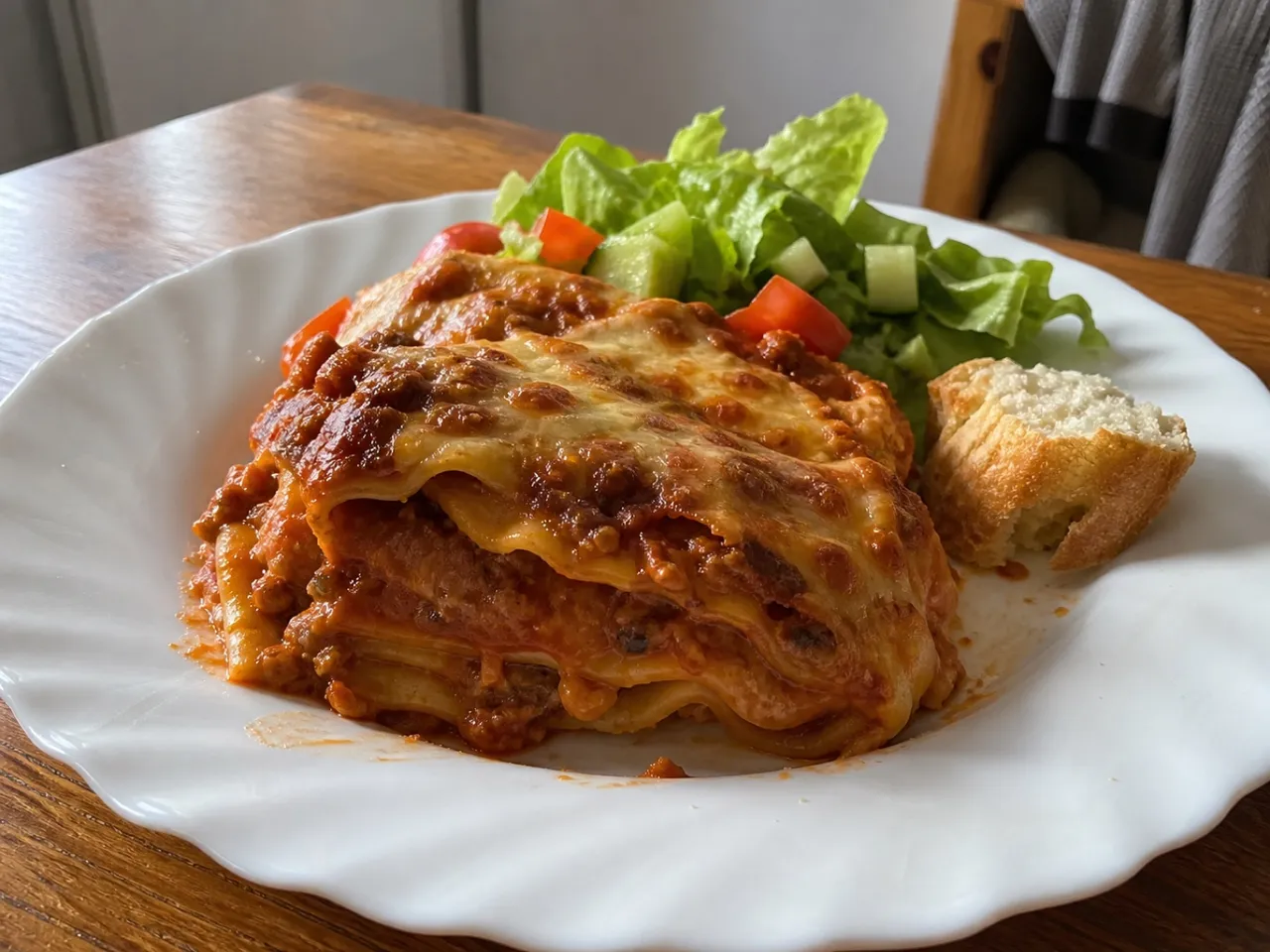
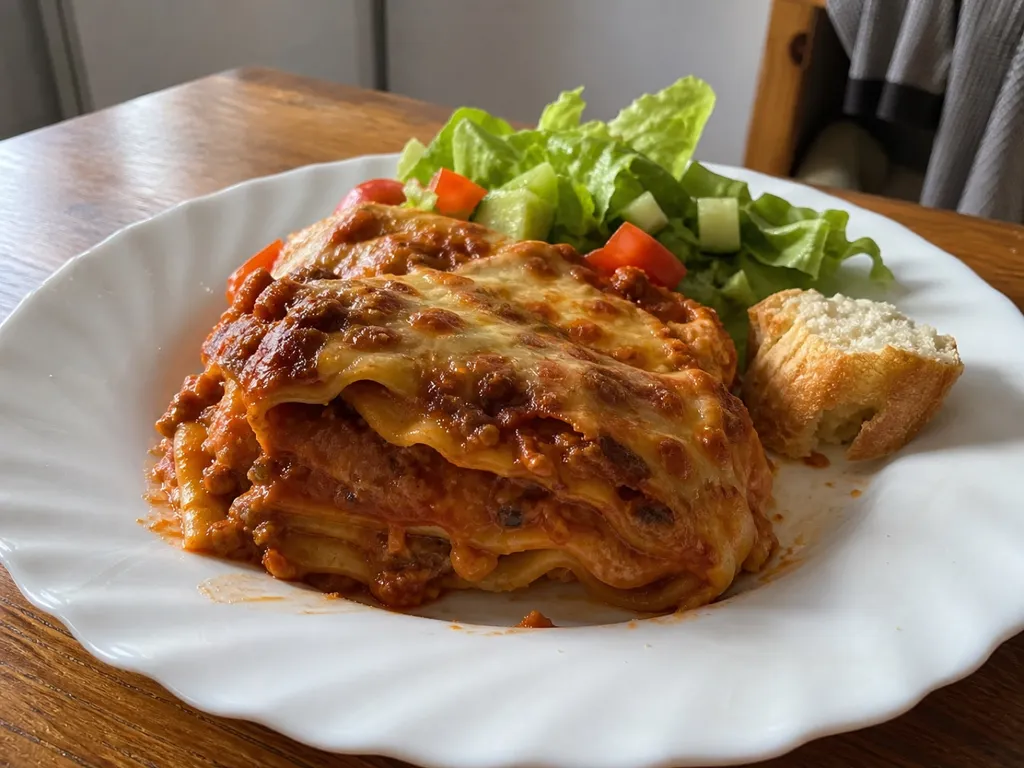
 Lasagna al Forno
Baked layers of flat pasta, rich meat ragù, and creamy béchamel sauce.
Contains common allergens
In the app, Listahan checks these against your household automatically.
Instructions
6 steps- 1
Prepare the Ragù: In a large pot, sauté the diced onion, carrot, and celery until soft. Add the ground beef and pork, cooking over medium-high heat until browned. Deglaze with red wine, then add the tomato passata. Reduce heat and simmer gently for at least 1 hour until thick and rich.
- 2
Make the Béchamel: Melt the butter in a saucepan over medium heat. Whisk in the flour and cook for 1-2 minutes until golden. Gradually whisk in the warm milk until completely smooth. Cook, stirring constantly, until the sauce thickens enough to coat the back of a spoon. Season with salt, pepper, and a pinch of nutmeg.
- 3
Prep the Pasta: If using dried noodles, boil them in generously salted water for 4-5 minutes until pliable but still undercooked. Drain and lay flat on clean kitchen towels to dry.
- 4
Assemble the Layers: Preheat oven to 375°F (190°C). In a 9x13 inch baking dish, spread a thin layer of ragù. Add a layer of noodles. Top with more ragù, dollops of ricotta, a drizzle of béchamel, a sprinkle of mozzarella, and Parmesan. Repeat this layering process 3-4 times, finishing the top layer with generous béchamel, mozzarella, and Parmesan.
- 5
Bake: Cover the baking dish loosely with aluminum foil (ensure it doesn't touch the cheese) and bake for 25 minutes. Remove the foil and bake for an additional 15-20 minutes until the top is bubbling, deeply golden brown, and crispy at the edges.
- 6
Rest and Serve: Let the lasagna rest at room temperature for at least 15-20 minutes before slicing to allow the layers to set.
 Images are for illustrative purposes only, may be inaccurate, and do not guarantee the presence or absence of specific ingredients.
 Listahan Family Score™
63/100
Works for many families
Score reflects how well this recipe fits a typical busy household. In the app, your Family Score is personalized to your household's allergens, kids, and pantry.
Nutrition
per serving440
Calories
33 g
Protein
5 g
Carbs
32 g
Fat
Estimated per serving. Actual values depend on the brands and portions you use.
Listahan cooking guide
Chef notes & practical guide
Technique notes, ingredient swaps, serve-alongside ideas, storage guidance, and equipment for this recipe.
Cultural context
Lasagna is one of the oldest pasta dishes in the Italian culinary record, with references to layered baked pasta appearing in 14th-century manuscripts from Naples. The Bolognese version — lasagna al forno with meat ragu and bechamel — became the regional benchmark of Emilia-Romagna, where the pasta itself was traditionally rolled thin and tinted green with spinach. This is the dish that American-Italian immigration transformed into a broadly popular weeknight staple, though the soul of the original is intact: slow-cooked meat, a white sauce, and thin layers that merge into something greater than their parts.
Listahan note
This version builds flavor in the ragu with a slow simmer of at least 90 minutes and uses a properly made bechamel rather than ricotta, which is the difference between a lasagna that holds its shape and one that is genuinely silky.
Technique cues
- Let the assembled lasagna rest for at least 15 minutes after it comes out of the oven before cutting — the layers compress and set, producing clean slices instead of a collapsed heap of noodles.
- Brown the meat in the ragu in small batches so it sears rather than steams; crowding the pan traps moisture and results in a gray, stewed texture rather than deep, flavorful browning.
- When making bechamel, add the milk gradually while whisking constantly and bring it in warm rather than cold — this prevents lumps from forming as the starch in the flour gelatinizes.
Kitchen flow
- Parallel prep
- Start the ragu first since it needs the longest cook time; make the bechamel in the last 15 minutes of the ragu's simmer so both are ready to assemble at the same time.
- Make-ahead
- Lasagna can be fully assembled a day ahead, covered tightly, and refrigerated unbaked; add 15 to 20 extra minutes to the bake time when cooking from cold.
- Leftover move
- Leftover lasagna slices reheat exceptionally well — cover with foil and bake at 350F for 20 minutes, or slice and pan-fry in butter for a crispy-edged version.
- Cleanup rhythm
- Soak the baking dish immediately after serving since baked-on bechamel and cheese is much harder to remove once it dries; the ragu pot gets a quick deglaze with water while still warm.
Ingredient brief
Role, handling, and swap guidance for each key ingredient.
ground beef
ragu protein base
Purpose: Beef provides the meaty foundation and fat for the slow-cooked ragu sauce; a blend of beef and pork is common for a more complex flavor.
Handling: Brown in batches over high heat until genuinely dark and caramelized; drain excess fat but leave enough to carry the flavor.
Adaptation: Italian sausage removed from casings adds seasoning; ground turkey or plant-based crumbles work with adjusted seasoning.
lasagna noodles
structural layers
Purpose: The noodles are the architecture of the dish — they absorb moisture from the sauces during baking and bind the layers together.
Handling: No-boil noodles work well and absorb liquid during baking; if using regular noodles, slightly undercook them before assembling.
Adaptation: Fresh pasta sheets produce a more tender, restaurant-quality result if you have time to make or buy them.
whole milk
bechamel base
Purpose: Full-fat milk gives the bechamel the body and richness it needs to coat every layer without feeling watery or thin.
Handling: Warm the milk before adding it to the roux to prevent lumping and speed up the sauce thickening process.
Adaptation: For dairy-free, unsweetened oat milk or full-fat coconut milk make a workable bechamel with slightly different flavor.
Parmigiano-Reggiano
umami seasoning and crust
Purpose: Parmesan provides savory depth throughout the layers and forms the golden, slightly crispy top crust during baking.
Handling: Grate finely and add to both the bechamel and the top layer; the top should be generously covered to form a proper gratin.
Adaptation: Pecorino Romano adds more sharpness; Grana Padano is an economical substitute.
crushed tomatoes
ragu liquid and acidity
Purpose: Tomatoes provide the liquid medium for the ragu to simmer in and contribute the acidity that balances the fat from the meat and cheese.
Handling: Add after the wine has evaporated and deglazed the pan; allow to simmer uncovered so the sauce reduces and concentrates.
Adaptation: Passata (tomato puree) gives a smoother texture; whole peeled tomatoes crushed by hand give a more rustic sauce.
Technique notes
- A thin, even layer of bechamel between every pasta layer — not just on top — is what keeps lasagna moist and unified rather than dry and stodgy.
- The best lasagna has more ragu than you think you need and barely enough bechamel to bind; the ratio to aim for is roughly twice as much meat sauce as white sauce by volume.
- Covering the dish with foil for the first two-thirds of the bake time prevents the top from burning before the center is heated through; remove the foil for the last 10 to 15 minutes to brown the crust.
Ingredient swaps
- Gluten-free direction
- Use gluten-free lasagna noodles and substitute the all-purpose flour in the bechamel with rice flour or a gluten-free blend — the sauce will thicken normally.
- Vegetarian direction
- Replace the meat ragu with a slow-cooked mushroom and lentil ragu seasoned with fennel seeds and red wine for comparable depth.
- Weeknight shortcut
- Use a good-quality jarred marinara sauce instead of making ragu from scratch; the dish still benefits greatly from a homemade bechamel.
Serve alongside
- Caesar salad with house-made croutons
- Garlic bread with herb butter
- Roasted broccolini with chili flakes
- Sangiovese or Chianti Classico (the acidity cuts through the richness)
- San Pellegrino sparkling water
Serving suggestions only — check pairings for your household's allergens.
Storage & reheating
- Store covered in the refrigerator for up to 4 days; lasagna often tastes better the next day as the layers meld.
- Freeze individual portions wrapped tightly in plastic wrap and foil for up to 3 months; thaw overnight in the refrigerator and reheat covered in a 350F oven.
Equipment
- 9x13 inch baking dish (ceramic or glass retains heat evenly for consistent baking)
- Heavy-bottomed saucepan for the bechamel to prevent scorching
- Wooden spoon or silicone spatula for breaking up meat and stirring sauces
Make this household-aware
Listahan Pro checks this recipe against your household's allergens, finds pantry-aware swaps, builds the shopping list, and helps you plan the week around it.
Plan it in Listahan
Add Lasagna al Forno to your week, check it against your household's allergens, and build the shopping list automatically.
More Italian recipes
 Italian Lens Verified Images are for illustrative purposes only, may be inaccurate, and do not guarantee the presence or absence of specific ingredients.
 Sfogliatella
Naples' iconic shell-shaped pastry with crisp, flaky layers wrapped around a sweet ricotta-semolina filling.
 Italian Lens Verified Images are for illustrative purposes only, may be inaccurate, and do not guarantee the presence or absence of specific ingredients.
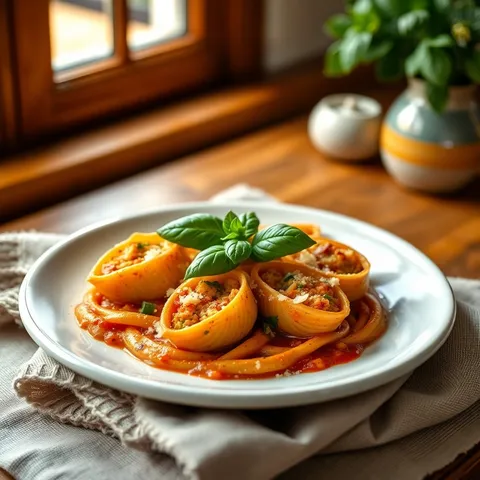
 Stuffed Shells (Conchiglioni Ripieni)
Jumbo pasta shells filled with a creamy ricotta-spinach mixture and baked in tomato sauce.
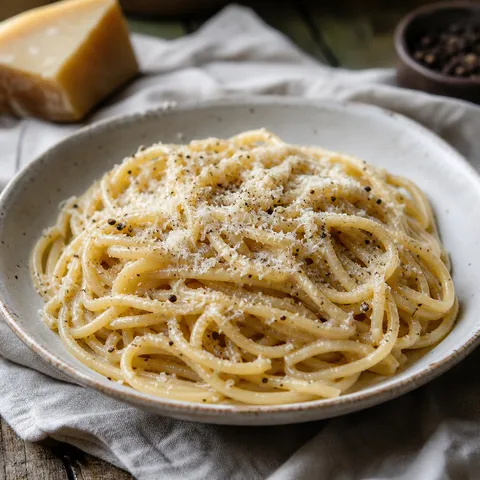 Italian Lens Verified Images are for illustrative purposes only, may be inaccurate, and do not guarantee the presence or absence of specific ingredients.
 Cacio e Pepe
A minimalist Roman pasta dish literally meaning "cheese and pepper."