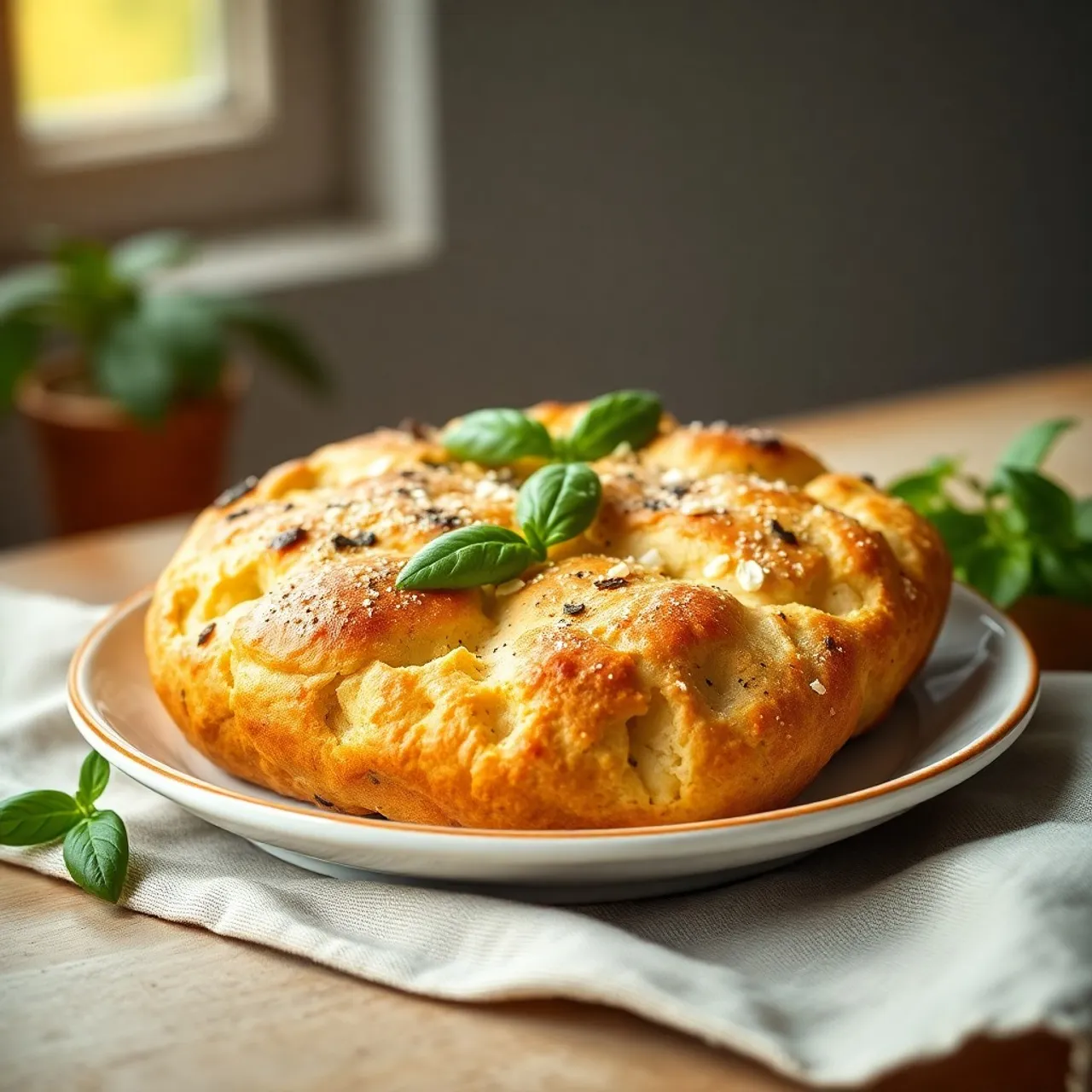
 Italian Images are for illustrative purposes only, may be inaccurate, and do not guarantee the presence or absence of specific ingredients.
 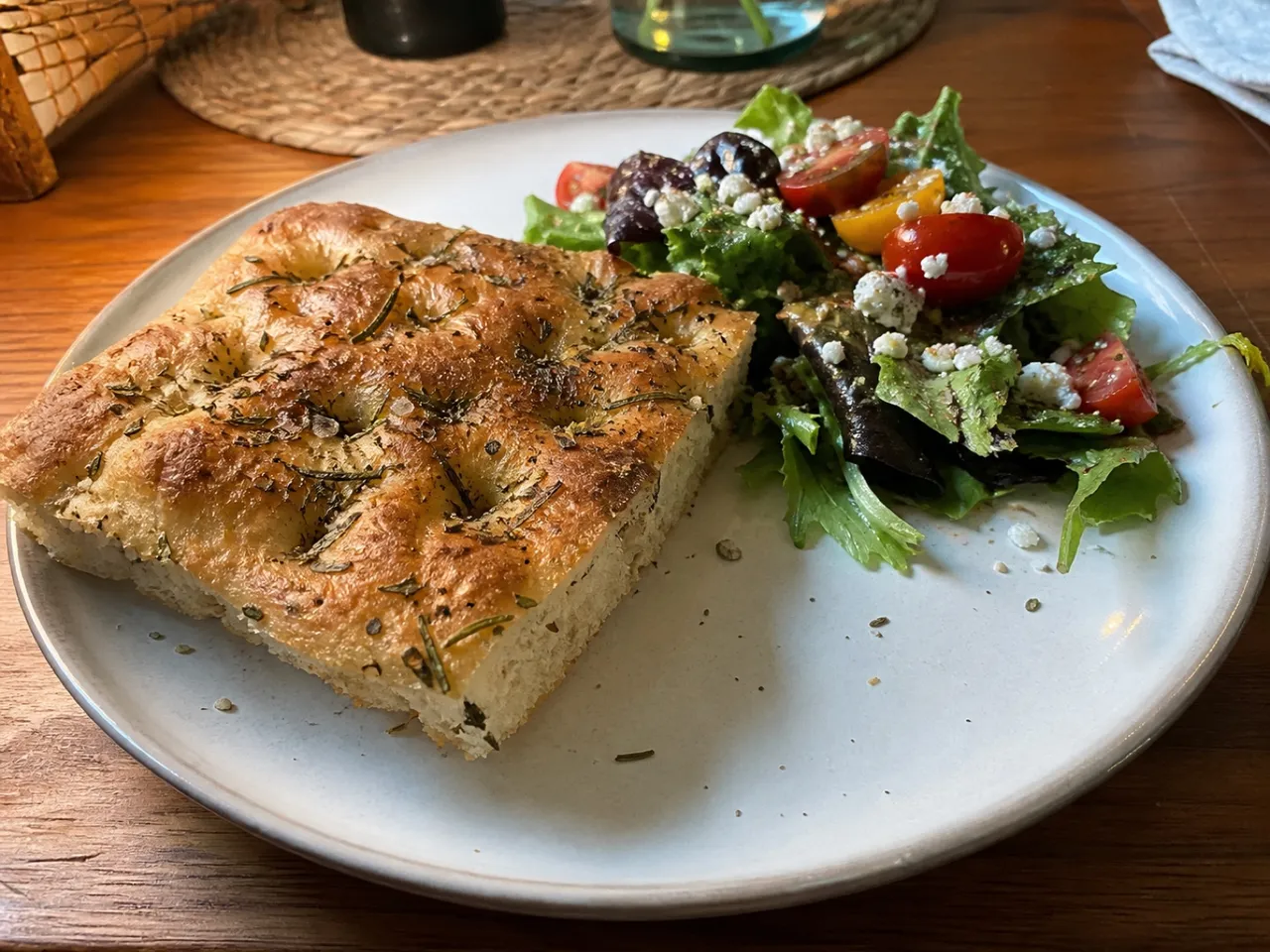 Serving Images are for illustrative purposes only, may be inaccurate, and do not guarantee the presence or absence of specific ingredients.
 Focaccia Bread
A flat, oven-baked Italian bread, similar in style and texture to pizza dough.
Contains common allergens
In the app, Listahan checks these against your household automatically.
Instructions
6 steps- 1
Mix the Dough: In a large bowl, whisk the yeast into the warm water and let it sit for 5 minutes. Add the flour and fine sea salt. Mix with a wooden spoon or your hands until a shaggy, wet dough forms. There should be no dry spots of flour.
- 2
First Rise: Pour 2 tablespoons of olive oil over the dough, turning it to coat completely. Cover the bowl with a damp towel or plastic wrap. Let it rise in a warm spot for 1.5 to 2 hours, or until it has doubled in size and is very bubbly.
- 3
Transfer to Pan: Pour 3 tablespoons of olive oil into a 9x13 inch metal baking pan, spreading it to coat the bottom and sides. Gently deflate the dough and transfer it to the pan. Turn it once to coat in the oil.
- 4
Stretch and Second Rise: Gently stretch the dough toward the corners of the pan. If it shrinks back, let it rest for 15 minutes, then stretch again. Cover the pan and let it rise for another 45-60 minutes until very puffy and jiggly.
- 5
Dimple and Flavor: Preheat the oven to 425°F (220°C). Pour the remaining olive oil over the top of the risen dough. Oil your fingers and press them firmly down into the dough, reaching all the way to the bottom of the pan, to create deep dimples everywhere. Sprinkle evenly with fresh rosemary leaves and flaky sea salt.
- 6
Bake: Bake on the middle rack for 25-30 minutes, rotating halfway through, until the top and bottom are deeply golden brown and crisp. Remove from the pan immediately using a spatula and cool on a wire rack to keep the bottom crispy.
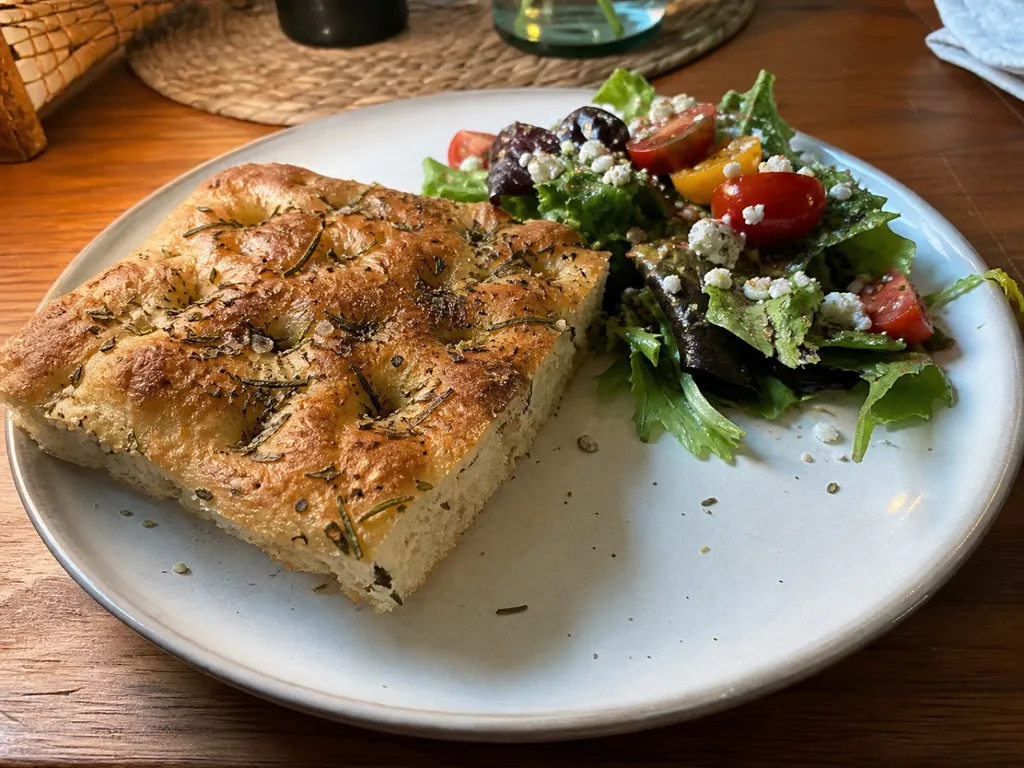 Images are for illustrative purposes only, may be inaccurate, and do not guarantee the presence or absence of specific ingredients.
 Listahan Family Score™
71/100
Good fit for most families
Score reflects how well this recipe fits a typical busy household. In the app, your Family Score is personalized to your household's allergens, kids, and pantry.
Nutrition
per serving700
Calories
13 g
Protein
96 g
Carbs
28 g
Fat
Estimated per serving. Actual values depend on the brands and portions you use.
Listahan cooking guide
Chef notes & practical guide
Technique notes, ingredient swaps, serve-alongside ideas, storage guidance, and equipment for this recipe.
Cultural context
Focaccia is one of Italy's oldest breads, tracing back to flat hearth breads the Romans baked under ashes before ovens were common. The Ligurian version from around Genoa set the template most people know: a high-hydration dough dimpled with fingertips, flooded with olive oil, and finished with coarse salt. It sits somewhere between bread and a canvas, which is why every region tops it differently, from rosemary to tomatoes to thin-sliced onion.
Listahan note
This version keeps the dough wet and the oil generous so you get the crackle-edged, custardy crumb that defines good focaccia. It is built for a home oven and a single sheet pan, no pizza stone required.
Technique cues
- Keep the dough wet and resist adding flour while mixing; the high hydration is what gives focaccia its open, tender crumb rather than a tight sandwich texture.
- Pour olive oil into the dimples before the final rise so it pools and fries the bottom and edges as it bakes, which is where the signature crispness comes from.
- Dimple with oiled fingertips all the way to the pan so the holes hold their shape; shy dimples puff closed and you lose the look and the oil pockets.
Kitchen flow
- Parallel prep
- While the dough does its long rise, oil the pan and measure the topping salt and herbs so the final assembly takes seconds.
- Make-ahead
- Mix the dough the night before and cold-ferment it in the fridge; it bakes with deeper flavor and you only need the pan rise in the morning.
- Leftover move
- Split day-old focaccia and griddle it cut-side down in a dry pan, then build it into a sandwich with cheese and tomato.
- Cleanup rhythm
- Line or heavily oil the pan up front; the oil that crisps the bread also keeps it from sticking, so the pan wipes clean.
Ingredient brief
Role, handling, and swap guidance for each key ingredient.
bread flour
structure
Purpose: The higher protein builds enough gluten to trap gas in a very wet dough so it rises tall instead of spreading flat.
Handling: Whisk to loosen before adding water so it hydrates evenly with no dry pockets.
Adaptation: All-purpose flour works with a slightly denser crumb; add a tablespoon less water to compensate.
extra-virgin olive oil
fat and flavor
Purpose: It fries the crust, perfumes the crumb, and is a defining taste of the bread rather than just a coating.
Handling: Reserve a generous pour for the dimples right before baking, separate from what goes in the dough.
Adaptation: A light olive oil keeps the texture but loses the fruity finish; avoid neutral seed oils, which taste flat here.
instant yeast
leavening
Purpose: It drives the long, slow rise that develops both flavor and the airy structure.
Handling: Mix straight into the flour; instant yeast needs no blooming in warm water.
Adaptation: Active dry yeast works if you bloom it first in the recipe's water with a pinch of sugar.
flaky sea salt
finishing
Purpose: Coarse crystals on top give bursts of salinity and crunch that season each bite without dissolving into the dough.
Handling: Scatter over the oiled, dimpled surface just before the bread goes in the oven.
Adaptation: Coarse kosher salt is a fine stand-in; skip fine table salt on top, which over-salts unevenly.
fresh rosemary
aromatic
Purpose: Its pine-resin oils bloom in the hot oil and define the classic Ligurian aroma.
Handling: Strip the needles and press them lightly into the dimples so they anchor and do not scorch.
Adaptation: Fresh thyme or a scatter of dried oregano both work; leave it plain for a neutral base bread.
Technique notes
- Let the second rise happen right in the oiled pan until the dough looks pillowy and jiggles; underproofed focaccia bakes up dense and tight.
- Bake hot, around 220C, on a lower rack so the oiled bottom crisps before the top sets.
- A spritz or small splash of water under the dimpled surface just before baking adds steam for a lighter, taller rise.
Ingredient swaps
- Gluten-free direction
- Use a gluten-free bread flour blend with psyllium husk and expect a flatter, more cake-like result that still crisps in the oil.
- Lower-sodium direction
- Cut the flaky finishing salt by half and lean on rosemary and a squeeze of lemon zest for flavor instead.
- Weeknight shortcut
- Use a same-day room-temperature rise of about two hours instead of the overnight cold ferment when you need bread fast.
Serve alongside
- Marinated olives and roasted peppers
- Burrata with olive oil and cracked pepper
- Minestrone soup
- Tomato and basil salad
- A glass of Vermentino
- Sparkling water with lemon
- A light Chianti
Serving suggestions only — check pairings for your household's allergens.
Storage & reheating
- Keep focaccia at room temperature wrapped in a clean towel for up to two days; refrigerating dries it out. Refresh slices in a 180C oven for a few minutes to bring back the crisp. It freezes well sliced and wrapped; reheat from frozen straight in the oven.
Equipment
- A rimmed sheet pan or shallow metal baking pan
- A stand mixer or sturdy bowl and scraper for the wet dough
- A kitchen scale for accurate hydration
- A wire rack for cooling
Make this household-aware
Listahan Pro checks this recipe against your household's allergens, finds pantry-aware swaps, builds the shopping list, and helps you plan the week around it.
Plan it in Listahan
Add Focaccia Bread to your week, check it against your household's allergens, and build the shopping list automatically.
More Italian recipes
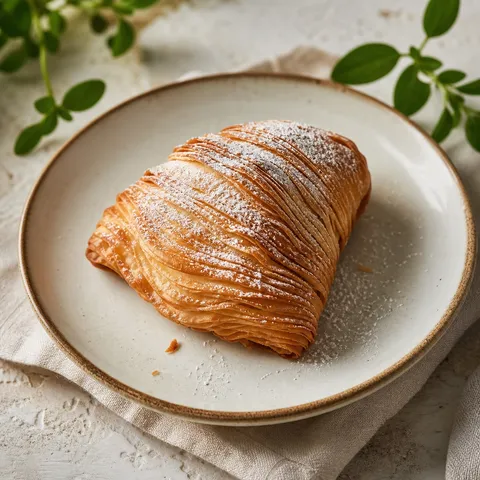 Italian Lens Verified Images are for illustrative purposes only, may be inaccurate, and do not guarantee the presence or absence of specific ingredients.
 Sfogliatella
Naples' iconic shell-shaped pastry with crisp, flaky layers wrapped around a sweet ricotta-semolina filling.
 Italian Lens Verified Images are for illustrative purposes only, may be inaccurate, and do not guarantee the presence or absence of specific ingredients.
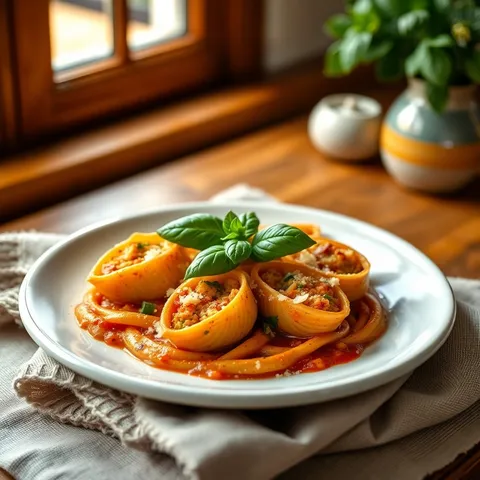
 Stuffed Shells (Conchiglioni Ripieni)
Jumbo pasta shells filled with a creamy ricotta-spinach mixture and baked in tomato sauce.
 Italian Lens Verified Images are for illustrative purposes only, may be inaccurate, and do not guarantee the presence or absence of specific ingredients.
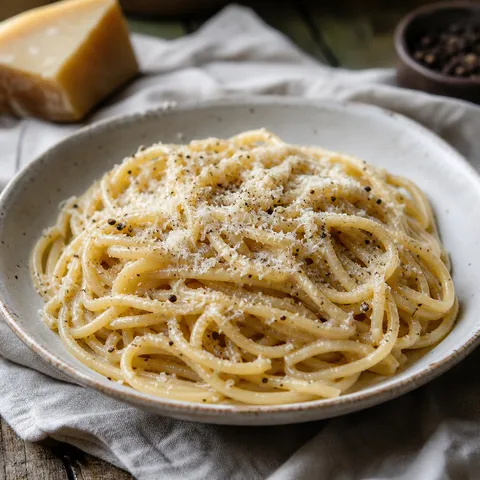
 Cacio e Pepe
A minimalist Roman pasta dish literally meaning "cheese and pepper."