 Italian Images are for illustrative purposes only, may be inaccurate, and do not guarantee the presence or absence of specific ingredients.
  Serving Images are for illustrative purposes only, may be inaccurate, and do not guarantee the presence or absence of specific ingredients.
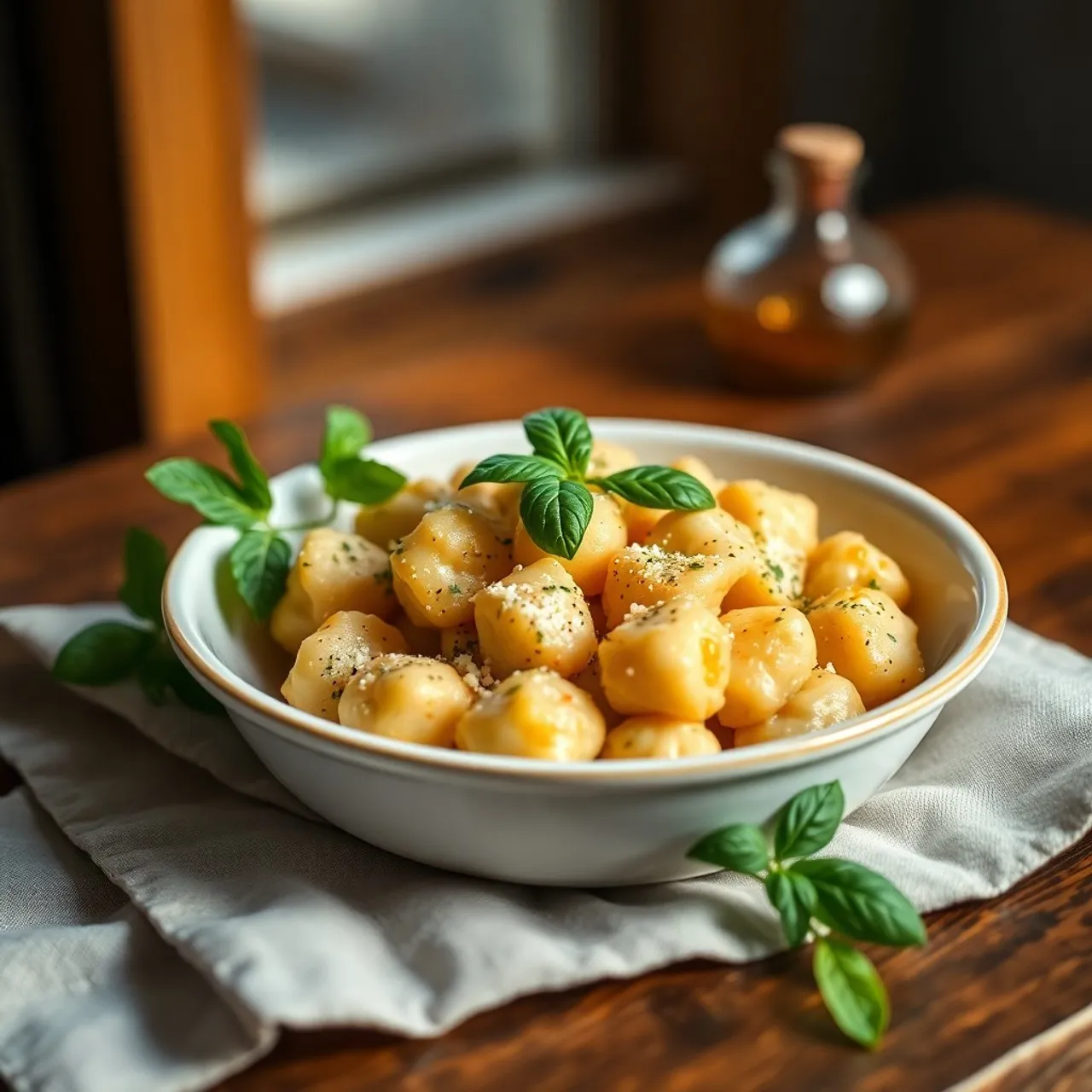
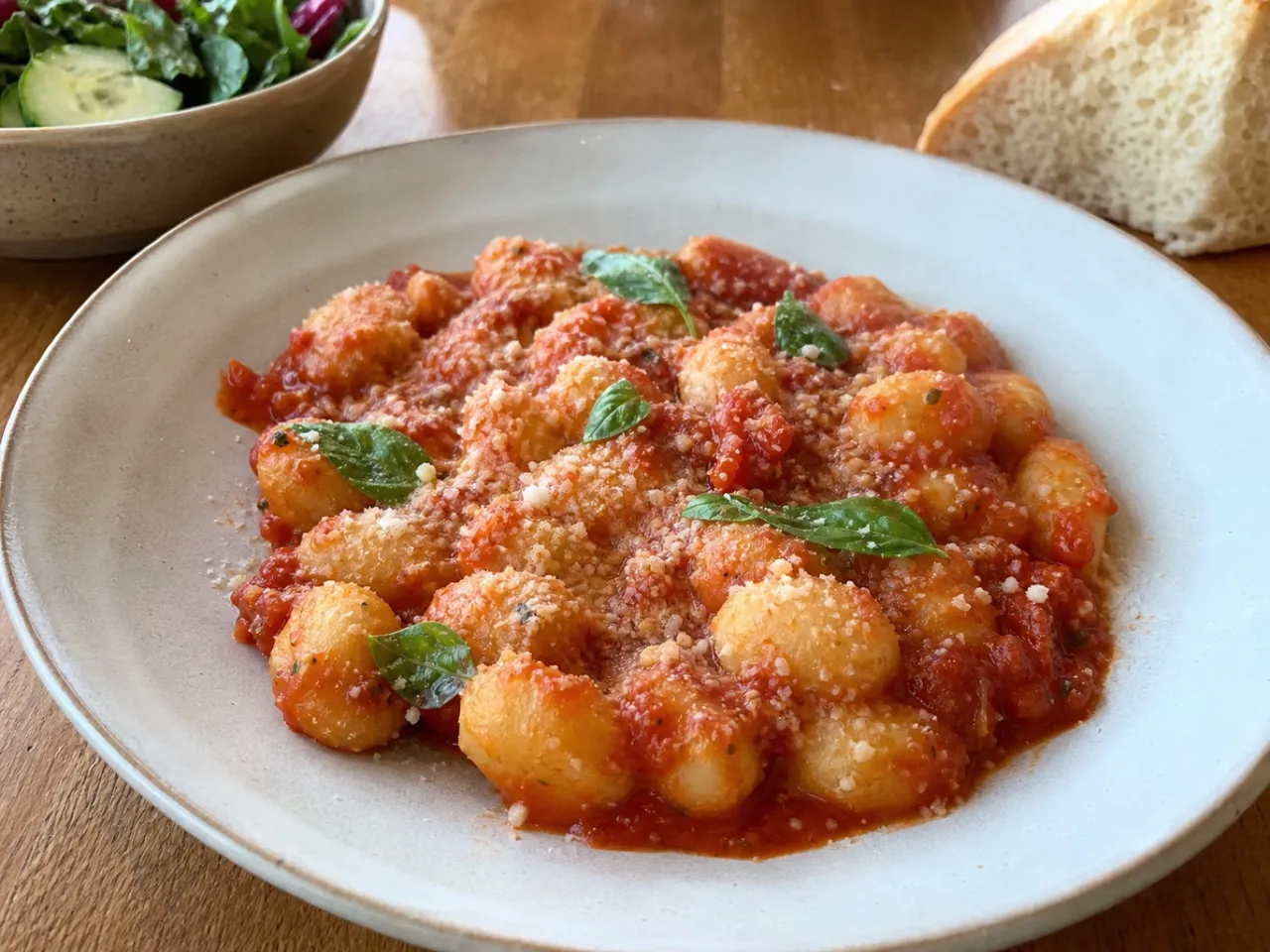
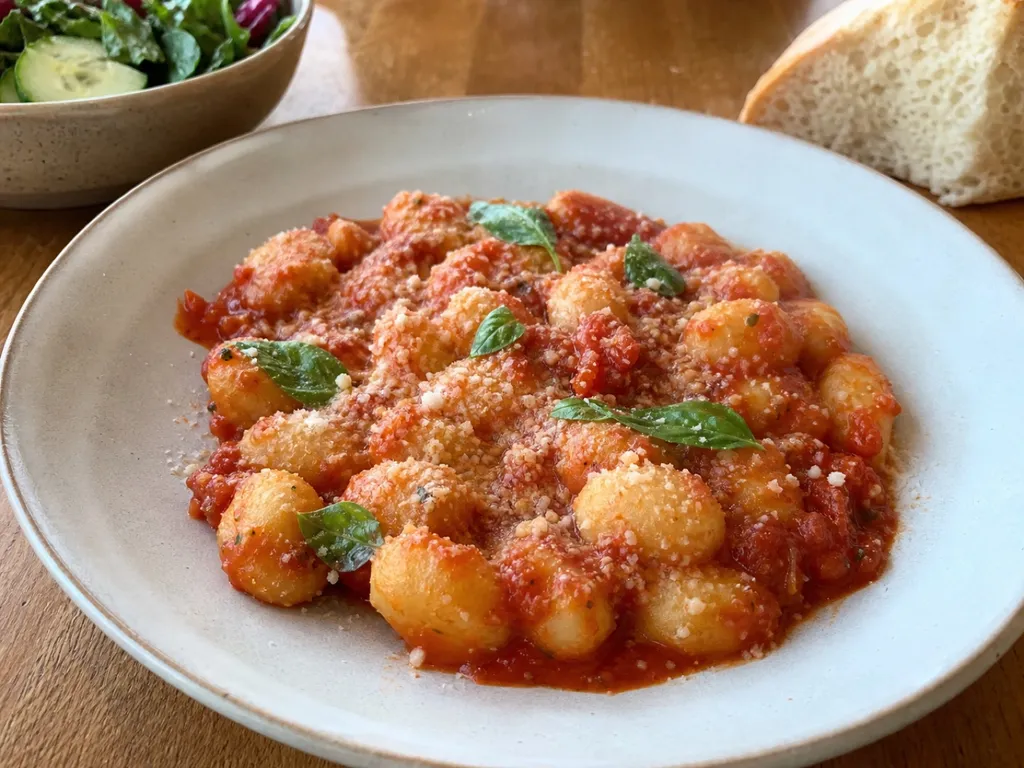
 Gnocchi di Patate
Master the art of pasta-making with these soft, pillowy potato dumplings that literally melt in your mouth. Whether paired with a rich ragù or simple browned butter and sage, they are an absolute triumph.
Contains common allergens
In the app, Listahan checks these against your household automatically.
Instructions
6 steps- 1
Boil the Potatoes: Wash the potatoes but leave the skins on to prevent them from absorbing excess water. Boil them in a large pot of salted water until completely tender (about 30-40 minutes).
- 2
Mash the Potatoes: Drain the potatoes. While they are still hot, peel off the skins. Pass the hot potatoes through a potato ricer or food mill onto a clean work surface. Spread them out slightly and let them cool just until the steam evaporates (about 5-10 minutes).
- 3
Form the Dough: Sprinkle the salt over the potatoes. Pour the beaten egg in the center. Gradually sift the flour over the mixture. Use your hands or a bench scraper to gently fold the ingredients together until a soft, slightly sticky dough forms. Do not over-knead, or the gnocchi will become dense and tough.
- 4
Shape the Ropes: Cut a piece of dough and roll it lightly under your palms on a floured surface to form a long rope about 3/4-inch thick.
- 5
Cut and Texture: Cut the rope into 1-inch pieces. For traditional texture (which helps hold the sauce), gently roll each piece over the tines of a fork or a wooden gnocchi board to create ridges on one side and a small dimple on the other. Place the formed gnocchi on a generously floured baking sheet.
- 6
Cook the Gnocchi: Bring a large pot of salted water to a gentle boil. Drop the gnocchi into the water in batches. They are ready when they float to the surface (about 1-2 minutes). Remove with a slotted spoon and toss immediately with your desired warm sauce.
 Images are for illustrative purposes only, may be inaccurate, and do not guarantee the presence or absence of specific ingredients.
 Listahan Family Score™
78/100
Good fit for most families
Score reflects how well this recipe fits a typical busy household. In the app, your Family Score is personalized to your household's allergens, kids, and pantry.
Nutrition
per serving175
Calories
5 g
Protein
36 g
Carbs
1 g
Fat
Estimated per serving. Actual values depend on the brands and portions you use.
Listahan cooking guide
Chef notes & practical guide
Technique notes, ingredient swaps, serve-alongside ideas, storage guidance, and equipment for this recipe.
Cultural context
Potato gnocchi became widespread in northern Italy after the Columbian Exchange brought potatoes to Europe in the 16th century, gradually displacing earlier bread-based and semolina dumplings in regions like Veneto, Friuli, and Trentino. The dish is a cornerstone of cucina povera — a filling, economical meal made from leftover baked potatoes, a little flour, and an egg — yet it demands more technique than its humble ingredients suggest. The Thursday tradition of gnocchi ('Gnocchi di giovedi') in Rome and parts of Veneto reflects its role as a comforting, family-centered dish eaten before the fish-focused Friday meal.
Listahan note
This version prioritizes keeping the dough as light as possible by using the minimum flour necessary and resting the gnocchi briefly before boiling, so you get pillowy, tender dumplings rather than dense, doughy ones.
Technique cues
- Bake the potatoes rather than boiling them — boiled potatoes absorb water that must be compensated with extra flour, which makes the gnocchi dense and heavy; baked potatoes give you dry, fluffy flesh that needs minimal flour.
- Work the dough quickly and handle it as little as possible after adding the flour; over-kneading develops gluten and creates tough, chewy gnocchi rather than tender ones.
- Test one or two gnocchi in boiling water before cooking the full batch — they should float to the surface within 2 to 3 minutes and be set and tender; adjust the dough if they fall apart or are too dense.
Kitchen flow
- Parallel prep
- Bake the potatoes well ahead of time (even the night before and refrigerate) so they are completely cool and dry when you make the dough; bring a large pot of water to boil while shaping the gnocchi.
- Make-ahead
- Shaped, uncooked gnocchi can be frozen in a single layer on a floured tray and transferred to a bag once solid; cook directly from frozen without thawing, adding 1 to 2 minutes to the cooking time.
- Leftover move
- Pan-fry leftover cooked gnocchi in butter with fresh sage until golden and crispy on the outside for a completely different and arguably superior texture to the boiled version.
- Cleanup rhythm
- The main cleanup is the flour-dusted work surface and the gnocchi tray; clean these while the water comes to a boil to stay ahead of the dough sticking.
Ingredient brief
Role, handling, and swap guidance for each key ingredient.
russet potatoes
dumpling base
Purpose: High-starch russets produce fluffy, dry flesh after baking, which is the foundation of light gnocchi; waxy potatoes retain too much moisture.
Handling: Bake whole until completely soft (about 1 hour at 400F), split while hot, and scoop out the flesh; rice or pass through a food mill while still warm.
Adaptation: Yukon Gold potatoes can work and add a buttery flavor, but may need slightly more flour due to higher moisture content.
all-purpose flour
binding agent
Purpose: Flour provides the gluten structure that holds the potato dough together during shaping and boiling without making the gnocchi heavy.
Handling: Add gradually — start with less than the recipe specifies and add only enough until the dough just holds together without sticking; too much is the most common mistake.
Adaptation: 00 flour produces slightly more tender gnocchi; semolina flour can be used for a firmer, more toothsome texture.
egg
binder and enricher
Purpose: One egg provides enough protein to bind the dough and adds richness that makes the gnocchi taste more substantial.
Handling: Add lightly beaten egg to the still-warm (not hot) potato and mix briefly; cool the potato slightly before adding to avoid scrambling the egg.
Adaptation: Some recipes omit the egg entirely for a lighter result, though the dough is more fragile to work with.
nutmeg
subtle aromatic seasoning
Purpose: A pinch of freshly grated nutmeg is traditional in many northern Italian gnocchi recipes, adding a warm, slightly sweet undercurrent that complements the starchy potato.
Handling: Grate fresh directly into the dough; pre-ground nutmeg is noticeably less aromatic.
Adaptation: Omit if desired — the gnocchi are still excellent without it.
Technique notes
- The classic ridge pattern created by rolling gnocchi against a fork or a gnocchi board is not just decorative — the ridges and the hollowed thumb impression hold sauce so each dumpling carries more flavor in every bite.
- Cook gnocchi in well-salted water at a full rolling boil, not a gentle simmer — the rapid heat sets the outside quickly and prevents them from becoming waterlogged and falling apart.
- Toss cooked gnocchi with your sauce immediately out of the water while they are still slightly wet; the surface starch acts as a glue that helps the sauce cling.
Ingredient swaps
- Gluten-free direction
- Substitute the all-purpose flour with a blend of rice flour and potato starch (2:1 ratio); the dough handles slightly differently but produces very acceptable gluten-free gnocchi.
- Egg-free direction
- Omit the egg and compensate with a slightly smaller amount of flour; the dough is more delicate but still workable and the result is lighter in texture.
- Flavor variation
- Substitute one-third of the potato with roasted butternut squash or pumpkin for a sweeter, autumn variation that pairs especially well with brown butter and sage.
Serve alongside
- Butter and sage sauce (the simplest and most classic pairing)
- Tomato basil sauce
- Gorgonzola cream sauce with walnuts
- Soave Classico (light, crisp white from Veneto where potato gnocchi are a staple)
- Light Barbera d'Asti (low tannin red that does not overwhelm the delicate dumplings)
Serving suggestions only — check pairings for your household's allergens.
Storage & reheating
- Cook gnocchi immediately or freeze uncooked; cooked gnocchi can be refrigerated for 1 day but their texture degrades noticeably as they continue to absorb moisture.
- Freeze shaped raw gnocchi on a floured baking sheet in a single layer until solid, then transfer to a freezer bag for up to 1 month.
Equipment
- Potato ricer or food mill for smooth, lump-free potato flesh without overworking
- Wooden board or large flat surface for rolling and shaping
- Gnocchi board or fork for creating the traditional ridge pattern
Make this household-aware
Listahan Pro checks this recipe against your household's allergens, finds pantry-aware swaps, builds the shopping list, and helps you plan the week around it.
Plan it in Listahan
Add Gnocchi di Patate to your week, check it against your household's allergens, and build the shopping list automatically.
More Italian recipes
 Italian Lens Verified Images are for illustrative purposes only, may be inaccurate, and do not guarantee the presence or absence of specific ingredients.
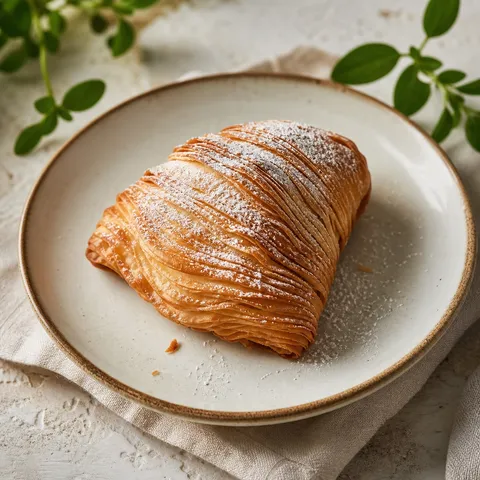
 Sfogliatella
Naples' iconic shell-shaped pastry with crisp, flaky layers wrapped around a sweet ricotta-semolina filling.
 Italian Lens Verified Images are for illustrative purposes only, may be inaccurate, and do not guarantee the presence or absence of specific ingredients.
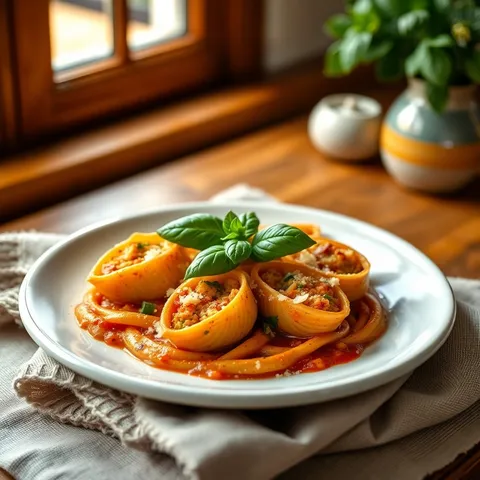
 Stuffed Shells (Conchiglioni Ripieni)
Jumbo pasta shells filled with a creamy ricotta-spinach mixture and baked in tomato sauce.
 Italian Lens Verified Images are for illustrative purposes only, may be inaccurate, and do not guarantee the presence or absence of specific ingredients.
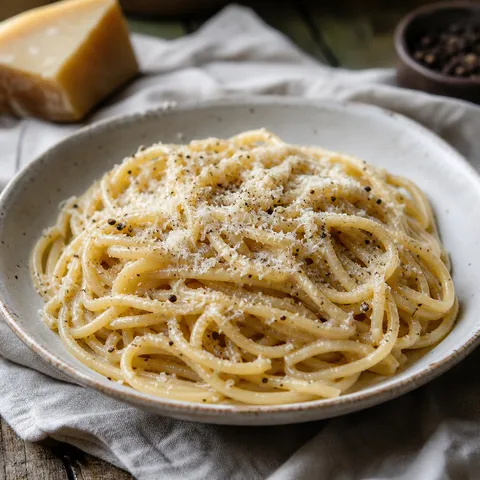
 Cacio e Pepe
A minimalist Roman pasta dish literally meaning "cheese and pepper."